



Why Use a Propane Unit Heater for a Garage? Benefits and Uses
When cold weather threatens productivity in your commercial garage or workshop, selecting the right heating solution becomes critical for operational efficiency. A propane unit heater for garage applications delivers immediate warmth, cost-effective operation, and exceptional reliability across diverse industrial environments. Unlike electric alternatives that strain power grids and inflate utility costs, propane heating systems provide concentrated heat output where workers need it most. These fuel-efficient devices transform frigid workspaces into comfortable environments within minutes, enabling your team to maintain productivity year-round without weather-related delays or safety concerns.
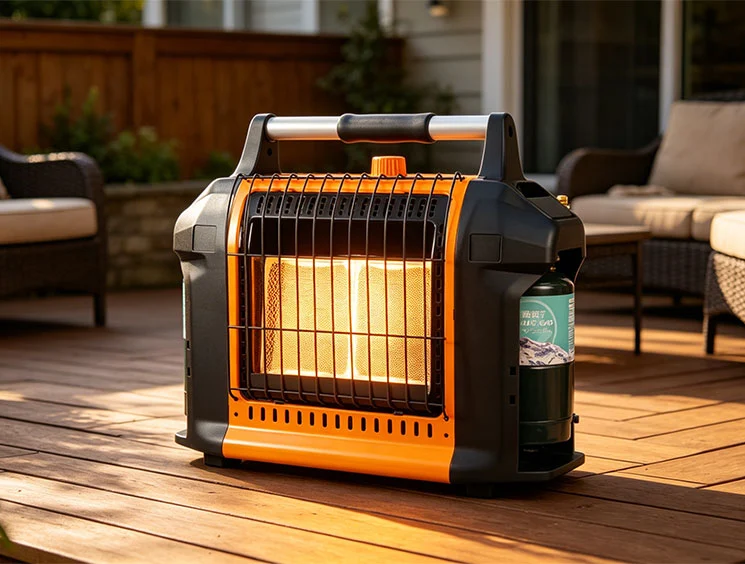
Understanding Propane Unit Heaters for Garages
How Propane Heating Technology Works
Propane heating systems use controlled combustion to turn liquid petroleum gas into heat. The process starts when propane flows into the combustion chamber from storage tanks through valves that control the pressure. The fuel-air mixture is lit by an electrical ignition device, which makes a clean-burning flame that heats a metal exchanger. Then, built-in fans spread the heat around your workspace, giving you an effective 18,000 BTU output that covers about 161 square feet.
With its 5200W power output and advanced combustion engineering, the TOJIRO GH25-18B is a great example of this technology. This third-generation model works well with a variety of fuel types, such as propane tanks, butane bottles, high-altitude gas containers, and normal LPG tanks. This gives it more options than electric heaters. The cold-rolled steel construction makes it strong enough to last in harsh industrial conditions and keeps the outside safe while it's being used for a long time.
Energy Efficiency Advantages Over Alternative Systems
When commercial buildings compare different heating methods, they find that propane systems have big practical benefits. Electric resistance heaters constantly use expensive grid power, which leads to demand charges that raise monthly costs. Installing natural gas lines requires permanent equipment and links to the city, which limits where they can be put. Propane units get around these problems and offer better BTU-per-dollar performance.
With an average gas use of 188 grams per hour in normal situations, operating costs stay the same. Compared to electric heaters, which cause power bills to go up during high heating seasons, this means that the heater can run for longer periods of time without having to be refueled. The 4.8-kilogram design is movable, so facilities can use heat wisely instead of heating whole buildings for no reason. Propane technology is also better for the environment because modern combustion systems produce few emissions when they are maintained according to the manufacturer's instructions.
Key Benefits for Commercial Applications
The biggest problem in industrial sheds is getting heat from propane unit heater for garage to areas quickly so that there is no downtime while equipment and work areas get to a comfortable temperature. The TOJIRO GH25-18B gets warm enough to use in 5 to 10 minutes, so teams can get to work right away instead of having to wait for central heating systems to heat the whole building. This response is very helpful for places like car repair shops, maintenance facilities, and warehouses where time directly affects profits.
Facility managers can also benefit from installation options that are easy to change. Fixed HVAC systems need a lot of pipes and to be mounted permanently, but gas heaters can be moved around to fit different floor plans and seasonal needs. Rental companies like this feature a lot because it lets them move equipment from one client site to another without having to pay for expensive reinstallation. The small 475 × 215 × 370 millimeter footprint takes up very little floor space, which is helpful in garages where space is limited.
Choosing the Right Propane Unit Heater for Your Garage
Calculating Heating Capacity Requirements
To get the right BTU output, you need to look at a few things about the area. The height of the ceiling has a big effect on how much heating is needed—rooms taller than 10 feet need more heating to make up for temperature stratification. The quality of the insulation affects how well it keeps heat in, so buildings with poor insulation need more heat to stay at a comfortable temperature. Most business garages need between 45 and 60 BTU per square foot, but this can change depending on the temperature and the type of building.
Professional-grade propane heaters with an 18,000 BTU value are good for sheds that are up to 15 square meters in size. Instead of buying single heaters that are too big and waste fuel during partial heating cycles, facilities that are bigger than this should strategically place multiple units. Geography is very important. Places with high elevations and very cold temperatures may need extra heating capacity or better insulation to get the most comfortable levels for the least amount of money.
Comparing Propane with Electric and Natural Gas Options
When procurement workers look at different heating methods, they should think about the total costs of ownership, which go beyond the initial purchase price. Electric heaters may seem cheap at first, but they have high running costs because they use power all the time. At standard industrial rates, a normal 5000-watt electric unit that runs eight hours a day costs about $120 a month. On the other hand, propane systems cost about $65-80 a month for similar usage trends.
Natural gas lines make operation cheaper where the equipment is already there, but they make placement very limited. Installation needs certified workers, permanent pipe routing, and local permits, all of which add time and money to the job. Propane systems get rid of these problems because they can connect to regular fuel tanks in minutes. The ability of advanced models like the TOJIRO GH25-18B to work with multiple fuels makes the supply chain even simpler. Facilities can find the best-priced fuel type in their area without having to change any of their equipment.
Essential Features for Industrial Environments
Modern propane unit heater for garages have advanced settings that make them easier to use and more efficient. Electronic ignition systems get rid of pilot lights that waste fuel all the time by only lighting the burners when they are needed for heating. LED status signs make operating feedback clear and easy to see even in busy workshops. This lets leaders check on the state of equipment at a glance without stopping work.
The ability to work with thermostats is an important feature for places that aren't staffed or that are used after hours. Automated temperature regulation keeps minimum temperatures that protect stored materials and keep pipes from freezing so that no fuel is wasted. Noise levels are very important in places where people are talking to customers. Good heaters keep the mood professional in retail stores and hospitality facilities by running at less than 60 decibels. With convection models, you can change the direction of the heat so that it goes to the main work areas instead of heating up storage areas that don't need it. This lets you make the heater fit your specific workspace layout.
Installation, Maintenance & Safety Best Practices
Ventilation Standards and Code Compliance
Proper air flow keeps carbon monoxide from building up and makes sure that combustion works well in small spaces. Building rules usually say that for every 4,000 BTU of output, one square inch of fresh air must be let in. This means that 18,000 BTU heaters need about 4.5 square inches of constant ventilation. This can be done with air vents, windows that are only slightly open, or automatic ventilation systems that constantly move air around.
Vent-free gas heaters are easy to install, but they need to be carefully monitored for airflow and space issues. In many places, ventless operation is only allowed in garages that are bigger than 1,000 cubic feet and have permanent ventilation. Ventilated models send combustion gases directly outside through dedicated flue pipes, which makes it safer to use in places that are tightly sealed. Professional workers make sure that the work meets NFPA 54 standards and local building rules. This keeps building owners from having to worry about responsibility and insurance issues.
Routine Maintenance and Troubleshooting
To make tools last longer, it needs to be serviced regularly every three months or every 200 hours of use. Before cleaning, fuel sources must be disconnected and the machine must be completely cooled down. Compressed air cleans heat exchangers and fan blades of dust that makes them less thermally efficient. Checking the burner orifices for clogs stops incomplete burning and makes sure that the right amount of fuel is being used.
Safety systems need to be checked by trained workers once a year. Before the heating season starts, oxygen depletion sensors are tested to make sure they work properly. When there are different pressures in the cylinders, pressure regulators should keep their output constant. If it changes, it means that the diaphragms are worn out and need to be replaced. Pay extra attention to the tilt-protection device in areas with a lot of foot traffic, since accidental hits can damage internal sensors without causing damage to the outside. Setting up preventive maintenance plans cuts down on unexpected downtime and protects the manufacturer's guarantee.
Safety Protocols and Emergency Procedures
To safely operate propane equipment, you need to know about possible dangers and take precautions. The TOJIRO GH25-18B has oxygen depletion monitors that stop gas flow instantly when the air quality drops below safe levels. This important feature keeps carbon monoxide poisoning from happening in small spaces with poor ventilation. If the equipment falls over, tilt-protection switches stop fuel delivery right away. This puts out flames before they can spread to flammable materials.
Emergency reaction plans should be put in a clear place near the heating equipment. Workers need to know where the cutoff valves are and how to use them correctly when they are under a lot of stress. Every year, drills make sure that everyone knows what to do in an emergency before it happens. Leaving at least 36 inches of space around heaters keeps people from touching hot surfaces by accident and lowers the risk of fire from nearby flammables. Putting in carbon monoxide monitors adds another layer of safety by warning people of dangerous gas levels before they become sick.
Cost and Operational Considerations for B2B Clients
Fuel Consumption Analysis and Operating Expenses
Understanding how propane is used helps businesses with multiple sites make accurate budget projections. At full power, the TOJIRO GH25-18B uses about 188 grams of energy an hour, which is about 1.5 kilograms for an eight-hour shift. At the current average price of $2.50 per kilogram for industrial propane, daily running costs stay below $4 per unit, which is a lot less than electric options that use more than 40 kilowatt-hours per day.
Seasonal changes have a big effect on fuel economy. Well-insulated garages in mild areas may be able to run heaters on and off, which can cut energy use by 40 to 60 percent compared to running them all the time. In places that are very cold, adding more insulation can help lower heating loads more efficiently and cost-effectively than buying bigger equipment. Commercial buyers can sign agreements to buy propane in bulk, which offers discounts of 15 to 25 percent compared to retail cylinder exchanges. This makes the business case even better for facilities that use 500 kilograms or more of propane every year.
Strategic Procurement and Volume Purchasing
When B2B buyers order 1,000 units or more of propane unit heater for garage, they get better pricing and more customization options than smaller buyers. TOJIRO's 45-day production cycle lets deliveries happen at the same time as seasonal demand patterns. This makes sure that inventory gets to warehouses before the busiest heating seasons without costing too much. Businesses in the growth stage can use flexible MOQ designs to expand their operations gradually instead of placing large original orders.
With white-label partnerships, stores and sellers can sell high-quality heating products under their own brands. OEM agreements let you completely customize a product, from changing the colors on the outside to match a company's brand to adding unique features to meet the needs of a niche market. These partnerships shorten the time it takes for entrepreneurs who want to make outdoor gear but don't have the manufacturing skills to get their products to market. For businesses that have been open for a while, payment terms like "net-60" agreements help seasonal companies better handle their cash flow by matching their spending cycles with their revenue cycles.
Warranty Coverage and After-Sales Support
In business settings where downtime costs money, equipment stability has a direct effect on working continuity. TOJIRO offers full one-year guarantees that cover quality problems with the manufacturing process and early component breakdowns in normal use. This coverage goes beyond the standard 90-day coverage in the industry. It shows trust in ISO9001:2015-certified manufacturing processes that keep quality high across production runs.
Technical support resources include customer service teams that speak more than one language and are familiar with North American installation standards and local code requirements. Replacement parts are always available for products, so they don't become obsolete like cheaper alternatives do when they're taken off the market after just one production run. Authorized service networks fix things on-site for large buyers, which cuts down on shipping costs and downtime. Rental companies and hospitality clients can really benefit from these support systems because when equipment breaks down, it affects both customer happiness and income.
Real-World Applications and Case Studies
Automotive Workshops and Service Centers
For paint to dry, adhesives to stick, and precise diagnostics, professional mechanics need temperatures that stay the same. Changes in temperature can lead to flaws in the clear coat and problems with testing tools, both of which lower the quality of service. Using propane for heating keeps temperatures fixed between 60 and 70°F no matter what the weather is like outside. This lets the business run all year without losing work during the winter or summer.
A regional car service chain with 12 locations changed old electric heaters with propane systems and saw their annual heating costs drop by 38%. Because the equipment was portable, it could be moved around as bay assignments changed. This way, changing service needs could be met without having to make permanent changes to the infrastructure. Technicians were happier with their jobs, and they complained less about how cold it was at work in the winter. These operational changes saved money on energy costs and increased productivity within 18 months, which made the original investments worth it.
Warehouse and Distribution Applications
Propane heaters help warehouses solve heating challenges by creating targeted warm zones in high-traffic areas, reducing fuel use compared with whole-building heating. Their flexible placement and quick startup make them ideal for temporary storage facilities and seasonal e-commerce operations with changing temperature control needs.
Rental Operations and Temporary Installations
The TOJIRO GH25-18B suits rental and temporary installations because its durable steel construction, 4.8 kg weight, electronic ignition, and simple fuel connections enable easy handling and operation. Construction customers value reliable performance, fuel flexibility, and low maintenance, while seasonal use provides strong returns on propane heater investments.
Conclusion
In both business and industrial settings, choosing a propane unit heater for garage uses has tangible benefits. Rapid heat delivery, operational flexibility, and cost-effective performance are all important features that meet the needs of auto shops, warehouses, and rental businesses. Modern safety features, such as oxygen depletion monitors and automatic shutdown security, make sure that rules are followed and protect workers. Strategic buying from experienced makers like TOJIRO gives you access to quality that is ISO-certified, the ability to customize, and reliable insurance support that lower the total cost of ownership. When looking at heating options, buildings should think about how gas technology has been used in the past to provide warmth and efficiency in tough situations.
FAQ
1.What size propane heater do I need for my garage?
Use 45 to 60 BTU per square foot as a starting point to figure out how much energy you need. In garages with standard 10-foot ceilings and average insulation, an 18,000 BTU machine heats about 300 to 400 square feet well. In places that are cold, don't have good insulation, or have high ceilings, you need more space or extra warmth sources. You should look at the size of your workspace and talk to heating experts to find the right equipment size that balances performance and costs.
2.How often should propane heaters receive maintenance?
Professional-grade propane heaters need to be inspected every 200 hours of use or every three months, whichever comes first. As part of routine maintenance, heat exchangers are cleaned, fuel lines are checked for leaks, and the safety system is tested to make sure it works. Professional servicing once a year by experienced experts makes sure that the manufacturer's warranty terms are followed and finds possible problems before the equipment breaks down. Setting up preventive maintenance schedules for buildings with multiple units can help keep downtime to a minimum during peak heating seasons.
3.Are propane heaters safe for enclosed garage spaces?
Modern propane units have a lot of safety features that are made to work in enclosed spaces. Oxygen depletion monitors stop the flow of fuel immediately when the air quality drops. This keeps carbon monoxide from building up. It's still important to have enough ventilation—make sure the flow of fresh air meets maker standards and local building rules. Putting in carbon monoxide detectors is an extra safety measure. If you follow the safety rules and make sure there is enough air flow, gas heaters work well in business garages without putting too much at risk.
Partner with a Trusted Propane Unit Heater for Garage Manufacturer
TOJIRO provides reliable heating options for businesses all over the world by combining traditional Japanese craftsmanship with modern production techniques. Our 10,000-square-meter factory makes safety equipment that meets foreign standards. It has ISO9001:2015 approval, which shows that we always keep an eye on quality. The GH25-18B type is the result of over 20 years of experience in heating technology, which was built up through constant improvement and comments from customers. We'd love to hear from retailers, distributors, OEM partners, and institutional buyers who are looking for a competitive propane unit heater for garage supplier. Get in touch with our team at [email protected] to talk about bulk pricing, customization options, and delivery schedules that work for your business.
References
1. Anderson, M. & Roberts, K. (2021). Industrial Heating Systems: Efficiency and Safety in Commercial Applications. Technical Press Publishing.
2. Commercial Fuel Association. (2022). Propane Heating Equipment Standards and Best Practices for Industrial Facilities. Industry Guidelines Report.
3. Henderson, J. (2020). Comparative Analysis of Heating Technologies for Automotive Service Centers. Journal of Facility Management, 45(3), 112-128.
4. National Safety Council. (2023). Workplace Heating Safety Protocols and Carbon Monoxide Prevention. Safety Guidelines Manual.
5. Patterson, L. & Chen, W. (2022). Cost-Benefit Analysis of Propane Versus Electric Heating in Commercial Garages. Energy Economics Quarterly, 38(2), 67-84.
6. Thompson, R. (2021). Installation and Maintenance Standards for Portable Heating Equipment. Professional Contractors Association Technical Bulletin.

USER EVALUATE
Here is the customer's evaluation of us
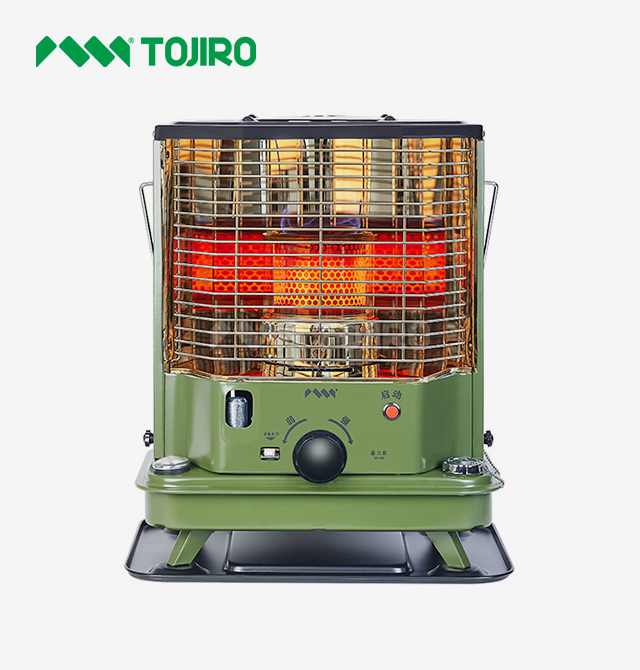 VIEW MOREcompact kerosene heater
_1763619738116.webp) VIEW MORE12 volt water heater for rv
VIEW MORE12 volt water heater for rv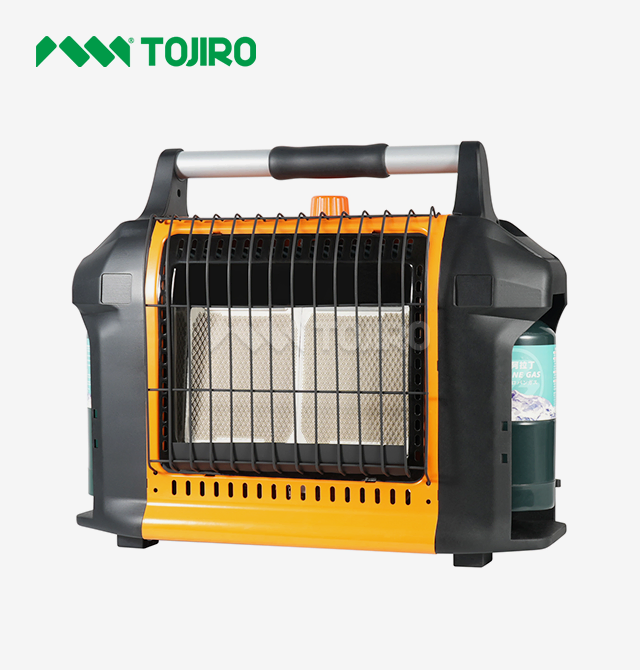 VIEW MOREhigh efficiency direct vent propane heater
_1763607791883.webp) VIEW MOREadjustable height propane patio heater
VIEW MOREadjustable height propane patio heater VIEW MORE2 burner portable camping stove
 VIEW MOREbest camp stove for overlanding
 VIEW MORE8500 BTU kerosene heater
 VIEW MOREpropane heater outdoor camping