


Propane vs. Electric Unit Heaters for Garages: Which Wins?
For commercial garages, the discussion between propane and electric heating solutions focuses on practical concerns such as the cost of operation, installation requirements, and the reliability of the system. The propane unit heater for garage applications is frequently the winner in situations where a fast heat-up is required, where fuel flexibility and cost-effectiveness are key in the bigger areas. For B2B buyers responsible for sourcing equipment to stock rental fleets, retail shelves or institutional buildings, the propane unit heater for garage applications is typically the winner in situations where a fast heat-up is required, where fuel flexibility and cost-effectiveness are key in the bigger spaces. In smaller, well-insulated spaces, where the electrical system can sustain continuous operation, electric heaters have benefits of their own. This holistic study looks at both technologies to assist decision makers link heating strategy with practical realities.
Introduction
Choosing the right heating system for garages in businesses and factories has a direct effect on how well they run, how safe their workers are, and how much money they make. This choice is very important for B2B procurement managers who are looking for heating equipment. This is true for sporting goods stores that are stocking up for the season, rental companies that are keeping their fleets in good shape, and government agencies that are setting up maintenance facilities. Long-term operating costs must be weighed against the costs of the initial investment. Ratings for energy efficiency are shown on monthly utility bills that add up over heating seasons. Deployment times and staff prices are affected by how hard the installation is. The total cost of ownership is based on the maintenance obligations. Safety compliance saves both employees and the company from legal trouble.
Businesses can improve their energy strategies, cut down on downtime, and keep their workplaces safe during the colder months by understanding these factors in the bigger picture of building needs. There are many options for heating garages, but the main choice between gas and electric systems affects everything from planning the infrastructure to running the business every day. This guide gives people who work in procurement the analytical framework they need to make decisions that are in line with the goals of the organization and the budget.
Understanding Propane and Electric Unit Heaters for Garages
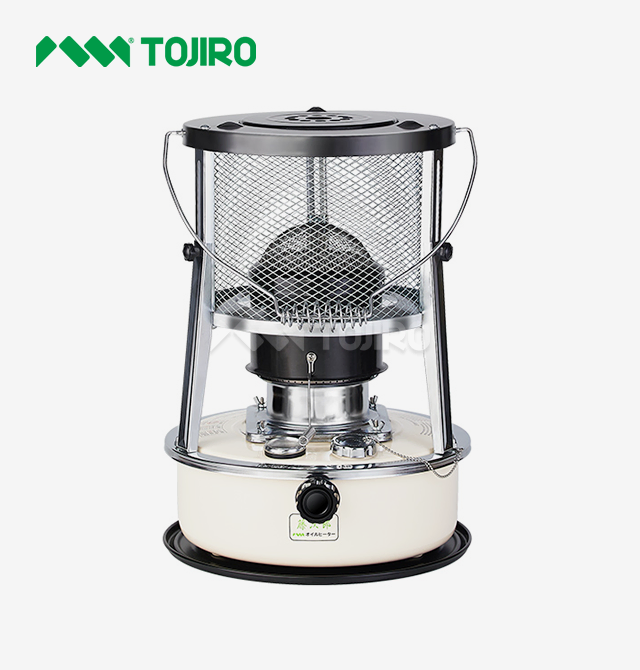
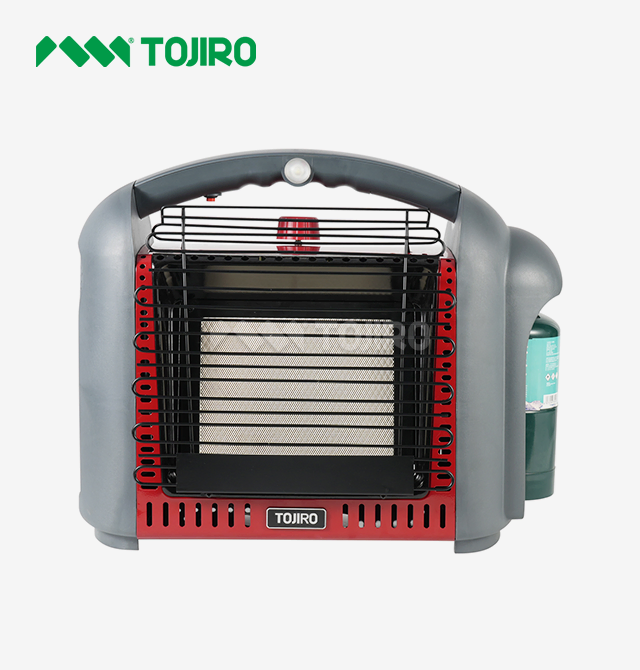
Propane and electric unit heaters work in very different ways that make them suitable for different business garage uses. Propane heaters use liquefied petroleum gas to burn fuel, so they need the right ways to deliver fuel, store it, and let air flow through them. Because this combustion process makes a lot of heat very quickly, these units are perfect for larger buildings or places where upgrading the electrical infrastructure would be hard or cost a lot of money. The TOJIRO GH25-18B type is a great example of current propane technology. It delivers 18,000 BTU (5200W) through efficient combustion and is very small, measuring only 475 × 215 × 370 mm.
Through resistance elements or ceramic parts, electric unit heaters directly turn electricity into heat. Mounting the unit and connecting it to existing electrical lines are two of the easiest steps in installation. However, these systems depend heavily on the building's electrical infrastructure. Buildings that don't have enough power or wiring that is too old may have to pay a lot to be updated before they can use electric heating.
Both systems address issues prevalent in corporate garages, from keeping temperatures consistent while people work, to cutting down on energy expenditures across numerous units, and ensuring the safety of individuals in enclosed or semi enclosed spaces. The heating demands are vary for the various locations : auto service areas , tool storage spaces and production workplaces . Propane systems are perfect for situations where temperatures need to be changed fast, including loading docks or rooms that are used infrequently. Electric heaters function best in spaces that are constantly inhabited, and in which consistent, automated temperature management is more vital than short heat-up periods.
How Propane Heating Technology Works
Heating systems that use propane turn liquid fuel into a gas, then mix it with air to burn, which makes heat. Modern units have electronic ignition systems that get rid of the need for pilot lights. This saves fuel and cuts down on standby energy use. The way heat is spread depends on the type of combustion chamber used. Convection models send heat out in all directions, while forced-air units send heat through pipes or focused outputs.
Electric Heating Mechanism
Ceramic or resistance coils that get hot when electricity flows through them are used in electric heaters. Fans spread this heat all over the target area. These systems use thermostats to precisely control the temperature, but it takes them a few minutes to reach their full heating potential, while propane combustion heats things up almost instantly.
Comparative Analysis of Propane vs Electric Unit Heaters
When deciding between propane and electric unit heaters, how much energy they use and how much they cost to run are two of the most important factors. Propane lamps usually have lower running costs in places where the price of power is more than $0.12 per kWh, especially when there is no natural gas infrastructure available. Units like the TOJIRO GH25-18B can use a variety of fuels, including propane cylinders, high-altitude canisters, butane, and LPG. This gives them more operating freedom than electric systems. Facilities can switch between fuel sources based on price and availability, so they can keep running even when there are problems with the supply.
But propane systems come with extra costs for things like building the infrastructure to store fuel, figuring out how to deliver it, and installing ventilation. Businesses need to think about how much it costs to rent or buy tanks, how often they need to be refueled, and whether there are any delivery fees. Ventilation needs make installation more difficult, but ventless types that can be used in garages with good ventilation make deployment easier. Electric heaters are cleaner to use and require less maintenance because they don't need to store fuel or deal with combustion byproducts or ventilation issues beyond basic air flow. However, energy bills can go up a lot during the busiest heating seasons. This is especially true in places with time-of-use power rates, where demand charges happen during work hours.
Installation needs are very different for each technology. Ventilation rules, fuel line connections that meet pressure requirements, and clearance lengths from flammable objects must all be taken into consideration when using a propane unit heater for garage uses. Professional installation costs between $800 and $1,500, depending on how complicated it is. Electric units need enough electricity—a 5200W heater uses about 22 amps at 240V—so older buildings may need to have their circuits upgraded. For simple installations, installation labor costs $400 to $900.
In risk-averse organizations, decisions about what to buy are based on safety concerns. Propane burning can be dangerous in a number of ways, including exposing people to carbon monoxide in rooms that don't have enough air flow, causing fires from fuel leaks, and causing explosions if safety systems fail. Modern units have sensors that turn them off automatically when the oxygen level drops, and tilt-protection features that stop the flow of fuel if the unit falls over. Multiple safety systems built into the TOJIRO GH25-18B meet GB/T38522-2020 standards for safety. This gives business buyers proof of compliance for insurance and legal reasons.
Electric heaters get rid of the risks of combustion, but they also add electrical risks, such as the chance of getting shocked or starting a fire from overloaded circuits or damaged wiring. These worries are lessened by overheating safety and cool-touch exteriors, but proper electricity infrastructure is still needed.
Environmental and Sustainability Factors
As companies try to reach their sustainability goals, environmental concerns are becoming more and more important in their purchasing decisions. Carbon dioxide and small amounts of pollution are released when propane is burned, but newer units burn cleanly if they are well taken care of. Electric heaters don't produce any emissions when they're in use, but how they affect the environment depends on the energy sources used to power the grid. Grids that use a lot of coal produce more total emissions than grids that use green energy. If a company is keeping track of carbon footprints, it needs to look at all the emissions that a technology makes over its whole life.
Performance in Conditions That Change
No matter what the temperature is outside, propane heaters keep putting out the same amount of heat, even when it's very cold outside. Electric resistance heaters also keep the output stable, but during busy usage times, the high demand for electricity from heating units can put a strain on the building's infrastructure. Electric heaters don't work as well when the power goes out or the energy changes, but gas systems work even when the power grid is unstable.
Key Decision Criteria for Procurement Managers
To find the best heating technology for a garage, procurement managers need to carefully consider things that are unique to that garage. The most important thing to think about is the size of the building—areas bigger than 500 square feet usually benefit from propane's higher BTU output and faster heat distribution. The TOJIRO GH25-18B heats up to 161 square feet (15 m²) of space very well, which makes it perfect for workshop areas, areas where equipment is stored, or focused heating in bigger buildings where multiple units are used. Heating needs are greatly affected by the quality of the insulation. Metal buildings that aren't properly insulated lose heat quickly, so they need larger systems or more than one unit to keep the temperature comfortable.
Ventilation characteristics have a big impact on the choice of technology. Ventless gas heaters can be safely used in garages that have good ventilation, such as ones with regular door openings, exhaust fans, or natural airflow. Ventilated propane systems or electric alternatives are needed in closed spaces with limited air flow to keep combustion byproducts from building up. Planning for capacity is based on how the space will be used. Areas that are only occasionally filled may benefit from gas heaters because they heat up quickly, while areas that are always warm may benefit from electric systems with programmable thermostats that keep the temperature stable automatically.
Budget concerns go beyond the initial purchase price and include the expected total cost of ownership over the equipment's useful life. Commercial-grade propane heaters usually cost between $300 and $1,200. The TOJIRO GH25-18B is priced reasonably for buyers who need to buy at least 1,000 units. The cost of installation, the amount of fuel that will be used, and the amount of upkeep that needs to be done are all things that go into the financial analysis. When comparing technologies, businesses should figure out how long it will take to get their money back. Propane often has better economics in places where heating needs happen more than 1,000 hours a year and power costs stay high.
Supplier Evaluation and Product Portfolio Review
By carefully going through the product lines of reputable brands, you can make smart decisions based on things like guarantee coverage, service support, and product features for propane unit heater for garage. TOJIRO has been making heating equipment for more than 20 years and uses an ISO9001:2015-certified building that is 10,000 square meters in size. This manufacturing capacity can handle both standard production runs and custom ODM/OEM projects for institutional buyers, private equity brands, and white-label partners who need to change the specifications. The company offers a one-year warranty and a 45-day production cycle, which gives purchasing managers accurate dates for planning seasonal inventory or building additions.
User satisfaction and operational flexibility are affected by things like how well a product works with thermostats, how loud it is when it's running, and how portable it is. The 4.8 kg weight of TOJIRO's propane unit makes it easy to move when the needs of the area change. Electronic lighting gets rid of the need for pilot lights, which are hard to keep up. Safety certifications show that you meet the requirements for insurance and government checks. This is very important for government agencies and hospitality businesses that have to go through strict building audits.
Compliance and Risk Management
Following the safety standards and licenses set by the industry lowers the risks of buying while also making sure that regulations are followed. Insurance companies often list types of heating equipment that are allowed and fitting standards that must be met. Choosing units that don't meet these standards can void your coverage or make your premiums go up. Liability issues include worker's compensation claims resulting from heating-related incidents. Because of this, safety features should be a top priority for risk management rather than just nice-to-have extras.
Installation, Operation, and Maintenance Best Practices
Proper installation and operation practices improve heater performance, lifespan, and safety. Propane heaters require careful planning for ventilation, clearance, fuel connections, and heat distribution, while professional installation ensures compliance with safety codes. The TOJIRO GH25-18B’s fuel consumption supports accurate planning for operation costs. Outdoor tanks should be safely positioned and regularly inspected. Electric heaters require suitable circuits, proper grounding, and correctly placed thermostats to maintain accurate temperature control and prevent inefficient cycling.
Operational Optimization and Energy Management
Using customizable controls to set the temperature to its best level saves a lot of energy while keeping the room comfortable during busy times. Setback strategies that lower temperatures when the building isn't being used save fuel without sacrificing warmth when staff arrive. Programmable thermostats make it possible for buildings with set schedules to automatically change the temperature, so no one has to do it by hand. Instead of heating the whole building evenly, zoned heating methods focus heat on areas that are actually being used. This provides comfort where it's needed while reducing waste.
Preventive Maintenance Programs
Regular preventive maintenance helps extend heater life and prevent unexpected failures. Propane heaters require annual checks of burners, flames, safety sensors, and fuel systems, while electric heaters need inspections of heating elements, fans, and electrical connections. Cleaning removes dust and deposits that reduce efficiency and increase risks. Maintenance frequency should match usage levels, with records supporting compliance and planning. TOJIRO provides technical support to help identify and solve common issues, allowing trained staff to handle simple problems without unnecessary service calls.
Making the Final Choice: Propane or Electric – Which Wins?
Choosing between propane and electric heaters depends on application needs, budget, and building infrastructure. Propane models are suitable for large, well-ventilated spaces, areas with limited electricity, and portable heating needs, offering strong output and flexibility. Electric heaters are better for smaller, upgraded spaces where easy installation, quiet operation, temperature control, and clean energy use are priorities.
For B2B buyers, understanding these differences helps create product strategies for different customers. Retailers may offer both options, while rental companies often prefer durable propane units, and hospitality clients may favor electric systems for indoor environments. Reliable suppliers, clear warranties, after-sales support, and customization capabilities are also important. TOJIRO supports OEM needs with flexible options, a 1,000-unit minimum order, and a 45-day production cycle, helping wholesalers and institutions manage seasonal demand and long-term heating projects.
Conclusion
The argument over whether gas or electricity is better depends on the specifics of the job. There is no one technology that is always better than the other. Propane unit heater for garage applications win where rapid heating, fuel flexibility, and cost-effective operation in larger spaces drive decision-making. Electric systems are most common in smaller, better-insulated spaces where higher energy costs are acceptable because they are easy to install and can be controlled automatically. Procurement managers who have to deal with different needs across multiple facilities may use both technologies strategically, making sure that each system is used in the right situation. TOJIRO is a good partner for businesses that need reliable heating solutions backed by technical know-how and quick service because it can make things, has quality certifications that meet ISO9001:2015 standards, and lets customers make changes.
FAQ
1.Can propane unit heaters be safely used indoors in commercial garages?
Propane heaters can be used safely inside as long as they have enough air flow and the right safety measures. Modern units have oxygen depletion sensors that stop the flow of fuel automatically when oxygen levels drop below safe levels. This keeps carbon monoxide from building up. Facilities with good air flow can use ventless models, but rooms that are closed off need systems with vents that let burning byproducts escape outside. Before installing, you should always check your local fire codes and building codes, as different places have different rules about using propane inside.
2.How often should commercial garage heaters receive maintenance?
How often maintenance is done relies on how much the machine is used and where it is located. Propane heaters that are used all year need to be inspected and cleaned by a professional once a year, and the fuel connections and safety features should be looked at every month. Similar to gas units, electric units need to have their electrical links, heating elements, and fan motors inspected once a year. To keep the fan from getting clogged and the elements from getting dirty, places that are dusty or dirty need to be cleaned more often. After every 100 hours of use, rental equipment that is moved and set up a lot should be inspected.
3.What cost savings can facilities expect switching from electric to propane heating?
Cost savings depend on how much electricity costs in your area, how much propane costs, and how much heat your building needs. When facilities in areas where electricity costs more than $0.15 per kWh and propane stays below $2.50 per gallon switch to propane for spaces that are heated more than 1,000 hours a year, they usually save 30 to 40 percent on their operational costs. Even though gas is more efficient in terms of BTUs, electric heating may be cheaper in smaller rooms or places where energy is cheap. Accurate predictions of savings can be found by comparing real utility rates with planned fuel usage in a site-specific cost analysis.
Partner with TOJIRO for Reliable Propane Unit Heater Solutions
TOJIRO delivers proven propane unit heater for garage applications backed by ISO9001:2015 certified manufacturing and over 20 years of heating equipment expertise. Our GH25-18B model blends the accuracy of Japanese craftsmanship with low prices for wholesale and OEM partners who need stable supplies. Our 45-day production cycle and ability to customize goods help you meet your buying deadlines, whether you're an e-commerce platform looking for high-turnover items, a rental company looking for long-lasting equipment, or a school needing compliant heating solutions. Get in touch with our team at [email protected] to talk about bulk prices, changing specifications, and full service packages. Visit qstojiro.com to see all of our products and find out why top propane unit heater for garage sellers choose TOJIRO for quality and dependability.
References
1. Howell, T. M., & Richardson, K. L. (2021). Commercial Garage Heating Systems: Comparative Analysis of Fuel Technologies. Industrial Facilities Management Press.
2. Zhang, P., & Morrison, D. S. (2020). Energy Efficiency in Workshop Heating: Propane vs. Electric Systems. Journal of Building Services Engineering, 41(3), 287-304.
3. National Fire Protection Association. (2022). NFPA 54: National Fuel Gas Code Standards for Commercial Applications. NFPA Publications.
4. Anderson, R. J. (2019). Procurement Strategies for Industrial Heating Equipment: A B2B Perspective. Facilities Management Quarterly, 15(2), 45-67.
5. United States Department of Energy. (2021). Commercial Building Heating Technologies: Cost and Performance Benchmarks. DOE Office of Energy Efficiency.
6. Wilson, C. E., & Tanaka, H. (2020). Safety Protocols for Combustion Heating in Enclosed Workspaces. Occupational Safety and Health Review, 28(4), 112-129.

USER EVALUATE
Here is the customer's evaluation of us
_1763619738116.webp)