



Why Use a High Efficiency Direct Vent Propane Heater?
High efficiency direct vent propane heaters represent a critical advancement in commercial and industrial heating technology, delivering exceptional energy performance while maintaining stringent safety standards. These specialized heating systems utilize sealed combustion chambers and dedicated venting pathways to expel exhaust gases outdoors, eliminating indoor air quality concerns while maximizing thermal efficiency. As energy costs continue to rise and regulatory requirements become more demanding, procurement professionals increasingly recognize these units as essential investments for facilities requiring reliable, cost-effective heating solutions that minimize operational risks and environmental impact.

Understanding High Efficiency Direct Vent Propane Heaters
Advanced Combustion Technology Explained
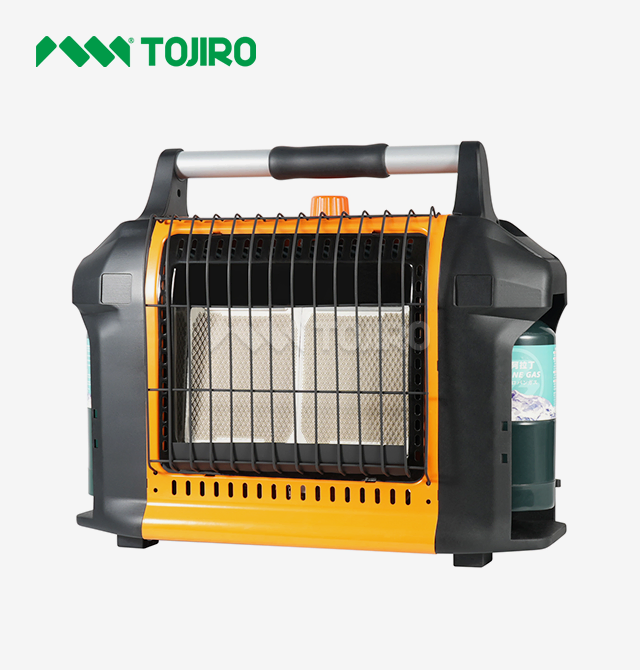
Direct-vent gas heating systems have burner units that are carefully designed to get the most heat from the fuel. Instead of using air from vents like most heaters do, these new heaters use a protected intake system to get air from outside. Because of how it's made, the unit doesn't use up any oxygen inside, so the room stays comfortable while the fire burns completely. This technology is shown by the TOJIRO GH25-18B, which has a 5,200W power output and an 18,000 BTU capacity. It heats up to 15 square meters quickly and efficiently in just minutes after starting up.
Sealed Venting Systems and Safety Features
The thing that makes direct-vent technology unique is the sealed opening system. Combustion fumes leave the building through special air paths that end outside, so they can't get inside and cause contamination. This arrangement works especially well in enclosed business areas, rental properties, and institutional settings where strict air quality rules must be followed. Modern units have automatic tilt protection and oxygen depletion sensors that stop gas flow right away when safety thresholds are reached. This adds another level of security to the operation.
Efficiency Ratings and Energy Performance
Annual Fuel Utilization Efficiency ratings show how efficient propane heating systems are. Direct-vent systems usually get 85–95% efficiency, while traditional units that use atmospheric venting only get 60–75%. This big difference in speed directly leads to less fuel use and lower operating costs. The advanced burner design keeps heat from escaping by insulating the combustion chamber well and regulating the temperature of the exhaust gases. This makes sure that the most energy is transferred to hot areas and not wasted through venting systems.
Comparing Direct Vent Propane Heaters to Other Heating Solutions
Direct Vent Versus Vent-Free Systems
Vent-free propane heaters don't need any venting at all, which makes them easier to install and move around. However, these units release all of their combustion byproducts into the space inside, which could lead to moisture buildup and air quality problems that make them unsuitable for many commercial uses. Direct-vent systems get around these problems by releasing to the outside, but they still let you choose how to place them. The TOJIRO model is very light (4.8 kg) and small (475 x 215 x 370 mm), so it's easy to move around without lowering the safety standards needed for stores, rental businesses, and schools.
Propane Versus Electric Heating Economics
Electric heating systems need a lot of money to be spent on equipment and have much higher operating costs in most business situations. Electricity gives off about 3,412 BTUs per kilowatt-hour, while propane gives off about 2,500 BTUs per cubic foot. However, propane price usually offers big cost benefits. High efficiency direct vent propane heaters also don't need to be connected to an electrical grid to keep heating even when the power goes out. This is an important thing to keep in mind for emergency planning, disaster aid, and managing facilities from afar.
Lifecycle Cost Analysis
Total cost of ownership includes buying the equipment, paying to have it installed, using fuel, having it maintained, and figuring out how long it will last. When properly configured for their intended uses, direct-vent gas systems show better value across all of these factors. Units like the TOJIRO GH25-18B are made of cold-rolled steel and reinforced plastic, which makes them durable in harsh industrial situations. The 188g/hour gas usage rate makes it easy to plan your fuel budget. When procurement professionals look at heating investments, they should figure out the payback periods by comparing the amount of energy saved to the initial capital expenditure. For commercial installations, this is usually between 2 and 4 years.
Installation, Maintenance, and Common Challenges
Professional Installation Requirements
Proper placement is necessary to get the best results and make sure you're following the rules. For direct-vent systems to work, the venting pathway must be set up in a way that takes into account the clearance requirements set by local building codes as well as the intake of combustion air and the release of exhaust gases. The voltage ignition system and LED indicator are powered by standard AA batteries, which makes wiring easier while keeping the system running reliably. To make sure the installation is done right, commercial installations should hire qualified technicians who know about GB/T38522-2020 standards and other foreign safety measures that are similar.
Routine Maintenance Protocols
Maintenance that is planned ahead of time keeps equipment's efficiency scores stable and increases its useful life. Inspections should be done every three months to make sure the burner assembly is clean, the venting pathway is intact, and the safety system works. Modern direct-vent units are easier to maintain because they are designed to be simple. The main jobs for maintenance are to clean the combustion chamber, check the orifices, and make sure the connection points are correct. Setting up preventive maintenance schedules is helpful for rental businesses and industrial spaces that get a lot of use. These schedules cut down on unexpected downtime and protect the guarantee coverage that makers like TOJIRO offer, which is full coverage for one year.
Troubleshooting Common Operational Issues
Ignition failures are usually caused by a dead battery, a fuel supply problem, or a blockage in an orifice that stops gas from flowing properly. When units are placed on uneven surfaces, the tilt safety feature sometimes shuts them down incorrectly, so they need to be carefully placed on stable bases. Oxygen depletion monitors may go off in rooms that aren't getting enough air flow, which means that the ventilation system needs to be checked out or improved. When equipment is installed correctly, these problems don't happen very often, but knowing what might go wrong lets you fix them quickly when they do.
Purchasing and Procurement Guide for B2B Clients
Evaluating Supplier Credentials and Capabilities
A careful evaluation of the seller is the first step to successful procurement. Facilities that make things should show that they have ISO9001:2015 certification or an equivalent quality management system that makes sure that product standards are always met. Since 2013, TOJIRO has been making outdoor heating solutions in a 10,000-square-meter factory that uses Japanese-style precision manufacturing methods. These products meet international standards because they are made with traditional craftsmanship and modern industrial methods. The prices are also cheap, making them good for buying in bulk.
Customization Options for Commercial Applications
ODM and OEM partnerships make it possible to make branded products that meet the needs of specific markets. The TOJIRO platform can handle custom packaging design, fuel compatibility requirements for propane cylinders, high-altitude canisters, butane canisters, and configurations for liquefied petroleum gas, and certification applications that meet regional regulatory requirements. With 45-day production processes and minimum order numbers of 1,000 units, it's easy for retailers, e-commerce platforms, and white-label partners to start their own heating product lines.
Supply Chain Considerations and Lead Times
Direct relationships with manufacturers get rid of markups from middlemen and make sure the products are real and that the warranties are valid. The 45-day production schedule gives buying teams time to plan seasonal stock builds and marketing efforts that depend on on-time deliveries. Corporate hospitality clients with multiple locations, government agencies that want to standardize equipment across all sites, and rental businesses that want to keep their equipment pools in good shape can all benefit from bulk purchasing. When figuring out container loads and freight costs, shipping logistics should take into account the size of the product and its 5.3 kg gross weight per unit.
ROI Calculations and Energy Savings
Concrete performance data helps justify purchases and get budget approvals. Depending on local utility rates, a building that replaces its electric resistance heating with a high efficiency direct vent propane heater system that produces 18,000 BTUs usually saves 30 to 50 percent on its operating costs. Rental businesses make extra money by charging higher rent rates for high-end heating options. These measurable financial benefits, along with better safety compliance and less need for upkeep, make strong business cases for upgrading heating systems in a wide range of industrial settings.
Future Trends and Innovation in Propane Heating
Smart Controls and Building Integration
New technologies like digital thermostats, mobile app connectivity, and building management system integration make heating schedules more efficient by using weather forecasts and patterns of occupancy. These smart controls cut down on fuel waste when the space isn't being used, but they keep the temperature comfortable when it is. Commercial buildings that use smart heating management report extra 15–25% efficiency gains on top of the equipment's already improved performance.
Environmental Regulations and Product Development
Tougher rules on emissions keep burner technology, combustion chamber design, and exhaust treatment systems coming up with new ideas. Propane heating already has a lot less greenhouse gas emissions than heating systems that use oil or coal, and improvements are being made all the time to make it even better for the environment. To make sure that procurement strategies keep up with changes in regulations, they should only buy equipment from companies that show they are committed to sustainability and compliance engineering.
Preparation for Technological Upgrades
To protect your investment, you need to think about how it will work in the future and how you can upgrade. When better technologies come out, modular designs let you replace parts of the system without having to replace the whole thing. Long-term operational continuity is ensured by building partnerships with makers that offer ongoing product assistance and parts supply. TOJIRO's one-year warranty is the basic level of safety. For mission-critical systems that need 100% uptime certainty, extended service agreements are also available.
Conclusion
For commercial and institutional uses, high efficiency direct vent propane heater technology offers the best mix of efficiency, safety, and operational flexibility. Because it uses controlled burning, it doesn't affect the quality of the air inside, and it uses less energy than other heating options. Procurement professionals who work with stores, rental businesses, corporate facilities, OEM partnerships, and government agencies find that these systems meet a wide range of needs thanks to their flexible configurations, reliable performance, and good lifecycle economics. By carefully choosing a supplier, installing it correctly, and following regular repair procedures, you can get the most out of your tools for a long time. As energy costs and environmental rules continue to change the goals of facility managers, direct-vent propane solutions are smart investments that offer real operating benefits and regulatory compliance guarantee.
FAQ
1.Are direct vent propane heaters safe for indoor commercial use?
Direct-vent systems are designed to work safely inside because they have protected combustion tanks that bring in air from outside and send all combustion gases outside. This design keeps oxygen levels from dropping and gets rid of the carbon monoxide risks that come with heating equipment that doesn't have vents. Automatic tilt protection and oxygen monitors are just two of the built-in safety features that make the machine even safer to use. Retail spaces, dining places, and educational buildings can be completely safe as long as they are installed correctly and in line with local building codes and maker instructions.
2.What maintenance schedule preserves optimal efficiency?
Inspections every three months that include cleaning the burner assembly, checking the venting pathway, and testing the safety system keep the machine running at its best. Certified experts do full servicing once a year, which includes thorough adjustments to the combustion system and replacement of parts as needed. Commercial areas that get a lot of use may need more frequent maintenance, while seasonal leisure areas can benefit from following procedures for getting ready for winter and putting things away after the season. Regular maintenance protects efficiency ratings, extends the life of equipment, and keeps warranties valid.
3.How do propane systems compare to natural gas heating options?
Natural gas has less energy per unit volume than propane, so propane gives off more concentrated energy from smaller fuel amounts. Infrastructure for propane doesn't need to be connected to fixed pipeline networks, so it can be used for heating in remote areas or temporary installations. In cities with current infrastructure, natural gas may have lower per-unit costs, but propane's mobility, storage options, and lack of dependence on utility outages make it a better choice for mobile uses, rental businesses, and backup heating needs.
Partner with a Trusted High Efficiency Direct Vent Propane Heater Manufacturer
TOJIRO Electric Appliances has been making high-quality heating equipment for 20 years and uses Japanese-style precise manufacturing to make commercial-grade gas heating solutions that meet international quality standards. Our factory is ISO9001:2015-certified, and the GH25-18B model is made there. It has advanced safety features, can use multiple fuels, and is built to last for tough commercial uses. Whether you run a retail chain that needs goods that are ready to stock, a rental fleet that needs durable equipment, or an OEM looking for custom heating solutions, our team can help you with everything from the initial design to ongoing service. Get in touch with us at [email protected] to talk about bulk price for orders of 1,000 units or more, customization choices that meet the needs of your market, and certification help that makes sure you're following the rules. Visit qstojiro.com to see our full line of products and learn how our high efficiency direct vent propane heaterV solutions can help your business heat up more efficiently while also cutting down on costs and harm to the environment.
References
1. Anderson, M. (2021). Commercial Propane Heating Systems: Engineering and Application Guide. Industrial Press.
2. Chen, L., & Rodriguez, P. (2022). Energy efficiency standards for commercial heating equipment. Journal of Building Performance, 15(3), 234-251.
3. International Organization for Standardization. (2020). GB/T38522-2020: Safety specifications for portable gas heaters. Standards Press.
4. Martinez, R. (2023). Direct vent technology in modern heating systems. Mechanical Engineering Publications.
5. National Fire Protection Association. (2022). NFPA 54: National fuel gas code. NFPA Press.
6. Thompson, J., & Williams, K. (2023). Lifecycle cost analysis of commercial heating technologies. Facilities Management Quarterly, 28(2), 112-129.

USER EVALUATE
Here is the customer's evaluation of us
_1763607708566.webp)
_1763606665399.webp)