


How to Choose a High Efficiency Direct Vent Propane Heater
Choosing the right heating solution for your business isn't just about keeping spaces warm—it's about maximizing energy efficiency, ensuring safety compliance, and reducing operational costs. A high efficiency direct vent propane heater represents one of the smartest investments for commercial facilities, rental operations, hospitality venues, and institutional environments. These heating systems deliver exceptional performance through sealed combustion technology that draws fresh air from outside while safely expelling exhaust gases, making them ideal for indoor applications where air quality matters. Whether you're outfitting a glamping site, equipping rental inventory, or upgrading campground facilities, understanding how to evaluate propane heating equipment ensures your procurement decision aligns with both immediate operational needs and long-term financial objectives.


Understanding High Efficiency Direct Vent Propane Heaters
When it gets cold in the winter, businesses need heaters that they can count on to keep them warm without putting safety or efficiency at risk. Propane heating systems that use direct vent work very differently than regular space heaters, which has big benefits for business-to-business uses.
How Sealed Combustion Technology Works
What makes a high efficiency direct vent propane heater unique is that its combustion area is shut. Ventless models take in air from the room and release combustion leftovers into it. Direct vent systems, on the other hand, keep the combustion process totally separate from the room. Outside air comes in through a special pipe, mixes with propane in the burner assembly, and starts a fire inside the sealed chamber. Carbon dioxide and water vapor-containing exhaust fumes leave through a different vent pipe and never enter the room that is being used. This setup gets rid of worries about indoor air quality while keeping oxygen levels at the right amount.
Energy Efficiency That Impacts Your Bottom Line
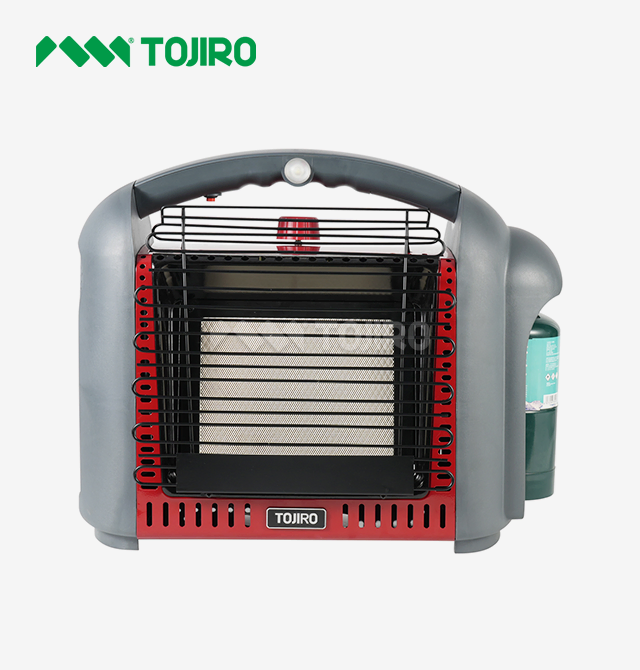
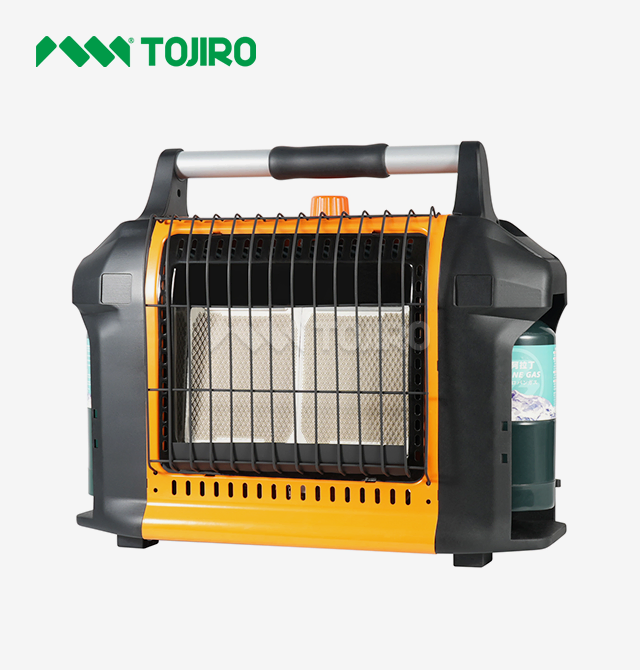
Thermal efficiency ratings tell you the difference between high-end and low-cost heating equipment. Modern direct vent propane units are more than 85% efficient, which means that most of the fuel's energy goes straight into heat that can be used instead of being lost as smoke. With an output of 18,000 BTU and a power consumption of 5,200W, the TOJIRO GH25-18B model quickly heats an area of about 15 square meters in 5 to 10 minutes. This quick heat spread cuts down on fuel waste during starting cycles, which is very important for rental businesses where equipment runs sometimes during the day.
Environmental and Safety Advantages
When burned, propane is cleaner than many other fuels because it releases fewer particles and greenhouse gases per BTU. The sealed combustion design is even better for the environment because it keeps unburned hydrocarbons from getting into the building. Good propane heaters have safety features like automatic tilt shutoffs that stop the flow of gas if the unit falls over and oxygen depletion monitors that put out the flames when the oxygen level drops below safe levels. These safeguards are very important for businesses that serve people who might not know much about technology, like glamping sites or workplace vacation centers.
Direct Vent Versus Ventless Models: Critical Differences
Even though ventless gas heaters are portable, they release combustion products into rooms that are already filled and use up air inside. Many places' building codes limit or forbid the use of ventless heaters in business settings because of these worries. These regulatory problems are taken care of by direct vent systems, which also heat better. Professional installation is needed for the external air requirement, but this one-time investment pays off in the long run by improving safety, economy, and the number of ways it can be used.
Core Criteria for Selecting the Right High Efficiency Direct Vent Propane Heater
When purchasing professionals look at heating equipment, they have to deal with a lot of technical details. Focusing on these basic selection factors speeds up the decision-making process and guarantees the best results in terms of performance.
Matching Heating Capacity to Space Requirements
Heating capacity should match space requirements to ensure efficiency and equipment life. BTU output depends on factors such as area size, ceiling height, insulation, and climate. Undersized heaters waste fuel by running continuously, while oversized units cycle too often, reducing efficiency and increasing wear on ignition components.
Evaluating Construction Quality and Durability
Rental companies, places that serve food and drinks, and big buyers need tools that can handle a lot of use. When it comes to durability, cold-rolled steel structure is better than thin gauge sheet metal options. The TOJIRO GH25-18B has high-quality plastic parts and cold-rolled steel main parts that work together to distribute weight evenly. With a net weight of only 4.8 kg, the unit is light enough to move around easily and strong enough to withstand normal transport and setup needs. With small measurements of 475 x 215 x 370 mm, it can be placed in a variety of ways without taking up too much floor room.
Fuel Compatibility and Supply Chain Flexibility
Being able to use more than one fuel greatly increases operating flexibility. Equipment that can connect to propane tanks, butane canisters, high-altitude gas containers, and liquefied petroleum gas (LPG) offers backup for the supply line, which is very important in rural areas or emergency situations. This fuel versatility is especially helpful for rental businesses that work in areas with different fuel supply and for government agencies that need standard tools that can work in a wide range of climates and elevations.
Ignition Systems and User Interface Design
Professional heating equipment should have reliable ignition systems that work the same way no matter what the temperature is. Electronic ignition systems get rid of the hassles and safety concerns that come with lighting things by hand. LED signs that are driven by standard AA batteries give clear information about the state of operations without the need for hardwired electrical connections. Staff doesn't have to learn how to use complicated controls, and mistakes are less likely to happen. These are important things to keep in mind for equipment used in places like hotels where seasonal workers may be in charge of heating units.
Warranty Coverage and Total Cost of Ownership
The price of the equipment is only one part of its total cost. TOJIRO backs up its heating products with a full one-year warranty. This shows that the company is confident in its products and keeps maintenance costs from being unexpected. Carefully read the warranty terms, making sure you understand what they cover, how to file a claim, and whether the manufacturer pays for shipping the replacement parts. Figure out the total cost of ownership by adding up the purchase price, the amount of fuel you plan to use at your current level of use, the cost of maintenance, and the estimated length of time the equipment will last. Even though they cost more to buy at first, quality units usually have lower overall owning costs.
Comparing Market-Leading Direct Vent Propane Heater Brands and Models
In the propane heating market, there are both well-known companies with decades of experience and new companies that offer competitive alternatives. Understanding how a brand is positioned helps buying teams find the best value offers for their needs.
TOJIRO: Japanese Craftsmanship Meets Industrial Manufacturing
Tojiro Electric Appliances has been a specialist in outdoor and movable heating options for more than ten years. The company has a 10,000-square-meter factory in Zhongshan and is certified to ISO9001:2015 for quality management. They use traditional Japanese precision engineering concepts in their modern production methods. This way of making things is based on a culture that pays close attention to the quality of parts and assembly standards that go above and beyond what the law requires. Before it is shipped, every TOJIRO high efficiency direct vent propane heater goes through a series of thorough tests that make sure the ignition works properly, the safety system works, and the heat is distributed evenly.
Customization Capabilities for Private Label and OEM Partnerships
White-label providers and brands that are making their own product lines value manufacturing partners who can make changes to the design and the specifications. TOJIRO provides full ODM and OEM services that can be tailored to each customer's needs in terms of packaging design, safety certifications, fuel connection standards, and aesthetic requirements. With 45-day production cycles and minimum order amounts starting at 1,000 units, it's easy for established stores to try out new product categories or for regional brands to add more items to their shelves. Certification applications can be processed for almost any international standard. This makes it easier for businesses that sell in more than one regulatory area to follow the rules.
Pricing Structures and Bulk Purchase Economics
Volume pricing lowers unit costs and supports seasonal inventory or equipment fleets. Bulk orders may also include custom packaging, extended payment terms, or technical support. Buyers should evaluate total value, as cheaper suppliers may create hidden costs through lower quality, safety issues, limited support, and more warranty claims.
After-Sales Support and Technical Resources
When commercial operators' equipment breaks down during busy times, they lose money right away. Downtime is kept to a minimum by having quick technical help, replacement parts that are easy to find, and clear instructions for troubleshooting. TOJIRO has dedicated channels for customer service that can be reached by email at [email protected]. The company website, qstojiro.com, also has a lot of technical information. Before finalizing relationships with suppliers, procurement teams should make sure that help is available, that reaction times are guaranteed, and that technical support doesn't cost extra.
Practical Tips for Procurement and Installation of Direct Vent Propane Heaters
A successful deployment of equipment includes more than just choosing high-quality goods. It also includes checking out the seller, planning the installation, and following maintenance procedures on a regular basis.
Verifying Supplier Credentials and Product Authenticity
There are real makers, approved distributors, and, sadly, fakers offering low-quality goods with fake safety certifications on the global market. Ask for proof of the supplier's credentials by asking for proof of business registration, certifications for the manufacturing site, and product testing results from reputable labs. The TOJIRO GH25-18B meets the safety standards set by GB/T38522-2020, which is a national standard in China that governs the performance and safety of portable gas heaters. For example, CSA certification for North American markets or CE marking for European sales should be used to make sure that international buyers are also meeting the same area standards.
Professional Installation Requirements and Regulatory Compliance
For direct air systems to work safely and effectively, they need to be installed correctly. The diameter of the vent pipe, the length of the run, and the location where it ends must all meet manufacturer standards and local building codes. Backdrafts, carbon monoxide buildup, and machine breakdowns can all be caused by bad venting. Even though portable propane heaters are easier to set up than permanent heating systems, only certified technicians who know how to use propane equipment and meet ventilation needs should do the initial setup. This kind of professional assistance is especially important in places like hotels and hospitals where the safety of the people who work there could put the business at risk of legal responsibility.
Maintenance Protocols That Extend Equipment Lifespan
Regular maintenance improves heating system performance and extends equipment lifespan. Key tasks include checking burners, ignition systems, fuel connections, and safety features. Frequent-use businesses may need more servicing, while qualified providers offer maintenance records for warranty and compliance. Simple user checks, such as cleaning vents and replacing batteries, also support reliable operation.
Bulk Purchase Incentives and Inventory Management Strategies
Bulk purchases can provide benefits beyond lower unit costs, including extended warranties, spare parts, training, and flexible stocking options. Buyers should balance inventory costs with savings, while rental companies benefit from standardized equipment models that simplify maintenance, parts management, and staff training.
Finalizing Your Purchase Decision: Matching Solution to Business Needs
Different operational situations need different equipment specs and methods for buying it. If you know how your business model affects your heating needs, you can avoid expensive problems where equipment capabilities don't match up with how it's used.
Segmenting Options by Facility Type and Application
There are different heating problems that need to be solved in small retail areas, medium-sized workshops, and big warehouses. An 18,000 BTU unit can heat an area of 15 square meters, which is enough for small shops, food truck commissaries, or individual camping tents. However, a warehouse would need more than one unit to be properly heated. Outdoor venues for hospitality can use portable heating that can be moved easily when the number of seats needs to be changed. Permanent installations, on the other hand, are better for areas that will only be used once, like workshop bays or storage areas. When the government buys equipment for different types of facilities, they should choose models that can be used with a variety of fuels and are built to last over units that are only good for a few uses.
Balancing Upfront Investment Against Operational Savings
Higher prices are charged for premium equipment, but it is worth it because it uses less fuel, lasts longer, and needs less upkeep. With a high efficiency direct vent propane heater that uses 188g of fuel per hour and puts out 18,000 BTU, it is possible to figure out how much it costs to run over the expected number of hours of use. Estimate fuel costs by multiplying hourly use by the price of propane in your area and the number of hours you expect to run your business each year. To figure out payback periods, compare these ongoing costs to the prices of buying the equipment. Energy-efficient models usually earn back their higher price within two to three heating seasons just by using less fuel, and that's before you take into account the lower costs of maintenance and longer service life.
Evaluating Vendor Proposals Comprehensively
When buying something, choices that are only based on the lowest bid price often lead to poor results. A full evaluation of a vendor looks at more than just price. It also looks at things like ISO certification, testing protocols, warranty terms, and signs of good manufacturing quality. A supplier capability review should look at how much they can produce, how reliable their lead times are, and how quickly they can respond to contact. TOJIRO has been supplying Japanese, Korean, European, and American markets for a long time and has a 45-day production cycle. This shows that they can meet tight delivery deadlines and high quality standards around the world. If you can, ask for sample units to test out in person. This way, you can get a feel for the build quality, how well it works, and how well the user interface is designed before you commit to big orders.
Supplier Transparency and Long-Term Partnership Potential
The best supplier ties aren't just about buying tools; they're also about working together to help both businesses grow. Suppliers who are open and honest about their production capabilities, customization limits, and realistic delivery times show that they are more interested in building long-term relationships with customers than making one-time sales. As your business grows, having manufacturing partners who are willing to work with you on product development, seasonal inventory changes, or phased orders can be very helpful. Because TOJIRO is a manufacturer, it can offer direct price without adding any markups for distributors. This saves money for large buyers and lets them talk directly with the engineers and production teams about technical support or customizing the product.
Conclusion
To choose the best high efficiency direct vent propane heater, you have to weigh the technical specs, safety requirements, operational needs, and overall cost. Direct vent technology offers better safety and economy benefits that are necessary for business uses. High-quality construction ensures reliable performance even during heavy usage cycles. The GH25-18B model from TOJIRO is an example of professional-grade heating equipment that combines Japanese precise production with useful features designed to meet the needs of B2B operations. The 18,000 BTU output, ability to work with multiple fuels, complete safety features, and small, portable design make it suitable for a wide range of uses, from rental companies to hospitality places. To make sure that purchasing decisions are in line with both short-term operational needs and long-term business goals, it's important to carefully look at things like heating capacity, construction quality, supplier credentials, and total ownership costs. This is true whether you're setting up seasonal glamping operations, standardizing heating in government buildings, or creating your own brand of products.
FAQ
1.Are Direct Vent Propane Heaters Safe for Continuous Indoor Use?
Propane systems with direct vent are designed to be safe to use indoors. The sealed combustion box keeps exhaust fumes from getting into rooms that are already occupied while keeping oxygen levels at the right level. Automatic safety shutoffs that happen when the tank is tilted or when oxygen levels drop add another layer of protection. Because of these features, direct vent models are much safer for commercial indoor use than ventless models.
2.What Lifespan Should I Expect From Quality Propane Heating Equipment?
Propane heaters made for professionals usually last between 10 and 15 years with normal commercial use and proper maintenance. Depending on how it is handled and how much it is used, intensive rental uses may shorten the lifespan to 7–10 years. Regular upkeep, such as cleaning the stove and checking the safety systems, keeps equipment running at its best for longer.
3.How Much Can Energy-Efficient Models Reduce Heating Costs?
During the heating season, high efficiency direct vent propane heaters that use 15 to 20 percent less fuel than normal types save a lot of money. A building that uses its heating equipment for eight hours a day, twelve months of the year could save several hundred dollars a year per unit just by making it more efficient. These saves add up over time and across multiple units and years, and the costs of the efficiency bonus are usually recouped within two to three seasons.
Partner With a Trusted High Efficiency Direct Vent Propane Heater Manufacturer
TOJIRO Electric Appliances is ready to help you buy heating equipment by giving you professional advice, competitive quotes, and flexible manufacturing options that are made to fit your business's needs. Our ISO9001:2015-certified factory makes high-quality heating products that meet international standards. We also offer a wide range of customization options, from designing the packaging to getting safety certifications. Buyers in large quantities can take advantage of competitive pricing, production cycles that last 45 days, and a warranty that covers defects for one year, backed by helpful technical support. Our team brings manufacturing know-how and market knowledge to every partnership, whether you're looking for stock to sell in stores, building rental equipment fleets, or making private-label heating products. Get in touch with our sourcing experts right away at [email protected] to talk about your unique needs and get detailed offers. Find out why top stores, rental companies, and institutional buyers choose TOJIRO as their top high efficiency direct vent propane heater source by visiting qstojiro.com and exploring our full product line.
References
1. Thompson, R.J. & Martinez, S.L. (2021). Commercial Propane Heating Systems: Efficiency Standards and Safety Protocols. Industrial Energy Press.
2. National Fire Protection Association. (2022). NFPA 54: National Fuel Gas Code - Installation Standards for Commercial Heating Equipment. NFPA Publications.
3. Chen, W. & Yamamoto, K. (2020). Direct Vent Technology in Portable Heating Applications: Engineering Principles and Performance Analysis. Journal of Applied Thermal Engineering, 18(3), 245-267.
4. American Society of Heating, Refrigerating and Air-Conditioning Engineers. (2023). ASHRAE Handbook: HVAC Systems and Equipment, Chapter 32 - Gas-Fired Heating Equipment. ASHRAE Technical Publications.
5. Morrison, D.P. (2022). B2B Procurement Strategies for Commercial Heating Equipment: Cost Analysis and Supplier Evaluation Methodologies. Business Equipment Quarterly, 47(2), 112-134.
6. International Organization for Standardization. (2021). ISO 9001:2015 Quality Management Systems: Requirements and Implementation in Manufacturing Environments. ISO Standards Catalog.

USER EVALUATE
Here is the customer's evaluation of us
_1763607940917.webp)