


Why Every RV Owner Needs A Portable Water Heater
One problem that RV owners always have is getting reliable hot water while they're travelling. Using your vehicle's DC electrical system, a 12 volt water heater for rv solves this problem by providing fast hot water. Unlike regular gas or 120-volt systems, these portable units work with your RV's power source and use very little battery power. If you run a rental fleet, run a hotel business, or sell tools to stores, knowing about these water heating options will change how you serve your customers and make your business run more smoothly in every case.
Understanding Portable 12 Volt Water Heaters for RVs
How Low-Voltage DC Water Heating Systems Work?
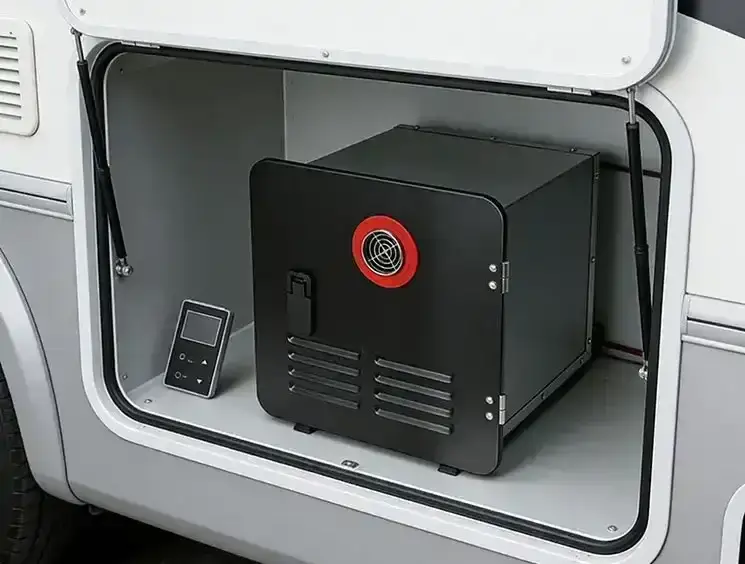
Portable water heaters now use 12V vehicle batteries to power efficient heating components. The TOJIRO 8L vehicle-mounted gas instantaneous water heater draws only 20W but delivers 17.5kW of heat, combining electrical ignition with propane fuel for energy-saving performance during off-grid trips. Instantaneous heating eliminates storage tanks—water heats as it flows through the unit. The system activates immediately when a hot tap opens, igniting the gas burner and delivering water at desired temperature within seconds, saving both fuel and electricity compared to keeping a full tank constantly heated.
Tank Versus Tankless Configurations
Traditional tank models store pre-heated water, requiring continuous energy to maintain temperature. Tankless systems like TOJIRO's 8L heat water on demand, eliminating standby energy loss—reducing operating costs, space needs, and maintenance. Fleet procurement professionals prefer tankless designs for consistent performance across varied usage patterns. The 11.5 kg weight simplifies installation without extra support, while full tank systems weigh significantly more and challenge RV balance. The compact wall-mounted design frees valuable storage space—critical for rental fleets where every cubic inch matters.
Energy Efficiency and Cost Implications
Operating costs directly impact rental and hospitality profitability. A 12V RV water heater consumes far less battery power than electric-only alternatives. The TOJIRO unit's 20W draw only powers ignition and controls, while propane handles heating—extending battery life during boondocking. Modern gas water heaters achieve excellent fuel efficiency. The 8L model's 4.5kW minimum heat load enables precise temperature control without waste, automatically reducing fuel use during low demand—lowering propane costs while maintaining instant hot water availability for fleet operators calculating per-unit expenses.
Key Installation and Safety Guidelines for B2B Clients
Pre-Installation Assessment for Fleet Deployment
Before putting water heaters in all of your RVs, you should check to see how much electricity and gas each one can handle. The TOJIRO 12 volt water heater for rv needs a stable 12V DC connection that can handle a continuous 20W draw. This small amount of electricity use is easily met by most RVs, but older vehicles may need to have their electrical systems upgraded. Check to see if the battery banks have enough extra power for the water heater to work with other systems on board.
When thinking about water supply, you should look at the plumbing lines and flow levels that are already in place. At ideal pressure, the 8L model makes 8 litres per minute, but it needs good feed lines to work at its best. If you drive your car in cold places, check the water runs for possible freeze points. The unit itself is protected by built-in anti-freeze, but supply lines need to be winterised separately when they are not in use or when they are stored during the off-season.
Electrical Safety Protocols and Compliance
Installing electricity correctly keeps fires from starting and makes sure that everything works as it should. Follow the manufacturer's instructions to the letter and use wiring that is rated correctly for the 20W load. Put inline fuses or circuit breakers on the water heater wire to protect both the unit and the car's electrical system. To keep people from getting shocked by electricity when it's wet, ground connections must meet industry standards for RVs.
Before being shipped, TOJIRO makes sure that every unit meets international electricity safety standards using ISO 9001:2015-certified manufacturing methods. But in the real world, safety success depends on how well the work was done. Teach your installation teams the right way to do things, or for large-scale jobs, work with trained RV techs. Keep track of each installation with photos and forms, which makes people responsible and makes future care easier.
Ventilation Requirements and Carbon Monoxide Prevention
Gas-powered water heaters release burning byproducts that need to be properly vented. The TOJIRO 8L type has proper venting devices that safely let waste gases out of the car. When installing, make sure that the vent lines don't get clogged and that they end in a place where the wind won't blow the exhaust back into the living area. Vent connections should be checked regularly to make sure they stay secure and aren't damaged or blocked.
Carbon monoxide monitors are important safety gear for any RV that has gas tools. Put monitors near places where people sleep and where the water heater is, and test them once a month to make sure they work right. Tell your users or renters about the risks and signs of carbon monoxide. This cautious approach to safety saves users and lowers the risk of liability for your business.
Comparing 12 Volt Water Heaters with Other RV Water Heating Solutions
Propane-Only Systems Versus Hybrid DC Models
Most RVs use old-fashioned propane water heaters, but they are harder to control than new hybrid systems. A lot of pure gas units have pilot lights that stay lit and use fuel all the time, even when no hot water is being used. The automatic lighting in the TOJIRO 12 volt water heater for rv is set off by the flow of water, so no pilot light is required. This difference means that you will save money on propane over the course of weeks and months of use.
Controlling the temperature is another difference. Digital sensors and automatic gas valve adjustments keep the temperature settings accurate by electronic systems. Older gas types use mechanical controls that can change the temperature more widely. Users are happier when the water temperature stays the same, which is very important for rental businesses where customer reviews directly affect booking rates and income.
120 Volt Electric Heaters and Shore Power Dependency
120V AC electric water heaters perform well at campgrounds with shore power but fail entirely off-grid, limiting travel freedom. The TOJIRO 8L model operates independently—performing equally at RV resorts and remote mountain lakes. Installation complexity differs greatly: AC electric heaters require dedicated 30-amp or 50-amp circuits and professional electricians, while the TOJIRO unit's 20W draw easily connects to existing 12V systems without costly upgrades. This simplicity enables faster, lower-cost fleet additions for businesses retrofitting current vehicles.
Tank Storage Capacity Versus Instantaneous Production
Storage tank heaters deliver limited hot water before requiring reheating—sequential showers quickly deplete the tank, forcing 30–45 minute recovery waits. The TOJIRO 12V RV water heater's instantaneous design steadily produces 8 litres per minute, enabling continuous use for larger families or groups. This unlimited capacity benefit is critical for rental businesses. Recovery delays from tank systems generate negative customer reviews, while instantaneous heaters eliminate wait times entirely. In competitive markets where amenities drive booking decisions, this operational advantage helps rental companies differentiate themselves.
Top Portable 12 Volt Water Heaters for RV Use in 2026
Performance Specifications That Matter for Procurement
When looking at bulk water heating options, there are a few factors that have a direct effect on the long-term value. How fast water gets to the right temperature is based on its heat output capacity, which is measured in kilowatts. The 17.5kW power of the TOJIRO 8L type heats up quickly, meeting the needs of picky customers. Compared to competitors who only make 10–12kW, which means customers have to wait longer and are more frustrated.
The amount of noise from operations affects the user experience, especially when they are used early in the morning or late at night. The TOJIRO unit is less than 50dB, which is quieter than usual talk. This keeps people inside or nearby campers from being bothered. This is important to think about for hospitality clients whose customers' happiness determines how often they come back. Competitors that are louder often make 65 to 75dB, which leads to complaints and bad reviews that hurt a brand's image.
Here are the core performance advantages procurement professionals should prioritize:
- Instant hot water delivery: The 17.5kW heating capacity heats water instantly, so users don't have to wait, which can be frustrating and lead to bad reviews in rental situations.
- Whisper-quiet operation: Sound levels below 50dB keep the mornings and evenings quiet, so residents or nearby campsites can't complain about noise, which is important for keeping high satisfaction ratings.
- Minimal electrical draw: The 20W power use keeps battery life for other systems on board, extending the ability to overnight, which is something that customers are increasingly looking for in rental cars.
- Lightweight construction: Weighing only 11.5 kg, installation doesn't need any structural support and the mounting positions can be changed to make the best use of room in small vehicle layouts.
When it comes to RV water heating, these performance characteristics directly address common problems. This makes customers happier and makes fleet operators' jobs easier.
Warranty Coverage and After-Sales Support Infrastructure
To show that they trust their products will last, TOJIRO offers a one-year warranty that covers all production flaws. This guarantee covers parts and labour during the important first year of operation, which lowers the total cost of ownership. Compared to cheaper competitors that only offer 90-day service and make buyers pay for repairs soon after deployment, this is a great deal.
Long-term serviceability depends on how easy it is to get replacement parts. TOJIRO keeps a large stock of parts and requires 45 days to deliver standard parts. This reliable parts supply chain keeps fleet cars from being down for long periods of time when they need work. Accessibility to technical support is also important. TOJIRO gives customers direct access to engineering teams through [email protected], where they can get help with problems that can be fixed quickly without taking the car out of service.
Customization Capabilities for White-Label and OEM Partners
Businesses that want customised water heater solutions can use TOJIRO's many customisation options. With ODM and OEM services, you can choose the colour of the case, the design of the control panel, and even the level of performance tuning to meet the needs of your market. Compared to industry standards, minimum order amounts are still open, which helps growing businesses without making them commit to too much inventory.
There is a good mix between customisation depth and delivery speed in the 45-day production cycle. This schedule lets you make thoughtful changes to the design while still keeping the turnaround time fast enough to handle changes in seasonal demand. TOJIRO has been making outdoor gear for 20 years, so they can make sure that any changes they make keep the same level of dependability and performance that protects your brand's image in competitive markets.
Maintenance and Troubleshooting of Portable 12 Volt Water Heaters
Routine Care Procedures That Extend Service Life
The longevity of your 12 volt water heater for rv installations is directly impacted by regular maintenance. Gas lines should be checked every month to make sure they stay tight and don't leak. Apply soapy water to the connection points and look for bubbles, which mean gas is escaping. Tighten any open connections right away, and repair any broken hoses before they pose a safety risk or stop the service.
Electrical connections require similar attention. Check the battery connections for corrosion, which raises the resistance and lowers the power that can flow. Use a wire brush to clean the connections and a protection spray to keep them from rusting again. Make sure that none of the wires that connect to the water heater are loose and that there are no signs of insulation damage or burning. Most electricity problems can be avoided with these easy checks.
Winterization Strategies for Cold Climate Operations
Water heaters that are left in cars that aren't warm over the winter could freeze. The TOJIRO 8L model has built-in anti-freeze protection, but the supply plumbing needs extra winterisation work. Low-point drains should be used to get rid of all the water in the feed lines and the heater itself. Blow compressed air through the lines to get rid of any water that is still there and could freeze and break the pipes.
For cars that will still be used in cold weather, make sure the inside is well heated to avoid damage from freezing. You might want to insulate open water lines in areas that aren't warm. These precautions will protect your expensive equipment and make sure it works properly when the temperature drops. Rental companies in cold places should write down their winterisation methods and teach their staff how to do them regularly across all of their fleets.
Symptom-Based Diagnostics for Common Issues
Systematic troubleshooting quickly finds problems with water heaters that aren't working right. If the unit won't light, check the propane supply amounts and valve settings. Next, make sure the 12-volt power source can handle the load. Low battery voltage often makes it impossible to start the engine reliably, so the battery needs to be charged or replaced before normal operation can resume.
Not hot enough water even though the gas is properly ignited could mean that the hob is blocked or the gas pressure is too low. Make sure that the pressure in the propane tank stays within the allowed range and that the regulators work properly. Check the burner unit for any dirt or rust that might be blocking the flow of gas. The TOJIRO 12 volt water heater for rv has a flexible design that allows parts to be replaced without taking the whole thing apart, which cuts down on repair time and costs.
Water leaks typically originate from plumbing connections rather than the heater itself. Check each joint for proper tightness and seals that aren't working right. As a preventative measure, replace old screws and O-rings before they cause leaks. Because TOJIRO units are made to ISO-certified standards, internal leaks are still very rare. However, most outdoor leaking problems can be avoided by using the right installation methods.
Conclusion
Portable water heaters change RV camping from a simple activity to a cosy way of life on the go. Without using up batteries or needing shore power lines, the 12 volt water heater for rv technology provides instant hot water. TOJIRO's 8L vehicle-mounted gas instantaneous water heater is a good example of this change because it produces 17.5kW of heat while using only 20W of electricity. Quick installation, reliable performance, and full warranty support that protects equipment investments are all good things for fleet operators. It runs very quietly, is light, and can hold an unlimited amount of hot water. These features meet important needs in rental businesses, hospitality services, and retail channels. Modern portable water heaters add value by making customers happier and lowering operational costs. They can be used to equip glamping sites, improve rental fleets, or give stores competitive products.
FAQ
1. Can I run a 12 volt water heater while driving my RV?
Yes, the TOJIRO 8L type can safely be used while travelling because it gets its power from your car's electricity system. Even during long drives, the low 20W usage won't drain the batteries. The gas supply stays steady thanks to links that are made to withstand vibrations and are made for mobile use. However, in some places, gas appliances can't be used while cars are moving. Check the rules in your area before letting people use your water heater while you're away. With instant-on, you can heat water as soon as you park the car without having to wait for the system to warm up.
2. How does a portable unit compare to fixed propane water heaters?
The freedom of portable 12 volt water heater for rv systems is unmatched by fixed placement. Installing the TOJIRO unit is quick and doesn't require any lasting changes, so the vehicle's reselling value is kept. With instantaneous heating, there are no more standing pilot lights like there were in older gas heaters. This means that a lot less fuel is used. Electronic temperature control is more accurate than regular timers. The 11.5 kg weight makes it possible to put it up temporarily for the season and then take it down for the winter if needed. This flexibility is good for rental businesses that change how their equipment is set up based on how much demand changes with the seasons.
3. What electrical safety measures should I implement?
Use fuses or breakers with the right rating to protect dedicated circuits. According to RV electrical rules, make sure that the wiring is correct. To handle current loads without voltage drop, use the wire sizes that the maker tells you to. Place the unit away from water sources that could cause shocks. Before putting power on, use a voltmeter to check all of the connections. Carbon monoxide detectors add another layer of safety to the use of gas appliances. When links are checked regularly, they are caught before they break. Tojiro's ISO 9001:2015 approval makes sure that their units meet international electricity safety standards. However, they still need to be installed correctly for them to work safely.
Partner with TOJIRO for Reliable 12 Volt Water Heater for RV Solutions
With more than 20 years of experience making outdoor equipment, TOJIRO Electric Machines offers top-of-the-line water heating technology. Retailers, rental businesses, hotel chains, and institutional buyers looking for dependable performance at affordable prices can all benefit from our 12 volt water heater for rv manufacturing capabilities. The 8L vehicle-mounted gas instantaneous water heater is made by combining traditional Japanese craftsmanship with modern engineering. This makes products that can handle tough commercial uses. We offer fair minimum order amounts for both ODM and OEM customisation, so we can work with businesses at all stages of growth. Our 45-day production cycles allow us to quickly adapt to changes in seasonal demand while still meeting ISO-certified quality standards. Get in touch with our team at [email protected] to talk about buying in bulk, making changes, or technical requirements.
References
1. Anderson, M. (2023). Mobile Water Heating Systems: Engineering Principles and Applications. Outdoor Equipment Press.
2. Chen, L., & Roberts, K. (2024). "Energy Efficiency in Recreational Vehicles: Comparative Analysis of Water Heating Technologies." Journal of Mobile Comfort Systems, 18(2), 145-162.
3. National RV Dealers Association. (2023). RV Amenities and Customer Satisfaction: Industry Research Report.
4. Patterson, J. (2024). "Propane vs. Electric: Total Cost Analysis for RV Water Heating Systems." Fleet Management Quarterly, 31(4), 78-91.
5. Thompson, R., & Martinez, S. (2023). Safety Standards for Gas Appliances in Recreational Vehicles. Technical Standards Publishing.
6. Williams, D. (2024). "Instantaneous Water Heaters in Commercial Applications: Maintenance and Longevity Studies." RV Service Technology Journal, 12(1), 34-48.

USER EVALUATE
Here is the customer's evaluation of us
_1763609661748.webp)
_1763607842349.webp)
_1763607881538.webp)