



Portable Stove Top Uses and Benefits for Importers
For importers seeking profitable opportunities in outdoor cooking equipment, understanding the best portable stove top options is essential. Portable stove tops have evolved into sophisticated cooking solutions that serve diverse B2B markets—from rental companies supplying glamping sites to retailers stocking outdoor gear. These compact cooking devices deliver reliable performance across camping expeditions, emergency preparedness programs, and hospitality venues offering unique outdoor experiences. With global demand rising for versatile outdoor cooking equipment, importers who grasp the technical features, market applications, and procurement strategies for portable stove tops position themselves to capture substantial market share in this expanding sector.
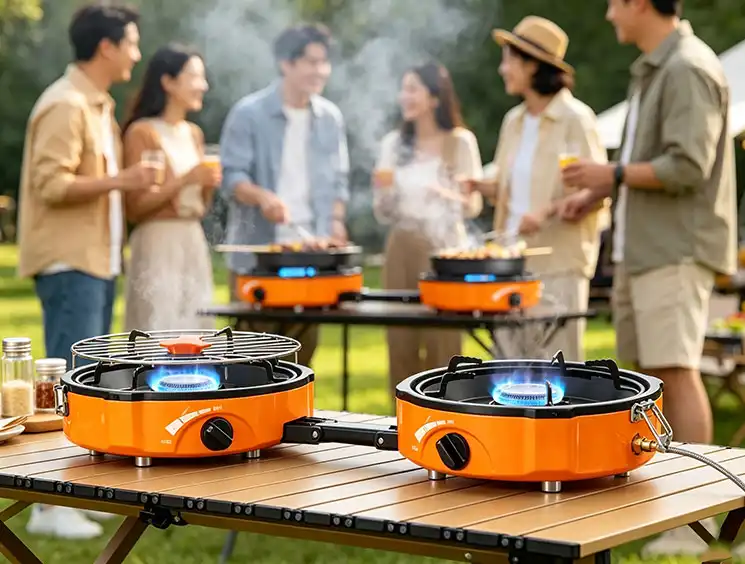
Understanding Portable Stove Tops: Types, Features, and How They Work
Main Types of Portable Stove Tops
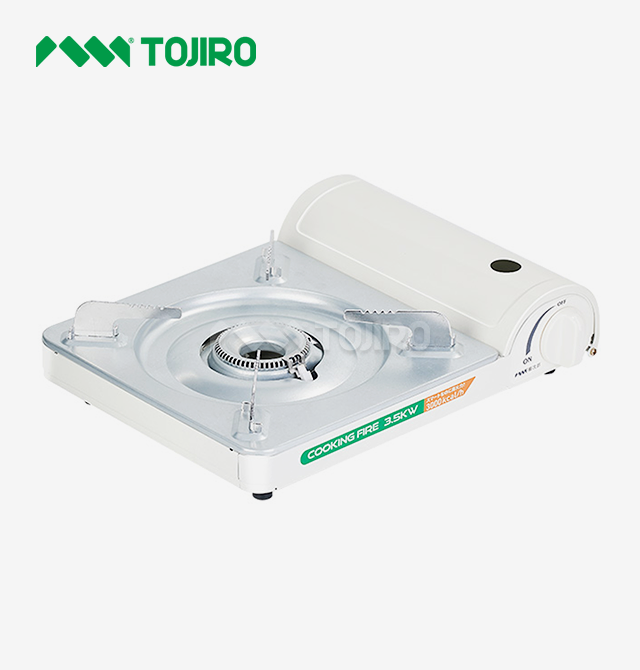
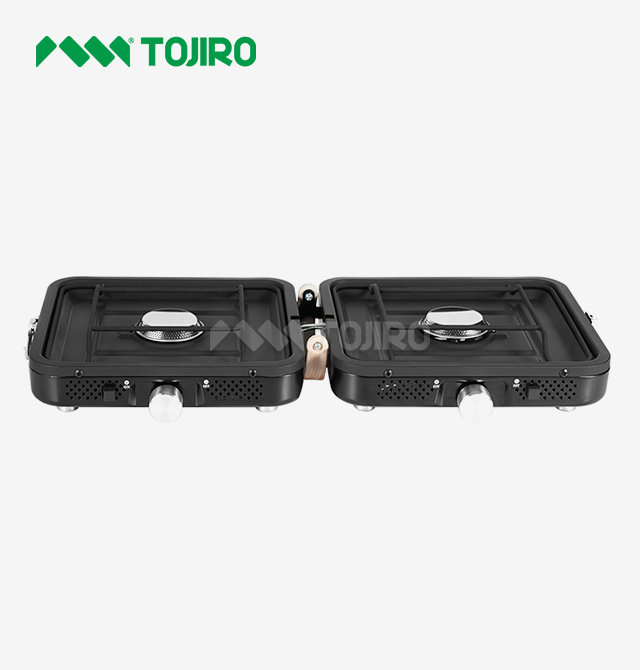
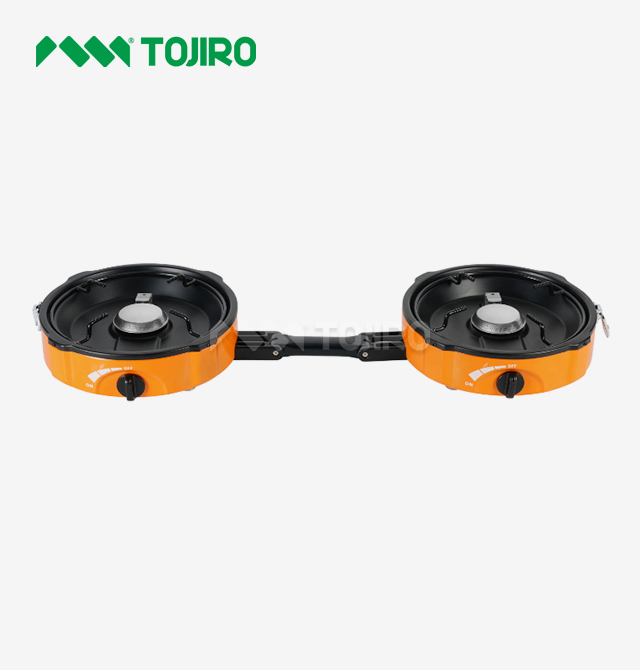
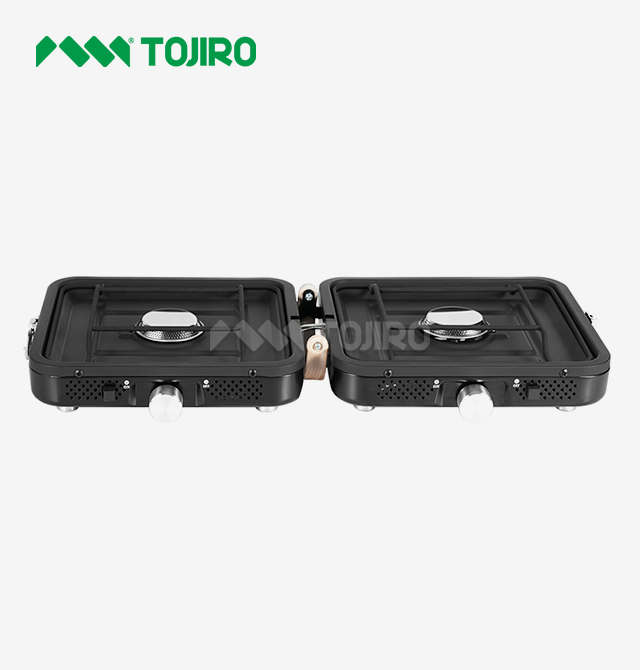
There are a lot of different fuel methods in the compact cooking market. Gas-powered types are most common outside because they can control the heat instantly and consistently. The TOJIRO Shell Stove is a great example of this type of stove because it has both open flame and infrared burner heads that put out 8000 BTU (2.3kW). Electric versions are good for events that will be held inside or at campgrounds that are regulated so that open flames aren't allowed. Induction models use less energy, but they need cookware that works with them. Solid fuel stoves are still a niche product used in harsh environments where other fuel sources aren't available.
Most gas stoves in the US use propane tanks, while in Europe they use high-altitude gas cylinders that meet European standards. For importers who sell their goods in other countries, this ability to work with both types of fuel is very important. The best portable stove top providers give clear information on fuel requirements and compatibility, which lets wholesalers match goods to customers' tastes and the fuel that is available in their area.
Critical Performance Features
The amount of heat directly affects how fast and in what ways you can cook. A standard rating of 8000 BTU for good camping stoves quickly boils water and has enough power to sear proteins. Professional-grade equipment is different from basic models because it has temperature control mechanisms. Pressure-regulating valves keep the light working the same no matter the altitude or temperature of the area. This is a technical benefit that rental companies really like.
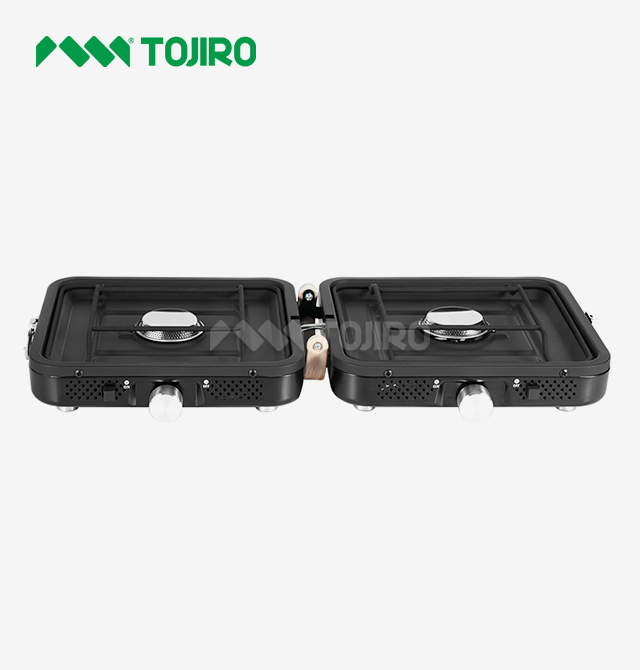
The durability of a building depends on the materials used. Cold-rolled steel with a powder finish doesn't rust when it comes in contact with water or food waste. Premium models have two burners, one with an open flame and one with an infrared head. This lets you cook more than just boiling. Infrared flames spread heat evenly across the bases of pans, which cuts down on hot spots that burn food during long cooking sessions.
Operational Principles That Matter
Piezoelectric ignition systems don't need matches or lighters, which makes things easier for people who use them. This feature makes things easier for the operator and makes things safer, which are things that business clients look for when they buy tools for controlled group activities. Rates of fuel use affect how much it costs rental businesses to run. Models that use about 152 grams of fuel per hour are a good balance between power output and fuel efficiency. They also keep rental costs low while still providing good performance.
Devices can be folded from a cooking position (268 x 210 x 117 mm) to a storage position (245 x 210 x 59 mm) thanks to compact engineering. This space economy is very important for stores trying to keep warehouse costs low and for distributors serving customers who don't have a lot of storage room. The quality of the engineering in folding mechanisms has a direct effect on how long a product lasts, since thousands of setup and takedown cycles test the sturdiness of hinges.
Benefits of Portable Stove Tops for B2B Importers and End-Users
Market flexibility is what keeps demand steady.
There are a huge number of people who use best portable stove tops. People who like being outside buy these things for weekend camping trips. Emergency planning groups keep them on hand in case of a disaster. They are rented out by corporate event planners for tailgating. This variety in the market gives importers more ways to sell their goods, so they don't have to rely on seasonal changes that affect only recreational goods.
A rising secondary market is made up of people who live in apartments in cities but don't have full kitchens. College students, people living in tiny homes, and people staying in temporary housing are all looking for small cooking appliances that can make full meals without having to be permanently installed. If importers know about these different uses, they can place their goods in a lot of different store groups, from sports equipment to home appliances, to get the most out of their stock.
Cost Efficiencies in Logistics and Warehousing
International shipping costs are cut down by a lot when the building is lightweight. When compared to regular cooking appliances, a portable camping stove that weighs less than three kilograms has the lowest freight costs. When importing 1000 units or more, which is the standard minimum for manufacturers like TOJIRO, the total amount of money saved on shipping gets big. The small folded size makes it easy to load containers, which increases the number of units that can be shipped and lowers the cost of shipping per unit even more.
The smaller the product size, the less it costs to store. Retailers like stock that doesn't take up too much shelf room and still has high profit margins. Being able to stack folded units vertically in warehouses makes better use of space. These organizational improvements directly lead to higher profits for all players in the supply chain who handle distribution.
Regulatory Compliance and Market Access
If a product doesn't have an international safety certification, it can't get into certain markets. UL approval meets US safety standards, and CE marking lets you sell your goods in the European Union. One big problem for importers trying to get into regulated markets is getting the right certifications. TOJIRO helps with this. Documentation for certification also speeds up customs clearance, which cuts down on waits at the border that tie up operating capital.
Quality standards like ISO 9001:2015 manufacturing procedures and product-specific certifications like GB/T38522-2020 show that the products are made to the highest standards, which reassures big buyers. Before looking at supplier offers, government purchasing offices and schools often need to see written quality systems. When importers work with certified makers, they get these qualifications, which makes them more competitive when they bid on big projects.
How to Choose the Best Portable Stove Top for Your Procurement Needs
Matching Products to Customer Applications
Rental businesses care more about how long something lasts than how it looks. Equipment that can handle being set up and moved around a lot and being handled roughly is worth the extra cost because it lasts longer. Look for building that is stronger, hinges that work well, and materials that won't break easily when they hit something. TOJIRO's packaging engineering, which includes tests that show it can withstand a one-meter drop from eight different angles, shows that it has the structural integrity that rental businesses need.
Retailers who sell to recreational campers have to find a mix between efficiency and price. These customers want a steady spark, enough heat, and an acceptable weight, but they are also concerned about the price. The best portable stove top models for retail channels have the most important features without any extras that make the price go up. Clients in corporate dining care about how easy it is to use and how nice it looks. The equipment for this group should have easy-to-use settings that require little training for staff and nice finishes that look good in photos for marketing reasons.
Essential Evaluation Criteria
The amount of heat needed depends on what it will be used for. For basic water boiling, you need 7,000 to 8,000 BTU, but for serious cooking, you need more power. When figuring out how much something costs to run in a business setting, fuel efficiency becomes very important. Models that use 150 to 160 grams of fuel per hour work well enough for multi-day events without spending too much on fuel.
Safety licenses have a direct effect on how much risk you have. Importers and their customers are at risk of legal trouble when their equipment doesn't have the right certifications. Make sure that sellers give you full approval paperwork instead of making vague claims about "meeting international standards." Portability includes both the weight and the size of the packed item. Gear for backpacking needs to be lighter than gear for camping in a car, and the folded size of pieces affects how easily they can be stored.
Supplier Relationship Optimization
Cash flow and inventory risk are affected by minimum order amounts. TOJIRO's 1000-unit limit is the standard for special manufacturing, but it needs careful planning based on expected demand. Talk about payment terms that work with your sales cycle. This is especially important when you're entering new markets where demand patterns aren't yet clear. Lead times affect how much goods to keep on hand. Importers can react to market chances more quickly than suppliers who need 90-day lead times when the production cycle is 45 days.
Being able to customize a product makes it stand out. With OEM and ODM services, importers can give their products special features or logos that make them stand out from others on the market. With white-label possibilities, specialty stores can build their own brand equity instead of just fighting on price for common items. When changes to the specifications need to be made, manufacturing knowledge is important. Suppliers who know a lot about technology can change designs to meet government rules or customer preferences without affecting safety or performance.
Maintenance, Cleaning, and Safety Tips for Portable Stove Tops
Cleaning Protocols for Longevity
High-temperature-resistant parts make maintenance a lot easier. Powder-coated steel construction on good best portable stove tops is easy to clean with a wet cloth after each use. Don't use rough cleaners on protective layers because scratches are a good place for rust to start. Burner heads need to be checked every so often to make sure the gas ports stay clear. Small wire brushes get rid of carbon buildup that happens over time.
The oil and water collection pan under the cooking surfaces cleans up spills before they reach the parts inside. This pan should be emptied and cleaned every time it is used to keep buildup from happening that turns into tough gunk. When equipment is used for business purposes, trained workers need to check the pressure-regulating valves once a year. This kind of preventive repair finds wear before it hurts performance or raises safety issues.
Safety Considerations for Indoor and Outdoor Use
Proper ventilation and safe fuel handling are essential for indoor and outdoor use. Carbon monoxide risks require adequate airflow, especially in enclosed spaces. Users should inspect fuel connections, check for leaks, store fuel safely, and place equipment on stable surfaces. Flat positioning and windscreens help prevent spills and reduce fire risks from nearby flammable materials.
Warranty Support and Spare Parts Management
Effective warranty support and spare parts management are essential for long-term customer satisfaction. TOJIRO’s one-year warranty addresses manufacturing issues, while importers should clarify coverage and claim procedures. Maintaining replacement parts for commonly worn components and providing strong technical support, documentation, and troubleshooting resources help reduce downtime, build customer trust, encourage repeat purchases, and support sustainable business growth.
Current Market Trends and Future Outlook for Portable Stove Tops
Innovation Driving Product Evolution
Smart control features, energy-efficient burner designs, and lightweight advanced materials are driving the evolution of compact cooking tools. Although technologies like Bluetooth monitoring and aerospace-grade materials are currently limited to niche or premium markets, importers should monitor adoption trends and cost reductions. These innovations can improve user experience, reduce fuel consumption, and expand future product opportunities.
Regulatory Landscape Shifts
Changing regulations are increasing focus on emissions, environmental certifications, and safety standards for fuel-burning equipment. Importers should prepare for stricter testing requirements and work with proactive suppliers that exceed current rules. Global supply chain factors, including shipping capacity and fuel costs, also influence purchasing strategies, making flexible sourcing and inventory planning essential for controlling landed costs.
Strategic Recommendations for Competitive Advantage
Data-driven analysis helps importers understand buying trends, optimize inventory, and identify seasonal demand patterns. Continuous market feedback reveals emerging customer needs and supports strategic product development with manufacturers. A balanced product portfolio avoids excessive complexity while offering enough variety to remain competitive, improve customer value, and maintain efficient use of working capital.
Conclusion
The market for portable cooking equipment has a lot of opportunities for importers who know about technical needs, market applications, and the best ways to buy things. To choose the best portable stove top, you have to weigh the needs of your target customers against factors like heat output, fuel compatibility, building quality, and certification requirements. Tojiro's 8000 BTU dual-burner model is an example of how careful engineering can make goods that can be used for a wide range of purposes, from camping for fun to making sure that schools are ready for emergencies. Importers who do well in this market build relationships with their suppliers that focus on customization options, reliable delivery schedules, and full support after the sale. As more people enjoy the outdoors and disaster preparation becomes more important, the need for high-quality portable cooking tools will grow in retail, rental, corporate, and educational settings.
FAQ
1.What safety certifications should portable stove tops carry for US and European markets?
For gas appliances to be sold in the US, they need to have UL certification or an equivalent testing laboratory approval showing that they meet safety standards. For sales in the European Union, products must have a CE mark that says they comply with safety rules for gas appliances and electromagnetic compatibility. Before agreeing to buy something, importers should ask for full certification paperwork, such as test results, instead of just certification claims, to make sure the product is compliant.
2.Which fuel types offer the most reliable supply chains in North America and Europe?
Propane is still easy to get all over North America thanks to well-established retail and distribution networks that serve both home and outdoor enthusiasts. Butane and butane-propane mixes in standard cylinders are mostly used in European markets. Formulations for high elevations with higher propane ratios work well in mountain areas where cold temperatures make it harder for fuel to evaporate. To keep customers from getting frustrated with fuel types that are hard to find, importers should make sure that the fuel suitability matches the supply in the region.
3.How do importers ensure adequate warranty coverage and after-sales support?
Before you sign the purchase agreement, make sure the warranty terms are clear. This includes what parts are covered, how to file a claim, and when the problem will be fixed. Reliable companies like TOJIRO offer a one-year warranty that covers problems with the way the product was made. Make sure that suppliers keep an inventory of spare parts and offer technical support materials like service manuals and troubleshooting guides. You might want to open approved service shops in the areas where you sell your products in case those areas need local repairs that go beyond just replacing parts.
Partner With TOJIRO for Your Best Portable Stove Top Supplier Needs
TOJIRO gives successful importers exactly what they need: high-quality manufacturing and business freedom. Our Shell Stove blends traditional Japanese craftsmanship with modern production efficiency to make reliable tools that can be used in a wide range of situations. With 45-day lead times and a minimum order size of 1000 units, we can respond quickly to market opportunities while still meeting the quality standards that ISO 9001:2015 certification stands for. Our ODM and OEM skills let you fully customize everything to meet the unique needs of your market, from the fuel specifications to the design of shipping containers that can withstand harsh conditions.
Our comprehensive certification help, one-year warranty coverage, and quick technical support all help your business grow. TOJIRO gives your business the quality products and partnership dependability it needs, whether you sell to stores, rental businesses, corporations, or institutions. Email our team at [email protected] to talk about your buying needs, get technical specs, or set up a free evaluation. You can look at our whole product line at qstojiro.com and find out why smart buyers choose TOJIRO as the best portable stove top maker for long-term business success.
References
1. Thompson, M. & Williams, R. (2023). "Portable Outdoor Cooking Equipment: Market Analysis and Procurement Strategies for Commercial Buyers." Journal of Outdoor Industry Research, 18(3), 142-167.
2. Chen, H. (2022). "Safety Standards and Certification Requirements for Gas Appliances in International Trade." International Journal of Product Safety and Compliance, 9(2), 88-104.
3. Anderson, K. & Martinez, L. (2024). "Fuel Efficiency and Performance Characteristics of Modern Portable Stove Technologies." Outdoor Equipment Engineering Quarterly, 31(1), 56-73.
4. European Union Committee on Gas Appliance Safety. (2023). "Directive Compliance Guidelines for Portable Cooking Equipment Importers." Brussels: EU Publications Office.
5. Nakamura, T. & Singh, P. (2023). "Supply Chain Optimization Strategies for Outdoor Recreation Equipment Importers in North American Markets." Journal of International Procurement Management, 15(4), 211-229.
6. United States Consumer Product Safety Commission. (2022). "Annual Report on Portable Stove Incidents and Safety Recommendations for Commercial Distributors." Washington, DC: Government Printing Office.

USER EVALUATE
Here is the customer's evaluation of us
_1763606719875.webp)