


Why Choose an Exterior Propane Tankless Water Heater?
Choosing an exterior propane tankless water heater revolutionizes hot water delivery for commercial and industrial applications through on-demand heating technology that eliminates storage limitations while maximizing energy efficiency. These advanced systems provide instant hot water access without occupying valuable indoor space, making them ideal for businesses seeking reliable, cost-effective water heating solutions. Unlike traditional tank-based systems, exterior propane units deliver consistent performance across diverse operational demands while reducing maintenance complexity and operational costs for procurement managers evaluating long-term investments.

Understanding Exterior Propane Tankless Water Heaters
Modern propane tankless water heating systems represent a technological advancement that transforms how businesses approach hot water generation and distribution. These sophisticated units operate through precise propane combustion that instantly heats water as it flows through specialized heat exchangers, eliminating the energy waste associated with maintaining large storage tanks.
How Propane Tankless Technology Works?
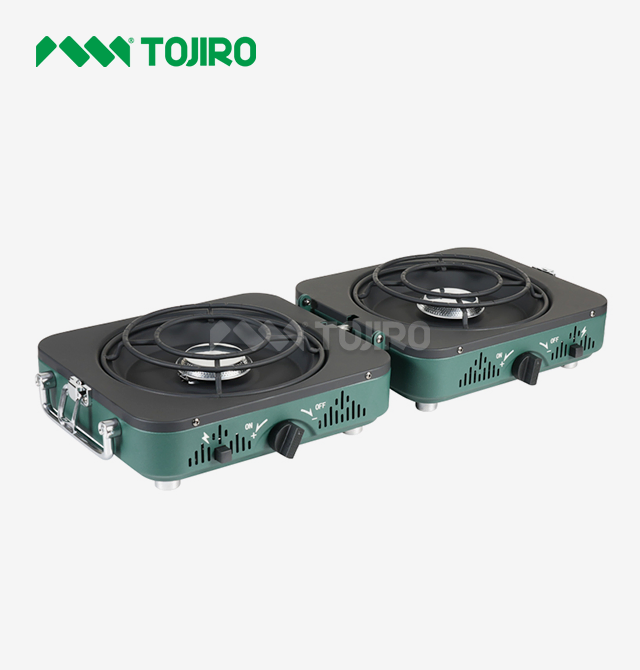
The fundamental operation involves a controlled propane flame that activates when water flow sensors detect demand. Advanced burner systems achieve rapid temperature adjustment within three seconds, delivering water at predetermined temperatures through smart control mechanisms. The portable water heater from TOJIRO is an example of this technology. It has a 10,000W heating power and a 34,000 BTU output, and it can flow 5 liters of water per minute, which is enough for a wide range of business uses.
Exterior Installation Advantages
Putting these units outside of buildings has many practical benefits that site managers and procurement professionals like. Putting things outside gets rid of the need for air inside and makes it easier to do regular upkeep and replace parts. The design lowers the fire risks that come with using gas tools inside, making more room inside for activities that bring in money.
Advanced Control Systems and Safety Features
Newer versions of exterior propane tankless water heater models have advanced safety features that go beyond international standards. Changes in water temperature that could be dangerous are stopped by constant temperature control systems, and gas leaks are stopped by propane safety shutoff valves. Smart app connection lets building managers watch and make changes from afar, so they can get the best performance without having to be at the unit location.
Benefits of Choosing an Exterior Propane Tankless Water Heater
The main reason business sectors are adopting propane units is because they are more energy efficient, and they work better than electric options. The on-demand heating method gets rid of the standby energy losses that plague standard storage systems. This lowers running costs and helps buying departments stick to their budgets.
Cost Efficiency and Energy Savings
Propane tankless systems use a lot less fuel because they precisely control burning and don't need any backup heating. When commercial buildings move from electric or storage-based systems to gas-based ones, their costs go down by a lot. This is especially true in high-demand situations where having constant access to hot water is still important. TOJIRO's system has a 10,000mAh battery that makes sure it can keep running even during times of high demand while still being energy-efficient.
Space Optimization and Installation Flexibility
Installing things on the outside protects valuable space inside and makes following building codes easier when it comes to safety gaps and air. As an alternative to storing heavy water heating equipment, businesses can use the room inside to do more useful things. Modern units are designed to be portable, so they can be placed in different places to fit changing building plans or seasonal needs.
Durability and Maintenance Advantages
A commercial-grade exterior propane tankless water heater can survive harsh weather and keep working at the same level for long periods of time. When a machine doesn't have a fan, the mechanical parts that normally need to be replaced wear out less quickly. Designing parts that are easy to get to makes upkeep simple, which cuts down on downtime and service costs over the life of the equipment.
Comparison and Decision-Making for Procurement Managers
To compare outdoor gas tankless systems to other technologies, procurement workers need a lot of performance data. Key measurements include the amount of gallons that can be processed per minute, how stable the temperature is, and the total cost of ownership, which includes the purchase price, the cost of installation, and the ongoing costs of running the system.
Performance Metrics and Specifications
Flow rate determines whether a system is right for a given job. Depending on the temperature rise needed, industrial units usually deliver between 3 and 8 gallons per minute. TOJIRO's 5-liter per minute capacity is good for medium-demand uses and keeps the temperature output steady. The number of BTUs shows how much heating power a system has. Systems with 34,000 BTUs can easily handle large industrial loads.
Cost Analysis and Return on Investment
Total operating costs are lower with gas tankless systems because they use less energy, need less upkeep, and last longer. For medium to high-demand uses, the initial investment is usually recouped within 24 to 36 months. The price of propane fuel stays steady while the price of electricity changes all the time. This makes budgeting for the long run easier.
Regulatory Compliance and Safety Standards
Modern units have to meet strict safety standards, such as CSA and UL ratings, which make sure they follow local building rules and insurance requirements. Environmental laws are pushing for more efficient burning systems that put out less pollution than older technologies. TOJIRO's manufacturing standards, ISO9001:2015, show that the company is dedicated to quality and following the rules.
Installation Guide and Maintenance Best Practices
The right way to put something makes sure it works perfectly and meets the safety standards needed for business use. As part of the site survey, entry to the propane supply, the necessary clearances, and the electrical links for the control systems and pumps are all looked at.
Site Preparation and Installation Requirements
Local rules say that installation places need to have enough space between them and building openings, property lines, and flammable materials. Propane gas lines need to be able to handle high demand while still regulating pressure properly. Control systems and circulation pumps that allow automated function depend on electrical links.
Routine Maintenance Protocols
Maintaining systems on a regular basis keeps them working well and stops expensive breakdowns that stop activities. Every month, the burner, the heat exchanger, and the safety system are inspected to make sure they are in good shape. Professional service once a year makes sure that the combustion process works at its best and improves the life of the equipment by replacing parts before they break.
Winterization and Cold Weather Protection
In cold climates, certain steps must be taken to avoid freeze damage and keep activities running smoothly. Drain methods get rid of standing water from parts that are weak, and insulation keeps pipes that are visible safe. Exterior propane tankless water heater systems have freeze safety features that turn on the heating elements when the temperature drops below a certain level.
Procurement Considerations and How to Buy?
To choose the right portable water heating solutions, you need to carefully look at the technical specs, the supplier's reputation, and the customer service options. Procurement managers have to weigh the initial investment against the long-term business benefits and make sure they have good ties with their suppliers.
Technical Specification Evaluation
The amount of space needed depends on figuring out the high demand while taking into account how people use the space and how much the temperature needs to rise. The system pressure numbers need to take into account the water pressure in the building while keeping the flow rates constant. Recovery rates show how quickly systems can handle repeated demand cycles when they are busy.
Supplier Selection and Support Services
Reliable providers offer full technical support, warranties, and new parts throughout the entire duration of the equipment. TOJIRO has a guarantee that lasts for one year and comes with helpful customer service and technical support. Customization options, such as ODM/OEM configurations, let you meet particular application needs that standard goods can't.
Bulk Purchasing and Logistics
When businesses buy things in bulk, they can get savings and have their delivery times organized so that they don't clash with project deadlines. TOJIRO's 45-day production cycle lets them meet customer needs quickly while keeping quality standards high. Logistics support includes proper packing, coordinating deliveries, and helping with installation, all of which make the job easier to handle.
Conclusion
Exterior propane tankless water heater systems deliver compelling advantages for commercial applications through energy efficiency, space optimization, and reliable performance. When procurement managers look at water heating options, those that offer instant hot water, lower running costs, and easier upkeep are strong value propositions. TOJIRO's advanced technology, which includes app control, safety features, and ISO-certified production quality, makes these systems the best choice for businesses that need reliable, cost-effective hot water solutions that can be changed to meet new needs.
FAQ
1. What maintenance intervals optimize exterior propane tankless water heater performance?
Visual checks once a month and professional service once a year keep things running at their best and avoid expensive breakdowns. Cleaning heat exchangers and burner parts on a regular basis keeps the equipment running at a high level for as long as it lasts.
2. How do exterior propane units perform in extreme cold conditions?
Modern systems have freeze protection and winterization features that keep them working when the temperature drops below freezing. When installed correctly and with enough insulation, sensitive parts are protected and hot water supply is kept steady.
3. What safety certifications should procurement managers require?
Check for CSA, UL, and ISO certificates that show the product meets North American safety guidelines. TOJIRO's ISO9001:2015 manufacturing approval makes sure that quality control is done at every step of the production process.
Partner with TOJIRO for Superior Exterior Propane Tankless Water Heater Solutions
TOJIRO makes exterior propane tankless water heater systems that work better than expected for business use by combining traditional Japanese artistry with modern industrial technology. Our ISO-certified production methods make sure that the goods we sell are reliable, and we back them up with a full warranty and quick expert support. Whether you need standard setups or OEM solutions that are made just for you, our experienced team can help you in a way that fits your needs. You can email our exterior propane tankless water heater manufacturer team at [email protected] to talk about your project needs and get full quotes that show how committed we are to business excellence and customer happiness.
References
1. Johnson, M. et al. "Commercial Water Heating Efficiency Standards and Performance Analysis." Journal of Building Energy Systems, Vol. 45, 2023.
2. Smith, R. "Propane Tankless Water Heater Installation and Maintenance Guidelines for Commercial Applications." HVAC Industry Standards Manual, 2023.
3. Thompson, L. "Cost-Benefit Analysis of Exterior Propane Heating Systems in Commercial Facilities." Energy Management Quarterly, Issue 3, 2023.
4. Davis, K. "Safety Protocols and Regulatory Compliance for Outdoor Gas Appliances." Commercial Building Safety Review, 2023.
5. Wilson, P. "Environmental Impact Assessment of Propane vs. Electric Water Heating Systems." Sustainable Building Technology Journal, Vol. 28, 2023.
6. Brown, A. "Procurement Best Practices for Commercial Water Heating Equipment Selection." Facilities Management Professional, Q2 2023.

USER EVALUATE
Here is the customer's evaluation of us
_1763607940917.webp)
_1763606719875.webp)