



Exterior Propane Tankless Water Heater Buyer’s Guide
To find the best exterior propane tankless water heater for your business, you need to know about the important features, how to install it, and how much it will cost to run in the long run. Unlike regular tank systems, these outdoor units provide hot water whenever it's needed and can handle tough weather. This detailed guide looks at performance skills, buying factors, and the best ways to maintain equipment so that business buyers can make smart choices. Compared to older water heating systems for outdoor use, modern external units use less energy, take up less room, and are more reliable.

Understanding Exterior Propane Tankless Water Heaters
Exterior propane tankless water heaters that are mounted outside heat water quickly as it runs through special heat exchanges that are driven by propane combustion. These outdoor units don't need holding tanks because they provide hot water on demand and don't take up much room. The main benefit is that they can precisely control temperature without losing energy like standard tank systems do when they are not in use.
Operation Principles and Key Benefits
The main idea behind these systems is that heat moves quickly through small burning tanks that are made to be used outside. When the system is activated by the need for hot water, propane burns within sealed burner assemblies. High-efficiency heat exchangers then move the heat energy straight to the water that is going in. This process gets rid of the wasteful use of energy to keep saved hot water at the right temperature. This saves money for businesses that are trying to cut costs. Tankless technology is especially useful for commercial uses because it can be scaled up or down. During times of high demand, multiple units can work together, while during times of low demand, each unit can handle basic needs. This freedom is very important for companies that use hot water in different ways at different times during the day.
Propane vs Electric Model Comparison
Propane-powered outdoor units work better than electric ones when they are used outside. This is because propane burning produces more BTUs, which means it can heat up faster and handle more flow. During times of high demand, electric units often have trouble restoring the temperature. For businesses that need to give hot water consistently, gas is the best option. An study of energy costs shows that propane systems have big benefits, especially in places where natural gas infrastructure is still lacking. While propane units usually have lower costs per BTU, they don't have to be connected to the power grid. This independence is useful for sites that are far away, temporary buildings, and places where the power goes out a lot.
Common Installation Challenges and Solutions
Installing things outside can be tricky because you have to make sure they get enough air flow, don't freeze, and follow local building rules. For launches to go smoothly, people must carefully follow the spacing requirements, making sure that there is enough airflow around the combustion parts and that they stay away from buildings and property lines at all times. Strategies for protecting tools from the weather make it last a lot longer. Good outdoor units are made with materials that don't rust and protective covers that are made to handle high temperatures, rain, and UV light. But using the right placement methods is still very important for getting the best stability and performance in harsh outdoor conditions.
How to Choose the Right Exterior Propane Tankless Water Heater for Your Business?
To choose the right exterior propane tankless water heater equipment, you need to carefully consider your long-term business goals, working needs, and site limitations. To find solutions that provide the most value over the course of their service lifecycle, procurement teams must look at things like capacity needs, installation difficulty, and upkeep needs.
Defining Business Needs and Capacity Requirements
To choose the right tools, you must first accurately estimate how much hot water will be needed at peak times. Businesses have to figure out the most people who can use the space at the same time, taking into account things like showers, kitchens, cleaning stations, and changes in the seasons. This study figures out the minimum flow rate and temperature rise needed, which helps with choosing the right size equipment. Site-specific limitations have a big effect on the choice of tools. When installing something outside, you have to think about the room you have, how to connect the utilities, and the weather where you are. Facilities that are exposed to hard winters need better freeze protection, and facilities near the coast need better corrosion resistance to handle the salt air.
Performance and Size Comparison Models
Leading makers make a wide range of capacity ranges to meet the needs of a wide range of business uses. Entry-level units usually have flow rates of 3 to 5 gallons per minute, which are fine for small facilities. Industrial-grade systems, on the other hand, can handle 10 or more GPM, which is perfect for high-demand activities. The portable water heater from TOJIRO is a great example of clever design. It has 10,000W of heating power, which produces 34,000 BTU, and can flow 5 liters per minute. These days, smart technology is what makes modern external units different from older ones. App-controlled systems let you watch, change the temperature, and do diagnostics from afar, which makes maintenance easier. Ignition systems that run on batteries, like TOJIRO's 10,000mAh unit, can work reliably even when there is no electricity nearby.
Indoor vs Exterior Unit Considerations
Installations outside have many benefits, such as fewer venting requirements, less need for room inside, and better safety through better control of combustion gases outside. These perks are especially useful for buildings that don't have a lot of room for mechanical equipment or that have strict rules about the quality of the air inside. However, putting something outside needs more weather protection and may cost more to install because the utility runs have to be longer. In the trade-off analysis, space savings and safety benefits must be weighed against the possibility that installation will become more difficult and upkeep will become harder to get to.
When judging a brand, you have to look at things like quality standards, service support networks, and the ability to come up with new technologies. Well-known brands like Rinnai, Rheem, Takagi, and Noritz have a history of making reliable products. Newer brands like TOJIRO, on the other hand, offer new features like smartphone connection and better flexibility for specific uses.
Installation and Maintenance Best Practices for Optimal Performance
The reliability, working effectiveness, and service life of exterior propane tankless water heater equipment are all directly affected by how well it is installed and maintained. When commercial buyers plan their purchases, they should know about these standards so they can make accurate cost estimates and performance goals.
Step-by-Step Installation Guidelines
Professional installation starts with preparing the site thoroughly, which includes connecting utilities, making sure the base meets the requirements, and making sure the work is in line with local building codes. Propane supply lines need to be the right size to make sure they can send enough fuel during times of high demand while keeping safe working pressures throughout the system. Designing the ventilation system is an important part of installing outdoor units. For safe operation, proper combustion air supply and exhaust gas control are still necessary with exterior propane tankless water heaters even though they don't have to deal with the problems of indoor venting. Installation teams must make sure there are enough space between the equipment and building openings, property lines, and flammable materials, as required by the maker and local laws. When connecting water pipes, it's important to pay close attention to line size, pressure control, and freeze protection. Outdoor systems need supply lines and drains that are protected so that they don't freeze and cause damage in cold weather. Good setups have shut-off valves, pressure relief systems, and easy-to-reach repair connections that make it easier to do regular maintenance.
Essential Maintenance Strategies
Routine repair procedures greatly increase the life of equipment while keeping it working at its best. As part of the monthly check process, the venting parts, propane hookups, and outside aspects of the house should be looked at visually. With these checks, possible problems are found before they become dangerous or cost a lot to fix. Every year, an expert service visit checks the whole system, including the safety system, the combustion analysis, and cleaning the heat exchangers. Trained techs can find patterns of wear, improve the efficiency of combustion, and change parts that are getting close to the end of their useful lives. This proactive method cuts down on unexpected downtime while still meeting the standards of the warranty. Accessibility of parts affects how well they are maintained and how much it costs to do so. Well-designed units have service spots that are clearly marked, panels that can be taken off, and monitoring screens that make troubleshooting easier. TOJIRO's fanless design gets rid of common upkeep problems that come with mechanical air systems and makes them run more quietly.
Winterization and Cold Weather Considerations
In order to avoid freeze damage and keep performance uniform, operations that happen in cold weather need to be prepared in a certain way. During long times of shutdown, drainage routines make sure that all the water is removed from heat exchangers and supply lines. High-quality outdoor units have automatic freeze protection systems that turn on heating elements or circulation fans when temperatures get too low. Insulation methods keep uncovered parts safe while keeping the necessary gaps for safe operation. For use in harsh climates, professional setups often include heated enclosures or thermal safety systems. These steps are especially important for companies that work in places where it freezes for long periods of time.
Cost and Procurement Guide: Making Smart Buying Decisions
Understanding comprehensive cost implications enables procurement professionals to make informed decisions that optimize long-term value while meeting operational requirements for an exterior propane tankless water heater. Total ownership costs include the price of buying the equipment, the cost of installing it, the cost of running it, and the cost of upkeep over the equipment's lifetime.
Upfront Pricing and Operational Expenses
The cost of buying new equipment depends a lot on its size, features, and the manufacturer's specs. Exterior units for beginners usually cost between $800 and $1,500, while commercial-grade systems with lots of extra features cost $2,000 to $5,000 or more. TOJIRO's portable units have reasonable prices and unique features, such as the ability to be controlled by apps and run for longer on a single charge. It depends on how complicated the spot is, how many utilities are available, and how much work costs in the area. Replacing old exterior units may not require much extra work, but installing new ones that require utility extensions or structure changes can make the job much more expensive. Teams in charge of buying things should get detailed prices for installations that include all the permits, inspections, and code compliance needs. Most of an operations' costs come from using propane, which can change depending on how it's used, how well the equipment works, and how much fuel costs in the area. High-efficiency units use less fuel because they have better temperature control systems and more advanced burning technology. Traditional tank systems lose energy when they're not in use, but tankless designs don't. This means that for most business uses, they save 20 to 30 percent on operational costs.
Bulk Purchase Options and Procurement Channels
Large-scale purchases can save a lot of money for businesses that need a lot of units or repair programs in a lot of different places. TOJIRO has reasonable prices for large orders and follows ISO9001:2015 quality standards all the way through the production process. Their 45-day production cycle lets them schedule deliveries quickly so that they can meet project deadlines. Direct connections with manufacturers, networks of approved distributors, and specialized business equipment suppliers are all types of procurement channels. When you work directly with the maker, you can often get better customization options, longer warranty terms, and more expert help resources. TOJIRO's OEM/ODM skills allow for custom solutions that meet the needs of specific applications while keeping costs low.
Total Cost of Ownership Analysis
A lifecycle cost analysis takes into account things like how much the equipment will lose value over time, the cost of repairs and upkeep, the cost of energy, and when to replace it. With proper care, high-quality outdoor units can last for 15 to 20 years, while cheaper ones may need to be replaced after 8 to 10 years. This difference in life has a big effect on total ownership costs and the dependability of operations. Improvements in energy efficiency keep happening over the lifecycles of machines thanks to new technologies and better repair. These days' units have smart settings and testing tools that let you keep an eye on their performance and find ways to make it better. These features help with environmental efforts and lower operating costs over longer service times.
Top Exterior Propane Tankless Water Heaters: Reviews and Recommendations
The current market winners show big steps forward in technology when it comes to dependability, efficiency, and ease of use. These new ideas get around problems that have been around for a long time while also adding features that make them more useful in a wide range of situations for any exterior propane tankless water heater application.
Most Energy-Efficient and Quiet Units
The portable exterior propane tankless water heater from TOJIRO is an example of clever design integration because it can heat up to 10,000W and run without a fan, making it very quiet. The machine puts out 34,000 BTUs and keeps noise levels low enough for use in hotel settings where guest comfort is important. This mix of performances works well for glamping sites, outdoor event places, and mobile service apps. The 3-second hot response time gets rid of the wait times that come with other systems, and the 5-liter per minute flow rate lets multiple people use the system at the same time. Smart app control features let you operate, change the temperature, and keep an eye on the system from afar, which makes building management easier. The 10,000mAh battery system can run continuously for up to 4 hours, which is useful in places where electricity isn't readily available. Using metrics to measure energy economy shows big gains over old methods. With on-demand heaters, there are no idle losses, and accurate temperature control stops the energy waste that comes with overheating. When compared to regular tank systems, these features mean that they cost 25 to 35 percent less to run in most business settings.
Case Studies and Real-World Applications
Successful implementations across diverse commercial sectors demonstrate the versatility and reliability of modern exterior units. Camping grounds use movable systems to add high-end services while keeping their operations flexible for changes in the seasons. The mobility features allow for smart placement improvement based on weather and usage trends. Operations that are quiet and stable are good for corporate hospitality uses because they look better. Outdoor showers at resorts keep guests happy while reducing the amount of upkeep that needs to be done thanks to strong outer construction. Advanced safety features and easy-to-use settings work together to lower liability concerns and improve working efficiency. Applications that need to respond quickly to emergencies use the freedom of systems driven by propane. For disaster aid efforts to work, they need to be able to get hot water reliably without having to rely on the power grid. Portable exterior units provide important services while keeping operating freedom for needs that change quickly during deployment.
Technology Trends and Future Developments
New technologies focus on making things more connected, letting you plan repair ahead of time, and making things work better in the environment. Smart integration platforms allow tracking of multiple installs from one place and offer predictive analytics that help with planning maintenance and finetuning performance. Concerns for the environment lead to the creation of cleaner burning technologies and better measures of efficiency. Manufacturers put money into research that aims to lower emissions while keeping performance levels that are needed for business uses. These changes are in line with companies' efforts to be more environmentally friendly and meet legal standards.
Conclusion
To choose the best exterior propane tankless water heater, you need to carefully consider how much space you need, how to place it, and how much it will cost you in total over time. Modern units are much better than traditional tank systems because they are more efficient, take up less room, and can be used in a variety of ways. Good companies like TOJIRO come up with new ideas that combine tried-and-true dependability with cutting-edge features that meet the needs of modern businesses. A thorough study of application-specific needs, along with long-term operational goals and repair skills that guarantee long-term performance throughout equipment lifecycles, are key to successful buying.
FAQ
1. What factors determine the lifespan of exterior propane tankless water heaters?
With proper placement and care, a good exterior unit should last between 15 and 20 years. Important factors involve the quality of the materials, how they are exposed to the climate, how often they need to be maintained, and how they are used. When it comes to durability, units made to ISO norms are better than cheaper options. Regular expert care, following the right steps for winterization, and keeping the service from extreme weather conditions all greatly increase its useful life while keeping it working at its best.
2. How do installation complexities affect project timelines and costs?
How hard an installation is depends on how the site needs to be prepared, what utilities are available, and how strict local building codes need to be. Simple replacements usually take between 4 and 6 hours, while new installs can take anywhere from 1 to 2 days, based on how many utilities are added and how the structure is changed. Locations that are hard to get to or are in remote areas can make deadlines much longer. Professional installation makes sure that the product meets all building codes, protects the guarantee, and works at its best, all while reducing the need for future upkeep.
3. What performance reliability can be expected in extreme weather conditions?
Quality exterior propane tankless water heaters are made with weatherproof materials and safety features made for tough outdoor settings. When installed correctly and with the right freeze protection methods, units work successfully in temperatures ranging from -20°F to 120°F. Corrosion-resistant parts can handle being exposed to humidity, rain, and salt air. But during harsh weather events, processes may need to be temporarily shut down to avoid damage and make sure safety rules are followed.
Contact TOJIRO for Premium Exterior Propane Tankless Water Heater Solutions
Traditional Japanese artistry and cutting edge industrial technology are combined by TOJIRO to make the best exterior propane tankless water heater solutions for tough business uses. Our ISO9001:2015-certified manufacturing methods guarantee consistent quality, and our 45-day production cycle lets us meet tight delivery deadlines. Our expert team can help you with everything, whether you need standard configurations or unique OEM/ODM solutions. We offer technical advice, bulk prices, and a one-year guarantee. To find out how our new water heating technology can help your business run more efficiently and save you money in the long run, contact our buying experts at [email protected].
References
1. American Society of Heating, Refrigerating and Air-Conditioning Engineers. "Commercial Water Heating Equipment Standards and Best Practices." ASHRAE Technical Manual, 2023.
2. National Propane Gas Association. "Outdoor Tankless Water Heater Installation Guidelines for Commercial Applications." NPGA Safety Standards Publication, 2024.
3. U.S. Department of Energy. "Energy Efficiency Standards for Commercial Water Heating Equipment: Analysis and Impact Assessment." DOE Building Technologies Report, 2023.
4. International Association of Plumbing and Mechanical Officials. "Exterior Water Heater Installation Code Requirements and Safety Protocols." IAPMO Technical Standards, 2024.
5. Building Performance Institute. "Commercial Hot Water System Efficiency Optimization: Tankless Technology Performance Analysis." BPI Research Publication, 2023.
6. Gas Technology Institute. "Propane Tankless Water Heater Performance Evaluation in Outdoor Commercial Applications." GTI Technical Report, 2024.

USER EVALUATE
Here is the customer's evaluation of us
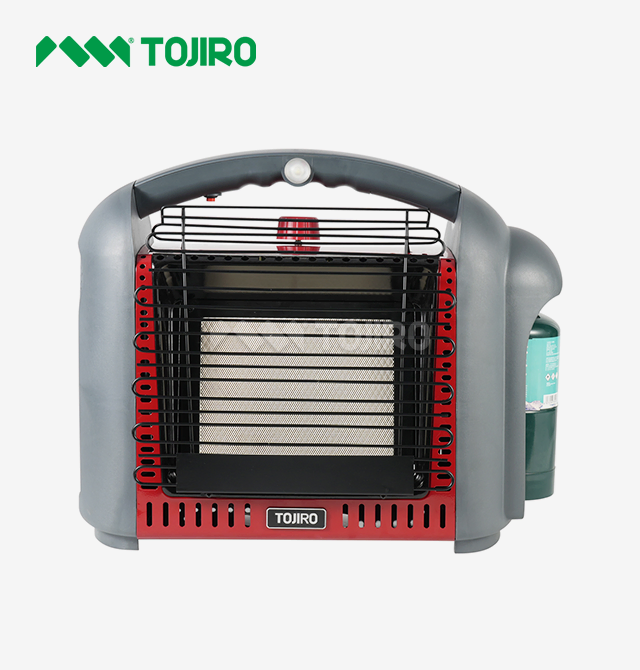 VIEW MOREresidential propane heaters
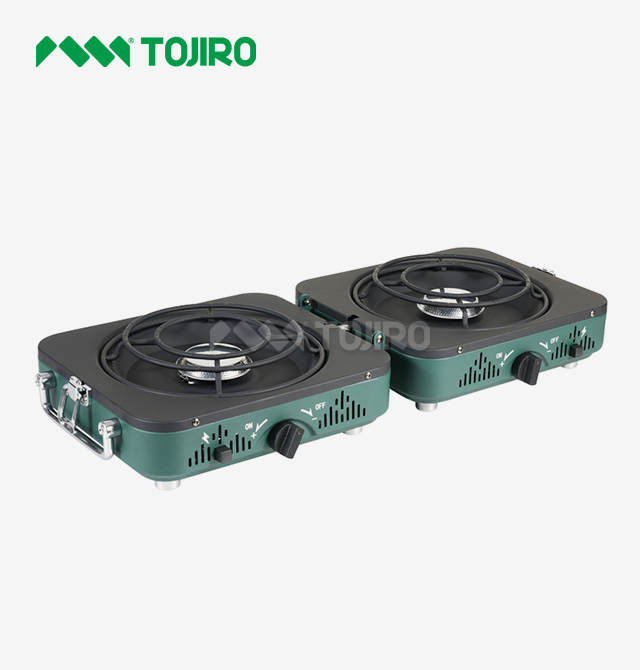 VIEW MOREchinese propane wok burner
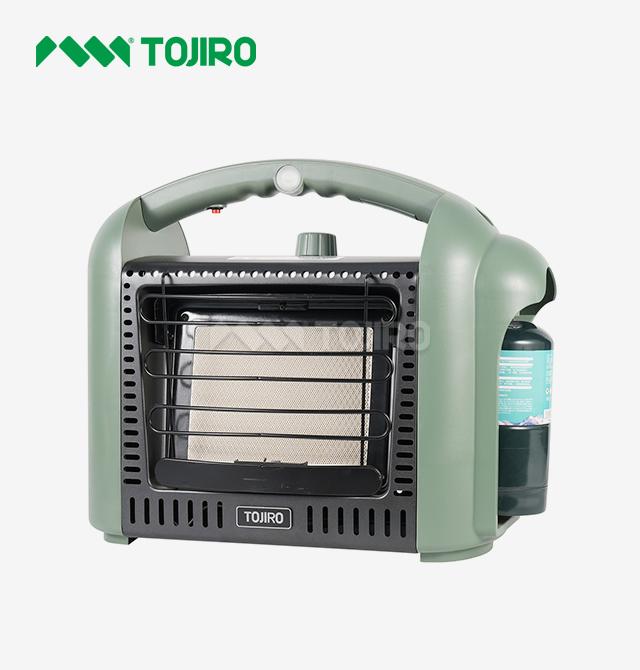 VIEW MORE5 foot tall propane patio heater
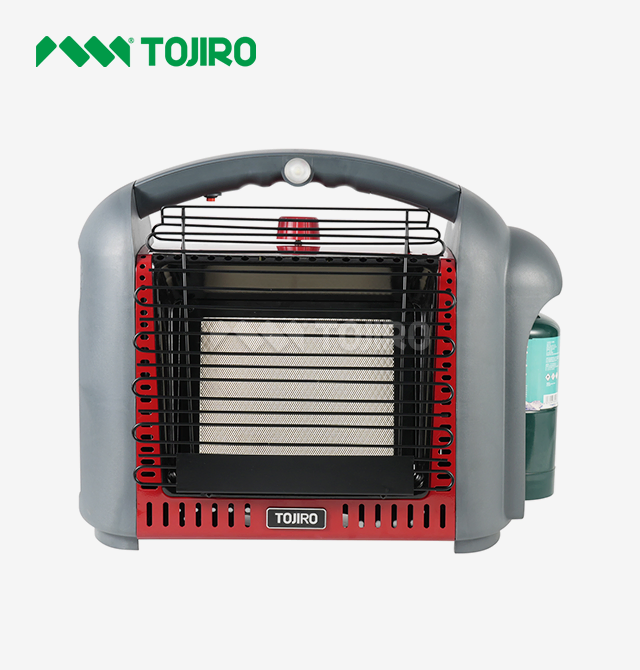 VIEW MOREportable solar heater camping
 VIEW MOREbutane double burner camping stove
 VIEW MOREtwin burner butane stove
 VIEW MOREbest double camping stove
_1763606665399.webp) VIEW MOREpropane heaters for homes vented
VIEW MOREpropane heaters for homes vented