


Compact Kerosene Heater Buyer’s Guide for Indoor Heating
A compact kerosene heater is a great way for businesses, rental companies, and big buyers to heat their buildings efficiently because it doesn't need power to work. These compact heaters burn fuel in a clean way to keep you warm all the time. They are great for workshops, portable buildings, emergency situations, and business spaces that need to make sure heat is spread evenly. Modern gas lamps mix the old-fashioned ability to heat well with new safety features. These heaters are less expensive than electric or gas ones, and they can still be used in many indoor places.

Understanding Compact Kerosene Heaters: How They Work and Their Benefits?
Core Functionality and Operation
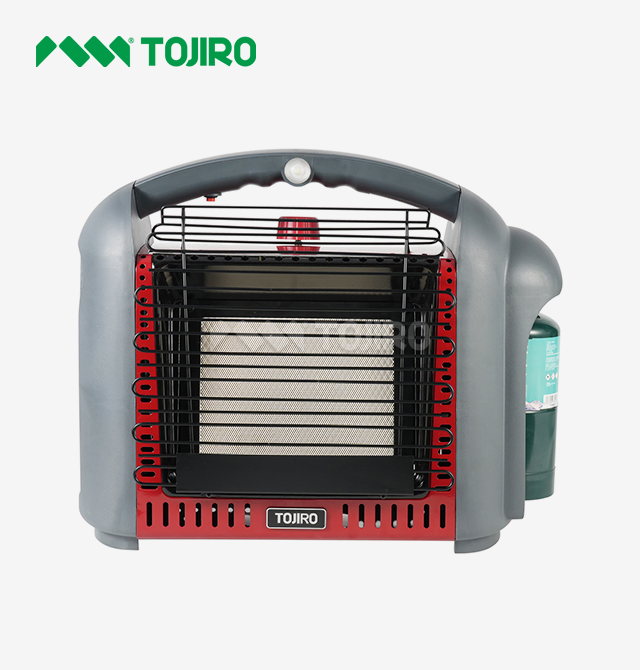
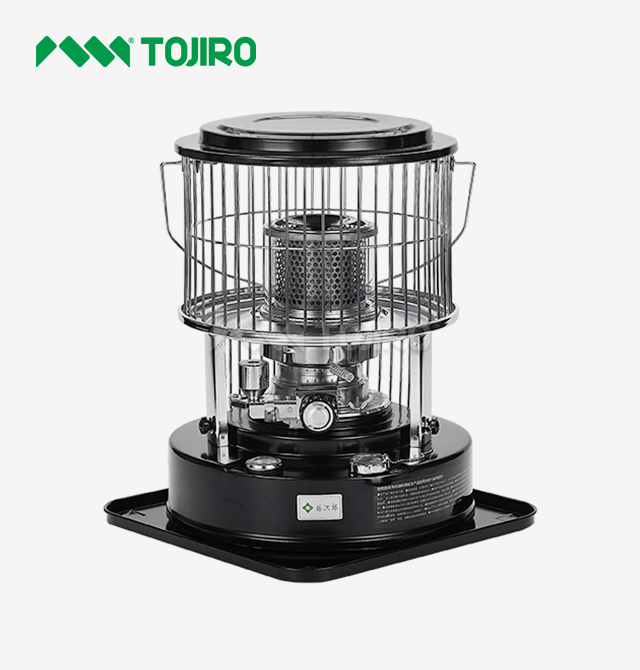
The fuel for a compact kerosene heater is burned through a wick device inside the fuel tank using a complicated but simple burning system. The wick lights the fuel in a controlled burner chamber as it draws from the tank. It creates radiant heat that evenly warms up rooms that are closed off. They work best in places where the temperature needs to stay stable, like shops, workshops, small offices, and portable buildings. This is because of how they are made. These days, gas heaters use electronic ignition systems instead of human burning. This helps keep them safe and makes them simpler to use. This technology is shown very well by the TOJIRO TJR-S85 type, which has an electrical start. It has 2400W of power and can heat up to 8200 BTU. Cold-rolled steel and stainless steel are used to make the unit, which makes it strong and good at moving heat over a 15-square-meter area.
Key Benefits for Commercial Applications
Heating systems that run on oil are useful for more than just keeping you warm. These systems are a lot cheaper than other electric heating choices. This is especially true in places where energy costs are high or where the power source isn't always reliable. With average use rates of 0.23 to 0.26 liters per hour, new gas lamps use less fuel, which means they cost less to run. Portability is another key advantage for businesses that require flexible heating solutions. Unlike fixed electric systems, a compact kerosene heater can be easily relocated to accommodate changing layouts and temporary heating needs. Its small size also makes it ideal for tight or confined spaces where traditional heaters may be impractical or difficult to install.
Safety Considerations and Built-in Protections
Safety is still the most important thing when using gas heater tools at work. Ozone depletion monitors and tip-over switches are important safety features found in modern units. If the heater becomes unstable, these switches stop the flow of fuel. The right amount of air flow must be maintained to keep things safe. There should be enough air flow to keep carbon monoxide from building up and to keep the air healthy inside. It's safe to use because the TOJIRO TJR-S85 type has a fire-shutoff device that cuts the power off right away if it falls over. This built-in safety feature stops the flow of fuel and the engine from starting if the unit falls. This stops any fuel leaks or fire risks that could put the building at risk.
Key Factors to Consider When Choosing a Compact Kerosene Heater
Facility Assessment and Heating Requirements
To pick the right indoor heating choice, you need to carefully look at the building's features and how it will be used. The heater's capacity needs depend on how big the building is, and the heater's output, measured in BTUs, tells you how much area it can heat. People who buy things can find the best standards by using a methodical review method that takes into account things like room, roof height, and the temperature inside the building. You need to think about both the main and secondary heating needs when figuring out how much heat you can use. This TOJIRO TJR-S85 heater puts out 8200 BTU, which is enough for about 15 square meters. It's great for small to medium-sized shops, offices, and temporary buildings. This rule of thumb for size makes sure that the heat is spread out properly without making the machine too big, which could waste fuel and make it work less well.
Comparative Analysis with Alternative Technologies
It's helpful to know the differences between gas, electric, and propane heating systems before you buy one. For times when you don't need to connect to the power grid, kerosene heaters are great. They come in handy when the power goes out or when you're out in the country. It is very helpful for emergency response groups, hire businesses, and businesses that offer outdoor activities to have the fuel freedom factor. The cost of running a gas heater is generally less than that of an electric heater, especially in places where electricity is very expensive. The starting price of the tools is still reasonable, and it's easy to see how the cost of fuel will help your budget. Kerosene systems are better than permanent power sources because they can be moved around and used in different places or with different building layouts.
Brand Selection and Procurement Considerations
Well-known brands can ensure reliability through track records and large support networks. TOJIRO is a good choice because it makes sure its products meet international ISO quality standards. It does this by combining traditional Japanese craftsmanship with modern industrial technology. With a 45-day production cycle, the company can quickly set up deliveries for big orders, and their customization choices meet the needs of ODM/OEM customers in different markets. Estimates of the total cost of ownership depend a lot on the terms of the guarantee and how easy it is to get care after the sale. The one-year guarantee from TOJIRO covers issues with the way the product was made, and extra technology support makes sure that business keeps going. When you buy in bulk, you can save a lot of money, get things done faster, and give customers a choice of packages based on their needs.
Maintenance, Cleaning, and Troubleshooting Guide for Compact Kerosene Heaters
Routine Maintenance Best Practices
To ensure reliable performance and long service life, compact kerosene heater units require structured maintenance. Regular inspection and trimming of the wick help maintain smooth combustion and prevent uneven burning, which can reduce heat output and fuel efficiency. Wick maintenance is typically recommended after the first 500 hours of use or monthly during periods of heavy operation, ensuring consistent heating performance and optimal energy utilization. The fuel you pick is very important for keeping the smoke level high and lowering the maintenance that needs to be done. Better oil burns more cleanly than worse oil, which stops carbon from building up and extends the life of parts. The fuel that the TOJIRO TJR-S85 uses is good for the environment and burns cleanly with little to no waste and smell. To take care of a tank, you need to check it every day for rust, store fuel properly, and clean it every so often to get rid of sediment buildup. Empty and clean the fuel tanks once a year or whenever you switch fuel sources to keep the burner from becoming polluted, which could make it work less well.
Step-by-Step Cleaning Instructions
To clean the inside of a burner unit safely, it needs to be carefully taken apart following the directions given by the maker. Use the right chemicals to clean the burner chamber and get rid of carbon deposits and other waste from the burning process that can block the flow of air and heat. How often you clean it depends on how often you use it. When it's busy, cleaning should be done once a month for business use. Clean the wick gently with kerosene after carefully taking it out of the holder. This gets rid of carbon buildup and other dirt. Replacement wicks should be available as extra parts so that there is less downtime when cleaning doesn't work. Once in a while, you should check the automatic starting system to make sure it always works. It's important to check the electrical links for rust or broken contacts.
Common Operational Issues and Solutions
It's usually because of something wrong with the electrical system, dirty fuel, or wicks that are too worn out to light. First, check how much fuel there is and how good it is. Next, check to see if the electrical links and starting parts are broken. If you have a bad spark, it's likely that the wick needs to be changed or that the fuel is dirty and needs to be drained and used again with clean oil. It's possible that the fuel is dirty, there isn't enough air flow, or the wick height isn't set right if you smell something bad while the burner is going. Professionals should keep operation logs that list performance factors. This way, problems can be found quickly, before they cause the equipment to break down or cause safety issues.
Top Products and Market Insights: Best Compact Kerosene Heaters for Indoor Use
Leading Models and Performance Metrics
Numerous excellent compact kerosene heater models made for business and professional use will be available on the market for home heating. The amount of heat it can make, how well it uses fuel, its safety features, and how regularly it works in tough conditions are all things that are used to judge its performance. The TOJIRO TJR-S85 is the best on the market right now because it has many safety measures, a 4.3-liter fuel tank, and 2400W of power. All over the business world, ratings for energy efficiency have gone up a lot. This is because newer units get better heat-to-fuel ratios by managing airflow better and having more advanced designs for combustion chambers. The TJR-S85 can run for about 13 hours straight on a single tank, using only 0.23 to 0.26 liters of fuel per hour. This means that longer missions can happen without having to stop to refuel. Levels of noise are becoming more and more important for use in the office. Better burner designs and sound damping are being worked on to make machines run more quietly. With these changes, you can use them in noisy places like shops, businesses, and hotels without having to stop what you're doing.
Technological Enhancements and Smart Features
If combustion technology changes, they will mostly be made to protect the environment and make things safer by burning fuel more fully and making less pollution. Modern burner designs make the best use of the amounts of air and fuel that are available. This means that the fuel burns cleaner with fewer smells and the indoor air quality is better managed. They are safer when they have remote controls, which some types have. You can change settings and check on speed without putting yourself in danger. Quality manufacturers now all use oxygen monitor technology as standard. When the air quality drops below a certain level, the machine turns off by itself. New safety standards say that the TOJIRO TJR-S85 has a built-in tip-over protection and a fast fuel shut-off feature.
Strategic Bulk Procurement Guidance
Leveraging minimum order quantities is an effective strategy for securing better pricing on bulk purchases. For example, a 500-unit minimum order can significantly reduce per-unit costs, making compact kerosene heater solutions more economical for large-scale operations. Additionally, a production lead time of around 45 days supports efficient planning for seasonal demand cycles and inventory management. As long as replacement parts are available, long-term activities can go on. Wicks, lighting elements, and safety monitors are just a few of the important parts that are easy to get through established distribution networks. When you buy something, full guarantee terms and installation service options protect your investment. They also make sure that the right tools are used and that ongoing help is available.
Safety and Regulatory Compliance: Ensuring Risk-Free Operation Indoors
Regulatory Standards and Certification Requirements
Gas heating equipment used inside must follow strict safety rules set by the right officials in North America and Europe. Certification standards like GB/T38522-2020 are met by the TOJIRO TJR-S85. These make sure that the design and quality of the making of the tools meet safety standards. Some of the important things that these licenses cover are how strong the building is, how well the safety system works, and how much pollution it makes. Standards for installation say that there must be enough ventilation systems to keep the air inside healthy and stop carbon monoxide from building up. Professional construction instructions tell you how to figure out how much air you need, how to handle an emergency, and how far away you need to be from burning materials. Insurance standards are backed up by proof of compliance, which keeps business owners safe.
Risk Mitigation and Emergency Preparedness
To keep fires from happening, you need to follow safety rules in a planned way. Some of these rules are regularly checking tools, using fuel properly, and planning how to handle an accident. In small areas, carbon monoxide detectors add another level of safety. Their job is to send out automatic alerts that let people act quickly when something dangerous happens. People who work for you should know how to properly handle things, tell when something is wrong with the tools, and know what to do in a situation. Proof that training was finished helps with compliance checks and shows that the right safety management procedures are being used.
Conclusion
When shopping for an indoor compact kerosene heater, you should carefully consider how well it heats, what safety features it has, how much maintenance it needs, and whether it meets government standards. Heaters from the past have changed to meet today's safety and performance standards, as shown by units like the TOJIRO TJR-S85. It's still independent and efficient, which are two things that make gas heating a good choice for businesses. It can heat up to 2400W, has better safety features, and is built to last. These factors make it a good choice for many home heating needs in various businesses.
FAQ
1. Are compact kerosene heaters safe for indoor use?
Modern compact kerosene heater units incorporate comprehensive safety features designed specifically for indoor operation. Some important safety features of the machine are tip-over switches, air depletion monitors, and automatic fuel shut-off systems. These features make it safer to use the machine inside. Good air flow is still very important. The air quality inside is healthy and carbon monoxide doesn't build up when there is enough air flow.
2. What type of fuel should be used in kerosene heaters?
High-grade oil works better and lasts longer than lower-quality choices. Eco-friendly fuel is used in the TOJIRO TJR-S85 because it burns cleaner and makes fewer fumes than regular oil types. It depends on the type of fuel on how much maintenance needs to be done. Premium fuels keep carbon from building up and make the wick last longer.
3. How long can I expect a compact kerosene heater to last?
How long something lasts depends on how often it is used, how well it is taken care of, and the situations where it is used. Professional units, like the TOJIRO TJR-S85, which is made of cold-rolled steel and stainless steel, are meant to be used continuously in a business setting for 10 to 15 years. Keeping up with maintenance and using the right fuel will greatly extend the life of an operation and keep it running smoothly.
Partner with TOJIRO for Reliable Compact Kerosene Heating Solutions
With our tried-and-true TJR-S85 compact kerosene heater and full range of B2B services, TOJIRO is ready to help you heat your home. We are committed to quality through international ISO standards, traditional Japanese craftsmanship, and cutting-edge production methods. This means that you can count on us to get reliable results for tough business uses. Companies that sell compact kerosene heater units can take advantage of our low prices, flexible ODM/OEM customization options, and quick 45-day production processes that can meet the needs of busy deployment plans. Email us at [email protected] to talk about your specific heating needs and find out how our one-year promise and specialized technical support can help your business.
References
1. American Society of Heating, Refrigerating and Air-Conditioning Engineers. "Guidelines for Portable Heating Equipment in Commercial Applications." ASHRAE Standards Publication, 2023.
2. National Fire Protection Association. "Safety Standards for Kerosene Heaters in Indoor Environments." NFPA Code Requirements Manual, 2024.
3. International Organization for Standardization. "Performance Standards for Portable Fuel-Burning Heating Appliances." ISO Technical Specifications, 2023.
4. Occupational Safety and Health Administration. "Workplace Safety Guidelines for Alternative Heating Systems." OSHA Publication Series, 2024.
5. Environmental Protection Agency. "Indoor Air Quality Standards for Combustion Heating Equipment." EPA Regulatory Guidelines, 2023.
6. Building Officials and Code Administrators International. "Commercial Building Codes for Portable Heating Appliances." BOCA Standards Manual, 2024.

USER EVALUATE
Here is the customer's evaluation of us