



Why Choose a Portable Dual Burner for Mobile Kitchens?
Mobile kitchens need cooking equipment that offers restaurant-standard portable dual burners without sacrificing flexibility or space economy. The portable twin burner is perfect for food trucks, catering companies, and outdoor commercial kitchens, offering dependable dual-heat sources for concurrent culinary chores. Compact but powerful, the machines combine professional-grade output with mobility, giving operators the ability to swiftly construct complicated menus while adjusting to a wide variety of service contexts. The systems provide independent temperature control for two burners, eliminating bottlenecks during peak service hours and increasing productivity in restricted square footage.
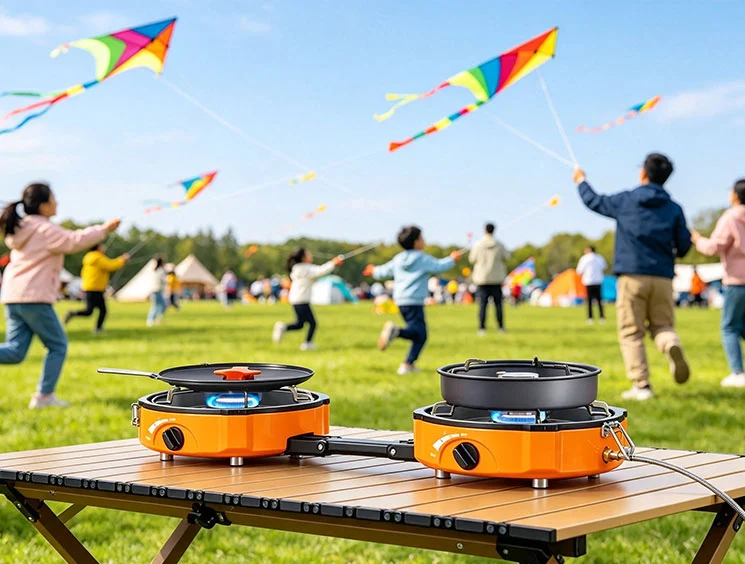
Understanding the Value of Portable Dual Burners in Mobile Kitchens
Versatility Across Multiple Fuel Types
Today’s mobile kitchen operators benefit from equipment that can be adapted to different fuel sources, depending on location and operating needs. Gas units are best for fast cooking methods and great heat production, while electric ones are cleaner to use in environments with tight emission rules. The TOJIRO portable dual burner can use both European high-altitude gas cylinders and US-standard propane tanks, providing operators with choice in diverse markets and servicing areas. This fuel adaptability is essential when working at outdoor events, indoor conferences, or distant catering venues where particular fuel types may be more easily accessible.
Increased Cooking Capacity Through Dual Heat Sources
Two separate burners working concurrently revolutionise the efficiency of workflow. Professional-grade devices have 2.8kW of power and 10,000 BTU output per hob — enough heat to boil, sauté, and simmer simultaneously. The double-capacity design enables kitchen workers to produce appetisers while finishing off main meals, decreasing overall cooking time by roughly half compared to single-burner settings. Its separate heat controls allow delicate sauces to simmer on one side, while proteins sear at high temperatures on the other, maintaining the quality standards clients demand from professional food service businesses.
Exceptional Portability Without Performance Compromise
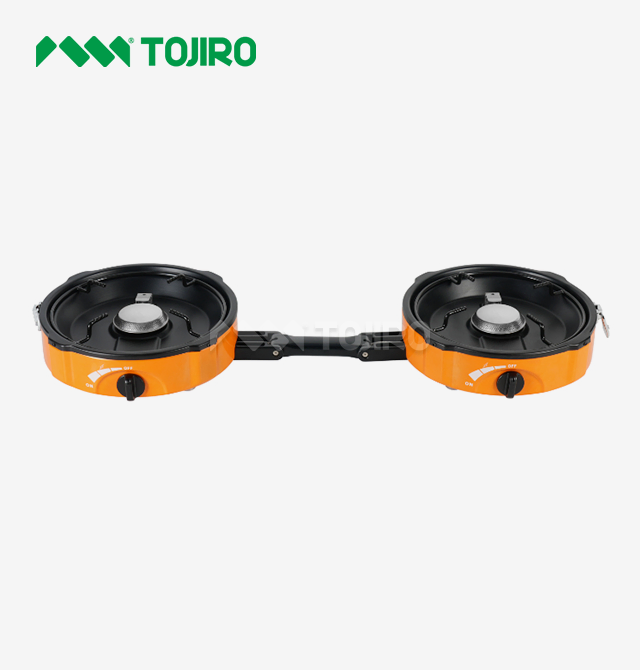
For mobile kitchens, weight and footprint are king – every inch of space counts. Good two-burner systems weigh around 3.4kg for the stove itself, 4.3kg with the packing, and are light enough for one person to carry and set up. These units are small in size but are manufactured from cold-rolled steel for structural stability, and the furnace body and water pan are protected with a spray coating. The black furnace frame is finished with high-temperature paint that can endure continuous use. For durability in demanding commercial environments, stainless steel burner heads and copper valve bodies are fitted with braided tubing.
Comparison of Portable Dual Burners with Other Cooking Solutions
Performance Differences Between Single and Dual Burners
Although single-burner units may appear to be a cost-effective option initially, they generate operational inefficiencies that affect service speed and menu complexity. The sole heat source implies that only one dish may be prepared at a time, which prolongs the time required to prepare meals and restricts the options available during busy periods. Dual-burner designs overcome these limitations, allowing for simultaneous cooking that maintains food quality and accommodates larger client loads. And the capacity to maintain sauces at serving temperature on one hob and proteins on the other is a basic operational benefit that immediately influences revenue potential.
Gas Versus Electric Models in Mobile Applications
The choice of fuel has a major influence on operating expenses, maintenance of the equipment, and the flexibility of service. Dual burners often heat up quicker and provide a greater top heat than electric burners. They operate on gas. This is an advantage for cooking methods that need high heat. Their independence from electrical infrastructure is vital in outdoor settings or regions with limited electricity availability. Electric variants provide perfect temperature control and remove the dangers of open flames, making them ideal for interior settings with rigorous fire safety regulations. The choice of fuel type should be based on the service locations that operators mostly use, the menu needs, and the venue rules and regulations.
Weight and Space Optimization
Mobile kitchen designers need to combine cooking capacity with truck weight restrictions and workstation ergonomics. Small dual-burner units provide the same range of functions as a commercial range of the same size, but have a smaller footprint. Professional units have characteristics including folding proportions that fit common storage compartments without needing bespoke installations. Its efficient design provides operators with the room they need to add food prep spaces, storage, or more equipment that may improve overall kitchen performance and service capabilities.
How Portable Dual Burners Solve Common Mobile Kitchen Challenges
Enhancing Cooking Efficiency and Speed
Time is money in commercial food service. The quicker the ticket times, the happier the customers and the more money is made. The portable dual burner systems with pressure-regulating valves provide a constant gas supply throughout operation, eradicating flame variations that cause uneven cooking or longer preparation times. Stable heat distribution means chefs can expect consistent outcomes without continual control adjustments, so they can concentrate on the quality of cuisine, not the management of equipment. This dependability is especially important during high-volume service when kitchen workers must fulfill many requests concurrently under the constraint of time.
The professional units include one-piece ignition systems that do not need additional lighters or matches, saving setup time and making the situation safer. Fast ignition implies a quicker time to operating temperature, which means more productive hours of cooking within the restricted service window. It can hold cookware with bottom diameters of 10 cm- 20 cm. It is suitable for different pots and pans, so no need to buy specific pots and pans, which would raise the initial investment cost.
Safety Features and Standards Compliance
In most places, commercial cooking equipment has to fulfil strict safety regulations to be used lawfully. Quality manufacturers provide items that may be obtained with the relevant certifications, such as CSA, ETL, and UL approvals, needed for US markets. TOJIRO portable dual burner goes through thorough testing, and the packaging is intended to withstand drop tests from one metre height at eight different angles to make sure that items arrive in perfect condition and are ready to be used safely. Built-in safety features such as flame failure devices instantly cut off the gas supply if the burners abruptly go out, avoiding the hazardous buildup of gas that might cause fires or explosions.
Equipment Longevity and Maintenance Protocols
The ROI on mobile kitchen equipment is mostly dependent on how long the equipment is in use and the amount of maintenance required. The Construction Materials directly influence the durability under circumstances of commercial use. Cold-rolled steel bodies with protective coatings withstand corrosion from food acids, cleaning chemicals, and environmental exposure. The stainless steel burner heads are still doing well after several heating cycles, and the copper valve bodies are withstanding wear from numerous adjustments. This rugged design minimises the frequency of replacement, reducing long-term equipment costs while preserving constant performance throughout the product lifespan.
Reliable spare part availability and manufacturer assistance may greatly increase the useful life of equipment. TOJIRO provides one-year warranties on all items and keeps an inventory of parts to help with repairs as required. Replacement units or components may be received within suitable time frames with a manufacturing cycle of 45 days, so that operations are not unduly disrupted. For operators who rely on equipment uptime to keep their businesses running, the manufacturer’s dedication to after-sales servicing is reassuring.
Making an Informed Procurement Decision
Evaluating Supplier Credibility and Support
Successful mobile kitchen operations require partnerships with manufacturers who understand commercial food service demands. Companies operating since 2013 with dedicated 10,000-square-meter facilities demonstrate the infrastructure necessary to support consistent production quality and delivery schedules. ISO9001:2015 certification indicates systematic quality management processes that ensure product consistency across production runs. These credentials matter when purchasing equipment in bulk quantities, as they reduce quality variation risks that can complicate inventory management and customer satisfaction.
Manufacturer responsiveness to custom packaging requirements and certification needs indicates flexibility valuable to businesses serving diverse markets. The ability to apply for various certifications enables operators to enter regulated markets confidently, while custom packaging options help differentiate products in competitive retail environments. These customization capabilities prove particularly valuable for businesses pursuing private-label strategies or serving niche market segments with specific regulatory requirements.
Understanding Total Cost of Ownership
Purchase price represents only one component of equipment investment analysis. Operational costs, including fuel consumption, maintenance expenses, and the expected lifespan of portable dual burners, significantly impact total ownership costs over equipment life cycles. Efficient burner designs optimize fuel use, reducing ongoing operational expenses that accumulate substantially over years of daily use. Durable construction minimizes repair frequencies and extends replacement timelines, spreading initial investment across more service hours. When evaluating competing products, calculating cost per service hour or cost per meal prepared provides a more accurate value assessment than purchase price alone.
Bulk Purchasing Advantages and Logistics
Volume purchases typically unlock significant per-unit cost reductions that improve profit margins or competitive pricing flexibility. Minimum order quantities of 1,000 units may seem substantial, yet they reflect production efficiencies that translate to better pricing for buyers. Lead times of 45 days require advance planning but remain reasonable for seasonal inventory building or business expansion initiatives. Buyers should coordinate delivery schedules with warehouse capacity and anticipated sales velocity to optimize inventory turnover while avoiding stockouts during peak demand periods.
Best Practices for Using Portable Dual Burners in Mobile Kitchens
Optimizing Fuel Efficiency and Temperature Control
For the best fuel efficiency without sacrificing cooking performance, make sure your hob is properly adjusted. As much as possible, keep the burners on a moderate setting to prolong the fuel supply and save operating expenses. Flames that extend beyond the bottom of a pot heat the air around the pot, not the food; thus, matching hob output to cookware size is an easy way to avoid wasting heat. Lids save time and fuel reaching desired temps while boiling liquids by trapping heat. These modest tactics add up to substantial cost savings over daily service without impacting meal quality or speed of delivery.
Safe Handling in Mobile and Outdoor Environments
The safety issues for mobile kitchens are not the same as those for permanent commercial operations. Proper ventilation is necessary to avoid harmful gas build-up, especially while working in confined areas, like the inside of food trucks. Securing equipment to prevent movement during vehicle travel also protects against damage and preserves the integrity of safety mechanisms. Routine examination of gas connections and hoses will find wear before breakdowns occur, eliminating leaks that may lead to fires and health problems. Teaching personnel how to properly ignite and shut down equipment in an emergency builds a culture of safety that protects employees and consumers.
Extending Equipment Life Through Proper Care
Daily cleaning keeps food residue from building up and interfering with hob function and causing fire dangers. Thermal shock may harm components; therefore, always let equipment cool down fully before cleaning. Use proper cleaning chemicals that do not erode protective coatings or metal parts so as to retain the structural integrity. Professional examination at set intervals will identify wear patterns or potential problems before they produce breakdowns, enabling scheduled maintenance rather than emergency repairs that interrupt operations. These maintenance practices help maximise the return on your equipment investment, while guaranteeing consistent performance across the product’s lifetime.
Conclusion
The right choice of cooking equipment is a key element in the success and profitability of mobile kitchen operations. Portable dual burner systems provide the cooking capacity, fuel flexibility, and dependability needed for commercial food service, while offering the mobility required for mobile operations. Quality construction of cold-rolled steel, stainless steel, and copper provides longevity under severe commercial applications. Safety certificates and manufacturer support give assurance that the equipment satisfies regulatory criteria and will help if problems develop. A judicious assessment of the total cost of ownership, supplier reliability, and operational needs enables procurement managers in competitive food service industries to pick equipment that gives long-term value and supports company development targets.
FAQ
1. What fuel type offers the best performance for mobile kitchen operations?
Gas-powered units generally provide superior heat output and faster cooking times compared to electric alternatives, making them preferred for high-volume operations. Propane availability remains consistent across most regions, while units accepting multiple cylinder standards offer maximum flexibility. Electric models suit indoor venues with readily available power and strict emission regulations.
2. How often should portable dual burners undergo professional maintenance?
Scheduling a professional inspection annually ensures optimal performance and identifies potential issues before causing failures. Daily operator cleaning and weekly detailed maintenance checks catch most problems early, extending service intervals. High-volume operations may require more frequent professional servicing depending on usage intensity.
3. Which manufacturers offer reliable products for bulk purchasing?
Established manufacturers with ISO9001:2015 certification and demonstrated production capacity provide the consistency necessary for volume orders. Companies offering customization capabilities, comprehensive warranty coverage, and responsive customer support deliver superior long-term value beyond initial purchase price considerations.
Partner with TOJIRO for Reliable Portable Dual Burner Solutions
TOJIRO combines traditional Japanese precision engineering with modern manufacturing capabilities to deliver commercial-grade cooking equipment that meets international quality standards. Our portable dual burner manufacturer credentials include ISO9001:2015 certification and comprehensive testing protocols ensuring every unit meets stringent performance and safety requirements. With minimum orders of 1,000 units and consistent 45-day production cycles, we support businesses requiring reliable inventory for seasonal demand or expansion initiatives. Our ODM and OEM capabilities enable custom packaging and certification applications tailored to your target markets. Contact our team at [email protected] to discuss your specific requirements and discover how our one-year warranty and dedicated support can enhance your mobile kitchen operations.
References
1. National Fire Protection Association. (2021). "Safety Standards for Commercial Cooking Equipment in Mobile Food Service Operations." NFPA Journal of Applied Fire Science.
2. Johnson, Michael & Chen, Lisa. (2022). "Fuel Efficiency Comparison in Portable Commercial Cooking Systems." International Journal of Hospitality Management, Vol. 48, pp. 112-127.
3. Food Truck Operator Magazine. (2023). "Equipment Selection Guidelines for Mobile Kitchen Success." Annual Industry Report, pp. 34-56.
4. American Gas Association. (2022). "Commercial Propane Appliance Safety and Performance Standards." Technical Reference Manual, 8th Edition.
5. Roberts, Sarah. (2023). "Total Cost of Ownership Analysis for Mobile Kitchen Equipment." Journal of Food Service Business Research, Vol. 26, No. 3, pp. 289-307.
6. International Mobile Catering Association. (2024). "Best Practices for Equipment Procurement in Food Truck Operations." Professional Development Series, Issue 12.

USER EVALUATE
Here is the customer's evaluation of us
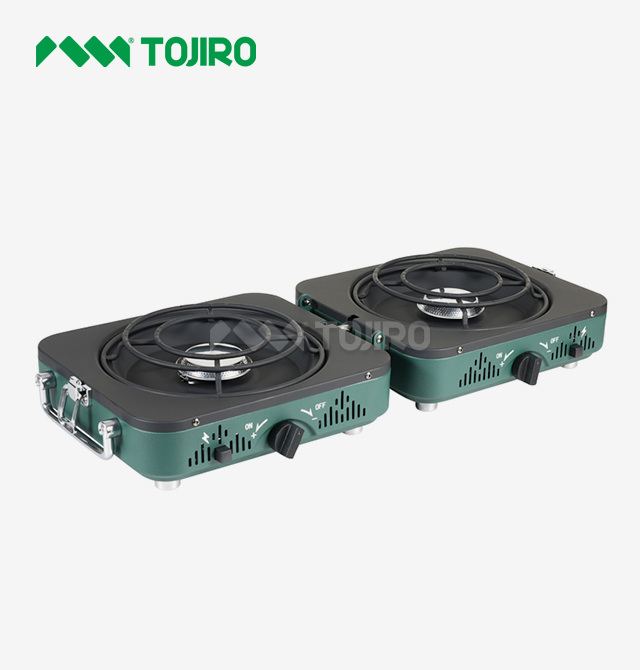 VIEW MOREdouble portable camping stove
_1763619738116.webp) VIEW MORE12 volt water heater for rv
VIEW MORE12 volt water heater for rv_1763607842349.webp) VIEW MOREoutdoor standing propane heater
VIEW MOREoutdoor standing propane heater_1763607881538.webp) VIEW MOREpropane heater for mobile home
VIEW MOREpropane heater for mobile home_1763607672511.webp) VIEW MOREpropane standing patio heater
VIEW MOREpropane standing patio heater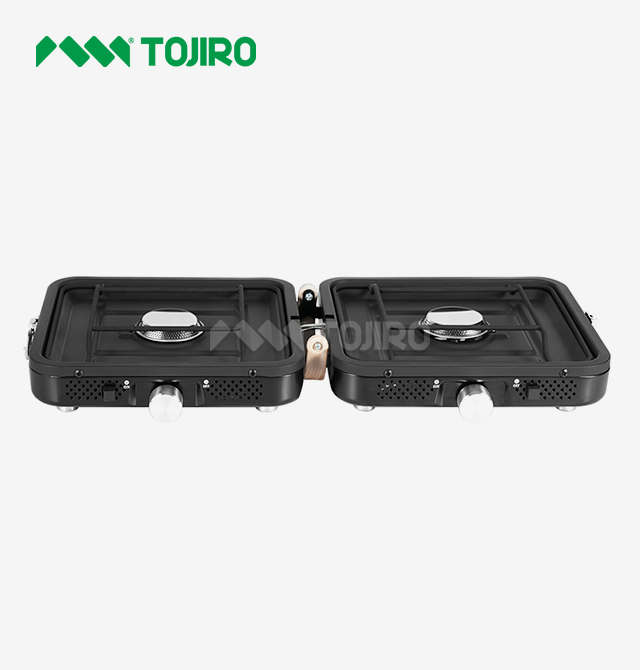 VIEW MOREbutane double burner camping stove
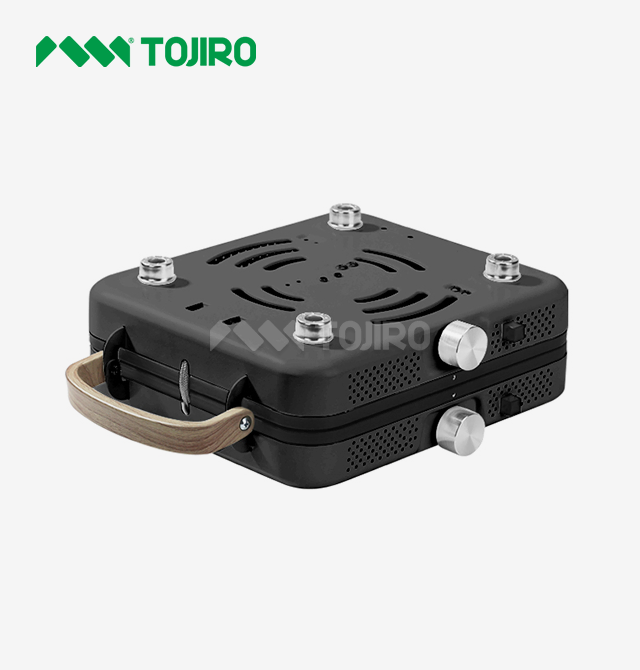 VIEW MORE2 burner butane stove with plate
 VIEW MOREbest double camping stove