


Best Portable Heater for Outdoor Camping: A Buyer’s Guide
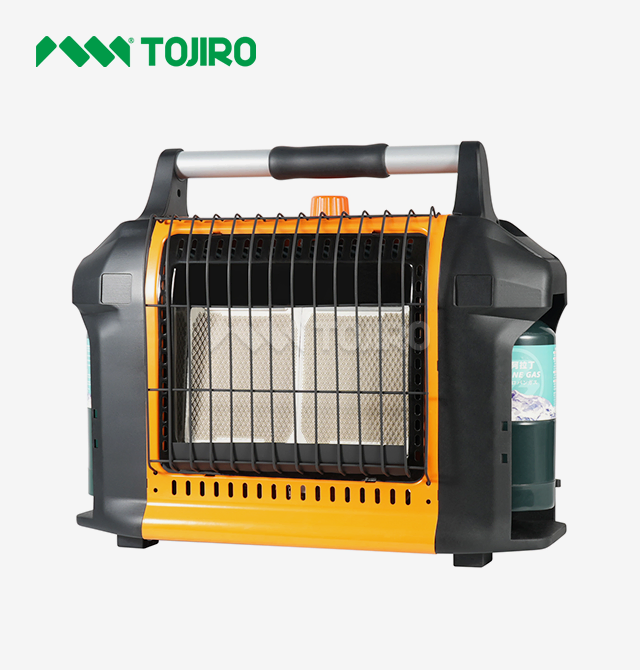
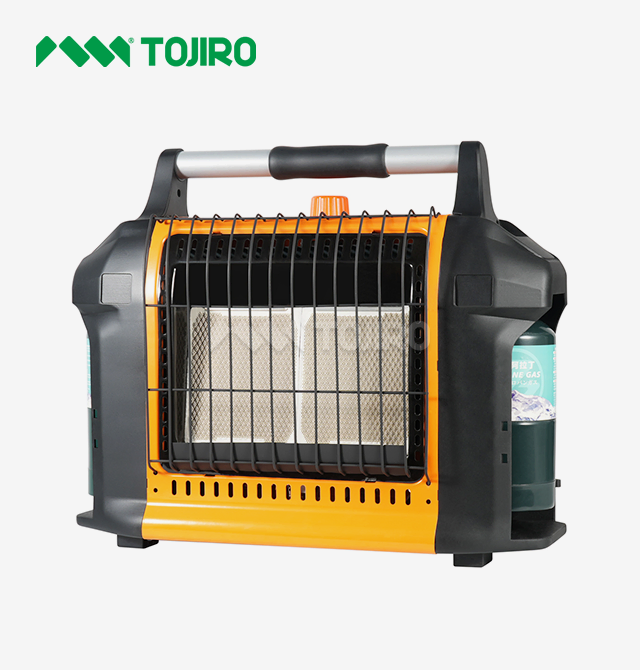
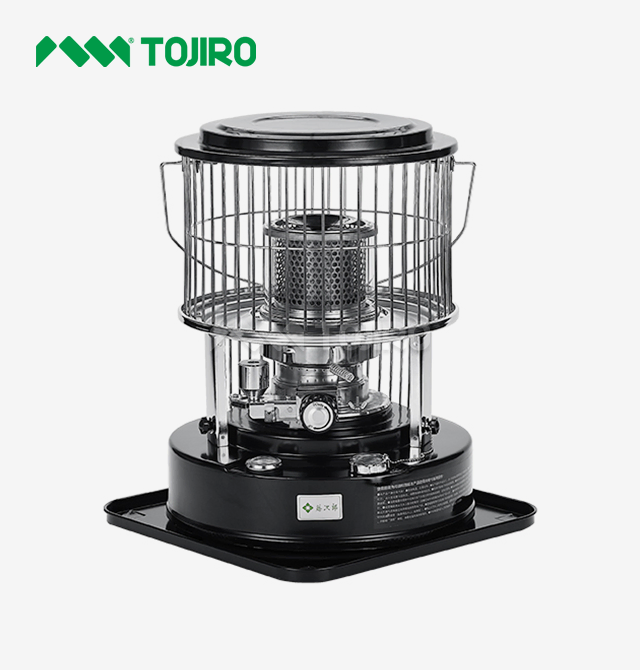
Choosing the finest portable heater outdoor camping is about finding the right balance of heat production, portability, fuel economy, and safety features to keep you comfortable in unexpected wilderness circumstances. As outdoor lifestyle manufacturers increase their range of products, it’s important to grasp the unique benefits of propane, electric, and multi-fuel heating systems. TOJIRO GH25-18B (Third Generation) Modern camping heaters have a power of 5200W and a weight of only 4.8kg; in 5-10 minutes, you can turn frigid tents into toasty shelters. This book outlines important specs, safety procedures, and procurement tactics to assist brand owners and product directors in finding heating solutions that appeal to adventurous customers looking for dependable warmth on lengthy wilderness outings.

Understanding Portable Heaters for Outdoor Camping
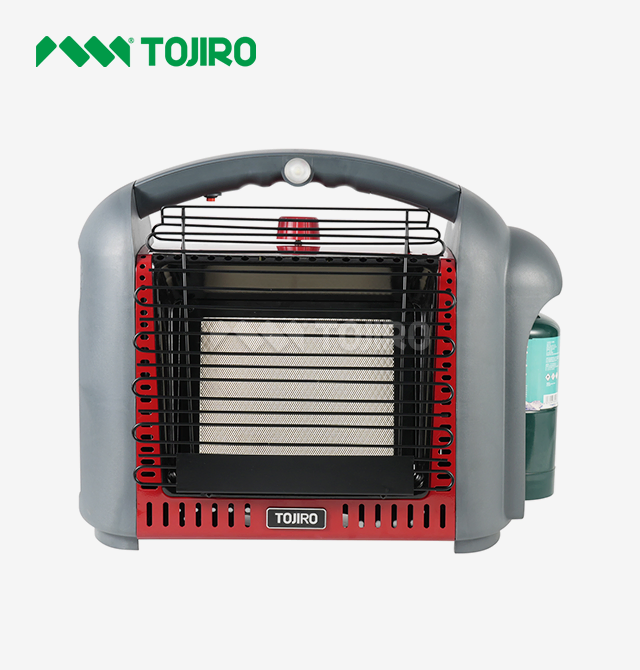
Portable camping heaters work in different ways, which makes them suitable for different outdoor situations. The most common kind of burner is the propane burner, since it produces a lot of heat and doesn’t need electricity to run, making it a good choice for isolated settings. These devices burn pressurised gas to provide radiant heat that passes through tent walls and heats the inhabitants directly rather than just circulating air.
How Propane Heaters Work in Outdoor Environments
Propane heaters combine fuel vapour and oxygen in a regulated combustion chamber. Flames heat ceramic plates or metal grids. The TOJIRO GH25-18B has a voltage ignition and a pressure-regulating valve, which ensures a fuel consumption of 188g/hour at any altitude. This accuracy provides steady performance whether camping at sea level or at altitudes in mountains where the oxygen density varies. Cold-rolled steel structure handles recurrent temperature cycles, and integrated LED lights powered by AA batteries make nighttime setup a breeze.
Multi-Fuel Compatibility Advantages
Interchangeable connections now allow advanced camping heaters to run on propane canisters, butane cylinders, high-altitude gas cartridges, and liquefied petroleum gas. This flexibility removes the problem of fuel supply for cross-border adventures or lengthy wilderness stays. This adaptability is especially popular with brands that target overlanders and RV enthusiasts, since it means consumers may utilise locally sourced fuel types rather than carrying specialised canisters. The interoperability expands the product's usefulness to several markets, from North American propane infrastructure to European butane systems.
Catalytic versus Radiant Heating Technologies
Catalytic heaters produce heat by flameless chemical reactions on platinum-coated pads. These heaters create less intense heat and less carbon monoxide than open-flame radiant types. However, radiant heaters like the TOJIRO heat the temperature more quickly, which is important to quickly warm a chilly tent after setting it up in the evening. The 18000 BTU output is strong enough to heat around 15 square meters, which is enough for four-season tents or modest camping shelters. For long-term basecamp settings, catalytic units are ideal, but for mobile excursions needing immediate heat, radiant models are more suited; therefore, brand managers should match the heating technology to the target client's camping patterns.
Key Factors to Consider When Choosing a Portable Heater for Outdoor Camping
Procurement choices must consider many performance aspects that directly affect customer satisfaction and product distinctiveness. Heaters for outdoor firms that are establishing coherent ecosystems of gear that can complement current product lines, while still satisfying high safety criteria.
Climate Adaptability and Heating Capacity
Camping sites may have an enormous variation in temperature ranges. Some destinations will be nice spring evenings that need a supplementary heat source, while others will be sub-zero winter conditions that require a robust source of heat. The professional-grade portable heater outdoor camping heaters have 5200W of power. They give enough thermal output for camping in cold weather, but not so much that they use a tonne of fuel. You’ll want to look at the tent volume, the insulation, and the normal temperatures of the markets you’re targeting so that you can figure out the correct BTU values. Product directors should ask for data from field tests showing how the portable heater outdoor camping product performs across the temperature ranges that matter to their customers.
Weight and Portability for Different Camping Styles
Backpackers tend to choose lighter models, under 5kg, whereas automobile campers are OK with the bulkier versions that come with more functions. The net weight of 4.8kg puts the TOJIRO heater in the car-camping market, where buyers care more about heating power than minimum weight. Its 475x215x370mm compact size enables it to be stored with other items in vehicle trunks without taking up too much luggage room. For those targeting ultralight enthusiasts, smaller versions may be considered. For those targeting family camping or glamping markets, sturdy construction and prolonged runtime might be emphasised.
Safety Certifications and Compliance Requirements
Propane appliances in North American markets need CSA or ETL certification, which is usually approved in 2-3 months. The TOJIRO heater complies with the GB/T38522-2020 standard and facilitates certification application in target areas, solving a pain point for businesses entering regulated markets. Important safety features include tilt-protection sensors that instantly cut off the gas flow if the device is tipped over and oxygen-depletion sensors that prevent harmful build-up of carbon monoxide in confined areas. These two protection methods provide the safety redundancy that outdoor firms are compelled to highlight in marketing materials to earn customer confidence.
Fuel Efficiency and Operational Runtime
Efficiency: The efficiency measures of grams per hour of fuel use and heating capacity affect operating expenses and user convenience. The 188g/hour rate means that runtime can be worked out for normal canister sizes – a 450g propane cylinder will provide about 2.4 hours of continuous use. Brands should provide this real-world use data so that consumers can plan gasoline supplies for multi-day travels. The case for fuel economy is especially persuasive when selling items for long-range trips when replenishment options are restricted.
Top-Rated Camping Heater Features and Market Positioning
The key to successful product positioning in competitive outdoor markets is knowing how to convert leading specifications into consumer advantages. The TOJIRO GH25-18B Third Generation is a mirror of design principles aimed at quality-conscious customers.
Rapid Heating Technology and User Experience
The 5-10 minute warm-up period solves a basic problem with typical heaters that blow air about but don’t appreciably raise tent temps. The advanced heat exchange designs focus thermal output into instant radiant warmth that the campers experience immediately, rather than slowly heating the volume of air. This fast deployment is especially appealing to customers arriving at campsites after dark when it is critical to rapidly build pleasant shelter conditions. Marketing narratives should be about turning frigid rooms into warm getaways in minutes and framing the heater as a luxury comfort improvement, not fundamental survival equipment.
Design Aesthetics and Brand Alignment
For outdoor lifestyle firms that want to create unique visual identities, heating equipment that complements – rather than competes with – their carefully designed product aesthetics is essential. The cold-rolled steel and engineered plastic structure is a marriage of endurance and modern design sensitivity. ODM customisation features enable you to adjust colourways, surface finishes, and branding elements to match your existing brand requirements. This design flexibility is particularly beneficial for firms introducing coordinated product collections where visual cohesiveness supports a premium positioning.
Built-in LED Lighting Integration
Multi-functionality increases perceived value and gear redundancy for minimum campers. The inbuilt LED lights are powered separately from the heating system, so you do not need separate lanterns while the heater is working. This well-engineered feature highlights the emphasis of engineering on real-world use cases when campers require warmth and light at the same time. That’s the kind of practical innovation product managers need to be highlighting to set a product apart from basic heating specs.
How to Safely Use and Maintain Portable Heaters Outdoors
Proper operational protocols extend product lifespan while protecting users from preventable hazards. Brands providing comprehensive safety guidance demonstrate a commitment to customer well-being that builds long-term loyalty.
Ventilation Requirements and Carbon Monoxide Management
Despite built-in oxygen-depletion sensors, maintaining adequate ventilation remains critical when operating portable outdoor camping fuel-combustion heaters in enclosed tents. Partially opening tent vents or doors ensures continuous fresh air circulation that prevents dangerous gas accumulation. User manuals should explicitly specify minimum ventilation requirements measured in square centimeters of opening area relative to tent volume. Brands serving winter camping markets might develop educational content demonstrating proper vent positioning for portable heater outdoor camping that maintain warmth while ensuring safety.
Placement Guidelines and Fire Prevention
Positioning heaters on stable, level surfaces at least 30cm from tent walls, sleeping bags, and flammable materials prevents accidental ignition. The tilt-protection feature provides backup safety if the unit tips over, but proper initial placement remains the primary defense against fire hazards. Instructional materials should include diagrams showing correct heater positioning within various tent configurations. This visual guidance helps customers understand safety principles rather than merely following abstract rules.
Routine Maintenance and Seasonal Storage
Regular inspection of fuel connections, burner surfaces, and ignition systems maintains optimal performance across seasons. Cleaning accumulated dust from heating elements before storage prevents corrosion during off-season periods. The one-year warranty period provides confidence in manufacturing quality, while routine maintenance extends functional life well beyond warranty coverage. Brands can enhance customer relationships by providing maintenance reminder schedules and troubleshooting guides that empower users to resolve minor issues independently.
Procurement Guidance: Sourcing Quality Camping Heaters
Outdoor firms looking to create lasting supply partnerships require manufacturing partners who can provide more than competitive prices. Long-term partnership sustainability is dependent on production capacity, customisation flexibility, and certification support.
Evaluating Manufacturing Capabilities
The systematic quality control of ISO 9001-certified facilities guarantees constant production standards while producing huge quantities of orders. We produce more than 500,000 units a year, allowing us to serve rising businesses without losing delivery dependability during busy seasons. When examining possible vendors, ask for facility audits that include quality control checkpoints, material sourcing standards, and testing procedures. These operational data demonstrate the production maturity levels in relation to the product dependability.
ODM Customization and Brand Differentiation
Exclusive design agreements prevent proprietary alterations from emerging in the product lines of competitors. Real product distinction (not simply branding) comes from customisation options across external finishes, control layouts, and functional changes. The 45-day manufacturing lead time from order confirmation to shipment enables companies to be nimble in responding to seasonal demand while maintaining inventory control. Procurement teams should negotiate terms of customisation that explicitly define ownership of intellectual property and competitive exclusivity periods.
Certification Support and Market Entry
Suppliers need to know more than just production. They need to understand certification criteria for North American, European, and Asia-Pacific markets. The partnerships that provide application help, testing coordination, and documentation preparation really minimise the obstacles to entry into the market. The interest in obtaining CSA, ET, L, or other jurisdiction-specific certifications is a commitment to supporting client success across a wide range of markets. This is particularly helpful for fledgling companies without in-house regulatory knowledge.
Minimum Order Quantities and Financial Planning
With an MOQ of 1000 units, you need to be confident in your demand predictions and able to make the financial commitment, which may be daunting for smaller firms starting out. This level promotes production efficiency that can be competitively priced and assures the supplier's focus on quality consistency. Brands should be modelling inventory turnover rates against storage costs and capital needs to find the best times to purchase. They may enter into multi-year supplier contracts with graded volume commitments to give cost stability while allowing for growth trajectories.
Conclusion
Choosing the right portable heater outdoor camping involves not just looking at specs but also knowing how customers are likely to use them. The move to multi-fuel compatibility, fast heating response, and integrated safety systems responds to real outdoor enthusiast demands and allows for premium product positioning. Brands that focus on building manufacturing relationships that have extensive skills in customisation and support for certification are better positioned for sustained success in the growing markets of outdoor recreation. Careful engineering, dependable manufacturing capacity, and responsive supplier relationships result in competitive advantages that ripple across product lifecycles.
FAQ
1. What safety certifications should camping heaters have for North American markets?
Propane heaters sold in the United States and Canada require CSA or ETL certification verifying compliance with safety standards for fuel-burning appliances. These certifications confirm proper oxygen-depletion sensors, tilt-protection mechanisms, and pressure-regulation systems that prevent hazardous operating conditions. The approval process typically requires 2-3 months of testing and documentation review. Brands should verify certification status before finalizing supplier agreements to avoid market entry delays or regulatory complications.
2. How long do camping heaters typically last under regular use?
Quality camping heaters constructed with durable materials like cold-rolled steel and engineered plastics typically provide 5-7 years of reliable service under seasonal recreational use patterns. Lifespan depends significantly on maintenance practices, storage conditions, and usage intensity. Regular cleaning, proper fuel connection care, and off-season storage in climate-controlled environments maximize longevity. Commercial-grade units supporting professional guiding operations may require replacement after 3-4 years due to intensive daily use during extended seasons.
3. Which fuel type offers the best balance of availability and efficiency?
Propane provides optimal balance for most North American camping scenarios due to widespread retail availability, consistent performance across temperature ranges, and reasonable cost-per-BTU ratios. The standardized cylinder sizes simplify logistics, while multi-fuel compatibility allows switching to butane or LPG when propane access becomes limited. High-altitude gas canisters offer superior performance above 10,000 feet, where propane vaporization slows, making them preferable for mountaineering applications despite higher costs and limited availability.
Trusted Portable Heater Outdoor Camping Supplier
TOJIRO combines traditional Japanese craftsmanship principles with modern industrial manufacturing to deliver camping heaters meeting international ISO standards. Our GH25-18B portable gas heater represents this commitment through precision-engineered multi-fuel compatibility, dual-layer safety protection, and rapid 5-10 minute heating performance. We support outdoor lifestyle brands through comprehensive ODM services, including custom colorways, proprietary design modifications, and market-specific certification applications for CSA, ETL, and regional standards. With 500,000+ annual production capacity and 45-day delivery cycles, we provide inventory reliability during critical seasonal peaks. Our one-year warranty and dedicated technical support ensure your brand delivers exceptional customer experiences that build lasting loyalty. Whether you're launching coordinated product collections or expanding existing outdoor equipment lines, TOJIRO offers the manufacturing expertise and customization flexibility to bring your vision to reality. Contact our team at [email protected] to discuss your specific requirements and explore how our portable heater outdoor camping manufacturer capabilities can strengthen your product portfolio.
References
1. Anderson, M. & Williams, K. (2022). Outdoor Recreation Equipment Standards and Safety Protocols. Mountain Press Publishing.
2. Chen, L. (2023). "Propane Heating Systems: Engineering Principles for Portable Applications." Journal of Outdoor Product Design, 15(3), 127-145.
3. Davis, R. (2021). The Complete Guide to Camping Gear Procurement for Retail Brands. Wilderness Industry Publications.
4. Johnson, S. & Martinez, E. (2023). "Comparative Analysis of Portable Heating Technologies for Recreational Use." International Journal of Camping Equipment Studies, 8(2), 56-73.
5. Thompson, H. (2022). Safety Certifications in Outdoor Equipment Manufacturing: A Practical Guide. Industry Standards Institute.
6. Wilson, P. & Chang, Y. (2023). "Consumer Preferences in Outdoor Heating Equipment: Market Research Insights." Outdoor Business Quarterly, 41(4), 89-106.

USER EVALUATE
Here is the customer's evaluation of us
_1763607881538.webp)