



How to Import Outdoor Propane Instant Hot Water Heaters Safely
There are several things to think about when importing an outdoor propane instant hot water heater, including safety requirements, regulatory compliance, and supplier verification. This handbook is for procurement professionals looking for practical ways to handle certification requirements, logistical issues, and quality assurance processes. Companies that deal with ISO-certified manufacturers and know about international shipping requirements may source dependable portable water heating products that satisfy the demand in the market, minimise the risk of import, and ensure long-term operational success.
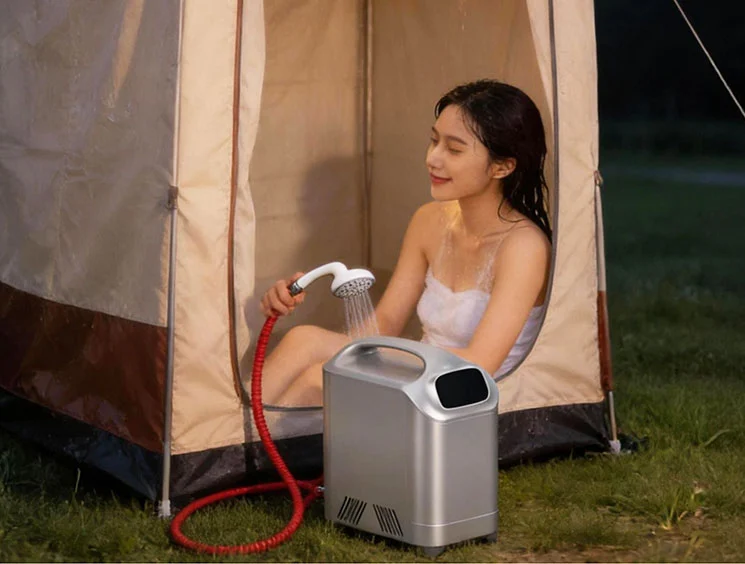
Understanding the Import Challenges of Outdoor Propane Instant Hot Water Heaters
Bringing propane-powered heating equipment across borders involves navigating a complex landscape of technical, legal, and logistical obstacles that can derail unprepared buyers.
Regulatory Compliance and Certification Requirements
All outdoor propane instant hot water heaters sent to the U.S. must meet severe safety criteria. Gas appliances must be CSA or ETL approved by the Consumer Product Safety Commission, and devices with lithium batteries of more than 100Wh must pass UN38.3 testing by the Department of Transportation. Smart water heaters with 10,000mAh battery packs and app controls are subject to two sets of rules: gas appliance standards and electronic device laws. These certificates are checked before finalising orders to avoid rejection of shipments at customs. Suppliers claiming compliance should give certificate numbers that may be independently verified by customers via the certifying body’s database.
Quality Control and Supplier Reliability Concerns
Modern portable water heaters are a combination of propane systems, electronic controls, and battery technologies, leading to a number of possible failure spots. A 34,000 BTU hob assembly needs precise fabrication to provide safe ignition and constant heat output. The 5-liter-per-minute water pump must hold pressure without leaking in outdoor circumstances. Battery management systems require strong precautions against thermal runaway. Ask for third-party inspection reports and audits of the manufacturing line to assist you in identifying manufacturers with mature quality systems vs those that don’t have the process controls. ISO9001:2015 certification shows systematic quality management, but it cannot ensure product performance without further testing.
Logistics and Shipping Vulnerabilities
Propane water heaters are considered dangerous products when transported internationally because of their fuel compatibility and battery components. Shipping lines need Material Safety Data Sheets and correct UN classification numbers. “Bad paperwork can put containers on hold, and that can delay deliveries for weeks.” Packaging must resist the mechanical stresses of maritime freight. Lack of cushioning might harm burner assemblies and control modules. Experience with goods forwarders that are familiar with hazardous products means the right containers are selected, ventilation needs are met, and International Maritime Dangerous Goods rules are complied with. Battery-equipped equipment may need temperature-controlled shipment to avoid capacity deterioration.
Understanding these problems helps procurement teams to set realistic timeframes and budgets. The normal import cycle is 6-10 months, including supplier selection, sample testing, certification verification, and delivery coordination.
Key Steps to Safely Import Outdoor Propane Instant Hot Water Heaters
Following a structured procurement process reduces risks and ensures you receive products that meet technical specifications and safety standards.
Select Certified and Trusted Suppliers
Begin the supplier assessment by acquiring copies of current safety certificates relevant to your market. A producer of U.S. outdoor propane instant hot water heaters should be able to submit CSA certification paperwork confirming the model numbers that have been authorised. Compare the supplier's manufacturing capacity to your order volume; facilities running over capacity sacrifice quality. TOJIRO Electric Appliances is ISO9001:2015 certified with specialised production lines for smart outdoor heating equipment, so that even if the order size changes, the manufacturing standard remains constant. Get a third-party agency like Bureau Veritas or SGS to do a factory audit report to verify that production capabilities are matching the marketing promises.
Confirm Compliance with Regional Safety Standards
Requirements for propane appliances differ from market to market. Look for a water heater that has an ingress protection grade suitable for outdoor use, not just basic gas safety certification – an IPX4 minimum rating will guard against water splashing from all directions. Electronic components must meet FCC electromagnetic compatibility regulations to avoid interference with other devices. Batteries must meet UL 2054 certification for thermal, mechanical, and electrical safety. If you are looking for APP-controlled models, make sure the wireless communication module is properly radio frequency certified for your market. The compliance package is extensive and safeguards against post-import enforcement actions that might lead to product recalls.
Implement Logistics Best Practices
The packaging is built to survive the 30-45 days of ocean travel that usually occurs for shipments from Asia to North America. Burner assemblies and electronic control boards should be wrapped in double-wall corrugated containers. Use non-conductive barriers to separate battery packs from propane components. Contractual purchase obligations should include packaging specifications, including penalties for poor protection. Consider inspection services at the loading port to assess package quality before the containers are sealed. Marine cargo insurance should pay out on the full replacement cost plus freight costs – conventional plans may exclude damage from battery fires, and you’ll need specialised coverage. Shipment visibility and proactive responsiveness to route delays are provided by tracking systems.
Coordinate Installation and After-Sales Service
Products may be compliant, but if they are not installed correctly, they will be unsafe and will not work properly. Prior to delivery of merchandise, establish connections with trained propane technicians in your distribution region. TOJIRO supplies installation guides translated for regional markets and gives technical training for distributor service teams. Make sure the warranty is for manufacturing defects and normal wear and tear. A one-year guarantee is sufficient to protect you in the event of commercial-grade portable water heaters. The availability of replacement parts makes it easy to keep downtime to a minimum while servicing parts. Suppliers may provide remote firmware upgrades to APP-controlled equipment that can fix software problems without the need for a service call.
These procedures provide the basis for a successful import, but continual contact with suppliers throughout the import process tackles difficulties as they arise before they become larger problems.
Procurement Insights: Comparing Outdoor Propane Instant Hot Water Heaters for Your Business Needs
Selecting the optimal heating solution requires evaluating technology options, performance characteristics, and total ownership costs against your specific application requirements.
Propane Versus Alternative Fuel Sources
Electric tankless water heaters don't have fuel storage problems, but need a lot of power infrastructure. A 10,000W heating element pulls more than 80 amps at 120V, which most campgrounds can't provide. Natural gas models provide reduced running costs but lack the mobility required for recreational and remote site applications. Propane blends the energy density and infrastructural independence that make outdoor propane instant hot water heaters the practical option for transportable applications. A typical 20-pound propane tank holds around 430,000 BTUs of energy, enough to power many showers before you need to replenish it. The modern propane units have a 34,000 BTU output and are capable of heating water to pleasant temperatures within three seconds. This performance meets or beats electric performance and requires no connection to the grid.
Portable Versus Fixed Installation Models
Wall-mounted propane heaters are great for permanent installations where it is important to secure the unit, such as at a vacation home or a construction site facility. These machines tend to hook up to enormous propane tanks and may operate indefinitely. Portable units with built-in battery packs and small form factors are perfect for camping, RV trips, and temporary job locations where portability trumps permanent installation. Battery-powered water pumps do not need an external power source. High-end versions with a capacity of 10,000mAh may provide up to four hours of continuous operation. The APP control capability provides simplicity, letting users choose the temperature and check the battery level from their smartphones. This is a handy feature when the heater is placed outside while people prepare inside tents or cars. Consider the clients of your company. Are you dealing with people who want to be mobile or those who want to stay put?
Pricing and Value Evaluation
Prices for entry-level portable propane water heaters sell from $150-$250, but they often don't have battery systems and sophisticated controls, necessitating manual operation and external power sources. Mid-range versions with simple electrical ignition and temperature control are $300-$500. Premium outdoor propane instant hot water heaters with APP control, high-capacity batteries, and fanless designs attract $600-$900 retail pricing, putting them in the category of clients who are willing to pay for sophisticated features and user experience. Bulk purchase decreases unit prices. Manufacturers usually provide discounts of 10-15% on orders over 500 units and 20-25% on orders beyond 1,000 units. Consider warranty in value calculations – lengthier warranties mean higher initial price but lower long-term maintenance expenses.
Knowing these comparisons informs the product selection in terms of the target customer profile and competitive positioning approach.
Best Practices for Import Documentation and Customs Clearance
Accurate documentation accelerates customs processing and prevents costly delays that disrupt inventory planning.
Essential Documentation Checklist
Commercial invoices must specify the value of each component individually. Each component, including the propane heater assembly, battery pack, control module, and accessories, must be included as a separate line item with an HTS code. Certificate of Origin paperwork makes shipments eligible for special tariff treatment under trade agreements. Certificates of Conformity from certified testing facilities confirm conformity with safety regulations, including CSA certification for gas components, FCC clearance for wireless modules, and UN38.3 test reports for lithium batteries. Material Safety Data Sheets include information on hazardous features and emergency response procedures necessary under transportation rules. Bill of Lading is the shipping contract and receipt — Before accepting the document, check that the products specified in the document correspond to your purchase order. A packing list allows customs to check what’s inside a container without having to open it up and look around.
Tariff Classification and Cost Optimization
Most outdoor propane instant hot water heaters come under HTS code 8419.19.00 (instantaneous or storage water heaters, non-electric) with standard duty rates between 2.0% and 3.5%. 8516.10.00 (electric instantaneous water heaters) can include units with large electronic components which may alter the basis for duty calculation. Misclassification leads to customs audits and penalty assessments. Consultation with professional customs brokers who are knowledgeable about dual-technology items will guarantee the right categorisation. Free trade zones could include tariff deferral schemes for items that will be re-exported or further manufactured. Companies that add branded packaging or combine heaters with other camping equipment may profit from these programs. Properly identifying battery capacity and chemistry eliminates dangerous chemical infractions that may result in significant penalties.
Working with Specialized Service Providers
Rules around importing propane equipment and batteries are complex, and customs brokers that handle consumer appliances know how to navigate them. These specialists have ties with customs officials that help to accelerate the settlement of any problems that may develop. The freight forwarders specialising in hazardous products have the permissions and insurance needed to legally carry propane equipment. Their warehousing facilities comply with safety regulations for temporary battery storage. Container goods stations that provide inspection services have a lower rate of examinations because they evaluate the contents against the documents before filing with customs. These services add 3-5% to the landing prices but avoid the delays when containers stay in port and rack up daily storage fees that may be over $200 per container.
Proper documentation standards help ensure a continuous flow of inventory to satisfy your sales obligations and safeguard your investment.
After Import: Installation, Maintenance, and Troubleshooting Guidance for B2B Buyers
Maximizing product performance and customer satisfaction requires supporting proper installation and providing ongoing technical assistance.
Installation Site Selection and Safety Compliance
Portable propane water heaters may be used outside, but they still need appropriate ventilation. Carbon monoxide can build up in semi-enclosed locations such as tent vestibules or beneath RV awnings if airflow is insufficient. Installation requirements should define minimum clearances from flammable materials, often 12” from walls or fabric surfaces. Temporary constructions may still need propane appliances according to local building rules. Some jurisdictions demand licenses for appliances with an output above 15,000 BTU. Ground stability is important for freestanding units; uneven ground might result in tip-over events, especially when using top-mounted showerheads. Providing installation checklists with each device helps to minimise poor installation that results in service calls.
Maintenance Protocols and Seasonal Considerations
Regular maintenance helps to prolong service life and avoid performance decline. Battery systems need to be charged from time to time. Lithium batteries are best kept at optimum capacity if you give them a charge every three months while in storage. Propane connections should be tested annually for leakage using soap solution testing. Water pump filters catch silt that builds up from natural water sources. Clean regularly ( weekly during active usage seasons) to minimise flow limitation. Winterising techniques safeguard units against freeze damage in cold storage. Any water that remains in the heat exchangers will expand when it freezes, shattering the copper tubing. Product maintenance schedules are an indicator that the manufacturer supports you, and they limit warranty claims from negligence that may have been avoided. TOJIRO is a resource for distributor service teams who support professional outdoor equipment, providing them with training materials for maintenance.
Common Issues and Troubleshooting Approaches
Most ignition concerns may be resolved by checking the regulator settings, as erratic ignition is usually caused by fluctuations in propane regulator pressure. For example, fluctuations in temperature often reflect changes in water flow rates or decreases in propane supply pressure. Battery systems that have a shorter run-time may need to be recalibrated over complete discharge-charge cycles. APP connection problems are often caused by wireless interference or outdated firmware, and offering simple upgrade instructions saves support load. Manufacturers also provide technical assistance hotlines and online troubleshooting databases so that distributors may handle typical issues without returning products. Modular component architecture of water heaters allows control boards or pump assemblies to be replaced in the field, lowering the cost of maintenance and the duration of downtime.
Proper installation and maintenance of products may help establish brand loyalty and create favourable evaluations, leading to future purchases.
Conclusion
Successful import of outdoor propane instant hot water heaters requires attention to certification criteria, supplier verification, logistics coordination, and post-import assistance. Avoid compliance failures via knowledge of the regulatory framework in gas appliance safety, electronic device standards, and battery transport requirements. By documenting methods for quality and using ISO certified manufacturers, the likelihood of product defects is reduced. Structured logistics techniques safeguard inventories while transporting across borders. Customer satisfaction and product durability are improved by offering installation advice and maintenance resources. Smart propane water heaters with integrated batteries and APP controls are sophisticated, demanding careful supplier selection — producers combining traditional craftsmanship with contemporary engineering provide dependable goods supporting premium market positioning.
FAQ
1. What certifications must outdoor propane instant hot water heaters have for U.S. import?
Units require CSA or ETL certification for gas components, FCC approval for wireless controls, and UN38.3 testing for lithium batteries exceeding 100Wh capacity. Some states mandate additional CARB emissions compliance.
2. How do shipping regulations affect delivery timelines?
Hazardous materials classification requires specialized container handling and documentation, typically adding 5-10 days to standard shipping schedules. Port congestion during peak seasons may extend this further.
3. What distinguishes reliable suppliers in this product category?
Look for ISO9001:2015 certification, in-house testing laboratories, documented quality control procedures, and willingness to provide factory audit access. Established suppliers maintain certification databases accessible for independent verification.
4. Can manufacturers customize APP interfaces for brand differentiation?
Advanced ODM suppliers offer APP customization, including interface design, feature sets, and cloud platform integration. Development typically requires 8-12 weeks and minimum order commitments above 1,000 units.
Partner with TOJIRO for Reliable Outdoor Propane Instant Hot Water Heater Manufacturing
TOJIRO Electric Appliances combines Japanese craftsmanship and precision with modern production capabilities to deliver certified outdoor propane instant hot water heaters meeting international safety standards. Our ISO9001:2015-certified facility produces smart water heating systems with APP control, high-capacity battery integration, and 34,000 BTU performance suitable for premium outdoor equipment brands. We support ODM customization for appearance design, APP interfaces, and packaging while maintaining 45-day production cycles that respond to market demands. Every unit undergoes rigorous testing protocols, ensuring reliability in demanding outdoor environments. Our one-year warranty program and technical support services protect your investment and brand reputation. Contact our team at [email protected] to discuss your outdoor propane instant hot water heater supplier requirements and access our comprehensive product portfolio.
References
1. American Gas Association. (2022). "Safety Standards for Portable Propane Appliances in Recreational Applications." AGA Technical Bulletin Series.
2. International Organization for Standardization. (2021). "Quality Management Systems Requirements for Outdoor Equipment Manufacturers." ISO 9001:2015 Implementation Guide.
3. U.S. Consumer Product Safety Commission. (2023). "Certification Requirements for Gas-Fired Water Heating Appliances." Federal Register Notice on Appliance Standards.
4. United Nations Economic Commission for Europe. (2022). "Recommendations on the Transport of Dangerous Goods: Manual of Tests and Criteria." UN38.3 Lithium Battery Testing Protocol.
5. National Fire Protection Association. (2023). "Installation Standards for Portable Propane Equipment." NFPA 58: Liquefied Petroleum Gas Code.
6. Department of Commerce, International Trade Administration. (2023). "Harmonized Tariff Schedule Classifications for Water Heating Appliances." U.S. Customs and Border Protection Technical Guidelines.

USER EVALUATE
Here is the customer's evaluation of us
_1763619738116.webp)
_1763607791883.webp)
_1763606665399.webp)