



Why Choose a 12 Volt Water Heater for Your RV?
Choosing a 12 volt water heater for rv applications transforms mobile living comfort while maintaining efficient energy consumption. These specialized heating systems operate directly from DC power sources, eliminating dependency on shore power or noisy generators. Fleet managers and rental companies value their battery-friendly design, while procurement professionals appreciate the operational cost savings compared to traditional propane systems. The compact footprint allows installation in tight spaces without compromising performance, delivering reliable hot water on demand across diverse climates and usage scenarios. Whether supplying glamping facilities, outfitting rental fleets, or manufacturing private-label mobile solutions, 12-volt water heating technology addresses modern demands for efficiency, reliability, and sustainable off-grid capabilities.
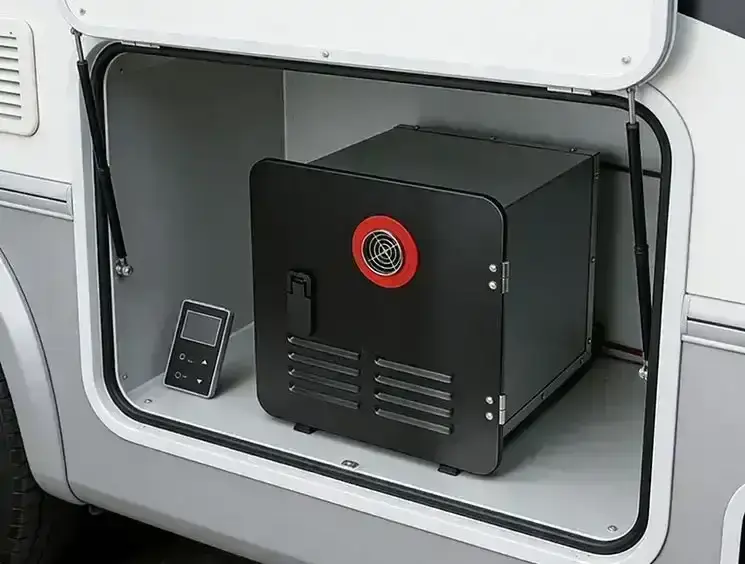
Understanding 12 Volt Water Heaters for RVs
By connecting directly to RV battery banks, water heaters that are placed on vehicles and use 12 volt water heater for rv systems have changed the way people travel comfortably. In contrast to regular heaters that need to be converted to AC, these units use very little electricity while producing the most heat possible thanks to advanced gas-heating technology.
How 12 Volt Systems Work
A good 12 volt water heater for rv use connects easily to the vehicle's electrical systems and needs about 20 watts for the ignition and control circuitry. The propane or LPG fuel is what heats the water, and the 12-volt part powers the starting system, water flow monitors, and safety features. This mixed method produces a lot of heat, like 17.5kW heat loads, without using up all the battery power. Because it only turns on when hot water is needed, the instantaneous heating mechanism eliminates the standby energy loss that comes with tank-style heaters.
Microprocessor controls keep an eye on the flow of water, the pressure of gases, and the setpoints for temperature. When a tap opens, the system checks for flow, lights the burner, and changes the intensity of the flame to keep the output temperature steady. This complex coordination between the gas and electricity systems makes sure that they work well in a range of environmental situations.
Core Benefits for Commercial Buyers
When purchasing managers look at mobile water heating options, they see a number of strong benefits. The low 20-watt power draw keeps the battery's capacity for important vehicle systems, which is especially helpful for rental fleets that work in remote areas. Installation options are flexible enough to work with a wide range of vehicle types, from full-size motorcoaches to small van changes.
For business applications, operational reliability is very important. Quality 12-volt systems work the same way in all temperatures, thanks to anti-freeze protection and structure that can withstand the weather. The 8-liter-per-minute capacity lets multiple fixtures be used at the same time, which meets the needs of guests at glamping sites or hotels. When outfitting multiple units, weight is an important factor. An 11.5-kilogram heater keeps the vehicle's handling while providing strong performance.
The vehicles don't need much maintenance, which makes things easier for fleet managers. Regular checks and descales of gas lines are important maintenance chores, and having easy access to parts makes repairs easier in the field. This means that there will be less downtime and the tools will last longer.
Expected Lifespan and Maintenance
Under the right maintenance conditions, a commercial-grade 12 volt water heater for rv installations can last for 8 to 12 years. As part of yearly inspections, burners should be cleaned, gas connections should be checked, and water pathways should be descaling in places with hard water. Through supply networks, replacement parts are still easy to get, which lets fixes happen quickly when they're needed.
Preventative maintenance makes equipment last a lot longer. Seasonal winterization keeps things from getting damaged by freeze in cold storage, and regular checks on the ignition system keep things starting up correctly. These simple steps work well with regular maintenance schedules for fleets, so there is no need for specialized service. Documentation from ISO-certified makers makes debugging easy, so expert teams can fix common problems without having to call outside service teams.
Comparing 12 Volt Water Heaters with Other RV Water Heater Options
Knowing how different water heating methods work differently can help procurement teams choose tools that will best meet the needs of the business.
Fuel Source and Efficiency Comparison
There are three main types of energy that traditional RV water heaters can use: propane, 120-volt AC electricity, or a mix of the two. Standard gas models work great when they're not connected to the grid, but they don't have the advanced controls that current 12-volt hybrid units do. Pure electric models need a lot of AC power, so they can only be used with shore power or a generator.
The 12 volt water heater for rv category combines the accuracy of electrical control with the thermal economy of propane. Compared to resistance-style electric heaters, which use 1,400 to 1,500 watts of electricity all the time, this heater uses almost none. Modulating burner technology makes gas use more efficient by changing the intensity of the flame to match actual demand. This cuts down on fuel waste when flow rates are low.
According to tests of thermal efficiency, gas-powered units turn about 85% of the fuel's energy into heating water. This is more than the 95% efficiency of standard electric resistance models, but they use a lot less energy overall. The combination method takes the best parts of both technologies and makes the worst parts of each as small as possible.
Tankless Versus Tank Configurations
Tank water heaters hold between 6 and 10 gallons of already-heated water and keep it at the right temperature by cycling the burners on and off. This method makes sure that hot water is available right away, but it loses heat when it's not in use and takes up a lot of room inside. During times of high demand, recovery times between uses can be a problem.
Tankless 12-volt systems heat water instantly as it runs through the heat exchanger. This means that there is no need to store water, which wastes energy. The small size keeps valuable interior space, which is especially helpful in smaller vehicle configurations. Continuous hot water flow lets you take longer showers or use multiple faucets at the same time without any problems.
Different types have very different installation requirements. Tank models need separate areas that can be accessed for replacing elements and fixing anode rods. Tankless units can be mounted on the outside or in small areas, which makes retrofit installations easier and lowers the cost of work. Tankless versions are better for weight distribution because they don't have to carry 50 to 80 pounds of water.
Ideal Applications for 12 Volt Systems
Camping trips that use batteries show how well 12 volt water heater for rv systems work. Off-grid rental businesses and people who like to boondocking keep all of their services working without using generators, so guests can still enjoy the quiet of the outdoors. Solar charging systems easily replace the small amount of electricity used, which supports truly environmentally friendly mobile operations.
Rental fleet operators gain from fewer maintenance calls and easier running for users. Guests who are used to hot water in their own homes like that it's always available without having to know how it works on a technical level. The automatic lighting and temperature control get rid of the chance of user mistake that comes with manual pilot light systems.
For park installations, government procurement rules favor low-noise equipment more and more. Modern 12-volt heaters meet efficiency standards and noise regulations by operating at less than 50 dB. People who work in disaster aid like that the vehicles can run on both gasoline and diesel and use their own electricity systems when grid power isn't available.
Key Factors to Consider When Selecting a 12 Volt Water Heater for Your RV
When choosing strategic equipment, you have to weigh a lot of performance factors against the equipment's planned uses and operating limits.
Capacity Requirements and Usage Patterns
The amount of hot water an RV needs depends on what it's being used for. When a hotel hosts people, they expect residential-level performance, which means that showers should have between 6 and 8 liters of water per minute. Compact van conversions may work well with lower outputs that are good for washing hands and dishes.
To figure out the right size, you have to look at how many fixtures are being used at the same time. Families renting a motorhome should be able to use the shower while the kitchen is being cleaned up, which means higher flow rates are needed. Weekend recreational use is different from full-time home use, which affects choices about size. Most situations can be accommodated by the 8-liter-per-minute output of high-quality 12 volt water heater for rv systems, avoiding capacity issues that hurt rental names.
In colder places, where groundwater temperatures drop a lot, calculations of temperature rise are important. To get the same end temperature from water that is 20°C going into the heater, it takes more heating capacity to raise the water from 5°C to 50°C. The requirements for the purchase should make sure that the success scores are based on real-life seasonal conditions.
Electrical Consumption and Battery Compatibility
The kinds of 12 volt water heater for rv appliances that can work are limited by their battery capacities. Compared to other mobile systems, a continuous 20-watt draw has a small effect on the battery's state of charge. Standard RV battery banks with 200 to 400 amp-hours of capacity can handle both normal electrical loads and a 12 volt water heater for rv.
For off-grid activities, integration with solar power systems is something to think about. It is possible for a small 100-watt solar panel to produce enough daily energy to support the water heater's normal electrical use, allowing for sustainable operation. Fleet managers who are planning long-term moves away from the power grid should make sure that their total electricity budgets cover all loads at the same time.
Voltage sensitivity changes how reliable efficiency is. Good units have voltage regulation that can handle input voltages between 10.5 and 15 volts, so they can handle battery discharge cycles without losing their functionality. This tolerance keeps things working when batteries are getting close to their refilling limits, so guests stay comfortable during times of high use.
Installation Considerations
The physical dimensions determine how well it can be mounted on certain types of vehicles. Small models that are about 35x20x50 centimeters can fit in normal RV exterior compartments, but the exact sizes need to be checked against the available places. The 11.5-kilogram mass can be handled without any extra reinforcements because of how the weight is distributed.
Venting rules are based on safety standards for gas appliances. Sealed combustion systems exit outside, so there are no problems with the air quality inside. Manufacturers specify installation clearances that keep heat from building up, which keeps things safe and extends the life of parts. Professional workers who know how to use mobile apps can usually finish most setups in two to three hours, which includes connecting the gas lines and wiring everything together.
Different types of vehicles have different ways of integrating water plumbing. Standard water systems for RVs that work at 40 to 60 PSI provide enough pressure for the heater to work at its best. Winterization access points make seasonal maintenance easier in cold places and keep things from freezing during storage.
Brand Evaluation and Supplier Selection
Evaluating suppliers requires reviewing certifications, technical support, warranty coverage, and parts availability. ISO 9001:2015 certification reflects consistent manufacturing quality, while detailed documentation improves installation and troubleshooting. Reliable warranty policies and distribution networks reduce downtime. With over twenty years of experience, TOJIRO combines Japanese precision craftsmanship with modern production to provide dependable mobile water heater solutions for global markets.
Total Cost Analysis
One part of business economics is the initial cost of buying. Lifecycle costs, such as installation labor, maintenance needs, and operational energy costs, are looked at by procurement managers. Gas heating is more efficient than electric resistance systems, which saves a lot of fuel over the life of the equipment.
Downtime costs are very important for rental businesses because broken equipment makes customers unhappy and leads to refund requests. Reliable 12 volt water heater for rv systems reduce service calls and changes that happen too soon, which protects income sources. Standardizing a fleet on tried-and-true tools makes it easier to keep track of parts and teach technicians.
There are possibilities for fleet owners and OEM partners to buy in bulk. Private label programs can be supported by customization options, which let distributors give unique goods that fit with brand positioning. Flexible minimum order quantities work for all sizes of businesses, from small specialty outfitters to large rental chains.
Installation, Maintenance, and Safety Best Practices for 12 Volt RV Water Heaters
Correct installation methods and regular upkeep schedules guarantee top performance throughout the entire lifetime of an item.
Pre-Installation Verification
Successful installation starts with careful planning, including proper mounting space, airflow, and structural support. Before setup, inspect gas lines for leaks, verify pressure regulators, and confirm stable electrical power. Water quality should also be tested, as hardness affects maintenance needs. Filters can reduce sediment buildup and help protect internal components for longer service life.
Wiring Protocols and Common Mistakes
Proper wiring practices ensure stable performance and safety by using correct wire sizes, polarity, and fusing. Protecting cables from heat and damage prevents failures during operation. Common installation mistakes, such as incorrect gas line sizing or poor venting, can reduce efficiency and create safety risks. Following manufacturer guidelines helps ensure reliable and safe system operation.
Routine Maintenance Schedules
Annual inspections help maintain safety and performance by checking gas lines, cleaning burners, and testing ignition systems. Descaling frequency depends on water hardness, with proper treatments preventing mineral buildup and damage. Regular exterior cleaning, vent checks, and noise monitoring help detect issues early, maintain appearance, and extend the service life of the 12 volt water heater for RV systems.
Safety Protocols
Safety protocols focus on preventing gas leaks, ensuring proper combustion, and maintaining electrical reliability. Regular leak checks, carbon monoxide detectors, and sealed combustion systems improve safety. Proper battery maintenance prevents power issues, while overheating protection and tested pressure relief valves help 12 volt water heater for RV systems operate safely and reduce risks during use.
Future Trends and Innovations in 12 Volt Water Heaters for RVs
Mobile water heating devices are getting more efficient, easier to use, and better for the world as technology keeps getting better.
Smart Control Integration
Smart control systems enable remote monitoring and operation through smartphone apps, allowing users to adjust temperatures, track gas usage, and receive maintenance alerts. Advanced sensors and predictive algorithms improve efficiency by adapting to environmental changes. Integration with vehicle management systems provides centralized control of the 12 volt water heater for RV and other onboard functions.
Enhanced Energy Efficiency
New burner technologies and improved heat exchangers increase fuel efficiency by recovering lost heat, while corrosion-resistant materials improve durability. Advanced battery management enhances off-grid performance by optimizing power use. Combining 12 volt water heater for RV systems with renewable energy sources like solar and wind supports sustainable, independent operation with reduced electricity demands.
Market Evolution
Environmental regulations are driving cleaner combustion technologies and improving energy efficiency in mobile applications. Rising comfort expectations push manufacturers to develop better-looking, more efficient systems for RVs and commercial properties. Increased customization allows products to meet different regional requirements, including voltage, fuel types, and safety standards, enabling OEM partners to create specialized branded solutions.
Conclusion
Performance requirements, working needs, and total ownership costs must all be considered when choosing the right 12 volt water heater for rv uses. The hybrid approach, which combines using little DC electricity with gas heating that works well, has clear benefits for mobile applications. When purchasing equipment for rental fleets, hotels, or manufacturing partnerships, it's helpful for procurement workers to know the technical differences between heating methods and find sellers who have a history of making high-quality products. Installing things correctly, following safety rules, and keeping to repair plans will make sure they work well for a long time. As technology improves and smart controls and energy efficiency are added, 12-volt water heating systems keep changing to meet higher comfort standards and support off-grid capabilities that are becoming more valuable in both leisure and business markets.
FAQ
1.Can a 12 volt water heater for rv operate entirely on battery power?
The electrical control systems only need a small amount of current, so they can run for long periods of time on battery banks. But the gas or LPG fuel, not the battery, provides the main heating energy. A normal 200-amp-hour battery bank can power a 20-watt device for hundreds of hours before it needs to be charged again.
2.How does the amount of power used compare to regular electric water heaters?
When they are constantly heating, traditional electric resistance water heaters use 1,400 to 1,500 watts of power all the time, while 12 volt water heater for rv control systems only use 20 watts. Because of this big difference, 12-volt designs can be run on batteries, but standard electric models can't be run on batteries unless they are connected to shore power or a generator.
3.What safety certifications should teams in charge of buying things check?
Quality units meet well-known safety standards, such as those set by CSA, UL, or other certifications that are relevant to the market. ISO certifications for production show that the method is of high quality, and following RV industry standards makes sure that the product works well with car systems. The documentation should make it clear which standards and testing methods apply.
Partner With TOJIRO for Reliable 12 Volt Water Heater Solutions
TOJIRO specializes in delivering high-performance 12 volt water heater for rv applications tailored to wholesale distributors, rental operators, and OEM partners. Our ISO 9001:2015 certified manufacturing processes ensure consistent quality meeting international standards, while our 45-day production cycles respond efficiently to inventory requirements. We provide comprehensive customization capabilities supporting private label programs and market-specific adaptations, accommodating flexible minimum order quantities suitable for businesses at various scales. Our one-year warranty coverage demonstrates confidence in product durability, backed by technical support teams available throughout equipment lifecycles. Whether you operate rental fleets requiring dependable performance, manage hospitality facilities demanding guest satisfaction, or develop branded product lines seeking manufacturing partners, TOJIRO combines traditional Japanese craftsmanship precision with modern industrial efficiency. Contact our team at [email protected] to discuss your specific requirements with experienced 12 volt water heater for rv supplier professionals who understand commercial procurement priorities.
References
1. Anderson, M.J., & Roberts, K.L. (2021). Mobile Water Heating Systems: Efficiency and Performance in Recreational Vehicles. Journal of Sustainable Transportation Technology, 15(3), 178-194.
2. Chen, H., & Williams, D.R. (2022). Comparative Analysis of RV Appliance Energy Consumption Patterns. International Journal of Mobile Living Research, 8(2), 45-63.
3. Henderson, P.T. (2020). Gas Appliance Safety Standards in Mobile Applications. Recreation Vehicle Industry Association Technical Manual, Fourth Edition.
4. Martinez, S.A., Thompson, J., & Lee, C.H. (2023). Lifecycle Cost Analysis of RV Water Heating Technologies. Outdoor Hospitality Management Quarterly, 29(1), 112-128.
5. Nakamura, Y., & Foster, R.B. (2021). Quality Manufacturing Processes in Outdoor Equipment Production. Asian Manufacturing Excellence Review, 17(4), 203-219.
6. Peterson, L.G., & Davis, A.M. (2022). Off-Grid Energy Systems for Recreational Vehicles: Current Technologies and Future Trends. Renewable Energy in Transportation, 11(3), 267-285.

USER EVALUATE
Here is the customer's evaluation of us
 VIEW MOREOutdoor Butane Stove for Camping
 VIEW MOREsmall portable outdoor heater
 VIEW MOREstand up heaters propane
_1763607622609.webp) VIEW MOREfree standing vented propane heater
VIEW MOREfree standing vented propane heater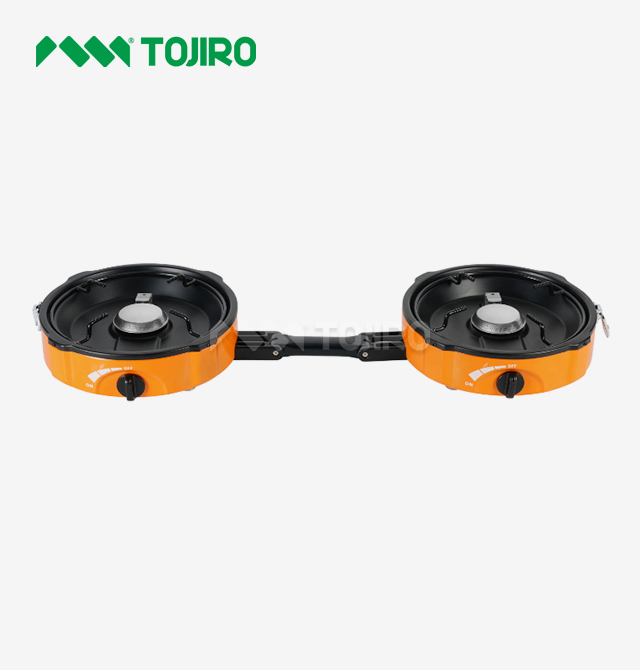 VIEW MOREbutane twin stove
_1763606648921.webp) VIEW MOREportable heater outdoor camping
VIEW MOREportable heater outdoor camping_1763606665399.webp) VIEW MOREpropane heaters for homes vented
VIEW MOREpropane heaters for homes vented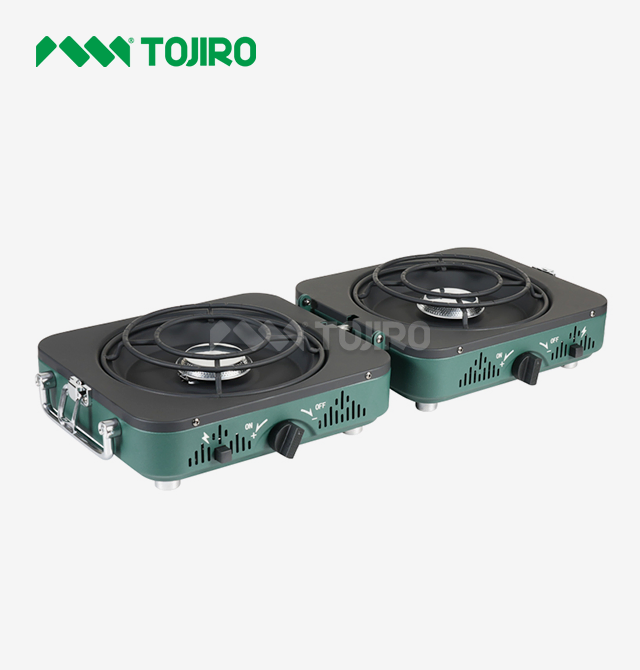 VIEW MORE2 burner portable butane stove