



Portable Fish Grill vs. Standard Grill: Which Fits Your Business?
Choosing between a portable fish grill and a standard grill depends on your operational model, customer base, and service flexibility. For businesses prioritizing mobility—such as rental companies, food trucks, or glamping sites—portable fish grills offer compact design, quick setup, and specialized seafood cooking capabilities. Standard grills suit high-volume operations like restaurants and corporate event planners needing versatility across diverse menus. Understanding these distinctions helps procurement managers align equipment investments with business goals, ensuring cost-efficiency and operational success.
Understanding Portable Fish Grills and Standard Grills
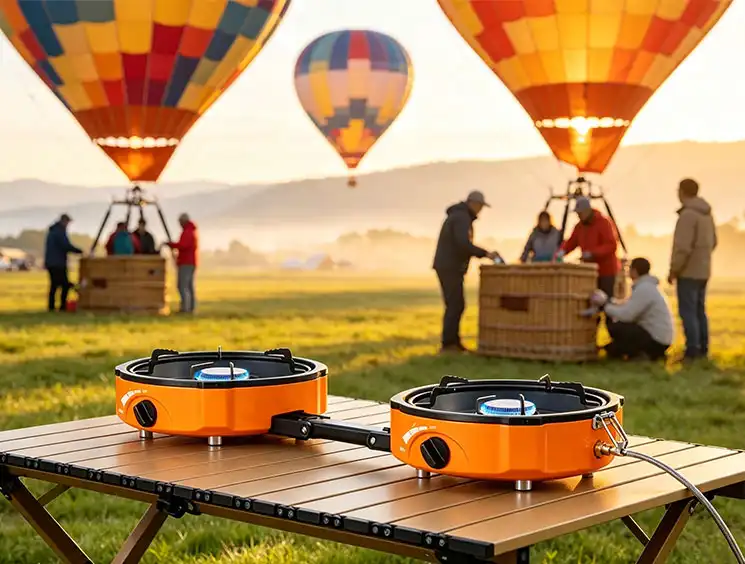
To choose the right grilling equipment, you need to know the basic differences in design and how it works. Portable fish grills are designed to be moved around and used for cooking seafood, which makes them perfect for businesses that work in environments that are always changing. Their small size and light weight, along with gas fuel systems, make them easy to set up quickly at campgrounds, fishing lodges, or outdoor events. These units provide precise temperature control that works best for fish that is easily damaged. This makes sure that the cooking results are always what the customer wants.
Standard grills come in a wider range of types, such as charcoal, gas, and electric models that can be used either fixed or partially mobile. Their bigger cooking areas can fit more food and a wider range of foods, like veggies and burgers. Standard grills are popular with restaurant kitchens, resort sites, and business buyers because they can be used for many things. Because standard grills are so flexible, businesses can serve a wide range of foods without any problems. This makes them reliable workhorses in high-demand settings.
The infrastructure for fuel is also very different. Portable fish grills often use gas tanks that work with both European and US standards. This makes it possible to sell the grills around the world and follow all the rules. Standard grills might need natural gas lines or bigger propane tanks, which can change how much it costs to place and how flexible the site is. When considering these choices, procurement managers need to think about how easy it is to get fuel, how much space is needed, and any rules that need to be followed. These things have a direct effect on how well operations run and how safe they are.
Comparing Portable Fish Grills and Standard Grills: Key Dimensions for Business Procurement
Performance and Cooking Precision
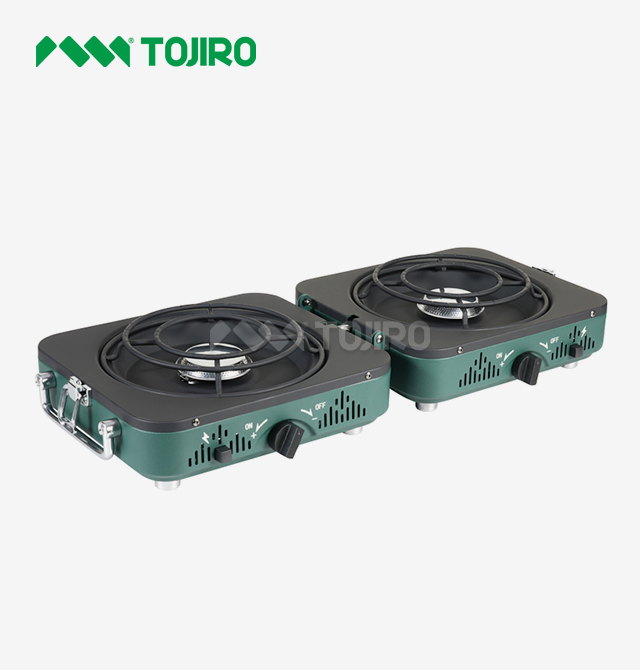
Performance metrics tell the difference between tools that are good for specific jobs and tools that can be used for many things. The portable fish grill from TOJIRO has a 2.3kW burner system that delivers 8,000 BTU of concentrated heat. This is perfect for getting the medium-high temperatures needed for grilling fish the right way. This power output makes sure that the fish hits the perfect 400–450°F range, which gets those nice grill marks while keeping the fish from sticking, which can happen when cooking seafood. The two burners let you prepare both sides at the same time, which is very helpful when there are a lot of people waiting for service.
Standard grills usually have higher total BTU ratings spread out over bigger areas, which makes them good for cooking large amounts of food for a variety of meals. Their wider heat zones let you use more than one cooking method at the same time, but they might not let you control the temperature precisely enough for seafood. Specialized design in portable fish grills makes them better for businesses that care about the quality of their seafood, while standard grills are better for businesses that need to offer a wide range of foods.
Portability and Space Efficiency
The portable fish grill's main benefit is its portability. TOJIRO units can be folded down from 268x210x117mm to a small 245x210x59mm, making them easy to move and store. This is very important for rental companies that need to keep track of their inventory in various places. The powder-coated cold-rolled steel construction can handle being handled over and over and being outside, which is what rental businesses need. Packaging that can withstand drops from one meter at eight different angles shows that engineers are thinking about how to solve real-world transportation problems.
Standard grills give up portability for size. Their stationary or cart-based designs make them good for long-term use at resorts, business camps, or institutions where cooking volume is more important than movement. The right grill group will depend on whether the equipment will be moved around a lot or stay in one place. This is something that procurement managers have to think about.
Maintenance and Operational Costs
The amount of maintenance needed has a big effect on the total cost of ownership. Portable fish grills have easier ways to clean them. For example, TOJIRO's high-temperature oil and water spray tray collects drips for easy disposal. The small size cuts down on cleaning time, which helps rental companies get equipment ready for the next reservation faster. Fewer failure points mean fewer maintenance calls and longer service intervals when there are few components.
Because they have bigger cooking areas and more complicated burner setups, standard grills need more thorough cleaning methods. Their higher capacity means they need more maintenance, but the fact that they can be used continuously for a long time usually justifies the extra costs for high-volume operations. TOJIRO backs up its portable fish grills with a one-year guarantee. This saves buyers' initial investments and keeps repair costs low during the first year of use, which is very important.
Practical Business Use Cases: Which Grill Fits Your Industry Needs?
Rental and Experience Companies
Outdoor adventure and camping rental companies need durable, easy-to-use equipment to improve customer experiences. Portable fish grills with one-touch ignition and stable gas control provide convenient seafood cooking options that differentiate rental services. TOJIRO’s strong construction and protective packaging support repeated use, while the 1,000-unit MOQ and 45-day lead time help businesses plan inventory for seasonal demand.
Corporate and Hospitality Clients
Businesses that plan business events and hotels that offer camping experiences need equipment that looks good and works well. Portable fish grills give outdoor enthusiasts the authenticity they want while still meeting the reliability needs of people who work in the hospitality industry. There isn't much room for them, so they're good for tent sites, and setting them up quickly saves money on labor costs for getting ready for an event.
Hospitality chains that want to standardize equipment across multiple properties like the ability to buy in bulk. Custom branding and changes to specifications that meet corporate standards are possible with TOJIRO's ODM/OEM capabilities. ISO9001:2015 approval makes sure that quality is consistent across big orders. Being able to get different certifications makes it easier for multinational hotel owners to buy things that meet regional safety standards.
OEM/ODM and White-Label Partners
Brands that want to sell their own outdoor cooking gear need to work with manufacturers who can both make the gear and make it fit their needs. TOJIRO's 10,000-square-meter building and more than 20 years of experience in the field give them the skills they need to make white-label relationships work. The portable fish grill's tried-and-true design lowers the risk of development, and partners can make goods stand out by choosing features and branding.
MOQ freedom starting at 1,000 units makes it possible for new brands to test whether their products are a good fit for the market. The 45-day production cycle supports responsive inventory management, which lets partners change the number of orders they place based on how well the products are selling. The ability to use both European and American gas standards together expands the market, letting the same product designs serve a lot of different places without having to go through a lot of re-engineering.
Government and Institutional Buyers
Standardized specifications and tough building are important to national parks, outdoor education programs, and crisis aid groups. These needs are met by portable fish grills, which are made of long-lasting materials and are easy for people of all skill levels to use. The small storage profile works well for managing government fleets because it saves space and lowers the cost of logistics.
Flexibility in certification ensures compliance with government buying standards, and a history of exports to Japan, Korea, Europe, and the United States shows that foreign regulations are being followed. TOJIRO's manufacturing stability is good for institutional buyers. Since 2013, the company has shipped over a million units around the world, which shows that production predictability is something that government buying offices value a lot.
Market Trends and Purchasing Tips for B2B Clients
Evolving Technology and Design Innovation
The market for outdoor cooking gear keeps growing thanks to new ideas in material science and engineering. More and more modern portable fish grills have dual-burner systems with both open flame and infrared burner heads. This lets you cook in more ways than just grilling. This combination of technology lets workers quickly sear seafood while using backup burners for gentle warming or preparing vegetables. This makes the menu more flexible without adding more equipment.
As companies try to cut costs, energy efficiency is becoming more important in design. When used off-grid, propane-fueled portable fish grills produce more heat per unit of fuel than electric grills, which makes them a better choice for businesses that need to run from rural areas. Pressure-regulating valves make the best use of fuel, increasing the time that each tank can be used and lowering the number of times that it needs to be refilled. This is especially important for companies that operate in places where supplies are hard to get to.
Supplier Evaluation and Procurement Risk Management
Checking the reliability of suppliers saves procurement investments and ensures long-term business success. TOJIRO's use of ISO9001:2015 quality management standards shows that they have a system for controlling quality throughout the whole manufacturing process. The company has a lot of experience exporting to Japan, Korea, Europe, and the United States, which shows that it can meet the different quality standards and legal requirements of these places.Warranty coverage shows that the company that made the product is sure that it will last. TOJIRO's one-year warranty on portable fish grills gives buyers peace of mind, and quick problem-solving through [email protected] email contact with helpful customer service reps. The 45-day production cycle makes it possible to plan an accurate inventory, which lowers the risk of running out of stock during busy times when equipment demand is high.
Pricing Structures and Volume Purchasing Strategies
Understanding cost factors helps buyers manage budgets effectively. Portable fish grills usually have lower unit costs due to simpler materials and construction, though the 1,000-unit MOQ requires significant investment. Bulk purchasing improves pricing. Customization mainly involves branding, packaging, or gas standards, while partners should confirm related costs early to ensure transparent pricing for OEM/ODM orders.
Making the Final Decision: Portable Fish Grill or Standard Grill for Your Business?
Defining Your Operational Requirements
To choose the right equipment, you must first be honest about your business's goals and the facts of operations. Companies that stress movement, like rental services that move tools from one place to another, food trucks that serve a variety of settings, or experience providers that work in remote areas, find that portable fish grills fit in well with their business plans. Their small size, ability to specialize in seafood, and quick deployment make them useful for business models where flexibility is key to staying ahead of the competition.
Businesses that have set sites, a lot of customers, and a wide range of food items tend to use standard grills. Standard grills are useful for resort restaurants, business campgrounds, and school cafeterias because they can hold more food and be used for different things. The complexity of the menu has a big impact on this choice. Restaurants that serve mostly seafood don't need standard grill versatility, but restaurants that serve a wide range of proteins, vegetables, and grilled preparations do.
Cost-Benefit Analysis Framework
The full cost of ownership includes more than just the initial buy price. It also includes repairs, fuel use, and the length of time the vehicle is operating. Portable fish grills usually have lower upkeep costs because they are easier to put together and have fewer parts that need to be fixed. Their unique design cuts down on operator training time because the controls are easy to use and the functions are focused. This is important for rental companies whose customers have different skill levels.
Although standard grills require more upkeep, the costs are spread out over more meals, which could make them more cost-effective in high-throughput settings. When comparing fuel economy, portable fish grills are better for mobile uses where the portability of the propane cylinder beats the cost savings per BTU that come with bigger stationary tanks. To find out how economically efficient something really is, procurement managers should figure out cost-per-use metrics over the predicted lifetimes of the tools, taking into account how the business usually uses it.
Implementation and Supplier Partnership
Structured supplier involvement is needed to move from choice to deployment. To talk about specifications, certification needs, and customization choices that are important to your working situation, email TOJIRO directly at [email protected]. Ask for samples of the product so that staff can test how easy it is to use and how well it cooks in real-life situations. Because of the 45-day production lead time, it's important to plan ahead, especially when launching new equipment during busy times of the year.Use TOJIRO's ODM/OEM skills to make your equipment stand out by adding your own logo or changing the specifications. Their knowledge of how to make things helps partners who want to gain a competitive edge beyond price competition. This lets partners make products that are different and command higher prices. Early on in the partnership creation process, make sure there is clear information about what needs to be packaged, certified, and how quality control will work. This will help make sure that goals and deliverables are met.
Conclusion
When deciding between portable fish grills and regular grills, you need to think carefully about your business goals, operational priorities, and customer expectations. Portable fish grills are great for businesses that need to be mobile, cook seafood quickly and accurately, and provide outdoor activities. This makes them perfect for rental companies, food services that go on the go, and outdoor activity providers. Standard grills work well for high-volume, fixed-location businesses that need to choose tools based on a variety of food options and cooking capacity. TOJIRO's dedication to high-quality manufacturing is shown by its ISO certification and significant experience exporting to other countries. This gives purchasing managers reliable partnerships that help the company succeed in the long run. TOJIRO is a key seller for businesses in a wide range of outdoor cooking segments because it has low MOQ thresholds, acceptable lead times, and full customization options.
FAQ
1.What fuel types work best for portable fish grills in commercial applications?
Propane is still the best fuel for commercial portable fish grills because it is easy to find, consistently produces heat, and is approved by most governments. TOJIRO portable fish grills can use both European high-altitude gas cylinders and US propane cylinders. This makes them compatible with products from other countries, which makes buying things easier for businesses that operate in more than one area. Propane is great for mobile catering, renting equipment, and places that don't have natural gas infrastructure because it is easy to move. The fuel burns cleanly, so it needs less upkeep than charcoal options. Pressure-regulating valves keep the engine running smoothly even when the air pressure and cylinder fill level change.
2.How do maintenance requirements differ between portable fish grills and standard grills?
Because their parts are simpler and their cooking areas are smaller, portable fish grills usually need less upkeep time and technical know-how. TOJIRO units have oil and water spray trays that catch drips and make cleanup easy after service, which is very important for rental companies getting equipment ready for quick deployment. Because they have more surface area and more complicated gas distribution systems, standard grills need to be cleaned more thoroughly and have their burners adjusted more often. The trade-off is durability when used all the time; standard grills can usually handle more cooking every day before parts need to be replaced, while portable fish grills work best when they are only used sometimes and ease of use and quick turnaround are important.
3.What capacity considerations should buyers evaluate when comparing these grill types?
When figuring out how much space something has, you should look at its cooking surface area, its BTU output, and how many dishes it can make at once. TOJIRO's type of portable fish grills can fit pots and pans with a diameter of 10 cm to 20 cm, so they can be used for feeding one person or a small group. This makes them perfect for rental customers or private outdoor eating. Standard grills have much bigger cooking areas that can handle the large amounts of food that are needed for restaurant service or catering for large events. Buyers should figure out how many meals they expect to serve each hour and match that number to the size of the equipment they want to buy. For example, portable fish grills are best for cooking specific kinds of seafood, while normal grills are best for cooking a wide range of foods.
Partner with TOJIRO: Your Trusted Portable Fish Grill Manufacturer
TOJIRO brings 20 years of experience making high-quality outdoor cooking tools to your buying plan. Our portable fish grill is made with the accuracy of Japanese artistry and the efficiency of modern industry. It will give your business the dependability and performance it needs. Our flexible MOQ (starting at 1,000 units) and 45-day production cycle make it easy to manage your inventory in a way that fits with seasonal demand patterns, whether you run a rental service, a hotel, or a white-label distribution business.
Contact our purchasing experts at [email protected] to talk about customization options, certification needs, and bulk price that fits the size of your business. Our ISO9001:2015-certified manufacturing processes make sure that the quality of every order is the same, and our full ODM/OEM capabilities let you differentiate your products, which helps you stand out in the market.
References
1. National Restaurant Association, "Commercial Kitchen Equipment Selection Guidelines for Food Service Operations," Professional Equipment Standards, 2023.
2. Outdoor Industry Association, "B2B Procurement Trends in Outdoor Recreation Equipment: Annual Market Analysis," Commercial Buyer Insights, 2024.
3. International Organization for Standardization, "Quality Management Systems for Manufacturing Industries: Implementation and Certification Standards," ISO9001:2015 Documentation, 2022.
4. American Rental Association, "Durable Goods Management for Outdoor Equipment Rental Operations," Industry Best Practices Manual, 2023.
5. Hospitality Purchasing Managers Forum, "Equipment Procurement Strategies for Resort and Corporate Event Management," Professional Development Series, 2024.
6. Food Service Technology Center, "Energy Efficiency and Performance Metrics in Commercial Grilling Equipment," Technical Research Report, 2023.

USER EVALUATE
Here is the customer's evaluation of us
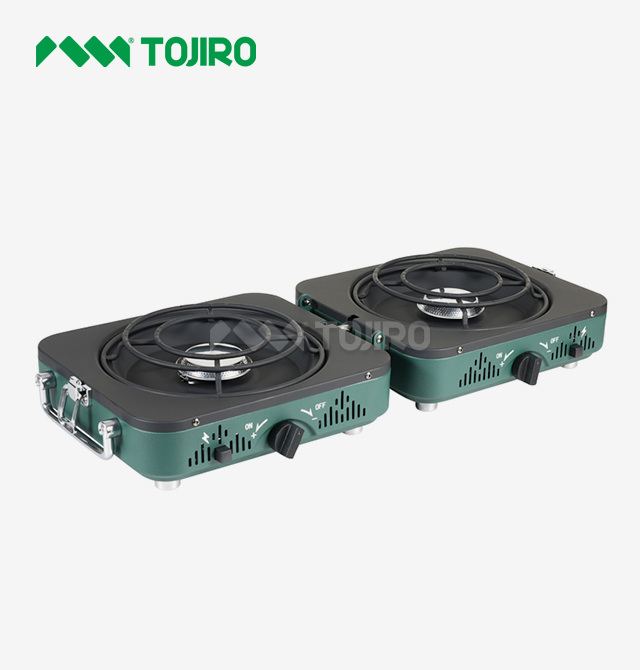 VIEW MOREdouble portable camping stove
_1763619688277.webp) VIEW MOREexterior propane tankless water heater
VIEW MOREexterior propane tankless water heater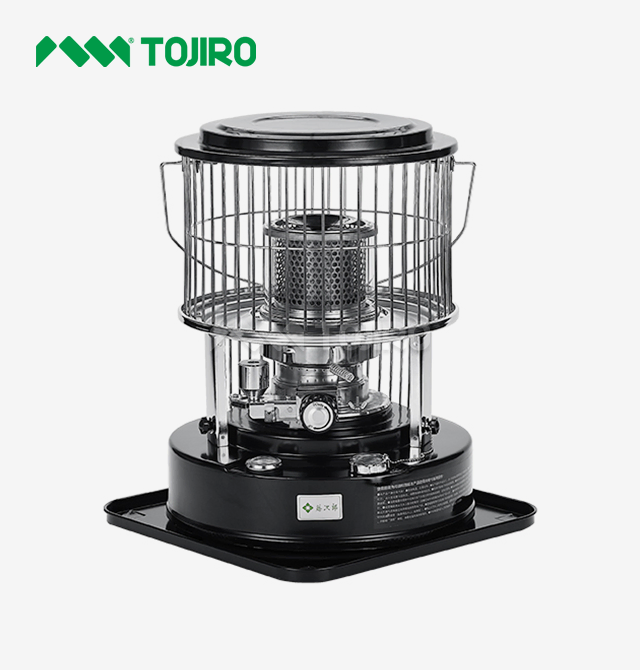 VIEW MOREefficient kerosene heaters
_1763607744591.webp) VIEW MOREportable propane heater with fan
VIEW MOREportable propane heater with fan_1763607672511.webp) VIEW MOREpropane standing patio heater
VIEW MOREpropane standing patio heater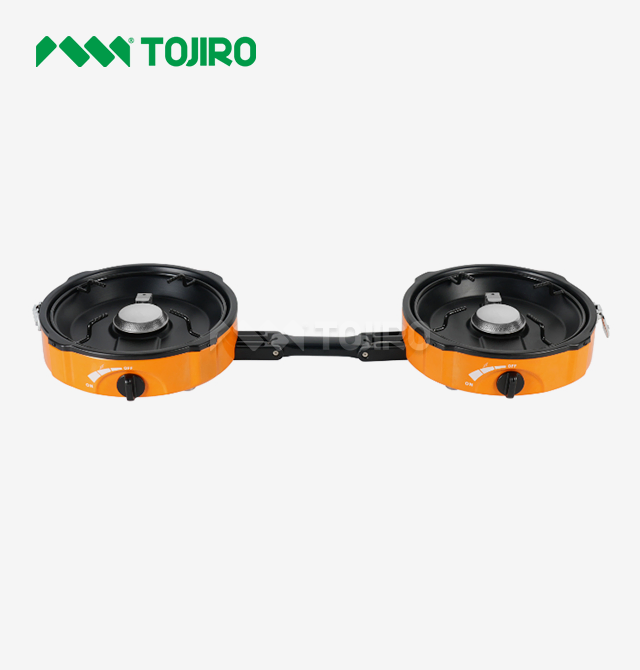 VIEW MOREportable double camping stove
 VIEW MOREbest camp stove for overlanding
_1763606719875.webp) VIEW MOREexterior propane heater
VIEW MOREexterior propane heater