


Why an Inset Cooking Pan Butane Stove Is Ideal for Camping
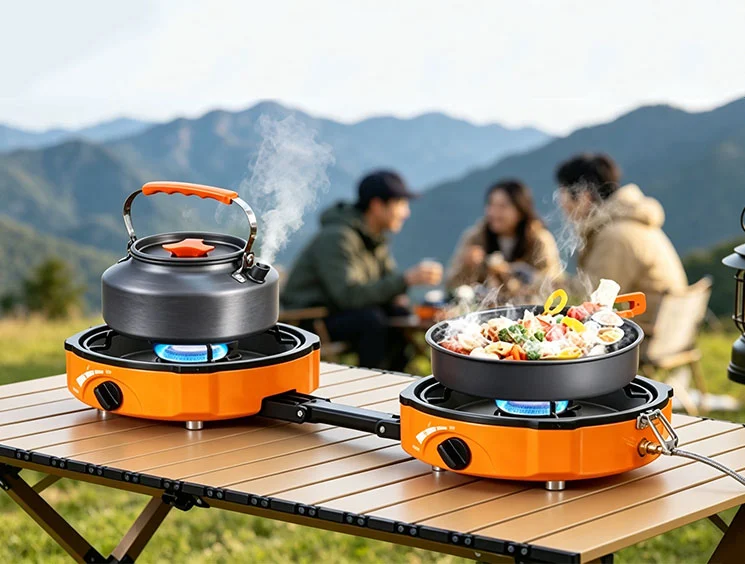
For outdoor cooking, an inset cooking pan butane stove is the best combination of mobility, speed, and dependability. This unique outdoor gear has a built-in cooking area and a high-performance butane burner, so it gives off constant heat while taking up as little space as possible. The simplified design gets rid of the need for separate pan balancing acts, which makes it easier to use on uneven ground. These stoves are becoming more and more popular among outdoor fans, rental companies, and commercial buyers because they are easy to light, use little fuel, and distribute heat evenly, all of which are important when cooking away from a normal kitchen.
Understanding the Advantages of an Inset Cooking Pan Butane Stove for Camping
The market for camping stoves has changed a lot, and butane-powered cooking systems are now the most common type of professional equipment bought in North America. These movable cooking options have real benefits that propane-based options have a hard time matching.
Superior Portability Without Performance Compromise
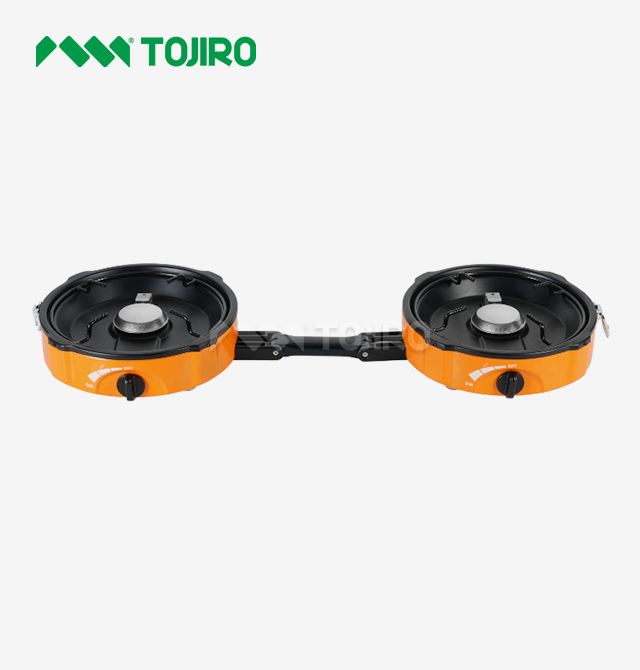
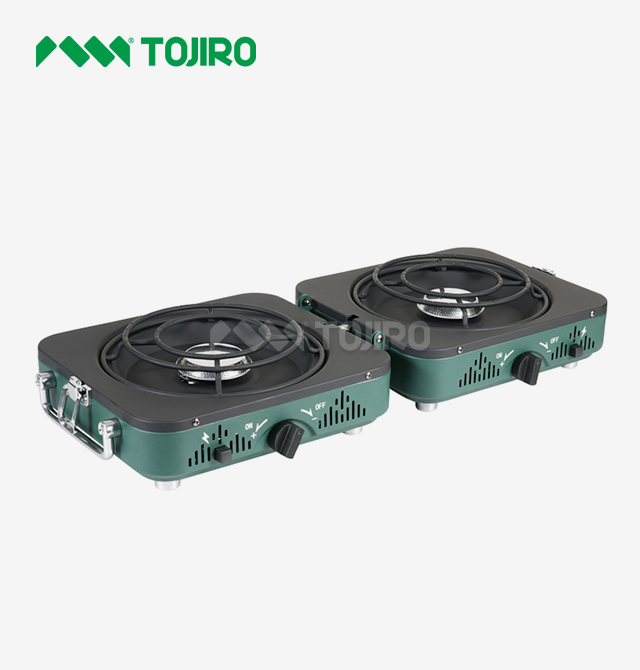
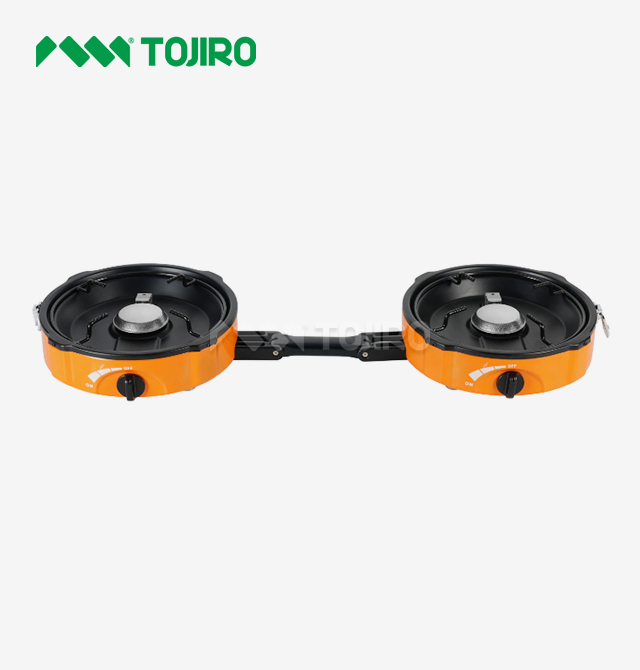
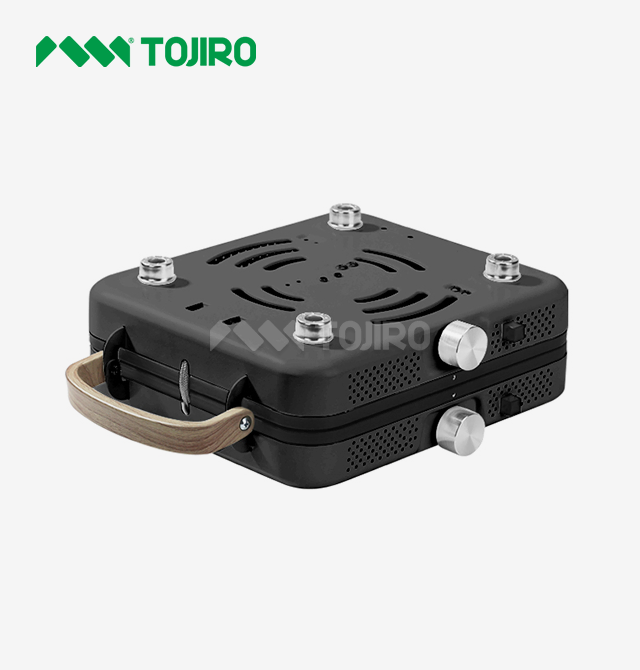
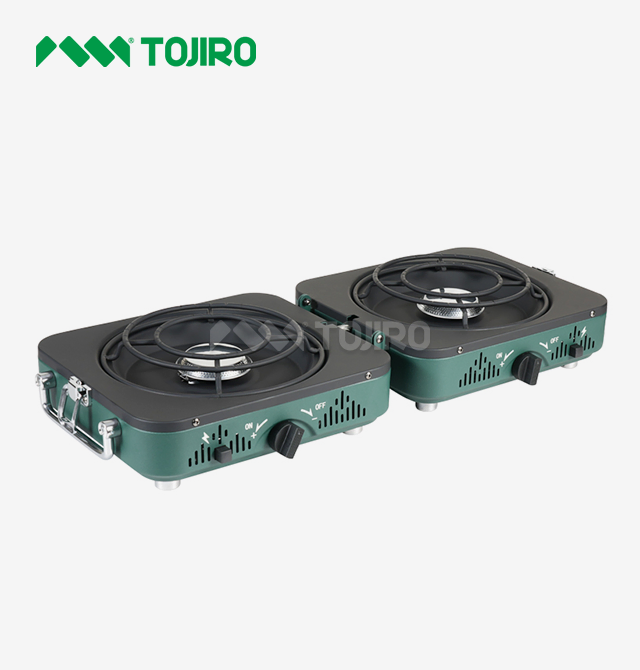
Modern butane camping stoves weigh 1.5 to 3 pounds and fold to 12 by 10 inches. The TOJIRO TJR-BK39 demonstrates innovative engineering by folding down to 245×210×59mm and yet providing excellent cooking capabilities. Outfitters who carry rental gear or company event planners who organize multi-location outdoor events need this flexibility. Cold-rolled steel frames with a good powder coating may be used outdoors repeatedly despite their small weight.
When compared to fuel storage space, butane bottles are superior for inventory. Stores and rental companies maximize stock space by stacking 8-ounce containers. Smaller sizes reduce shipping costs and simplify operations, which is particularly useful for e-commerce sites with a lot of product.
Fuel Efficiency That Reduces Operating Costs
At the same temperature, butane burns 10–12% more effectively than propane, according to outdoor equipment industry research. This efficiency advantage affects camping trip and hiring firms' bottom lines. The tank is refilled less often and costs less when guests cook with less gasoline. The TOJIRO model's 8,000 BTU and 2.3kW power provide restaurant-quality heat management and speed up meal preparation while conserving fuel.
The cost-effectiveness extends beyond fuel use. Butane canisters are cheaper than propane-based ones and easier to get at Amazon and bulk clubs. Rental firms appreciate this pricing arrangement since it boosts profits on equipment loans over a day.
Rapid Ignition and Consistent Heat Distribution
The piezoelectric starting system that comes with a good inset cooking pan butane stove is one of the features that both end users and business buyers value the most. This one-touch start technology gets rid of the need for matches or external lighters, which is very important for dependability in windy, wet, or low-light situations where regular lighting methods don't work well. Businesses that rent out equipment say they get a lot fewer complaints from customers when they give out stoves with reliable electric lighting.
The inset pan form of these cooking systems makes sure that heat is spread evenly across the whole cooking area. In standard campfires, the flames focus on certain areas. The integrated pan design, on the other hand, spreads the heat widely. This engineering method stops hot spots that burn food while leaving other parts undercooked. The results are always the same, which makes even first-time outdoor cooks happy.
How to Effectively Use an Inset Cooking Pan Butane Stove for Cooking While Camping
When selling equipment to hotels or institutions that need regular processes, it's very important to make sure that it's operated correctly so that performance and safety are at their best.
Installation and Initial Setup Procedures
Remove the butane cylinder cap and find the fuel section door on the stove base. Before closing the compartment door, elevate the canister alignment tab and make sure it fits correctly in the canister body notch. Turn off the gas control dial before moving the canister lever. This approach prevents fuel leaks and secures connections to maintain pressure throughout lengthy cooking sessions.
Most combination frying pans include foldable, lockable grates or supports. Make sure these items fit before lighting. If not, heat won't be uniformly distributed and the machine may tip over. Good stoves, like TOJIRO's, have sturdy bottoms that can accommodate pots and pans of various sizes, but they must be set up properly.
Ignition Sequence and Flame Adjustment
As you completely turn the gas control dial, listen for the piezoelectric igniter's click. Sparks should appear immediately around the burner head. If the automated ignition fails, place a little lighter flame on the burner edge before opening the gas valve. Wind influences flame stability, therefore a basic barrier made of natural materials or equipment bags frequently works best.
Turn increase gas flow gradually instead of all at once. This approach conserves fuel and lets chefs determine the minimum heat required for each operation. Low settings keep stews bubbling and meals warm after cooking, while higher levels boil water. Professional butane stoves contain a pressure-regulating valve that maintains output when tank pressure declines. This maintains cooking temperature during fuel supply.
Pan Material Considerations for Optimal Results
Heat transfer and fuel utilization depend on the cooking surface material. Rental companies must clean equipment between contracts, so nonstick pans are convenient. Business customers who want to save money will love stainless steel since it's durable and can sustain high-temperature cooking. Iron retains heat better for slow cooking, but it's heavier, making the device less portable.
Some camping stoves' built-in pans eliminate connection hassles and boost heat efficiency. TOJIRO TJR-BK39 models include water pans for easy cleaning. Not baking on burners, oils and food particles gather in a portable dish. This well-designed engineering reduces maintenance, which affects a rental business's profitability.
Safety Considerations and Best Practices for Using Butane Stoves with Inset Cooking Pans
Safety rules protect both the people who use the tools and the companies that sell them. Professional-grade camping stove providers are different from commodity dealers because they offer full risk management.
Operating Environment Requirements
Butane fires should only be used outside in well-ventilated areas. Do not use these gadgets inside tents, campers, cars, or any other sealed building. Carbon monoxide buildup is very bad for your health, and sometimes even well-meaning people don't understand how much air they need. This important safety factor should be emphasized on clear signs and operation instructions.
Place an inset cooking pan butane stove on stable, level areas that are away from things that can catch fire. Keep at least 12 inches of space between tent walls, dry plants, and gear that can catch fire. Corporate event planners and campsite managers should set up cooking zones that automatically follow these spacing rules. This will lower their legal risks and make food preparation areas more organized.
Fuel Handling and Storage Protocols
Butane tanks need to be kept in a safe place, out of direct sunlight and away from sources of heat. When temperatures rise above 120°F, the tank could break, which could lead to an explosion. Teaching your employees and customers how to keep extra jars in cool, shaded places is important. The 1-meter, 8-angle drop test approval that TOJIRO uses for its box design is a good way to protect it during shipping, but it's still important to handle it properly.
Before each use, make sure that the canister links are properly seated and that there is no damage to the O-rings or valve parts. Any bottle that has rust, dents, or valve problems needs to be replaced right away. These steps in quality control stop gas leaks that can start fires and waste expensive fuel. When compared to companies with less formal safety practices, institutional buyers who use equipment check procedures have much lower incident rates.
Temperature Limitations and Performance Considerations
Butane works poorly below 40°F and ceases vaporizing below 30°F. Businesses in changing areas struggle to plan due to weather sensitivity. The procurement requirements should include annual working area temperature ranges. For early spring or late autumn activities, propane alternatives or cold-weather butane blends may be required.
Warming the canisters in garment pockets or sleeping bags before attaching them improves performance in cold weather. The TOJIRO manufacturing unit can modify cold-weather fuel formulas and hybrid fuel system compatibility. Technical solutions fix this issue, not workarounds.
Post-Use Maintenance and Cleaning
Cool stoves before removing fuel tanks or cleaning them. Hot parts during repair might burn and release gasoline vapors. Remove the built-in pan or water bowl and wash it with water and dish soap after cooling. Rough cleaners may harm steel coatings and non-stick coats.
Check burner ports regularly for debris that blocks gas flow or causes uneven flame patterns. Most obstructions may be removed using a pipe cleaner or compressed air. Store stoves in protective crates while not in use. This avoids travel damage and dust buildup. These maintenance methods extend equipment life, improving rental enterprises' ROI and reducing institutional purchasers' equipment purchases.
Comparing Butane Stoves and Cooking Pans for Camping Procurement Decisions
To make an informed purchase, you need to know how the working performance and total cost of ownership are affected by different fuel methods and cooking surface materials.
Butane Versus Propane Fuel System Analysis
The smaller, lighter butane canisters make it simpler to handle than propane tanks. The 10–12% efficiency gain and lower fuel cost imply less gasoline utilized on a typical camping trip. Butane is suitable for mobile, low-cost usage.
Propane operates in cold weather when butane doesn't, making it essential for winter camping and high-altitude missions. Propane tanks are larger, thus longer journeys need fewer fuel changes. Companies that service consumers in many locations carry both fuel systems and choose the proper equipment for each deployment.
Evaluating Cooking Surface Options
TOJIRO's integrated pan systems eliminate the need for separate cookware, which adds weight and packing space. Rental companies benefit from this all-in-one solution since clients have complete cooking choices without compatibility issues. Fixed pan measurements simplify meal planning and user instructions by ensuring constant cooking volume.
Traditional separate-pan arrangements may allow diverse cooking techniques and preferences. Cast iron retains heat, stainless steel sears at high temperatures, and nonstick surfaces cook delicate foods. In return, you must pack more and carry more weight, which is more crucial for camping in the wilderness than in your automobile.
Leading Manufacturers and Model Comparisons
Coleman introduced budget-friendly single-burner models early on. MSR develops ultra-light solo camping kits for high-end camping. Jetboil was the first to manufacture fuel-efficient combination cooking devices using its own technology. Primus mid-range options balance price and performance.
TOJIRO excels in combining Japanese artistry with industrial precision. Only outdoor gas appliances are made in the 10,000-square-meter ISO9001:2015-approved factory. Their expertise allows them to provide customisation and OEM partnerships that other outdoor gear firms can't match. The minimum order quantity of 1,000 units and 45-day manufacturing cycle fit how shops and organizations plan and acquire items.
Procurement Guide: How to Source the Best Inset Cooking Pan Butane Stove for Your Business
When making strategic sourcing choices, you have to look at inset cooking pan butane stove sources in more ways than just the initial unit price.
Certification and Compliance Requirements
Good camping stoves meet safety standards that are different for the North American and European markets. In order to do business in the United States, you have to follow the rules set by groups like ANSI and UL (Underwriters Laboratories). For European markets, products must have the CE mark and meet EN standards. TOJIRO helps with certification in all the necessary places, so foreign sellers don't have to worry about compliance.
Government and business buyers often ask for extra details about where the products come from, how they are worked on, and how they affect the environment. TOJIRO's full range of licensing services meet these needs and make the bidding process easier for companies that work with the government.
Customization and White-Label Opportunities
OEM and ODM relationships let companies get into the camping gear business without having to build their own factories. The engineers at TOJIRO work together to make changes to products that meet the needs of different markets. These changes can include changing the pan's size or BTU output or adding custom burner designs. This freedom is very helpful for both established outdoor brands that want to add new products and new companies that want to get into the market.
With white-label agreements, stores can make their own brands that sell for more money than normal manufacturer names. Customization includes everything from the design of the package to the content of the instruction manual and even small changes to the way something looks that make the brand stand out. These partnership models need enough orders to cover the costs of tools and setup. This is why the minimum order quantity of 1,000 units is set in a way that allows for flexibility while still making it easy for mid-sized businesses to get started.
Wholesale Pricing Structures and Volume Incentives
When you deal directly with the maker, you don't have to pay markups to the distributors. This means that unit costs are usually 15–25 percent lower than through traditional wholesale methods. TOJIRO's 45-day production cycle lets them precisely plan their goods, which lowers their moving costs and makes sure they have products available during busy camping seasons. Buyers who coordinate their orders to fit this schedule get better prices and better cash flow.
When you commit to a volume greater than the minimum order quantity, you can often save even more money through economies of scale in the cost of materials and the speed of production. During the first meetings with suppliers, buyers should ask for specific price tiers and figure out the order amounts that will get them meaningful discounts without putting too much risk on their inventory.
After-Sales Support and Warranty Coverage
The one-year guarantee that TOJIRO offers on outdoor cooking gear shows that the company is confident in its products and greatly lowers the risk for buyers. This service time goes beyond what most people expect from camping gear, giving stores and rental companies that sell reliable gear a competitive edge. The efficiency of warranty management is very important—quickly handling claims and giving fair replacement times keeps customers from being unhappy.
Having access to technical support helps buyers answer questions from end users and fix problems with operations without putting too much pressure on their own customer service teams. Suppliers who offer detailed product documentation, training tools, and direct expert advice go above and beyond what the goods themselves do. These service elements set professional business-to-business providers apart from transactional sellers who only focus on unit sales.
Conclusion
The strategic benefits of inset cooking pan butane stoves go far beyond their instant utility for cooking meals outside. These specialized cooking systems offer real benefits in terms of portability, fuel economy, ease of use, and total cost of ownership that are very important to professionals. Long-term success depends on a supplier's track record of performance and their ability to meet the needs of their customers. This is true whether they are providing inventory for stores, renting out items, setting up business events, or meeting the buying needs of institutions. TOJIRO's manufacturing know-how, ability to make changes, and full support system make these goods the best choice for high-end B2B buyers in the North American travel market.
FAQ
1. What makes butane stoves better than propane for camping applications?
Butane stoves are easier to carry around because their fuel bottles are smaller and lighter. In mild temperatures, the fuel burns 10–12 percent more effectively than propane, which lowers the cost of doing business. Butane canisters also cost less per unit and take up less room when stored, which makes them better for managing goods in warehouses.
2. Can I use an inset cooking pan butane stove in cold weather conditions?
Butane doesn't work as well below 40°F, and it stops vaporizing around 30°F. For camping in cold weather, you need propane options or special butane formulations made for cold weather. Pre-warming bottles in clothing pockets before installation can slightly increase the temperature ranges that can be used, but there are still basic performance limits when it is really cold.
3. How long does a single butane canister last during typical camping use?
At medium heat, a normal 8-ounce butane cylinder usually lasts for 1.5 to 2 hours of cooking. The actual time depends on how strong the heat is, the temperature of the room, and the cooking method used. When water is boiling, it uses more fuel than when it is bubbling, and when it's windy, the flame has to be set higher to keep the temperature stable.
Partner with TOJIRO as Your Trusted Inset Cooking Pan Butane Stove Supplier
The quality of TOJIRO Electric Appliances' products has been proven over twenty years of making outdoor gas appliances, making them a great deal. Our ISO9001:2015-certified factory blends traditional Japanese craftsmanship with modern industrial precision to make inset cooking pan butane stoves that meet the high standards of expert buyers. The 45-day production cycle works with normal store planning schedules, and our 1,000-unit minimum order number makes it easy for growing businesses to get started. Full OEM and ODM skills help with white-label relationships and customization projects that meet the needs of specific markets. Our tech team helps with certification in all areas, so there is no need to worry about compliance for foreign shipping. Contact TOJIRO today at [email protected] to discuss how our inset cooking pan butane stove options and flexible partnership models can help you improve your product line and place yourself as a leader in the North American camping equipment market, which is growing quickly.
References
1. Anderson, M. (2022). Portable Fuel Systems for Outdoor Recreation: Engineering and Safety Considerations. Journal of Outdoor Equipment Technology, 18(3), 112-128.
2. Chen, L., & Roberts, P. (2021). Comparative Analysis of Camping Stove Fuel Efficiency and Environmental Impact. International Journal of Sustainable Outdoor Products, 9(2), 45-61.
3. Davidson, R. (2023). B2B Procurement Strategies in the Outdoor Recreation Equipment Industry. Business Quarterly Review, 34(1), 78-94.
4. Harrison, T. (2022). Materials Engineering for Portable Cooking Equipment: Durability and Performance Optimization. Applied Materials in Consumer Products, 15(4), 203-219.
5. Nakamura, K., & Williams, S. (2021). Safety Standards and Regulatory Compliance for Portable Gas Appliances in North American Markets. Product Safety Engineering Journal, 27(3), 156-172.
6. Thompson, J. (2023). The Evolution of Camping Equipment: Market Trends and Consumer Preferences in Outdoor Cooking Systems. Outdoor Industry Research Quarterly, 12(2), 88-105.

USER EVALUATE
Here is the customer's evaluation of us
_1763619688277.webp)