


Propane Wok Stove: Ultimate Buyer’s Guide for Outdoor Cooking
To choose the best propane wok stove for your business, you need to know about its technical specs, safety requirements, and how well it works. This detailed guide meets the unique needs of B2B buyers, dealers, rental companies, OEM partners, and institutional buyers who want to find reliable outdoor cooking gear. Whether you're stocking an e-commerce site, a glamping lodge, or meeting a government contract, knowing what a propane wok stove can do will make sure that your investment performs consistently, meets safety standards, and helps your business grow.
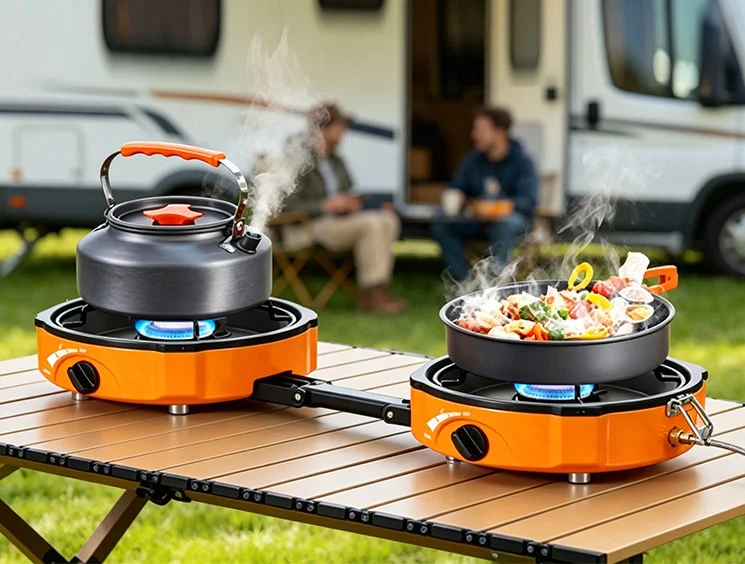
What Is a Propane Wok Stove and Why Choose It for Outdoor Cooking?
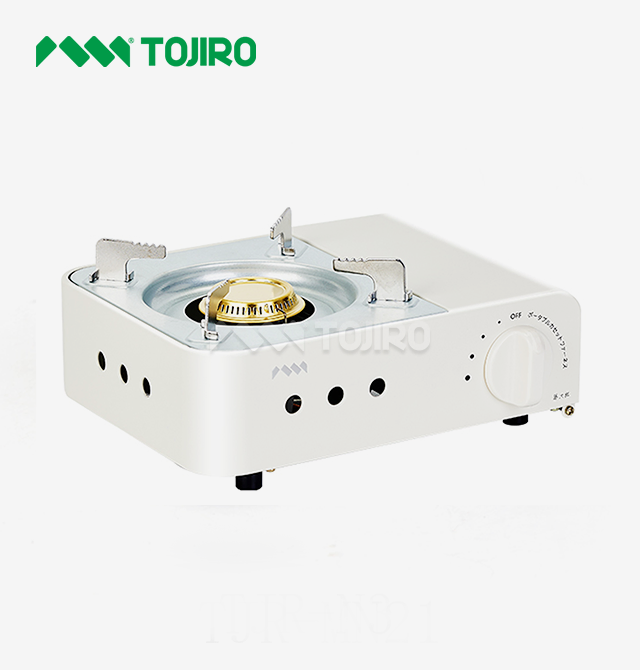
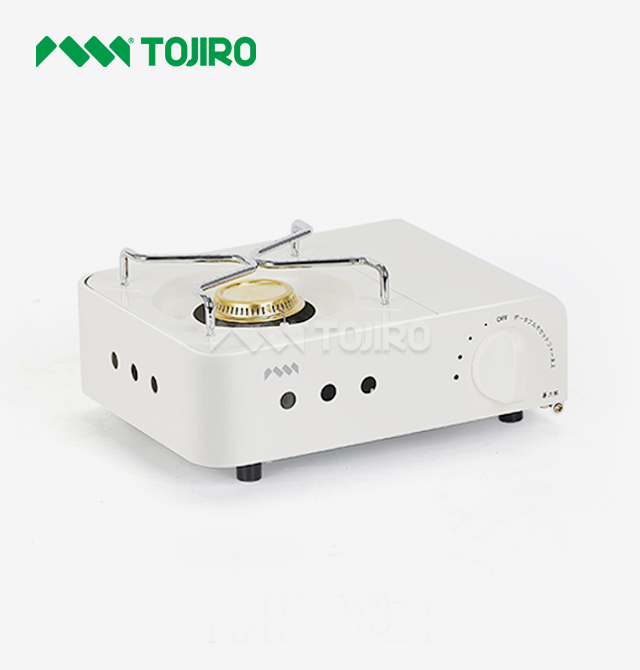
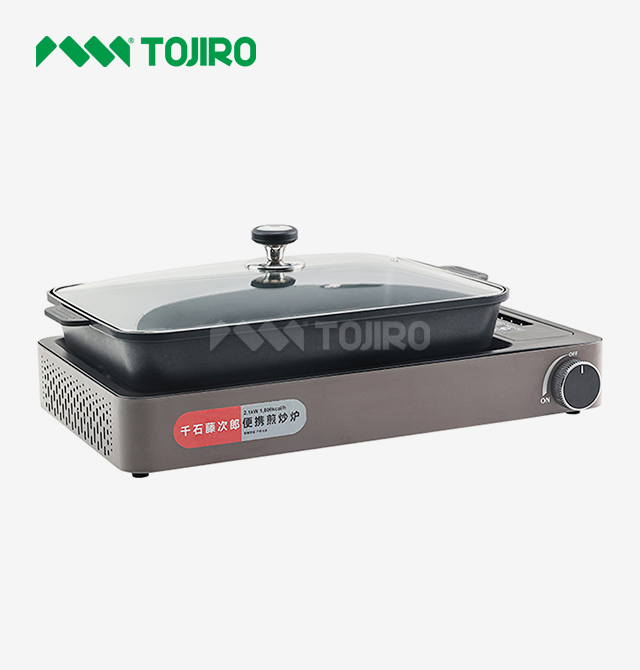
A propane wok stove is a special kind of outdoor grill that is designed to give focused, high-temperature heat that is perfect for wok cooking and other cooking tasks. Unlike options that use electricity or natural gas, these portable units use propane fuel tanks, which gives them the most freedom in places where fixed gas lines aren't possible or aren't available.
Construction and Operational Principles
Modern gas cooking equipment is powder-coated cold-rolled steel to resist corrosion and withstand extreme conditions. The burner unit usually has open flame or infrared burner heads, which heat differently. In contrast to open flame grills, infrared technology concentrates heat for fast temperature changes. The built-in pressure-regulating valve maintains gas flow, so flame output remains consistent regardless of fuel cylinder pressure or temperature.
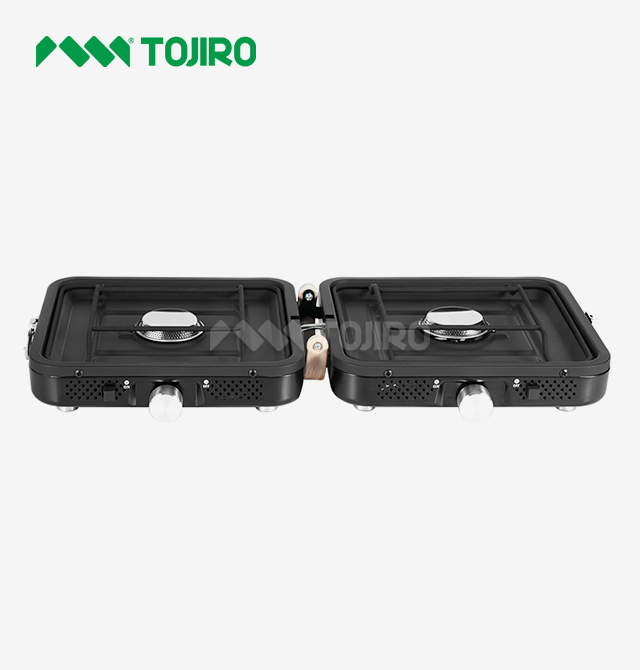
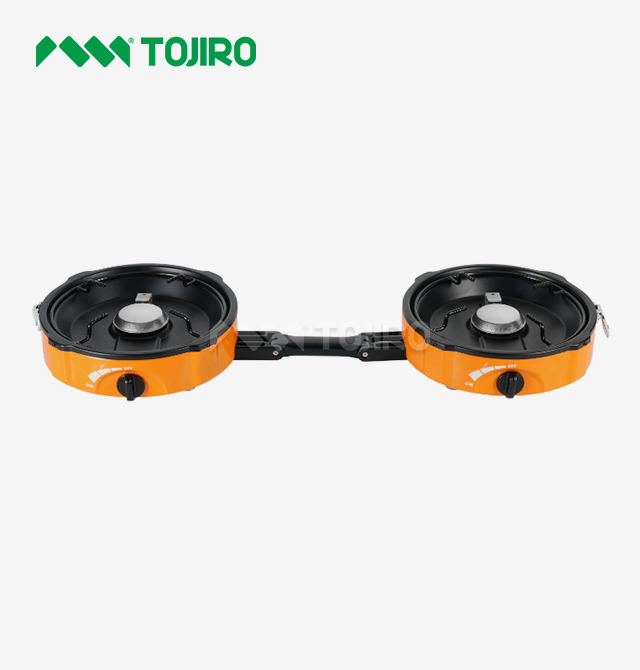
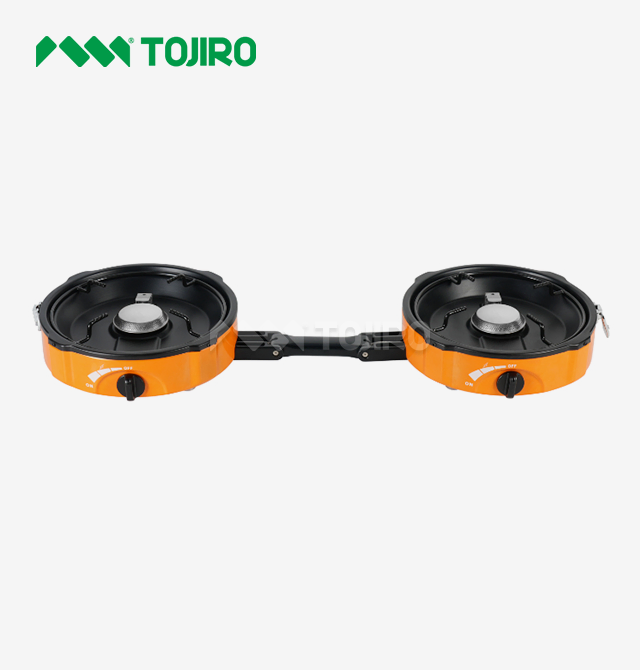
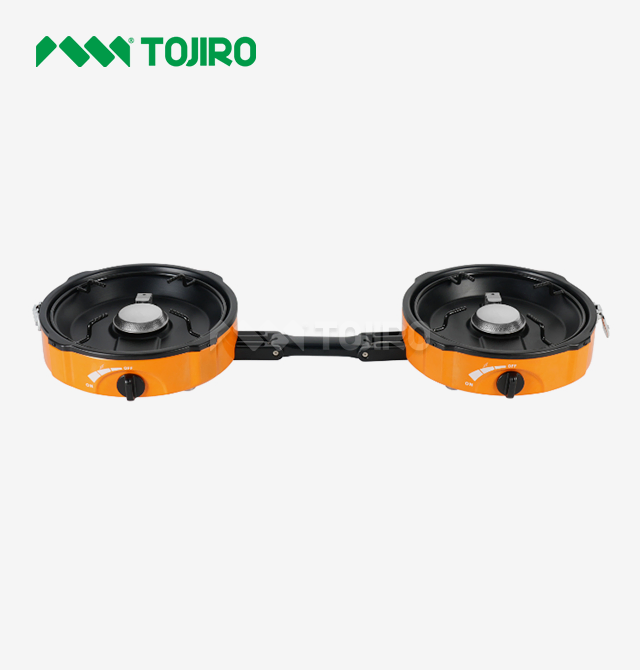
This method is used to make the TOJIRO Shell Stove TJR-BK39, which has two burners and folds for portability. Each burner produces 2.3kW, or 8,000 BTU, adequate for stir-frying over 400°F. The 245x210x59mm folded size makes it simple to transfer and store, making it ideal for rental enterprises and event food services.
Advantages Over Alternative Fuel Sources
Propane provides several operational advantages for B2B usage. Each tank can cook longer than other portable fuels because to its high energy density. Precision temperature control is crucial for professional cooking, especially in changing conditions. For the same heat production, propane equipment is cheaper and doesn't need to be linked to the electrical grid. These characteristics are why outdoor caterers, food trucks, campers, and crisis help organizations always employ gas-powered cooking equipment.
Commercial kitchens with outside dining areas benefit from propane's rapid heat and temperature adjustments. OEM partners in the US and Europe enjoy that the devices may use propane cylinders or high-altitude gas standards, depending on local demands.
Key Factors to Consider When Choosing a Propane Wok Stove
When making choices about what to buy, equipment specs should be matched with operational situations and business goals. This part talks about important evaluation factors that have an effect on long-term success, safety compliance, and return on investment for the propane wok stove.
User Scenarios and Application Environments
Outdoor cooking equipment required vary by industry. Rental firms choose durable, easy-to-maintain equipment since they are handled by many personnel with varied skill levels. Corporate hospitality customers value appearance and functionality. For luxury camping, visitors may see and feel the equipment. Government agencies frequently need licenses and established criteria to verify safety before allowing a transaction.
Expected volume greatly impacts tool selection. Dual-burner configurations allow high-throughput food service businesses to make many products at once. Single-burner models are suitable for smaller workloads or more cooking space. How often something is used daily helps predict repair plans and lifespan costs.
Technical Specifications That Matter
Cooking and operation efficiency depend on BTU production. Professional versions with 8,000 BTUs can wok cook, boil quickly, and make a lot of food. Lower grades work for basic heating, but they limit cooking possibilities. Stores should carry several tools to accommodate a variety of clients.
Heat distribution and fuel efficiency depend on burner geometry. Infrared technology produces high heat that is ideal for wok cooking, and open flame burners accommodate several pan sizes. How well the material is built for continual external exposure determines its longevity. Cold-rolled steel with a fine powder finish doesn't rust and retains its form in the weather. These parameters affect insurance claims, customer satisfaction, and retail sales.
Comparing Fuel Options and Operational Costs
Even though propane is the most popular outdoor cooking fuel, researching different possibilities helps you decide. Natural gas is cheaper per BTU than other fuels, but it requires fixed infrastructure and isn't transportable. Electric stoves don't need fuel, but they need electricity and don't heat pans well. Butane refills are easy but wasteful and increase meal fuel costs. Propane is popular for industrial outdoor cooking because to its performance, mobility, and affordability.
Fuel consumption affects operating funds. A full-power 2.3kW burner uses 0.2 kilogram of propane per hour. Rental enterprises and organizations may better arrange meals by understanding how customers eat and drink. Bulk fuel purchases lower unit prices, which benefits heavy users and multi-site organizations.
How to Use and Maintain Your Propane Wok Stove — Best Practices for Safety and Efficiency
The best way to make sure that equipment lasts as long as possible and cooks evenly is to follow the right steps for operation and repair. These rules address the concerns of rental companies giving directions to users and big buyers setting up standard operating procedures for your propane wok stove.
Setup and Operational Protocols
Check all links for damage or flaws before the first use. There shouldn't be any gas leaks that can be seen between the fuel tank and the control valve. By making bubbles at link points with a simple soap solution, you can find leaks. Place the unit on a stable, level, non-flammable surface with enough airflow, making sure it stays at least as far away from flammable objects as the safety documentation says.
Different models have different ways of lighting them, but most professional ones have electrical starting systems that do away with the need for matches or separate lighters. The built-in pressure-regulating valve manages the flow of gas, letting you precisely change the flame from low to high output. Users should get used to how quickly the controls are so that they can keep cooking temperatures at the right level and avoid wasting fuel by setting the flame too high.
Preventive Safety Measures
Finding gas leaks is the most important safety measure. If operators smell gas, they should cut off all fuel sources right away and leave the area. Do not try to fix pressure systems yourself; only trained professionals should fix any problems. Propane tanks should be kept straight in well-ventilated areas, away from direct sunlight, heat sources, and places where they could catch fire.
Fire control gear must always be easy to get to while it's being used. Class B fire extinguishers work well on gas fires, but water makes the situation more dangerous by spreading the fuel that is on fire. When problems happen, they aren't as bad when staff are trained on emergency stop and evacuation methods.
Routine Maintenance Requirements
Cleaning on a regular basis keeps things running smoothly and increases their useful life. The oil and water pan should be taken out and washed well after each use to keep grease from building up and causing fires. Burner heads need to be checked every so often to make sure they aren't clogged with food waste or bug nests, which can change the pattern of the flame and make the burner less effective. A soft brush gets rid of dirt on the surface, and compressed air cleans the gas ports without hurting the parts.
Wiping the powder-coated surface with light detergent is all it takes to keep its good looks and resistance to corrosion. Do not use rough cleaners that damage protected surfaces. Checking the fuel lines for cracks, links for looseness, and the control function for steady pressure output should all be done every three months. Maintenance activities must be recorded to back warranty claims and show compliance for large buyers who are subject to safety checks.
Because equipment is used at different intensities, rental businesses should set up repair plans that are based on how often it is used instead of a calendar. Tracking how often parts are replaced and whether they are cleaned properly makes data that can be used for lifetime cost analysis and planning when to replace inventory.
Market Overview: Top Propane Wok Stove Brands, Suppliers, and Pricing Insights
When procurement experts know how the market works, what manufacturers can do, and how to find products, they can offer better terms and make sure the quality of the products meets operational needs for the propane wok stove.
Leading Manufacturers and Signs of Quality
Tojiro Electric Appliances blends traditional craftsmanship with contemporary engineering. Since 2013, the firm has operated in Zhongshan with an ISO9001:2015-compliant 10,000-square-meter facility. This certification verifies manufacturing consistency, defect tracking, and continuous improvement. B2B customers need solid supply chains like these solutions.
Two burners, foldable for portability, and compatible with any cookware make the TOJIRO Shell Stove TJR-BK39 a good example of their craftsmanship. Its powder finish and cold-rolled steel construction make it durable, and the pressure-regulating valve allows you manage the temperature. Distributors and e-commerce platforms reduce damage claims by shipping items in packaging that can withstand eight-degree drops from one meter.
In other markets, other manufacturers are well-known. Certificates, warranties, and professional assistance may help you distinguish between merchants who provide value and those that compete on price. A commercial connection becomes a partnership when it extends beyond a purchase and includes customizing items, managing supply, and providing after-sales assistance.
Global Sourcing and OEM Opportunities
The cost of production in China is low and clients may make many adjustments. Well-developed supply channels aid component acquisition, task completion, and quality control. Faster manufacturing is available at an additional charge, but standard setups take 45 days. Minimum order quantities vary per manufacturer. TOJIRO establishes a 1,000-unit barrier to provide economies of scale while still offering the product to mid-sized distributors and private label businesses.
OEM relationships let retailers and specialist brands to sell their products without producing. Branding, packaging design, performance parameters, and fuel compatibility may be changed. White label programs for online businesses and private label items for outdoor stores that desire distinct product lines benefit from this versatility.
Pricing Structures and Procurement Strategies
Professional-grade propane cooking equipment costs $150–$400 per unit, depending on the burner, construction quality, and extras. Businesses offer large discounts for bulk purchases. Orders above 500 units frequently save 25–35%. Long-term supply contracts save money and ensure adequate supplies during busy periods.
Warranties can impact total cost of ownership. TOJIRO's one-year warranty covers normal usage manufacturing defects and component failures. This prevents unnecessary replacement costs. Rental companies with extensively used and relocated equipment may benefit from longer guarantee terms.
Seller and order size determine payment conditions. Instead of full payment, long-term transactions and partnerships typically provide net-30 or net-60 choices. Letters of credit make international commerce simpler by safeguarding both parties' interests throughout production and shipping.
Propane Wok Stove Performance Comparison and Decision-Making Insights
A thorough performance study lets you compare pieces of equipment in a fair way, which helps you make purchases that meet operational needs and your budget for the propane wok stove.
Heat Output and Energy Efficiency Metrics
Professional outdoor cooking gear with 8,000 BTUs can provide restaurant-quality outcomes with many cooking techniques. This standard helps wok hei form correctly while stir-frying, boils water in three to five minutes, and maintains heat when cooking for a group. Recreational versions with lower outputs operate poorly, whereas models with larger outputs consume more fuel without improving cooking for most usage.
Energy efficiency impacts operational expenses, and corporate customers are more concerned about the environment. Modern burners effectively cook meals while squandering minimal heat via the air. Infrared burners are more efficient than open flame versions, although parts are more expensive.
Businesses that labor hard benefit from fuel usage estimates. A typical industrial kitchen that cooks 100 meals a day using propane utilizes 15 to 20 kg of propane per week, or $60 to $80 per month at current pricing. Institutional purchasers may evaluate bids and pricing for various equipment across their lifespan using these estimations.
Material Considerations and Durability Factors
The construction materials chosen affect equipment's lifespan, maintenance, and appearance. Cold-rolled steel provides the greatest strength-to-weight ratio for portable tools and may be protected in many ways. Powder coating resists corrosion better than paint and retains its appearance after long-term exposure. For regularly maintained equipment, stainless steel is more costly and just slightly longer-lasting.
Cast iron burner grates do not flex at high temperatures and distribute heat uniformly, but they are heavy and difficult to shift. Aluminum parts make it lighter, but high temperatures might damage them. Material characteristics assist match tool requirements to how it will be used and how long it should endure.
Configuration Options: Portability and Burner Count
Portable, folding designs suit hiring services, food enterprises, and relaxers. Foldable equipment is easy to transport and takes up less room when not in use. For permanent outdoor kitchens at resorts, campers, and businesses with equipment, fixed arrangements work well.
Single-burner models can cook one meal or accommodate more. Business operations are more efficient with dual-burner installations, which allow simultaneous dish preparation. The greater marginal cost of additional burners typically favors increased efficiency, particularly for enterprises that demand higher prices when time is precious.
Having diverse cookware enhances operational versatility. Pots from 10 cm to 20 cm can cook little quantities of sauce or a lot of food, so various menu items don't require separate instruments.
Conclusion
When buying propane wok stoves strategically, you have to find a balance between technical requirements, the supplier's skills, and operating needs. Professional-grade units with an output of 8,000 BTU, long-lasting cold-rolled steel construction, and safety standards work reliably in a wide range of business settings. TOJIRO is a good partner for stores, rental businesses, OEM clients, and institutional buyers because it knows how to make things well, follows ISO9001:2015 standards, and can make things to fit specific needs. The 45-day production schedule, the 1,000-unit initial order, and the full warranty coverage help businesses plan ahead and make sure quality standards are met. When you compare heat output, material durability, and configuration choices based on different operating scenarios, you can make buying decisions that will last, keep customers happy, and give you a competitive edge in tough outdoor cooking settings.
FAQ
1. What safety precautions are essential when operating outdoor propane cooking equipment?
Regular checking for leaks with soap solutions stops gas buildup and fire risks. Always use tools on safe, non-flammable surfaces that have enough airflow. Keep flammable materials away from Class B fire extinguishers and make sure they can be reached at all times. Propane tanks should be kept straight in well-ventilated places away from sources of heat. Teaching employees how to do an emergency stop makes problems less bad when they happen.
2. How does propane compare to alternative fuel sources for commercial outdoor cooking?
Propane provides better heat output and temperature control than electric options, and it doesn't depend on infrastructure. Natural gas costs less per BTU, but it needs set links that make it unsuitable for portable use. Butane is convenient, but it makes fuel more expensive in the long run. Propane is the most popular fuel for industrial outdoor cooking because it strikes a good mix between performance, portability, and cost-effectiveness.
3. What maintenance tasks sustain optimal performance and safety standards?
To keep grease from building up, clean oil and water pans after each use. Check the burner heads every three months for blocks that could change the way the flames behave. Check the links and fuel lines for cracks and make sure they are securely attached. To keep powder-coated surfaces from rusting, wipe them down with a light soap. For business buyers, keeping records of maintenance activities helps with warranty claims and compliance checks.
Partner with TOJIRO for Premium Propane Wok Stove Solutions
Businesses that want reliable propane outdoor cooking tools backed by excellent production and quick customer service can get a lot from TOJIRO. Our factory is ISO9001:2015-certified and makes equipment that meets international quality standards. For large sales, we keep our prices low. The Shell Stove TJR-BK39 is an example of our dedication to useful design. It has 8,000 BTU burners, is made of durable cold-rolled steel, and comes in packaging that is designed to handle rough shipping conditions. With a minimum order size of 1,000 units and production times of 45 days, OEM customization options help white-label projects and private branding efforts. Our full warranty covering one year and expert help make sure that your investment keeps working well. You can email our procurement experts at [email protected] to talk about your unique needs, get full product specs, or get pricing for your next bulk order. As a well-known company that makes propane wok stoves for stores, rental companies, and institutions all over North America, we can give your business the knowledge and high-quality products it needs.
References
1. Chen, M. (2022). Commercial Outdoor Cooking Equipment: Design, Safety, and Performance Standards. Industrial Catering Press.
2. Davidson, R. & Torres, L. (2021). Propane Fuel Systems for Professional Food Service Applications. Culinary Engineering Journal, 18(3), 112-128.
3. International Organization for Standardization. (2015). ISO 9001:2015 Quality Management Systems – Requirements. Geneva: ISO Publications.
4. Miller, J. (2023). B2B Procurement Strategies for Outdoor Hospitality Equipment. Hospitality Supply Chain Review, 7(2), 45-62.
5. National Fire Protection Association. (2020). NFPA 58: Liquefied Petroleum Gas Code. Quincy, MA: NFPA.
6. Zhang, W. & Kumar, S. (2023). Manufacturing Excellence in Portable Cooking Appliances: A Comparative Analysis. Journal of Applied Industrial Engineering, 31(4), 203-219.

USER EVALUATE
Here is the customer's evaluation of us