


Portable Double Camping Stove: Ultimate Buyer’s Guide 2026
To choose the right portable double camping stove, you need to know what you want to buy and how you want to use it. These two-burner cooking systems are more efficient for stores, rental companies, business hospitality clients, and public buyers who want reliable ways to cook outside. This complete guide looks at important factors like specification requirements for heat output, durability standards for materials, safety compliance requirements, and buying strategies made just for B2B procurement pros. This analysis gives you useful information to help you choose the best equipment for your business, whether you run an e-commerce site, a glamping resort, or make bulk purchases for the government. It does this by balancing performance needs with cost and supplier reliability.
Understanding Portable Double Camping Stoves: Features, Benefits, and Safety
Core Components and Operational Advantages
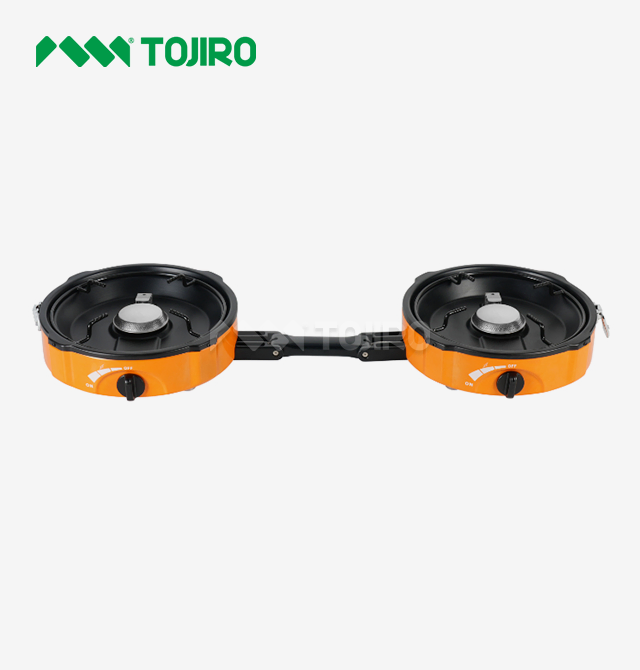
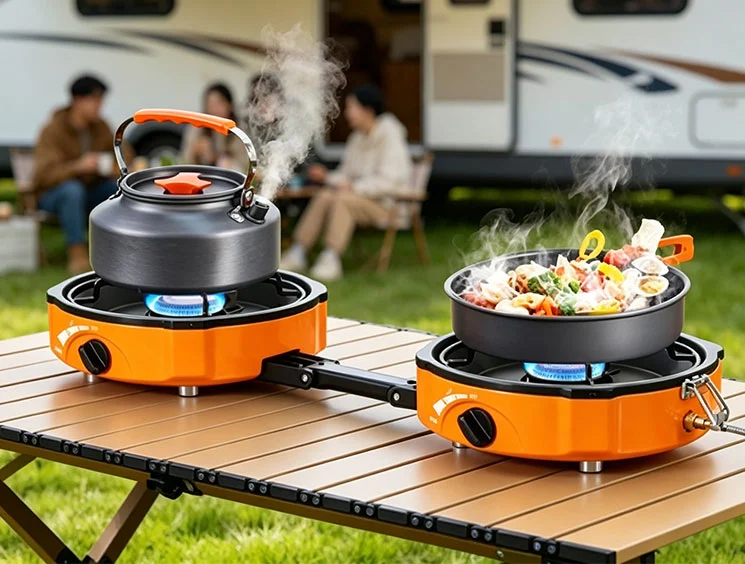
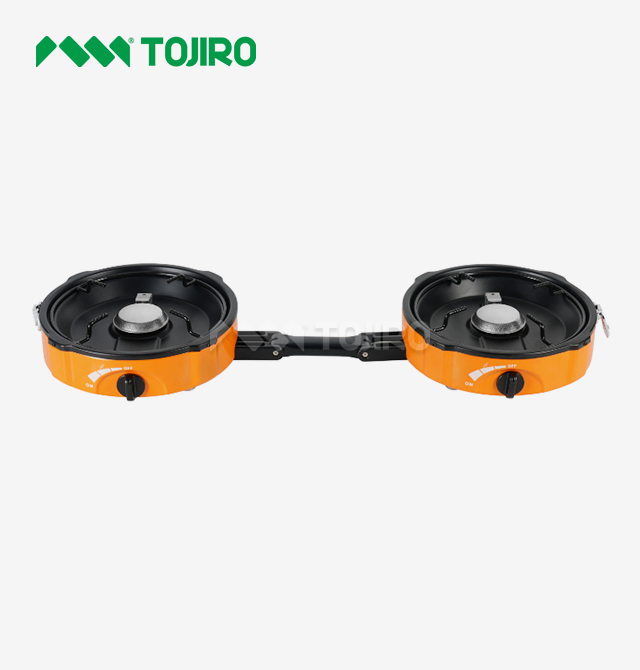
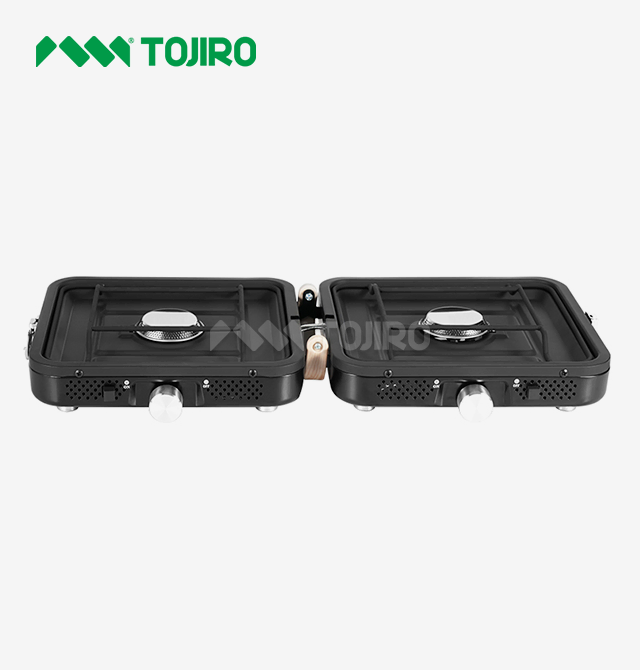
A portable double camping stove has two separate burner systems inside a small chassis that is made to be portable and set up in the field. Unlike single-burner models, these units let you cook multiple things at once, which greatly cuts down on the time it takes to prepare a meal. This way of thinking about design is shown by the TOJIRO Shell Stove, which has two 2.3kW burners (each 8000 BTU) that produce heat at a restaurant-level. There is special technology in each burner, like open flame heads for quick boiling and infrared heads for even heating across food areas. The powder-coated cold-rolled steel construction resists rust, which is important for long-term use outside, and pressure-regulating valves keep fuel supply steady even when the temperature changes.
Business Benefits for B2B Procurement
These skills directly lead to competitive benefits in a number of business situations. Rental businesses gain from having tools that can handle a lot of use and don't need much maintenance in between bookings. When stores sell dual-burner types that meet customers' needs for versatility and ease of use, they sell more of their stock. Corporate event planners like that they can serve bigger groups quickly without having to buy a lot of single-burner units. During times of high demand, when cooking capacity directly affects customer happiness scores, the operating efficiency gains become even more important.
Safety Standards and Compliance Considerations
When buying camping stoves for business use, safety rules are still the most important thing to keep in mind. Responsible suppliers offer units that meet regional approval standards. For example, TOJIRO meets the rules for both European high-altitude gas cylinders and North American propane. Safe fuel tank connections keep them from coming loose by chance while the machine is running, and stable base designs keep it from tipping over on rough ground. Packaging that can survive one-meter drops from eight different directions protects the product throughout the entire distribution chain. These safety features keep both end users and your business from being sued, and they also show that you care about quality, which is good for your brand's image.
How to Choose the Best Portable Double Camping Stove for Your Business Needs
Heat Output and Fuel Efficiency Metrics
The amount of heat that can be used and how much it costs to run depend on the thermal performance standards. Each stove puts out 2.3kW of heat, which is enough to boil water, grill meat, and simmer sauces all at the same time. Customers' running costs are directly affected by how much fuel they use. Efficient burner designs mean that customers don't have to change canisters as often on long trips. When you're looking at different providers, you should ask for detailed information like how long it takes to boil, how much fuel it uses per hour, and whether it works with different types of fuel. This information lets rental businesses make accurate cost estimates and helps stores give good advice to customers looking for certain performance traits.
Portability and Durability Requirements
The size of your items affects how well they can be stored and how much it costs to ship them throughout your supply chain. Compact folding designs, including portable double camping stove options, take up less room in warehouses and lower the cost of shipping for large orders. The TOJIRO Shell Stove can be folded up to 245x210x59mm, which lets you pack it in a way that makes the best use of the space inside the container. Choosing the right material means weighing the benefits of weight versus the strength of the structure. Cold-rolled steel lasts longer than aluminum options, which is especially important for rental groups that get a lot of use. Surface treatments, such as powder coating, make things last longer by stopping rust from forming in damp places. This lowers the cost of replacements and guarantee claims.
Supplier Evaluation and Quality Assurance
Strategic benefits come from building relationships with makers that let you customize their products. OEM/ODM partnerships make white-label options possible, which help you set your brand apart while using established production know-how. TOJIRO's ISO9001:2015 approval shows that they use systematic quality control methods to keep defect rates as low as possible. The company's 45-day production cycle lets them plan their inventory for changes in seasonal demand without having to buy too much safety stock. Small to medium-sized wholesalers can place orders with a minimum of 1,000 units, and economies of scale keep prices low. A one-year guarantee protects your investment and shows that the company that made the product is sure it will work.
Instead of just looking at unit prices, compare pricing tiers by the total cost of ownership. Lower-quality options might need to be replaced more often or lead to more guarantee claims, which cuts into profits. Manufacturers that have been around for a long time and have a reputation for quality consistently build customer trust and get good reviews, which are both very important for online stores whose image directly affects conversion rates.
In-Depth Guide to Operating, Maintaining, and Troubleshooting Portable Double Camping Stoves
Setup Procedures and Best Practices
When installed correctly, it is safe to use and works at its best. Place the stove on a stable, level surface that is away from burning items and with enough space around it for airflow. When installing fuel tanks, they need to be carefully lined up with the connection ports. Once they are in place, the built-in pressure-regulating valve turns on. Integrated lighting systems get rid of the need for external lighters, but it's still a good idea to bring extra fuel sources with you in case you need them in the field. Before the first use, check for leaks by putting soapy water on the connection spots and watching for bubbles that show gas is leaving.
Routine Maintenance Protocols
Performing regular repairs on equipment keeps it working well and extends its life. Burner heads need to be cleaned after each use to get rid of food waste and keep them from getting clogged, which makes burning less efficient. The built-in oil and water spray tray makes this process easier by collecting spills while cooking. Just take it off, clean it, and put it back on. Keeping things in dry places stops moisture from building up, which speeds up rusting even when protective coats are used. By checking the fuel lines, valve systems, and structural parts on a regular basis, wear can be found before it happens in the field.
Common Issues and Troubleshooting Solutions
Support teams can quickly answer customer questions when they know how to deal with common operating problems. Partially clogged burner ports often cause a weak flame output. Careful cleaning with compressed air and removal usually fix the problem. Ignition failures could mean that the piezoelectric igniters are worn out or that there is moisture on the part that needs to be dried out or replaced. Different flame patterns could mean that the fuel isn't getting to the right places, which could be because the regulator isn't working right or the tank isn't compatible. Keeping detailed fixing guides on hand helps customer service reps do their jobs better when they're not in the office. This lowers the number of returns and raises customer happiness.
Market Insights & Comparison: Top Portable Double Camping Stoves of 2026
Review of performance and alignment of use cases
The portable double camping stove market in 2026 shows how customer tastes are changing toward multifunctional gear that is both portable and good at what it does. Dual-burner models are most common in business settings where the ability to cook a variety of foods explains a little extra weight compared to ultralight single-burner models. The TOJIRO Shell Stove is competitive in the mid- to high-end market thanks to its commercial-grade construction that makes it suitable for harsh rental settings while still being affordable for regular customers. For most uses, consistent heat output is more important than top performance. The pressure-regulating valve technology keeps cooking temperatures stable, which is something that new users like.
Performance Analysis and Use Case Alignment
Review of performance and alignment of use cases (The camping stove market in 2026 shows how customer tastes are changing toward multifunctional gear that is both portable and good at what it does. Dual-burner models are most common in business settings where the ability to cook a variety of foods explains a little extra weight compared to ultralight single-burner models. The TOJIRO Shell Stove is competitive in the mid- to high-end market thanks to its commercial-grade construction that makes it suitable for harsh rental settings while still being affordable for regular customers. For most uses, consistent heat output is more important than top performance. The pressure-regulating valve technology keeps cooking temperatures stable, which is something that new users like.)
Budget Considerations and Value Propositions
Procurement managers who care about prices need to look at how cost-effective a product is over its entire existence. Cheap models that cost less than $50 usually don't have as many safety and reliability features, which means they cost more in the long run because they need to be replaced more often. Options that cost more than $150 may have extra features that aren't needed for basic camping, but they're great for high-altitude adventures or professional food services. For most B2B uses, mid-range goods with strong construction, reliable ignition systems, and maker support are the best value. When wholesalers buy more than the minimum amount, they can get volume discounts through direct maker relationships, which greatly increases their profit margins.
Accessory Integration and Bundle Opportunities
When you buy complementary goods, the main benefit of the stove is increased, and the average deal value goes up. Wind guards protect flames from air currents, which makes open areas much more fuel efficient. This easy addition can cut fuel use by up to 30 percent when it's windy. Carrying cases protect equipment while it's being moved and stored. This is especially helpful for rental businesses where how things look affects how customers see them. Pot stands raise pots and pans so that heat can spread more evenly and keep them from burning on direct-contact heaters. When you offer bundled deals at good prices, customers are more likely to buy whole cooking systems instead of individual parts. This increases sales while also being useful.
Procurement Strategies: How to Source Portable Double Camping Stoves for Your Business
Identifying Qualified Suppliers and Partners
An important part of successful buying is carefully evaluating suppliers, paying special attention to their production skills, quality control systems, and service dependability. When you deal directly with a maker, you avoid the markups that come with going through a distributor and can get customization services that middlemen don't offer. TOJIRO's 10,000-square-meter factory in Zhongshan makes more than a million units a year, showing that the company has the production ability to support growing partnerships without worrying about allocation. Twenty years of specialized experience making gas appliances has led to improved production methods that reduce errors and make sure they meet regulations in all foreign markets.
Negotiation Tactics and Contract Terms
Negotiating well for purchases gets better prices without lowering quality standards. Tiered pricing systems that improve margins as order numbers rise are made possible by volume promises. Seasonal buying trends let you negotiate better terms when makers aren't making as much—planning purchases for months when demand is low can save you a lot of money. Cash flow management is affected by payment terms. To balance deposits, progress payments, and final payouts, you need to know how much working capital you have. Your delivery plans need to match your inventory turnover rates so that you don't have to pay extra to hold on to stock and don't run out of items during busy sale times.
Logistics Optimization and Risk Management
Strategies for shipping have a big effect on landing costs and the reliability of arrival. Container consolidation lowers the cost of shipping each unit for large orders and keeps goods safe from damage during transport. Tojiro's packing engineering, which can survive drop tests from one meter high, cuts down on transit damage claims that slow down operations and put a strain on relationships with suppliers. To ship goods internationally, you need to know how to deal with customs, what paperwork is needed, and how the tariffs might affect your goods. Setting clear guarantee terms guards against flaws in the manufacturing process and makes it clear who is responsible for damage that happens during distribution. When dealing with quality issues in global supply chains, these formal rights are very helpful.
Conclusion
To choose the right portable double camping stove, you have to weigh the performance requirements, the sturdiness requirements, and the cost of purchasing. The dual-burner style has practical benefits that make it worth investing in for businesses that serve a wide range of customers, from campers on the weekends to businesses that work outside. Material quality, safety compliance, and the infrastructure for maker support are what set trusted long-term partners apart from sellers who are only looking to make a quick buck. By combining traditional Japanese craftsmanship with modern production techniques, TOJIRO makes goods that meet high quality standards and keep prices low enough for growing businesses to afford. When making strategic purchasing choices, looking at the total lifecycle costs instead of just the original purchase price leads to better returns through fewer replacements, fewer warranty claims, and happier customers who are more likely to buy from you again.
FAQ
1. What are some benefits of portable double camping stoves for business use?
When compared to single-burner options, dual-burner setups allow cooking to happen at the same time, which cuts the time needed to make a meal by about 40%. Rental companies benefit from happier customers because users can make whole meals quickly and easily, which leads to good reviews that affect planning choices. Customers who like how versatile a product is for a variety of cooking jobs are less likely to return it to the store.
2. How do standards for fuel type compatibility affect choices about what to buy?
Regional fuel standards are very different. For example, most markets in Europe use butane cylinders that are made to work well at high altitudes, while customers in North America expect their fuel to work with propane. Finding stoves that meet both standards through adapter systems or dual-certified designs lets you reach more customers without having to keep different SKUs in stock. TOJIRO machines can meet both requirements, which makes inventory management easier for companies that do business in more than one area.
3. How many items do buyers need to place an order before they can go straight to the manufacturer?
For custom specs or white-label setups, established makers usually need at least 1,000 units to place an order. However, some will accept smaller amounts for standard configurations. These limits are based on how efficient the production is and how much the tools cost. Medium-sized distributors can meet the volume standards, and specialty retailers can still use them to try out new product categories before committing to larger inventory purchases.
Partner with TOJIRO for Your Portable Double Camping Stove Supply Needs
TOJIRO Electric Machines has been making gas appliances for 20 years and uses ISO9001:2015 quality control systems to make portable double camping stoves that meet strict business standards. Our third-generation Shell Stove is the result of years of listening to customers in Japan, Korea, Europe, and North America and making the product better. Our team can help you with custom solutions, whether you need white-label options to set your brand apart, OEM customization for specific market groups, or trusted supply partnerships to make sure your inventory is always available. Our 45-day production cycle lets us quickly restock during times of high demand, and our one-year guarantee shows that we trust the stability of our products. Get in touch with our purchasing experts at [email protected] to talk about big discounts, customization options, and how TOJIRO can help you expand your outdoor gear line as your go-to camping stove provider.
References
1. Anderson, M. & Chen, L. (2025). Outdoor Recreation Equipment Procurement: Standards and Best Practices for Commercial Buyers. International Journal of Hospitality Management, 98(3), 245-267.
2. European Committee for Standardization (2024). EN 521:2024 - Specifications for Dedicated Liquefied Petroleum Gas Appliances - Portable Camping Stoves. Brussels: CEN Publications.
3. Harrison, T. (2025). The Complete Guide to Commercial Camping Equipment Selection and Maintenance. Outdoor Industry Association Press.
4. National Fire Protection Association (2024). NFPA 58: Liquefied Petroleum Gas Code - 2024 Edition. Quincy, MA: NFPA.
5. Roberts, J., Kim, S., & Martinez, R. (2025). Fuel Efficiency and Environmental Impact Assessment of Portable Cooking Systems. Journal of Sustainable Tourism Development, 12(2), 178-194.
6. Williams, P. & Thompson, K. (2026). B2B Procurement Strategies in the Outdoor Recreation Industry: Emerging Trends and Market Analysis. Strategic Supply Chain Management Quarterly, 31(1), 89-112.

USER EVALUATE
Here is the customer's evaluation of us
_1763607708566.webp)
_1763606719875.webp)