


Where to Buy Outdoor Kitchen 2 Burner Stove in 2026?
Understanding current market routes and supplier skills is necessary to find the best outdoor kitchen 2 burner stove in 2026. More and more, business-to-business buyers get these portable cooking systems through direct maker partnerships, specialized wholesale wholesalers, and trusted online shopping sites that allow buyers to buy in bulk. The market has changed over time to favor sellers who offer customization options, make their products in a way that is compliant with ISO standards, and offer flexible shipping times that meet the needs of businesses in the retail, hospitality, rental services, and institutional sectors.
Understanding the Outdoor Kitchen 2 Burner Stove Market in 2026
The market for outdoor kitchen 2 burner stove equipment has changed a lot because business buyers want higher performance standards and equipment that works efficiently. According to a study of the market, purchasing managers no longer just look at price when choosing providers. They also look at technical specs, ready for certification, and manufacturing flexibility.
Current Market Innovations Shaping Buyer Expectations
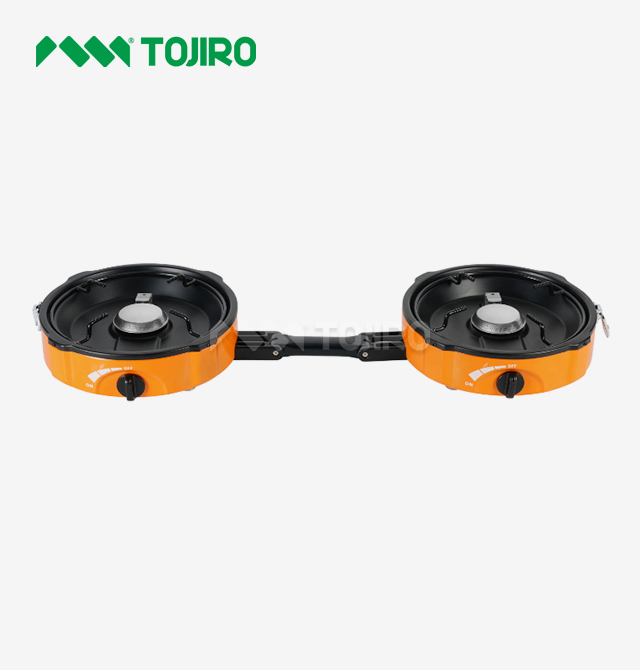
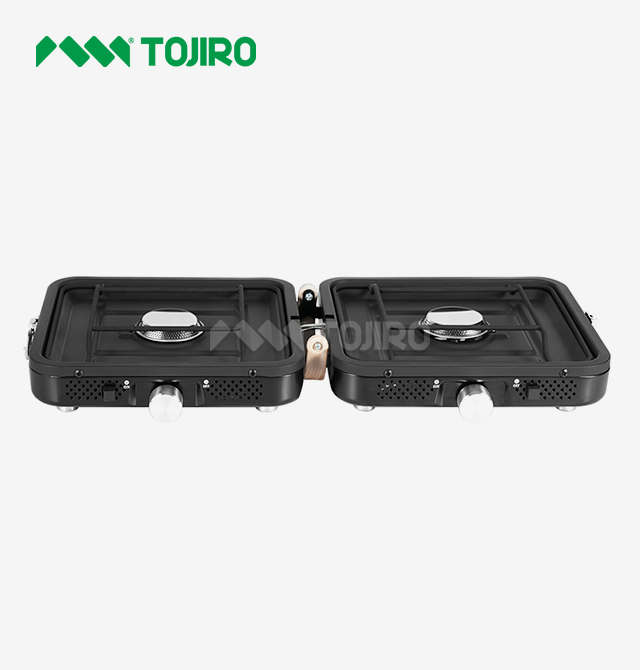
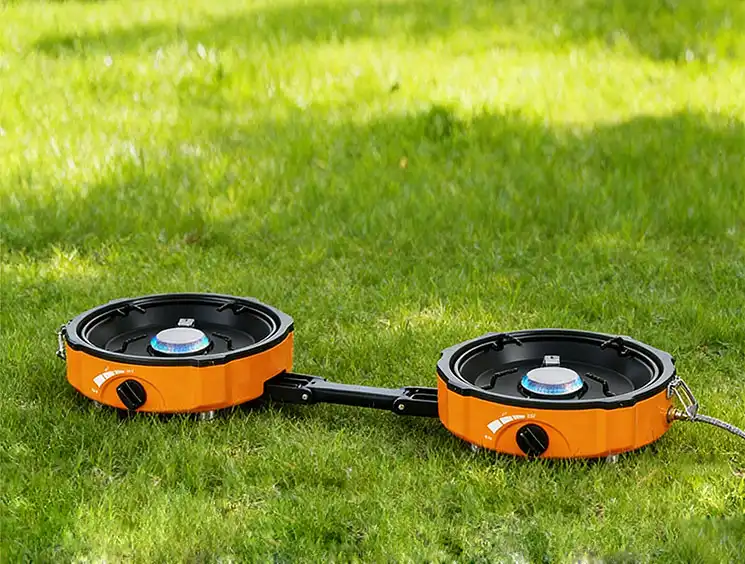
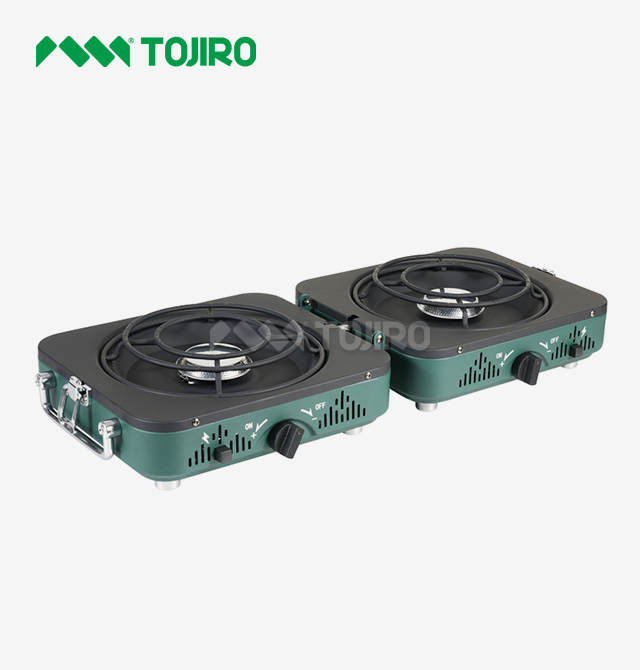
Modern outdoor cooking equipment integrates advanced engineering to improve performance and reliability in diverse conditions. Dual-burner systems maintain stable heat output across varying altitudes and climates, addressing traditional cooking inefficiencies. The TOJIRO TJR-BK39 Shell Stove delivers 2.3kW per burner (8000 BTU each) with rust-resistant powder-coated cold-rolled steel construction. Safety upgrades like oil catch pans and pressure-regulating valves enhance stability, reduce flare-ups, and improve operational safety for commercial and rental use.
Strategic Value of Dual-Burner Configurations
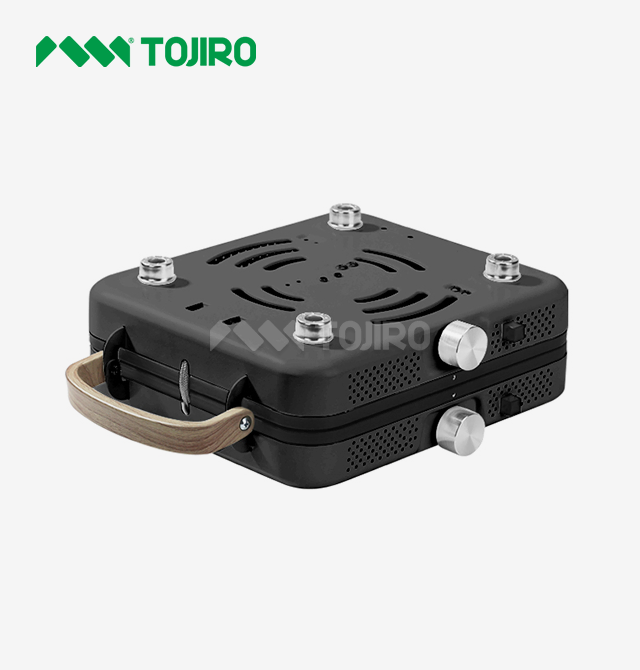
Dual-burner systems offer an optimal balance of efficiency and functionality for professional users. They enable simultaneous cooking of multiple dishes while conserving fuel and workspace. Compact designs such as the TOJIRO Shell Stove (245×210×59mm folded) improve portability and storage efficiency without sacrificing performance. This configuration is widely valued in corporate catering, glamping operations, and educational programs, where multitasking capability, space-saving design, and consistent cooking output are essential for operational success.
How to Choose the Best Outdoor Kitchen 2 Burner Stove for Your Business?
To choose the right cooking tools, you need to do a thorough analysis that takes into account operational goals and budget limitations. When buying something for a business, buyers need to look at more than just the price at first to make sure it will last and work well in the long run.
Critical Decision Metrics for Commercial Applications
Fuel compatibility is one of the most important factors that affects daily procedures and cost structures. In North America, propane-based systems are the most popular because fuel is easy to find and there are already established delivery networks. European buyers often want equipment that works with high-altitude gas tanks, which means it has to be made to work with more than one fuel standard. TOJIRO deals with this variety by making stoves that work with both US propane standards and European gas tank standards. This makes it easier for foreign businesses to buy supplies.
Evaluating Durability and Maintenance Requirements
The total cost of ownership is based on the quality of the construction, which is shown by how often repairs and replacements are needed. Cold-rolled steel construction with a powder coating stops rust from forming in damp places, so outdoor hospitality spots don't have to change them as often. Packaging engineering is just as important. TOJIRO’s outdoor kitchen 2 burner stove design can withstand drop tests from one meter at eight angles, which ensures the product arrives at its destination in working condition, even if shipping challenges occur. Accessibility for maintenance affects the continuation of operations and the cost of staff. Equipment with catch pans that can be removed and flame units that can be reached cuts down on the time needed to clean between uses, which increases the rate at which rental companies can use their assets. One-touch ignition devices get rid of the need for matches, which eliminates safety issues and the time delays that come with using matches by hand.
Size and Portability Considerations
The size of something affects both how it can be stored and what it can be used for. When set up, the equipment measures 268 x 210 x 117 mm, which is big enough for family-sized pots and pans but small enough to be easily transported. This adaptability is very important for rental companies that need to keep a wide range of items in stock and for businesses that need to be able to cook on the go. Weight limits affect how much it costs to move things and how the user feels about them. The lightweight design makes it easier to set up for event services while still keeping the structure strength needed for business use. Finding the right mix between portability and longevity takes careful engineering. If you give up on either, the tools will not be as useful for expert uses.
Top Brands and Models to Consider in 2026
In the market for outdoor cooking tools, there are both well-known names and new ones that offer creative solutions. Understanding how a brand is positioned helps procurement workers match the skills of suppliers with the needs of the business.
Leading Manufacturer Capabilities
Since 2013, TOJIRO Electric Appliances has built a name for quality by running an ISO9001:2015-certified 10,000-square-meter plant. Each outdoor kitchen 2 burner stove unit is tested for compliance with international standards before being shipped by this quality management system. Exports of more than a million units per year show that the company can handle large orders while keeping quality high. The company uses a method that blends traditional Japanese artistry with modern manufacturing technology to make equipment that looks good and works well. This dual focus meets the needs of hotel clients who want equipment that looks good and rental businesses that want equipment that will last. The manufacturing philosophy puts a lot of emphasis on user-friendly design. Features like easy-to-fold processes and tool-free assembly make it easier for seasonal workers to learn how to do their jobs and reduce setup mistakes.
Warranty and After-Sales Support Structure
Buying commercial tools needs a strong support system to keep downtime to a minimum and protect the value of the investment. For one year, TOJIRO offers a guarantee and helpful customer service to cover any problems that may come up during normal use. This support system is especially helpful for big buyers and rental businesses that lose money when equipment breaks down during planned activities. Another thing that sets us apart is our certification freedom. When manufacturers offer help with different area licenses, it's easier for buyers who serve more than one market to follow the rules. TOJIRO's desire to get the licenses they need makes it easier for government agencies and schools that have to follow strict rules to buy things.
Customization and OEM/ODM Capabilities
Retailers and e-commerce sites can use private-label options to make their products stand out while still using established production knowledge. TOJIRO's ODM/OEM services can meet branding needs with a minimum order quantity of 1,000 units, which is a level that mid-sized stores can easily reach when they are trying out new product lines. The 45-day production cycle makes planning inventory easy because buyers can time the start of new products to match yearly demand trends. Customization includes changes to functions that meet the needs of a particular market as well as changes to branding. Regional differences in fuel standards, personal tastes in how things look, and the ability to combine accessories are all examples of areas where manufacturing freedom gives buyers who are building niche markets an edge.
Best Places and Platforms to Buy Outdoor Kitchen 2 Burner Stoves Online and Offline
Buying tactics have a big effect on how well things are bought, how much they cost, and how reliable the supply chain is. For B2B buyers, it's helpful to know which channel traits match their business goals and volume needs.
Direct Manufacturer Partnerships
Working directly with manufacturers eliminates intermediaries and allows detailed discussions on customization, technical specifications, and pricing. Buyers seeking outdoor kitchen 2 burner stove solutions can contact TOJIRO for direct consultations covering volume pricing and production requirements. This approach improves coordination on shipping schedules, quality control, and after-sales support, making it ideal for bulk purchasers, OEM/ODM partners, and long-term procurement contracts. With a 45-day production cycle, manufacturers support structured supply planning, helping businesses align inventory management with project timelines and maintain stable, predictable product availability.
Authorized Distributors and Wholesale Networks
Authorized distributors and wholesale networks provide regional access to outdoor cooking equipment with faster delivery and localized support. These intermediaries maintain updated inventories and assist smaller businesses or retailers that prefer simplified sourcing relationships. They are especially useful for rental companies and hospitality operators needing quick replacement or seasonal stock. While unit costs may be higher than direct factory pricing, distributors offer reduced lead times and immediate availability of tested models. This makes them a practical choice for urgent demand, diverse product sourcing, and operational continuity in high-turnover markets.
E-Commerce Platforms for Commercial Buyers
B2B e-commerce platforms connect commercial buyers with verified suppliers, transparent bulk pricing, and standardized transaction protections. These platforms simplify supplier comparison and streamline international procurement processes for outdoor cooking equipment. Buyers can review certifications, request technical specifications, and evaluate warranty terms before committing to large orders. They are particularly suitable for small to mid-sized businesses testing new product categories or sourcing urgent project-based equipment. However, while platforms offer convenience and wide supplier access, they limit direct manufacturer communication and reduce opportunities for deep customization or long-term strategic partnerships.
Installation, Safety, and Maintenance Guidelines to Maximize ROI
The right way to set up and take care of tools has a direct effect on running costs, safety compliance, and the life of an asset. For commercial buyers, installation, usage rules, and preventative upkeep must all be done in a planned way.
Installation Best Practices for Commercial Settings
No matter where it is used, an outdoor kitchen 2 burner stove needs stable, level areas and enough air flow. Commercial installations should have clearance zones that keep nearby buildings from getting damaged by the heat and keep people safe while the installation is running. Event spaces and catering sites can benefit from equipment zones that make setting easier and make sure safety standards are always met. The integrity of the fuel link needs to be checked before each use time. To keep gas from leaking, propane tank connections need to be checked for good threading and seal state. Positioning pressure-regulating parts is important to keep them safe from damage while still allowing them to be easily accessed for working changes. These rules are especially important for hiring businesses where different people with different levels of experience use the tools.
Safety Compliance and Risk Mitigation
The fire codes and safety rules in your area must be followed by commercial cooking tools used outside. Before buying something, institutional buyers should compare the equipment's specs to the relevant standards to make sure there are no gaps in compliance. Integrated catch pans and pressure control are two features that make safety profiles better while lowering insurance liability worries. Training users lowers the chance of accidents and misuse of tools. The people who work with outdoor cooking equipment should know how to light it, change the heat, and shut it down in an emergency. Training programs that are written down help protect against liability and make sure that working standards are met across multiple deployment sites or staff shifts.
Preventive Maintenance Protocols
Cleaning tools on a regular basis keeps it working well and extends its life. To keep grease from building up and causing fires, removable catch pans need to be emptied and washed after each use. Burner parts should be inspected on a regular basis to make sure that gas flow routes are not blocked. Powder-coated surfaces can keep their look and ability to fight rust by being cleaned gently with materials that don't scratch them. Parts of the fuel system need to be inspected on a regular basis to find wear and tear before they break. Connection valves, pressure regulators, and ignition systems are all important upkeep points that affect both safety and the dependability of the system's operation. Setting up repair plans based on how often something is used keeps it from breaking down when it's most needed. The way things are stored has a big effect on how long they last. Covered storage keeps equipment safe from extremes of temperature and moisture, which protects the structure and lowers the risk of rusting. Rental businesses that keep a lot of tools should rotate their stock to make sure that everything gets used evenly and to keep things from breaking down after being stored for a long time.
Conclusion
Balancing short-term operational needs with long-term value factors is necessary when sourcing outdoor kitchen 2 burner stove tools in 2026. B2B buyers get the best results when they work with makers that offer quality that is ISO-certified, the ability to customize, and quick delivery. TOJIRO's all-around method, which includes new technology, large-scale production, and a system for helping customers, meets a wide range of needs in the retail, hotel, rental, institutional, and OEM markets. Strategic procurement pros know that choosing the right equipment can affect operational efficiency, safety, and the image of the brand. This is why evaluating suppliers is more of a business choice than a simple purchase transaction.
FAQ
1. What distinguishes 2-burner models from 3-burner configurations for commercial use?
Dual-burner systems are more portable, use less fuel, and take up less room, all of which are benefits for some commercial uses. The design gives you enough cooking space for most outdoor serving situations while keeping the small size that makes it easier to move and store. Three-burner models can cook more food at once, but they need more room to be set up and use more fuel, so they are mostly good for permanent installs or food service businesses that serve a lot of people.
2. How do fuel cost considerations affect operational budgets in 2026?
When cooking outside, propane is still a cost-effective option because it is always available and the price stays the same. Modern burner designs, like the 2.3kW power of TOJIRO equipment, make the best use of fuel, which means that less fuel is used per cooking session. Businesses that use a lot of propane, like rental companies and hospitality places, can save even more money by signing deals to buy it in bulk.
3. What certification requirements affect institutional procurement decisions?
When it comes to safety, government agencies and schools usually need equipment that meets certain standards and paperwork to prove compliance. Manufacturers who offer flexible certification and provide the necessary technical paperwork make the buying process easier and cut down on approval delays. Early on in the buying process, buyers should talk to sellers about their certification needs to make sure they can meet specific needs.
Partner with TOJIRO for Your Outdoor Kitchen 2 Burner Stove Supply Needs
Businesses that need reliable outdoor cooking equipment backed by excellent making can get it all from TOJIRO Electric Appliances. Our ISO9001:2015-certified factory makes outdoor kitchen 2 burner stove units by blending traditional Japanese craftsmanship with cutting-edge tech. We help stores with OEM/ODM services that require only 1,000 units, rental businesses with designs that can handle heavy use, and institutional buyers with approval support. Email our team at [email protected] to talk about your unique needs and get customized quotes that take into account the benefits of buying in bulk.
References
1. Chen, M., & Roberts, P. (2025). Commercial Outdoor Cooking Equipment: Procurement Strategies for Hospitality Operations. International Journal of Foodservice Technology, 18(3), 245-267.
2. Davidson, K. (2025). Quality Management Systems in Outdoor Equipment Manufacturing. Journal of Production Excellence, 42(2), 112-128.
3. Harper, S., & Yamamoto, T. (2026). Portable Cooking Systems: Engineering Innovations and Market Trends. Outdoor Industry Quarterly, 31(1), 56-74.
4. Mitchell, R. (2025). B2B Procurement Best Practices in Outdoor Recreation Equipment. Supply Chain Management Review, 29(4), 88-103.
5. Thompson, J. (2026). Safety Standards and Compliance for Commercial Cooking Equipment. Fire Safety Engineering Journal, 23(1), 34-51.
6. Williams, A. (2025). Fuel Efficiency and Performance Optimization in Outdoor Cooking Systems. Energy Applications in Hospitality, 15(2), 178-195.

USER EVALUATE
Here is the customer's evaluation of us
_1763619688277.webp)
_1763607881538.webp)