



Import Portable Camping Stove from China Step Guide
For companies seeking reasonable pricing and customizable choices, importing a high-quality 2 burner portable camping stove from China has become crucial. China makes most of the outdoor gear in the world. Every year, they make millions of safe 2 burner portable camping stove units that meet international safety standards. If your business needs reliable cooking equipment for rentals, sales, hotel services, or white-label partnerships, knowing how the import process works will help you get goods that are both cheap and long-lasting. This complete guide will walk you through every step of buying portable camping stoves, from figuring out the specs to taking care of support after the import. It will help your business deal with the challenges of international purchasing while still keeping quality control and following the rules.
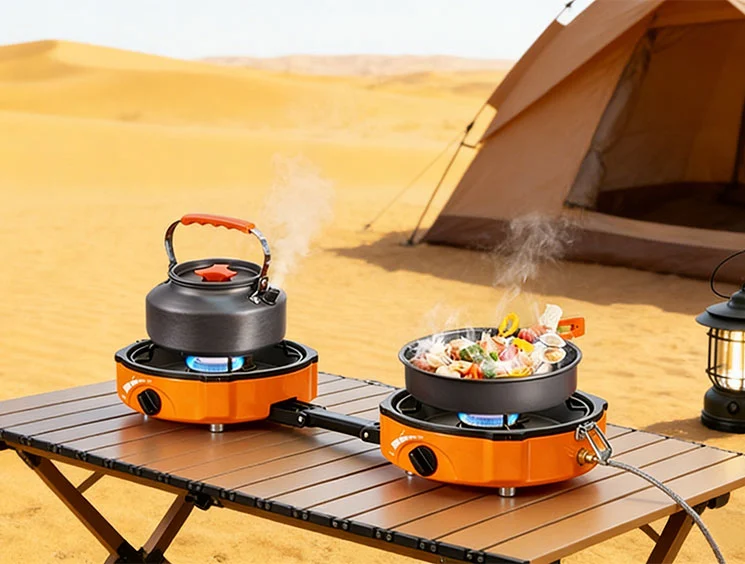
Understanding the Portable Camping Stove Market and Import Needs
The worldwide advertise for open air cooking apparatuses is still developing rapidly. This is since more individuals are camping, glamping is getting to be well known, and individuals are getting to be more mindful of how to be prepared for crises. 2 burner convenient camping stove units are exceptionally prevalent since they can be utilized in a parcel of diverse ways, which single-burner sorts can't. Chinese companies have gotten to be stars in the open air hardware trade by building advanced production lines and quality control frameworks that are on standard with those utilized by other companies.
Market Dynamics and Buyer Segments
Demand for versatile camping stoves comes from assorted buyer bunches with particular needs. Retailers and e-commerce stages prioritize reasonable, fast-moving items for open air devotees. Rental and glamping administrators center on strength and moo upkeep. Corporate neighborliness buyers esteem aesthetics and simple setup for visitor encounters. OEM accomplices require adaptable customization and sensible MOQs. Government and regulation buyers request strict security compliance for preparing and crisis utilize. Each fragment impacts item plan, estimating technique, and supply chain arranging over the open air hardware market.
Product Variations and Technical Considerations
Portable camping stoves change broadly in materials, fuel compatibility, and execution. Cold-rolled steel with powder coating offers solidness and rust resistance compared to lighter metals. Burner sorts incorporate open fire and infrared frameworks, each with diverse cooking productivity. Fuel compatibility is basic, as districts utilize distinctive gas measures such as propane tanks or high-altitude barrels. Warm yield, measured in BTUs, influences cooking speed and flexibility, with around 8,000 BTU per burner reasonable for most open air applications. These variables direct item determination and advertise positioning.
Why Import from China?
Chinese producers give more than moo costs, advertising versatile generation for orders over 1,000 units and ~45-day lead times for steady arranging. Numerous help with CE and UL certifications for less demanding worldwide compliance. Solid fabricating frameworks guarantee reliable quality, whereas OEM administrations back branding, bundling, and item customization. These preferences make China a major center for cost-effective, adaptable open air gear sourcing.
Step 1 – Defining Your Import Requirements and Selection Criteria
Setting clear requirements for your 2 burner portable camping stove before you contact providers will help you avoid misunderstandings and get goods that meet the needs of your target customers. Detailed recording of requirements speeds up the buying process and cuts down on the number of times changes need to be made.
Technical Specifications
Technical specifications determine stove performance and user experience. Each burner should provide 7,000–10,000 BTUs to handle boiling, grilling, and simmering tasks efficiently. Weight and compact dimensions improve portability and reduce logistics costs. Fuel compatibility must align with regional gas systems such as propane or butane. Construction materials like powder-coated steel enhance weather resistance and durability for outdoor use. Balancing performance with portability ensures suitability for campers, rental services, and retail markets. Well-defined specifications also help manufacturers optimize production efficiency and maintain consistent product quality.
Safety Certifications and Compliance Standards
Safety compliance is essential for international market access. CE certification is required in Europe, while UL or CSA standards apply in North America. Some regions impose additional regulations for gas-burning appliances. Manufacturers must provide valid certifications, lab test reports, and product safety documentation to ensure legal compliance. These approvals reduce regulatory risks and prevent import delays. Working with certified suppliers ensures products meet strict safety standards, builds customer trust, and supports smooth entry into multiple global markets with different regulatory frameworks and requirements.
Market Positioning and Price Points
Market positioning determines product features, materials, and supplier selection. Budget stoves prioritize affordability with basic functions while meeting safety requirements. Mid-range products balance quality and price for regular campers and rental services. Premium models include advanced features such as piezo ignition, pressure control valves, and multi-fuel compatibility. Clear positioning helps manufacturers adjust production costs and specifications accordingly. It also ensures competitive pricing while maintaining profit margins. Defining market segment early allows better alignment between product design, target customers, and overall business strategy.
Step 2 – Supplier Identification and Evaluation
Choosing the right 2 burner portable camping stove production partner affects the quality of your products, the dependability of your supply chain, and the long-term success of your business. A thorough review of a seller keeps you from making mistakes that cost a lot of money and sets the stage for good relationships.
Research and Initial Screening
Instead of looking into generic factories, start your search with companies that make outdoor cooking tools. Having experience in a field means that you understand user wants and regulatory standards better. Look for sources that can make a lot of things. Facilities that are bigger than 10,000 square meters usually mean that the business has been around for a while and has professional management systems in place. Exports to established countries like Japan, Korea, Europe, and North America show that the company can meet high quality standards. Production levels of more than a million units per year suggest that the business is running efficiently and that economies of scale are helping to keep prices low.
Evaluating Manufacturing Capabilities
Manufacturing capability includes more than factory size. ISO9001 certification ensures standardized quality control and reduced defect rates. Strong R&D capabilities enable product innovation and customization. Modern equipment such as automated welding, precision stamping, and powder coating lines improves consistency and efficiency. Skilled engineering teams enhance design and performance optimization. Combining traditional craftsmanship with advanced production technology results in durable and functional products. Evaluating these capabilities helps buyers identify suppliers capable of meeting technical requirements, maintaining quality stability, and supporting long-term product competitiveness in global markets.
Quality Verification Methods
Never place a big order without first checking the quality. Request product samples matching your specifications, paying particular attention to construction quality, ignition reliability, and flame consistency. Third-party inspection reports from companies like SGS or Bureau Veritas provide objective quality assessments. Factory audits allow you to observe production conditions, quality control procedures, and inventory management practices directly. Video factory tours offer a cost-effective alternative when travel budgets limit on-site visits. Evaluate packaging design by requesting drop test documentation—quality suppliers design packaging that withstands drops from one meter at multiple angles without product damage.
After-Sales Support and Warranty Terms
Reliable after-sales support distinguishes excellent suppliers from adequate ones. Warranty coverage should extend at least one year, protecting against manufacturing defects and material failures. Understand the claims process and response timeframes. Suppliers providing replacement parts availability, technical troubleshooting support, and user manual customization demonstrate commitment to customer satisfaction. Responsiveness during the pre-sale phase typically predicts post-sale support quality, so evaluate communication speed and thoroughness during supplier evaluation.
Step 3 – Ordering, Shipping, and Import Logistics
Effective logistics management for your 2 burner portable camping stove import controls costs, prevents delays, and ensures products arrive in sellable condition. Strategic planning throughout the ordering and shipping process protects your investment and maintains customer satisfaction.
Order Negotiation and Customization
Minimum order quantities typically start at 1000 units, though some manufacturers offer flexibility for first-time buyers building relationships. Negotiate pricing tiers that reward volume commitments while allowing reasonable initial orders. Discuss customization options including private labeling, color selections, and accessory inclusions like wind shields or carrying cases. Packaging customization enhances brand recognition and provides marketing advantages. Payment terms significantly impact cash flow—understand deposit requirements, production milestone payments, and final balance conditions. Letter of credit arrangements provide security for both parties during initial transactions.
Shipping Strategy Selection
Transportation mode strongly impacts landed cost and delivery time. Sea freight is most economical for container loads, taking about 3–6 weeks depending on ports, with full containers being most efficient. Air freight is much faster, only days, but far more expensive, best for urgent or high-value goods. Express courier is fastest but costly for bulk shipments. Choose based on inventory needs, cash flow, and shipping efficiency balance.
Packaging and Product Protection
Quality packaging prevents damage during international transit, reducing returns and protecting brand reputation. Suppliers experienced in export markets understand the rigors of container shipping and design packaging accordingly. Individual product boxes should use corrugated cardboard with adequate cushioning materials. Master cartons must withstand stacking and rough handling. Moisture barriers protect against humidity during ocean transit. Confirm packaging specifications include proper labeling with product information, country of origin marking, and handling instructions meeting import country requirements.
Customs Clearance and Import Duties
Understanding customs procedures helps avoid delays and extra costs. Research HS codes for portable camping stoves to determine duties and taxes. Some countries require licenses or impose anti-dumping fees. Use experienced customs brokers and prepare invoices, packing lists, bills of lading, and origin certificates. Safety certifications speed clearance. Include freight, insurance, duties, and fees for accurate landed cost pricing calculation accuracy.
Step 4 – Post-Import Product Handling, Maintenance, and Support
Supporting customers after the 2 burner portable camping stove sale builds loyalty, generates repeat business, and enhances brand reputation. Comprehensive post-import services differentiate your business from competitors.
Quality Inspection Upon Arrival
Conduct thorough inspections immediately upon receiving shipments. Check carton quantities against shipping documents and examine packaging for transit damage. Randomly sample units across multiple cartons, testing ignition systems, flame consistency, and burner output. Verify accessories and documentation are complete. Identify defects or discrepancies promptly to facilitate supplier claims within warranty periods. Photographic documentation supports claims resolution. Establishing systematic receiving procedures catches problems before products reach customers.
Storage and Inventory Management
Proper storage maintains product condition until sale. Store camping stoves in dry environments preventing moisture exposure that causes rust or corrosion. Avoid direct sunlight that degrades packaging materials. Organize inventory using first-in-first-out rotation preventing stock aging. Maintain adequate safety stock balancing inventory carrying costs against stockout risks. Implement inventory management systems tracking serial numbers, production dates, and warranty periods for traceability supporting after-sales service.
Providing Customer Education and Support
Comprehensive customer support reduces returns and improves satisfaction. Provide clear user manuals with assembly, operation, maintenance, troubleshooting, and safety guidance, including ventilation and fire prevention. Add video tutorials for setup and use. Train service teams to handle issues like ignition or fuel connection problems efficiently. Streamlined warranty processes and responsive support build trust, encourage positive reviews, and support long-term sales growth.
Maintenance Recommendations and Replacement Parts
Educating customers on routine maintenance extends product life and reduces warranty claims. Cleaning burners and flame ports prevents blockages affecting performance. Inspecting fuel connections identifies wear before leaks develop. Storing stoves properly during off-seasons prevents deterioration. Stocking replacement parts like ignition components, burner caps, and gaskets supports customers maintaining equipment rather than discarding units at the first problem. Providing maintenance supplies and accessories creates additional revenue streams while enhancing customer relationships.
Comparison and Decision-Making Insights for B2B Buyers
Smart product choice matches inventory with the wants of target customers and the place of the market. Knowing about comparative benefits helps buyers make smart choices that increase sales potential.
Single Burner Versus Dual Burner Configurations
Single burner types are the most portable and lightest, but the 2 burner portable camping stove has a lot of useful extras that make up for its slightly bigger size and higher price. Dual stoves let you cook two things at once, which greatly cuts down on the time it takes to prepare meals for families and groups. This adaptability makes it appealing to rental businesses that have a lot of guests and stores that sell things to serious outdoor fans. With good engineering, weight differences stay small. Well-designed dual burner units are still small enough to take backpacking while providing much better cooking capabilities.
Fuel Type Comparisons
Propane remains the dominant fuel type in North American markets due to widespread availability and consistent performance across temperature ranges. Butane canisters offer lighter weight and more compact storage, preferred in Asian and European markets. Multi-fuel compatibility adds versatility but increases complexity and cost. Electric options eliminate open flames, appealing to venues with fire restrictions, though power requirements limit true portability. Matching fuel type to target market preferences and regulatory environments prevents inventory challenges.
Design Features Affecting Market Appeal
Collapsible designs maximize portability for backpackers and RV travelers, while fixed configurations offer greater stability for established campsites. Piezo ignition systems eliminate match lighting, providing convenience that justifies premium pricing. Pressure regulation valves maintain consistent flame output regardless of temperature or altitude, particularly valuable for mountain camping. Wind protection features improve performance in exposed locations. Powder-coated finishes in attractive colors enhance visual appeal for retail displays while providing practical corrosion resistance. Understanding which features resonate with your customer segments guides specification decisions.
Conclusion
Successfully importing a 2 burner portable camping stove from China requires systematic planning, careful source selection, and attention to transportation details. Buyers who set clear requirements, check quality with samples and reports, and set up reliable shipping processes set themselves up for long-term, profitable import businesses. Chinese providers offer reasonable prices, the ability to customize products, and years of experience in manufacturing. This makes them a great choice for businesses in the retail, rental, leisure, and OEM segments. Long-term success is built on working with makers who care about quality and uphold international standards and provide quick customer service. The market for portable camping stoves keeps growing, which is good for businesses that can find reliable supply lines that produce products that meet customer standards for quality, safety, and value.
FAQ
1. What certifications are essential when importing dual burner camping stoves?
Safety requirements vary by region. EU markets require CE marking for gas and pressure equipment compliance, while North America relies on UL or CSA certification. Some regions impose additional outdoor cooking regulations. Buyers should request authentic certification documents and lab reports from suppliers. Verifying compliance early helps prevent legal issues, shipment delays, and ensures products meet destination market safety standards.
2. How can I be sure that the fuel compatibility meets regional standards?
Fuel compatibility must match regional systems and regulations. North American camping stoves typically connect to standard propane tanks with specific threading and pressure regulators. European markets often use different cylinder and valve systems. Buyers should clearly define target markets and request compatible samples. Testing fuel connections before bulk purchase prevents costly modifications. Experienced exporters can guide correct regional specifications effectively.
3. What shipping method offers the best balance of cost and speed?
Sea freight offers the most cost-efficient solution for large shipments, though transit times are longer. Air freight is faster but significantly more expensive, making it suitable for samples or urgent restocking. Most importers use sea shipping for regular inventory replenishment and reserve air transport for peak demand periods. Total landed cost, including freight, insurance, and duties, should guide final logistics decisions.
Partner with TOJIRO for Your Camping Stove Import Needs
TOJIRO supplies portable outdoor cooking equipment as a 2 burner portable camping stove manufacturer serving global partners with ISO9001:2015-certified production. The 10,000 sqm facility produces over one million units annually. Each stove delivers 2.3kW per burner using cold-rolled steel with powder coating and includes a one-year warranty. MOQ is 1000 units with 45-day production and full OEM/ODM customization plus EU/North-American certification. Contact TOJIRO at [email protected] to discuss your specific requirements and receive detailed quotations. Explore our complete product range and discover how partnering with an established camping stove supplier elevates your competitive position.
References
1. Chen, L., & Wang, M. (2023). Quality Management Systems in Chinese Outdoor Equipment Manufacturing. International Journal of Production Research, 61(8), 2441-2458.
2. Harrison, T. (2024). Global Camping Equipment Market Analysis: Trends, Opportunities, and Competitive Landscape. Outdoor Industry Association Research Division.
3. Nakamura, K., & Liu, J. (2023). Cross-Cultural Quality Standards: Japanese Manufacturing Principles in Chinese Production Facilities. Asian Business & Management, 22(3), 612-635.
4. Peterson, R. (2024). Import Compliance for Outdoor Recreation Products: A Practical Guide for B2B Buyers. International Trade Publications.
5. Thompson, S., & Rodriguez, M. (2023). Supply Chain Optimization in Outdoor Equipment Procurement. Journal of Business Logistics, 44(2), 189-207.
6. Wilson, D. (2024). Safety Certification Requirements for Portable Cooking Appliances in International Markets. Global Product Compliance Review, 15(1), 43-61.

USER EVALUATE
Here is the customer's evaluation of us
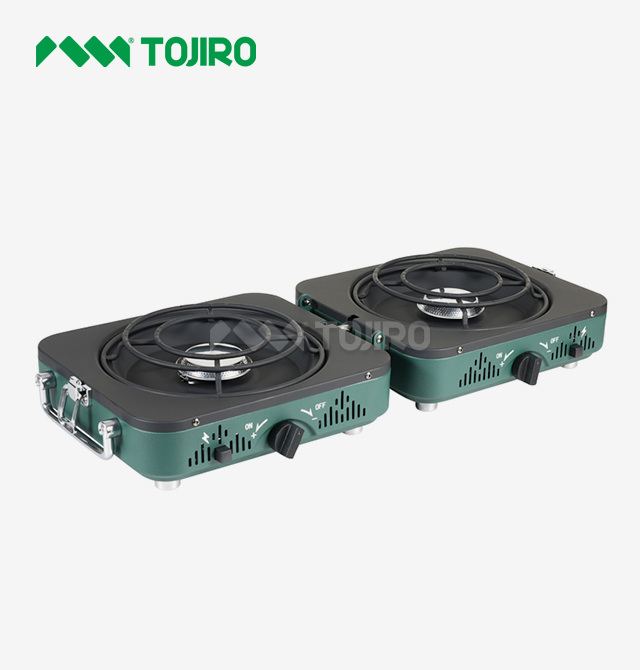 VIEW MOREdouble portable camping stove
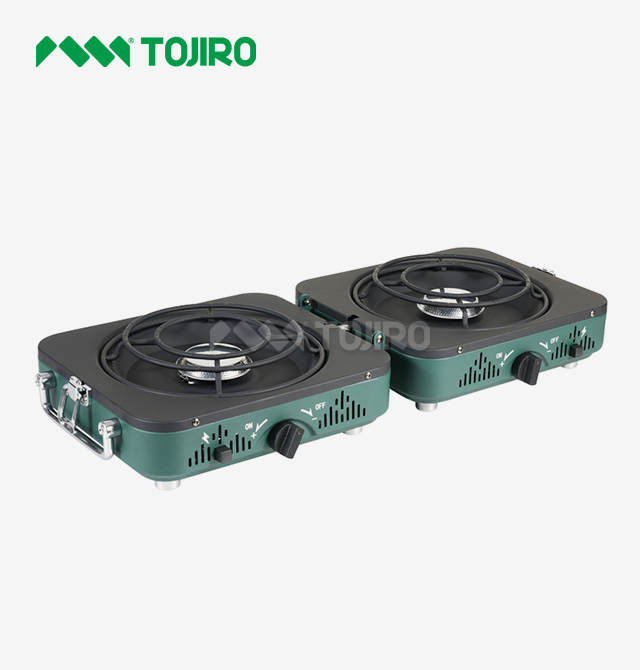 VIEW MOREchinese propane wok burner
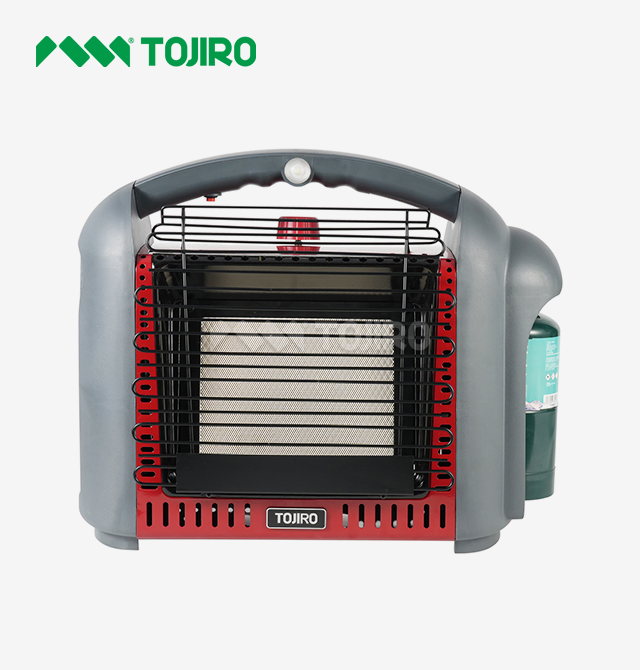 VIEW MOREsmall portable outdoor heater
_1763607842349.webp) VIEW MOREoutdoor standing propane heater
VIEW MOREoutdoor standing propane heater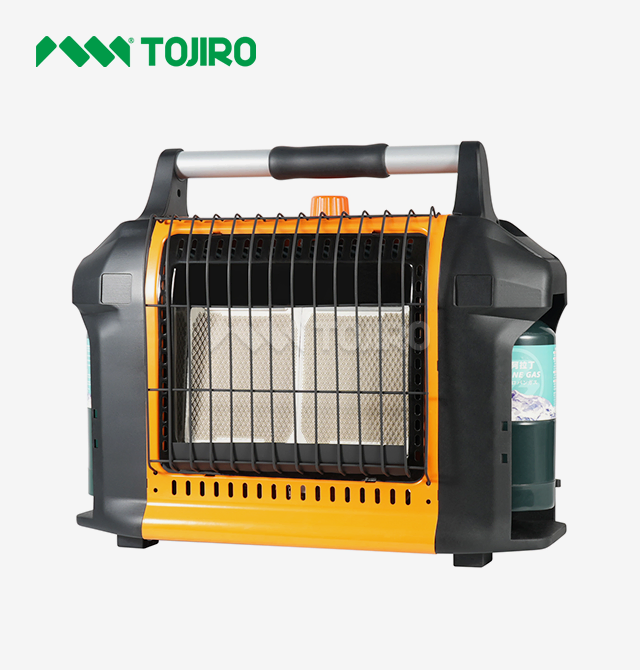 VIEW MOREhigh efficiency direct vent propane heater
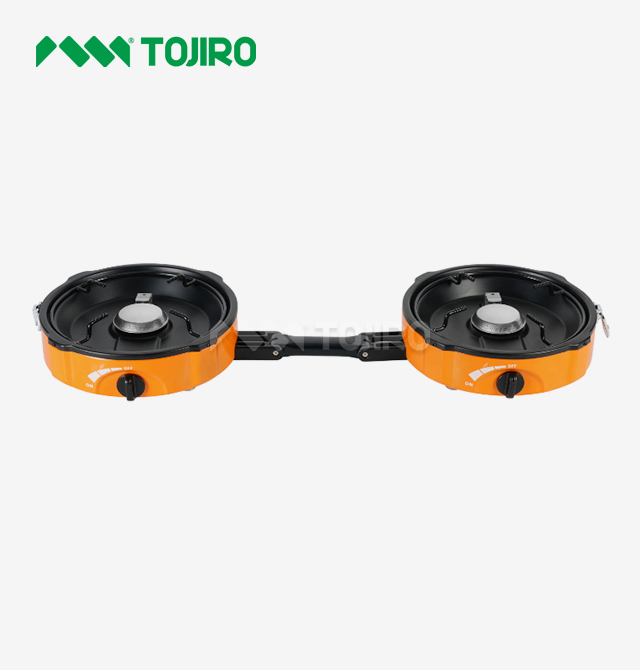 VIEW MOREbutane twin stove
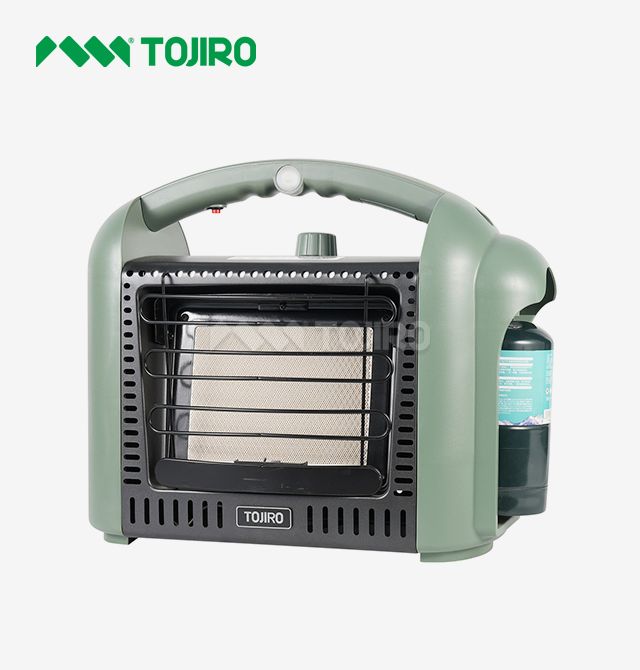 VIEW MOREpropane gas heaters for garage
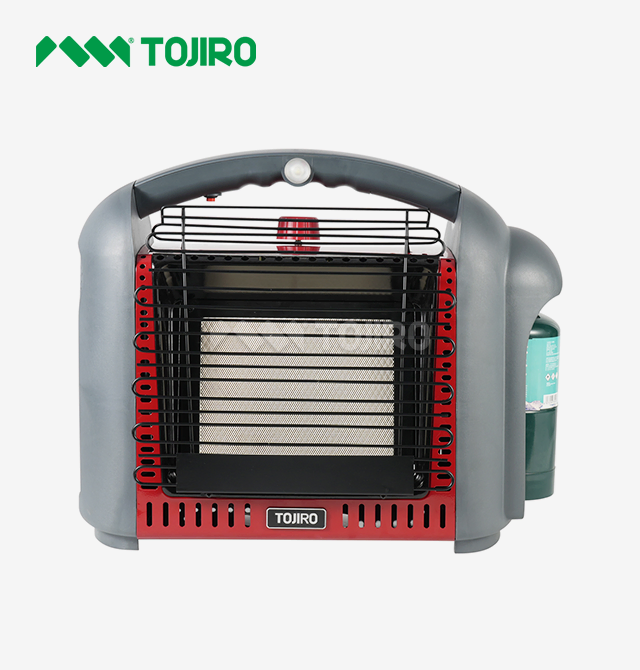 VIEW MOREpropane heater outdoor camping