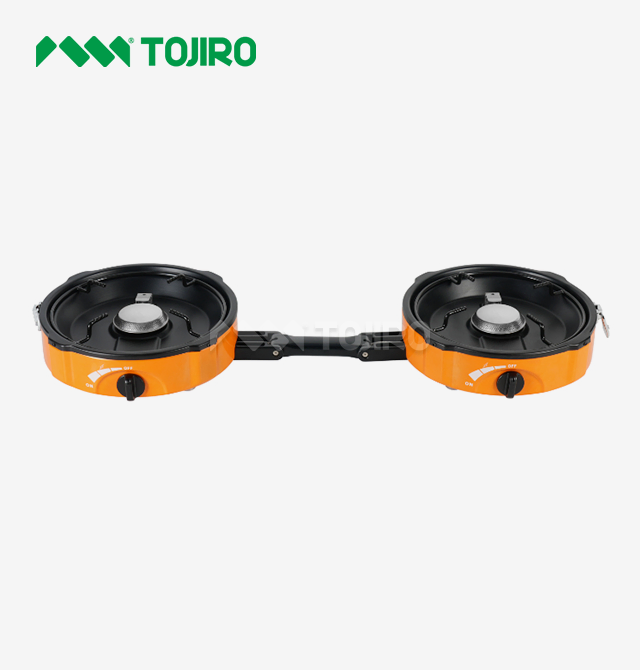



OEM Outdoor Kitchen 2 Burner Stove for Custom Projects
Picking the right outdoor kitchen 2 burner stove is a smart choice that affects your brand's image, customer happiness, and profits if your business depends on reliable outdoor cooking equipment. Custom OEM projects need cooking solutions that balance speed, longevity, and the ability to be customized. Whether you're a store looking for white-label opportunities, a rental company wanting to know how long the products will last in the field, or a corporate client planning to buy in bulk for hospitality venues, knowing the technical specs and business benefits of dual burner cooking systems will help your project go smoothly. These days, people who like to cook outside are increasingly drawn to small, strong two-burner models that can make food taste like it came from a restaurant without sacrificing portability or safety.
Understanding the Value of Outdoor Kitchen 2 Burner Stoves in OEM Projects
Custom OEM outdoor cooking equipment opens up amazing chances for companies that want to stand out in crowded markets. In a wide range of uses, the outdoor kitchen 2 burner stove strikes the ideal balance between usefulness and business viability.
Commercial Versatility Across Multiple Sectors
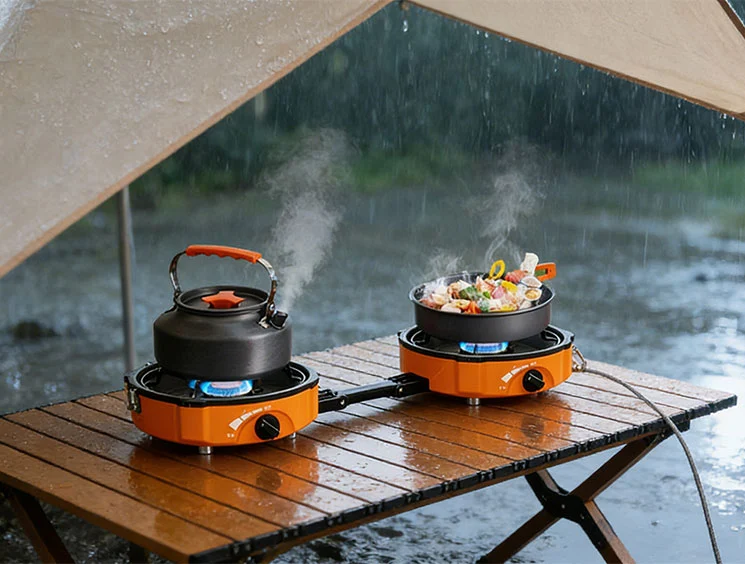
Dual-burner frameworks meet differing commercial prerequisites over neighborliness, rental, and occasion businesses. Glamping administrators prioritize tough, outwardly engaging hardware, whereas rental businesses require convenient, impact-resistant units. Corporate occasion organizers depend on reliable execution to secure benefit quality and brand notoriety. With 8000 BTU per burner, these frameworks back synchronous cooking assignments, moving forward operational effectiveness and client fulfillment. Space-saving plans like TOJIRO models advance upgrade coordinations productivity. This flexibility makes dual-burner stoves reasonable for numerous commerce situations requiring dependable, proficient, and versatile open air cooking solutions.
Customization Drives Competitive Advantage
OEM customization upgrades item competitiveness by adjusting gear plan with brand personality and showcase situating. Buyers can select materials such as powder-coated cold-rolled steel or stainless steel wraps up, depending on toughness and stylish needs. Bundling customization, counting drop-tested assurance, guarantees secure conveyance whereas reinforcing brand introduction. Progressed arrangements like combined open fire and infrared frameworks give separated execution preferences. These custom-made highlights make strides advertise acknowledgment and diminish item substitution dangers. Generally, customization changes standard open air cooking hardware into branded arrangements that back more grounded commercial situating and client loyalty.
Technical Features That Support Client Branding
Integrated technical features in an outdoor kitchen 2 burner stove, such as pressure-regulating valves, ensure stable gas flow across varying conditions, reinforcing overall product reliability. This operational consistency becomes a key brand value when equipment carries a company’s identity. Dual fuel compatibility across European and North American systems expands market reach without requiring separate product lines. Such flexibility simplifies inventory management and supports global distribution strategies. For OEM buyers, these engineering features enhance brand trust while reducing complexity in logistics and marketing, making the product more adaptable for international commercial and e-commerce applications.
How to Choose the Right Outdoor Kitchen 2 Burner Stove for Your Custom Project?
When choosing a dual burner food system, it's important to weigh the technical specs against the needs of the job and the available budget. The decision process is very different for each procurement case.
Assessing Project Parameters and Environment
Project scale strongly influences outdoor kitchen equipment selection. Hospitality projects at resorts often require built-in, non-portable systems with fixed gas connections and premium aesthetics, while rental businesses prioritize compact, foldable units (e.g., 245×210×59mm) for easy transport and storage. Environmental conditions also matter: coastal areas need corrosion-resistant stainless steel or advanced powder coatings, while cold or high-altitude regions demand stable ignition and pressure control systems. Properly matching equipment to usage environment reduces failure rates, lowers maintenance costs, and improves long-term operational reliability and customer satisfaction.
Evaluating Burner Output and Operational Efficiency
Burner yield straightforwardly influences cooking execution and client encounter. A normal 2.3kW (8000 BTU) burner gives adequate warm for bubbling, stewing, and flame broiling whereas keeping up fuel effectiveness in open air conditions. Infrared burners improve warm conveyance and diminish hot spots, guaranteeing reliable cooking comes about in commercial settings. Open fire burners complement this by supporting high-heat burning and specialized cooking strategies. The combination progresses operational adaptability, permitting businesses such as catering, glamping, and open air neighborliness administrations to convey steady nourishment quality and quicker benefit times over differing environments.
Material Selection and Durability Considerations
Material choice significantly impacts durability, maintenance frequency, and overall lifecycle cost. Powder-coated cold-rolled steel offers a strong balance of strength, weight, and corrosion resistance for general outdoor use. Integrated oil and water catch pans reduce flare-ups and simplify cleaning, while removable drip trays improve maintenance efficiency between uses. These design elements reduce downtime and labor costs, especially in rental or high-traffic hospitality operations. Over time, such durability-focused features improve return on investment by minimizing equipment failure and extending usable service life in demanding environments.
Regulatory Compliance and Certification Requirements
Compliance with territorial security measures is fundamental for showcase get to and obtainment endorsement. Gear must meet certifications such as CE for the European Union and UL or CSA for North America, guaranteeing security in gas and weight frameworks. OEM producers that give substantial certification records and third-party test reports offer assistance decrease acquirement delays and lawful dangers. Multi-market certification capabilities are particularly profitable for worldwide conveyance ventures, empowering standardized gear sending over locales. This streamlines sourcing, guarantees administrative compliance, and bolsters productive universal extension techniques for buyers.
Best Practices for Using and Maintaining Outdoor Kitchen 2 Burner Stoves
Following operational procedures and repair plans is necessary to make sure that equipment lasts as long as possible and works consistently. These practices protect the money you spend on tools while upholding safety standards that keep you from being sued.
Safe Operation Protocols
Using the correct starting methods for an outdoor kitchen 2 burner stove helps prevent gas buildup, reducing the risk of ignition delays and potential explosion hazards. One-touch electric starting systems get rid of the dangers of match-lighting and make sure that the engine starts reliably in all kinds of weather. Before changing the strength of the flame, users should directly check that the burner is on. This makes sure that there is full combustion, which keeps carbon monoxide from building up in tight areas.
Routine Maintenance for Extended Equipment Life
Regular cleaning anticipates execution decrease and early component disappointment. Carbon buildup in burner ports can limit gas stream and make uneven blazes, so month to month cleaning with legitimate devices reestablishes steady combustion and steady cooking quality. Regular assessments offer assistance identify wear early, counting start framework holes and battery issues, whereas gas line fittings ought to be retightened due to warm cycling. Preventive upkeep amid off-peak periods decreases downtime amid top rental seasons, ensuring both income and client satisfaction.
Corrosion Prevention Strategies
Proper capacity essentially amplifies gear life expectancy. Indeed powder-coated surfaces can erode when uncovered to dampness, so dry capacity or defensive covers are basic to avoid natural harm. In coastal districts, extra assurance such as food-safe oils on moving parts makes a difference decrease salt-induced erosion. These straightforward preventive measures are distant more cost-effective than supplanting harmed components, making a difference keep up auxiliary judgment and long-term operational unwavering quality over visit open air utilize conditions.
Warranty Management and Supplier Relationships
Effective guarantee administration jam hardware esteem over time. Support records fortify guarantee claims when abandons happen inside scope periods, particularly when providers offer one-year ensures. Solid OEM connections guarantee speedier specialized bolster and get to to veritable substitution parts, lessening downtime dangers. These associations expand past introductory buy exchanges, getting to be key resources that make strides unwavering quality, security, and long-term operational progression for commercial clients depending on reliable hardware performance.
Comparison of Outdoor Kitchen 2 Burner Stove Models for OEM Projects
By knowing what the competition is doing, you can make smart purchasing choices that balance cost with performance needs and the ability to customize. There are many choices on the market that can be used for a variety of projects.
Performance Benchmarking Across Leading Configurations
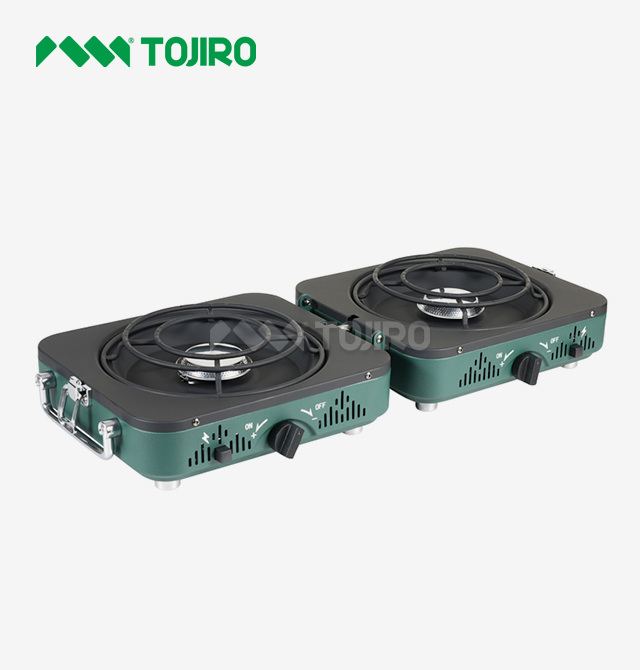
Industrial open air cooking ordinarily depends on dual-burner frameworks with a combined yield of 15,000–20,000 BTU. Lower ranges suit fundamental cooking needs, whereas higher yields back proficient chefs requiring speed and exactness. The TOJIRO Shell Stove conveys 16,000 BTU through two 8000 BTU burners, setting it in a adjusted mid-range category. This arrangement guarantees productive fuel utilize whereas keeping up solid execution, and double open-flame or infrared compatibility includes adaptability over single-burner frameworks for commercial applications.
Material Quality and Construction Standards
Cold-rolled steel with powder coating is widely used for its balance of durability and cost efficiency. It resists rust under normal outdoor exposure and maintains structural stability under repeated heating and cooling cycles. Manufacturing quality is equally important, with ISO9001:2015-certified facilities ensuring consistent production and lower defect rates. This consistency is especially critical for OEM orders of 1000 units or more, where quality variation can disrupt supply chains and negatively affect customer satisfaction and operational reliability.
Fuel Versatility and Market Adaptability
Dual-fuel compatibility significantly expands market reach by supporting both European gas systems and US propane cylinders under a single SKU. This simplifies inventory management and improves global sales efficiency, particularly for cross-border e-commerce. Propane systems offer portability and easy refilling, enhancing user convenience and product ratings. Natural gas compatibility further supports permanent installations in hospitality environments, eliminating refueling needs and increasing suitability across residential, commercial, and rental use cases.
Price-to-Performance Analysis
Purchasing decisions are ultimately shaped by budget considerations alongside performance requirements. Mid-range equipment often achieves the best balance of cost and capability, meeting most business needs without unnecessary expense. OEM production with a 45-day lead time requires advance planning but reduces per-unit costs and improves capital efficiency. Strategic procurement timing allows businesses to optimize cash flow while maintaining steady supply, making it a practical approach for scalable operations and long-term growth planning.
Integrating OEM Outdoor Kitchen 2 Burner Stoves into Your Custom Projects
A good OEM purchase plan for an outdoor kitchen 2 burner stove includes more than just choosing the right product. It also involves sourcing strategies, product customization, and post-sale support systems that ensure the project runs smoothly throughout the equipment’s full lifecycle.
Strategic Sourcing and Supplier Selection
When you work directly with the maker, you avoid the markups that distributors add, and you can talk about customizing the goods to fit your project's needs. Manufacturers who offer English-language customer service make it easier for people to talk to each other, which keeps mistakes about specifications from hurting the results of projects. Sending emails from official business addresses, like [email protected], creates paper trails that help with managing warranties and placing new orders.
Customization Execution and Branding Integration
Packaging customization transforms outdoor cooking equipment into a strong branding tool that differentiates products in competitive markets. Exterior design and printed messaging influence customer perception before use, while structural packaging adjustments ensure protection during transport for various product types. At the product level, OEM customization ranges from simple branding additions to engineering changes in burners, materials, and control systems. Effective execution requires close collaboration, clear communication, and realistic timelines for design, testing, and production.
Certification Compliance and Market Access
Regulatory compliance is essential for accessing global markets. Strong relationships with certification authorities help manufacturers obtain approvals more efficiently without burdening customers. This is especially important for OEM buyers without internal compliance teams. Certification timelines directly affect product launch schedules, making early planning necessary to avoid missed seasonal opportunities. Experienced OEM suppliers provide accurate scheduling based on certification requirements and testing availability, ensuring smooth coordination between compliance, production, and market launch phases.
Post-Sale Support and Long-Term Partnerships
Strong after-sales support enhances trust and brand reputation. Warranty services and responsive technical assistance help resolve issues quickly, reducing negative customer feedback. Dedicated support teams accessible through multiple channels demonstrate long-term commitment beyond the initial sale. For rental and education sectors, reliable spare parts availability is essential to prevent downtime. Pre-arranged parts agreements during procurement ensure consistent access to genuine components, adding long-term value and strengthening sustainable supplier partnerships over the product lifecycle.
Conclusion
Technical specs, customization options, and source partnership quality must all be considered when choosing the best outdoor kitchen 2 burner stove for custom OEM projects. Most industrial outdoor cooking needs can be met by dual burner configurations that give 8000 BTU per burner while still being portable and cost-effective. Material choice, fuel compatibility, and certification compliance all affect how well an item fits the market in a variety of usage situations. Your business will have long-term success in the competitive outdoor cooking equipment market if you buy from ISO-certified makers that offer full customization services and quick customer service after the sale.
FAQ
1. What minimum order quantity should I expect for custom OEM projects?
For special OEM outdoor cooking equipment projects, most companies set minimum order quantities of 1000 units. This level is based on how much tools cost and how efficient production needs to be in order to offer competitive prices. Established stores and rental businesses usually handle these levels of demand by buying a lot of goods at once or delivering items in stages over a period of months. Companies that can't commit to these levels of orders should look into white-label programs that offer smaller initial orders with standard product setups.
2. How long does the OEM manufacturing process typically require?
Standard production processes take about 45 days from the time an order is confirmed until the finished goods are delivered. This schedule doesn't include the time it takes for shipping and clearing customs for foreign orders. Depending on how complicated they are, projects that need new licenses or major changes to the plan can add weeks or months to the schedule. By planning ahead to account for these wait times, you can avoid running out of goods during busy shopping times, which hurts your ability to make money.
3. What customization options are available beyond basic branding?
Full ODM skills allow changes to be made to burner layouts, material choices, control system designs, and packaging structures. Manufacturers work together to come up with custom color finishes, ways to apply logos, and changes to performance specifications that make goods fit with specific market positioning strategies. How much tailoring is possible depends on the number of orders and the engineering resources of the maker. For projects that need major design changes, early supplier engagement is important.
Partner With TOJIRO for Your Outdoor Kitchen 2 Burner Stove Supplier Needs
Every OEM relationship that TOJIRO Electric Appliances has is a result of more than a decade of making great outdoor cooking tools. Our ISO9001:2015-certified factory blends traditional Japanese craftsmanship with cutting-edge production methods to make dual burner cooking systems that work better than expected. We know that procurement managers need outdoor kitchen 2 burner stove suppliers they can rely on to offer uniform quality across 1000-unit production runs while still meeting 45-day delivery schedules. Our full range of customization services includes integrating brands, designing packages, and getting certifications for foreign markets. The fact that every unit comes with a one-year warranty shows that we're confident in the quality of our making to meet the needs of business outdoor cooking. Get in touch with us at [email protected] to talk about your specific project needs and find out how the benefits of working with TOJIRO will help your brand stand out in the market for outdoor cooking tools.
References
1. Anderson, M. & Thompson, R. (2023). Commercial Outdoor Cooking Equipment: Procurement Strategies for Hospitality Applications. Industrial Kitchen Press.
2. Chen, L. (2024). OEM Manufacturing Best Practices in Outdoor Recreation Equipment. Global Supply Chain Institute.
3. Martinez, J. (2023). "Thermal Performance Standards for Portable Dual Burner Cooking Systems." Journal of Outdoor Equipment Engineering, 15(3), 47-63.
4. National Fire Protection Association. (2024). Safety Standards for Portable Outdoor Cooking Appliances. NFPA Publishing.
5. Roberts, K. & Wilson, S. (2023). Material Selection for Corrosion Resistance in Outdoor Cooking Equipment. Materials Engineering Society.
6. United States Consumer Product Safety Commission. (2024). Regulatory Compliance Requirements for Gas-Powered Outdoor Cooking Devices. Government Printing Office.

USER EVALUATE
Here is the customer's evaluation of us
_1763609661748.webp)
_1763607622609.webp)