


Where to Buy Garage Propane Heater with Thermostat?
For the best garage propane heater with thermostat, you should look at heaters made by reputable companies, bought directly from the company, and approved sellers. These things should all fit your building's heating needs. Heating systems made for business sheds, workshops, and industrial areas are available from reputable garage propane heater with thermostat companies like TOJIRO. These systems are ISO-certified. When you deal directly with makers, you can get features that can be changed, discounts for buying in bulk, and full support for your promise. It's best to choose suppliers that have a history of trust, safety compliance, and after-sales service that meets your needs. You can find these suppliers through online B2B platforms, specialty dealers, or OEM partnerships.
Understanding Garage Propane Heaters with Thermostats
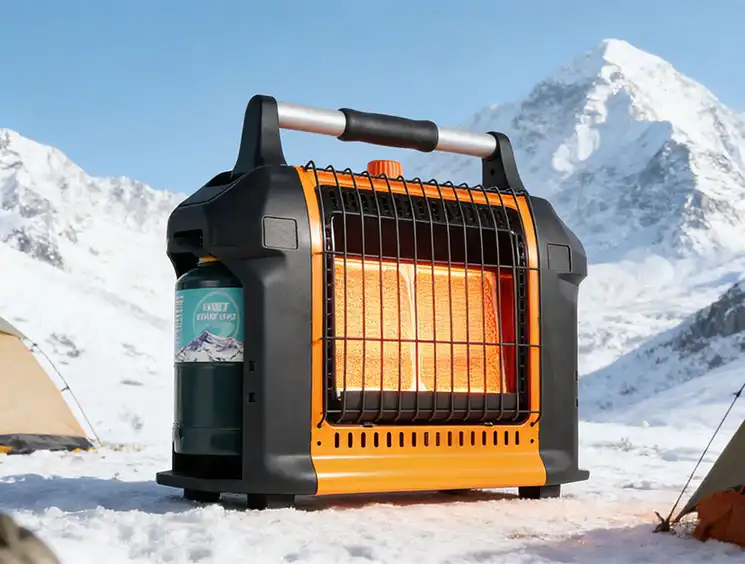
What Makes Thermostat-Controlled Propane Heaters Essential
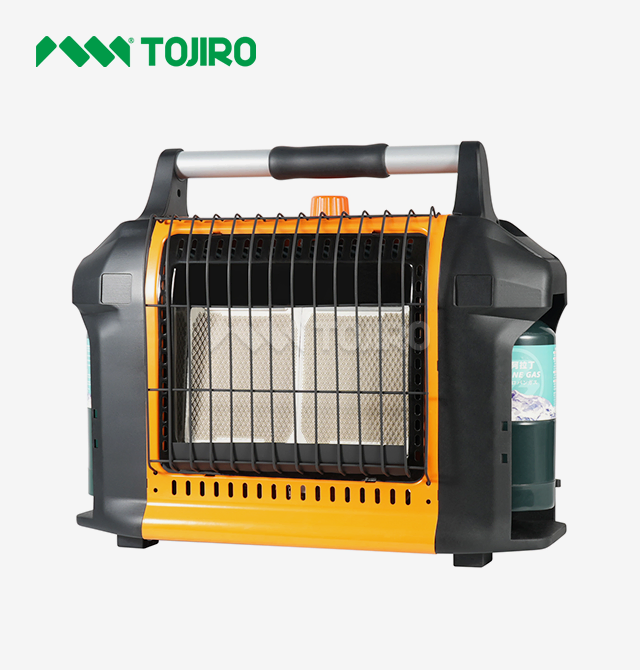
When you put together gas stoves and thermostat technology, you get a system that is smart enough to change how much fuel it uses based on the weather. With this smart method, the system doesn't keep turning on and off over and over like human systems do. This keeps the gear warm and makes it last longer. A business can save money on labor costs because workers don't have to physically check on and change the temperature during their shifts. It's important to be stable at low temperatures, especially in places where cold temperatures can hurt materials, tools, and finished products. Utilizing a garage propane heater with a thermostat to keep things stable stops moisture from condensing, keeps things safe, and ensures that equipment works at its best. For example, the TOJIRO GH25-18B type has an output of 18,000 BTU and can keep rooms up to 15 square meters at the right temperature on its own.
Core Benefits for Commercial Operations
It's clear that gas heating systems work better in businesses than electric ones. During the busy winter months in the U.S., when electricity rates go up, fuel costs less than energy in most places. Electric heaters need time to warm up, but propane heaters start making heat as soon as they are turned on. This quick response is helpful in places where the heat only works when people are there. You have a lot of freedom when you are not connected to the power grid. Facilities that run off the grid or in places where power isn't always reliable need propane devices. These kinds of units can keep heaters going even if the supply chain changes or fuel isn't available in some places because they can use regular propane tanks, high-altitude cylinders, butane, and LPG.
How to Choose the Right Garage Propane Heater with Thermostat
Calculating BTU Requirements and Capacity
The British Thermal Unit (BTU) rating of the unit tells you if it can heat your room well enough. To get a rough idea, multiply the size of your garage by the temperature rise you want to see and then add a factor for insulation. A modern building with good insulation might only need 20 to 25 BTU per cubic foot. An older building without good insulation, on the other hand, might need 40 to 50 BTU per cubic foot. The TOJIRO GH25-18B can cool rooms that are 400 to 600 square feet, have standard eight-foot ceilings, and have some insulation. It puts out 18,000 BTUs. Buildings with high ceilings, lots of open doors, or not much insulation, a garage propane heater with thermostat, may find that having a larger capacity helps keep the heat in. In small, well-sealed rooms, on the other hand, putting too much heat in wastes fuel and makes temperature changes uncomfortable even when the setting is right.
Evaluating Thermostat Features and Control Options
The way each setting is set up works differently. Some thermostats are very simple and only let you turn the heat on and off at certain temperatures. These are good for basic heating needs. It is possible to set digitally changeable heaters to work with your shifts. This way, when the house is empty, less fuel is used. Smarter models connect to building management systems so that gadgets that are linked can be used to keep an eye on things and make changes from afar. Think about where the heater is set up and how well it worked. Meters that are far away from the heater get readings of the temperature outside of it, so radiating heat doesn't give false readings. How much of a difference in temperature there is before the system turns on can be set by the temperature difference options. This is a good compromise between saving fuel and keeping the temperature stable.
Where to Buy Garage Propane Heaters with Thermostats: Reliable Suppliers and Brands
Direct Manufacturer Relationships
Businesses that need to buy things for other businesses can clearly benefit from going straight to the manufacturers, like TOJIRO, especially when they need to make big orders or changes to the product. The cost of a big order is lower per unit because there are no middlemen to add a fee. People who sell things, rent things, and big buyers who plan to buy things once a year can all meet the 1,000-unit minimum order. Products can be changed in ways that aren't possible with wholesalers when you have direct access to the maker. Customers can choose from a variety of OEM and ODM box designs that meet TOJIRO's standards. They can also change features to fit local tastes or add their own extras. This freedom is good for white-label partners who are making their own lines of products or for businesses that want to stand out in markets that are already very crowded.
Authorized Distributor Networks
Regional suppliers help people who need to buy in smaller amounts, quickly, or close by to get help. People in the middle keep things in stock, which cuts wait times from weeks to days. A lot of the time, they offer extra services that make things better, like setting up deliveries, helping with basic tech issues, and making it easier to handle refunds. Authorized wholesalers work closely with manufacturers to make sure the items they offer are real and that customers can get replacement parts when they need them. It is very important to get this license for safety equipment like garage propane heaters with thermostat units, since fake or changed units might not have important safety features. Make sure that the creator has given the dealer direct permission before making big purchases that could cost a lot of money or put you at risk legally.
Online B2B Marketplaces and Procurement Platforms
Digital platforms let people from all over the world buy and sell things. This makes prices clear and makes it easy to compare prices. There are ways to check that make it less likely that a platform is a scam, but you should still do your research. Before you decide to buy from a seller, check out their reviews, past transactions, and how quickly they answer your messages. These sites are great for buyers who just want to look around and see how much things cost, find new sellers, or get things that are hard to find. There is a lot of competition for sales when there are a lot of sellers. This makes prices lower. After the sale, though, help might not be as good as if you had direct ties, and quality changes from brand to brand.
Installation, Maintenance, and Safety Considerations
Professional Installation Best Practices
Moving propane heaters are easier to set up than fixed ones, such as a garage propane heater with thermostat, but they still need to be put together properly. Put the unit on a stable, flat area that is not near a traffic flow, or it could fall over. Keep a safe distance from flammable objects by following the manufacturer's directions. Most of the time, this means 36 inches between walls and 48 inches between things above. There are different types of heaters and different parts of buildings that need different amounts of ventilation. Different units need different sources of fresh air. Some have built-in systems that move air around that work well in small spaces. To keep carbon monoxide from building up, make sure your garage has enough air flow. Putting in carbon monoxide monitors makes things safer because they let people know about dangerous gas levels before they get too high.
Routine Maintenance Protocols
A lot of repairs keep things in good shape and help them last longer. The fuel lines should be checked for damage, wear, or rust once a month. The heating parts and windows should be cleaned to get rid of dust and other things that slow things down. To make sure the thermostat is set properly, compare the temperatures it says it is at with readings from other thermometers. If changes need to be made to keep the truth, do so. A full system check should be done every year before the heating season. Modeling trigger situations is a good way to make sure that safety monitors work correctly. For instance, slowly turning units to make sure the safety feature for tipping over works, or checking oxygen monitors in places where oxygen levels are low. Check the stove for broken or clogged parts that could make it burn less efficiently. To fix old fuel lines, broken seals, or rusted parts, do not wait until something goes wrong.
Safety Feature Verification
There are many safety factors in modern gas heating systems that need to be checked often. Alarms for oxygen loss are the main way to keep dangerous results of burning from building up. When these things check the oxygen level in the air, they quickly stop the flow of gas if it falls below a safe level. To test the performance of the monitor, do what the manufacturer says, which generally means lowering the oxygen level in places with good air flow. If the heater starts to shake, safety switches that prevent tipping cut off the fuel supply right away. To make sure the switch works, carefully tilt the machine to the angles shown in the directions. In a busy shed where tools could get hit or knocked over while they're being used, this safety feature is very helpful. Flame failure safety systems can tell when burners turn off quickly and close the fuel valves to stop the flow of raw gas. To test these systems, briefly turn off the fuel while the unit is going and make sure the shut-off happens on its own. Even for a short time, never turn off or disable safety features. You could be sued if you do that, and it's also against the rules for safety.
Pricing, Discounts, and Additional Procurement Services
Price Ranges and Cost Factors
There are a lot of different types of commercial gas heaters with thermostat controls. The prices range from $150 to $600 per unit for portable models like the TOJIRO GH25-18B. Systems that are installed permanently and have settings for both air and building can cost more than $2,000 per unit. Prices for businesses to businesses are often very different from prices for consumers. Buyers who qualify can get deals like holiday sales, savings for buying in bulk, and contracts that are talked about. Prices are affected by more than just basic features. What something is made of determines how long it will last. Heavy-gauge cold-rolled steel is better at handling tough industrial environments than lighter-gauge steel. It costs more to take a certification test, but it keeps you safe and makes sure you follow the rules. People are ready to pay more for a name if they know they can count on it to provide steady quality, warranty support, a garage propane heater with thermostat, and parts that will work with the product for as long as it lasts.
Volume Purchasing and Bulk Discounts
Businesses that buy more than one unit may be able to get better deals than individuals who only buy one unit. Customers who need a lot of heating should place an order of at least 1,000 units from TOJIRO. This is for shops, rental companies, leisure groups, and big buyers. When sellers promise to make a lot of something, they can better plan their production schedules. This helps them make each item cheaper, which they then pass on to buyers by lowering the price. Talk about how to set prices that fit the way you normally buy things. It's possible that getting set orders once a year will get you better prices than buying everything at once. Make agreements to work together for a long time so that makers can learn about production and get good prices and first picks when demand is high. You might want to look into cooperative buying deals. These let orders from various parts of a company be joined to meet volume needs.
Value-Added Services and Support
The price you pay for something is only one part of how much it costs to own it. Services that make rollout faster, lower the cost of maintenance, and cut down on downtime are worth the extra money they cost at first. When comparing companies, you shouldn't just look at unit prices. Instead, you should look at how much value they offer overall. You can choose faster shipping options if you need heat right away or need to finish a job quickly. You can expect to wait 45 days for your order from TOJIRO, but knowing that they can speed up the process helps you plan for times when you need your order faster. For regular customers who want special orders, some sellers keep extra stock on hand to help them get their orders faster. Equipment can be set up easily in facilities with the help of installation support services that offer full paperwork and help on-site. When repair workers are taught the right way to take care of equipment, it lasts longer and needs fewer service calls. You can quickly fix operating problems with technical help that you can reach by phone, email, or chat. This keeps work from getting in the way.
Conclusion
You have to think about a lot of things to find the best places to buy a garage propane heater with thermostat controls. These include the quality of the products, how reliable the sellers are, the prices, and the customer service. When a business needs a lot of heaters, direct maker relationships like the ones TOJIRO offers can be helpful. Because of these connections, you can customize, get big savings, and talk to engineers. Authorized sellers help buyers in their area who need smaller amounts, quick access, or help with their needs. It's important to know what needs to be installed, how to keep it in good shape, and what the safety standards are so that the rollout goes smoothly and costs stay low. When making a smart purchase, it's better for business heating investments to look at the item's total ownership value instead of just the purchase price.
FAQ
1. What temperature settings work best for garage heating efficiency?
It's easiest to work in the garage when the temperature is between 50°F and 60°F. This also saves fuel. With thermostat settings, you can precisely control the temperature so that you don't go over your goals. By setting devices to lower temperatures when they're not being used, you can save money without affecting comfort at work. If you put temperature-sensitive materials or equipment somewhere, you might need to keep the temperature bands closer together, generally between 60°F and 70°F, so the things don't break or stop working right. You can change the temperature of the TOJIRO GH25-18B to suit your needs.
2. How much energy do thermostat-controlled propane heaters save compared to manual systems?
Usually, heaters that are controlled automatically use 20 to 30 percent less fuel than heaters that are controlled by hand and run all the time. This efficiency gain comes from not heating rooms again when they hit the right temperature and not letting the temperature go too high, which happens a lot with manual systems. When plans are made ahead of time, programmable heaters that switch on and off the heat based on when people are in the building can save more than 40% of the energy used. What kind of savings are made depend on the weather, the insulation, and how the home is used.
3. Should commercial buyers arrange professional installation for propane garage heaters?
For long-term installations, systems with a lot of space, or places that don't have their own skilled staff, it's best to have someone do the installation for you. Certified techs know the building codes in their area, how to properly air, and the safety rules that keep people safe, and outline their duties. Setting up portable units like the TOJIRO GH25-18B is easier, and trained repair staff can do it by following the manufacturer's instructions. Professionals setting up and teaching people on how to use units, even ones that can be moved, lowers running risks and ensures the right design is used.
Partner with TOJIRO for Reliable Garage Propane Heater Solutions
Traditional Japanese expertise is mixed with new ways to make things faster, a garage propane heater with thermostat, and better at TOJIRO Electric Machines, which makes commercial-grade heating equipment. People from shops, rental companies, leisure groups, and institutions in North America can buy from our network of garage propane heaters with thermostat sellers. The strong, cold-rolled steel body of the GH25-18B type makes 18,000 BTU of heat. This machine is safe and can use any kind of fuel. It's easy to plan your collection because we make things every 45 days, and our ISO9001:2015 certification makes sure that the quality is always the same. Customization through OEM/ODM, a fair price for sales of 1,000 units or more, and a warranty that lasts for one year are all perks for people who buy in bulk. You can email our team at [email protected] to talk about your heating needs and get detailed information that is tailored to your business.
References
1. Anderson, M. (2022). Commercial Heating Systems: Selection and Procurement Strategies for Industrial Facilities. Industrial Press Publishing.
2. Chen, R. & Martinez, J. (2023). "Propane Heating Efficiency in Commercial Applications: A Comparative Analysis." Journal of Building Services Engineering, 44(3), 187-203.
3. National Fire Protection Association. (2023). NFPA 58: Liquefied Petroleum Gas Code – 2023 Edition. NFPA Publications.
4. Roberts, D. (2021). Facility Management Best Practices: HVAC Systems for Workshops and Garages. Facilities Engineering Society.
5. Thompson, K. & Liu, S. (2023). "Thermostat Control Systems in Propane Heating: Energy Savings and Operational Benefits." Energy Management Quarterly, 19(2), 45-61.
6. United States Department of Energy. (2022). Alternative Fuel Heating Systems: Guidelines for Commercial and Industrial Applications. DOE Technical Publications.

USER EVALUATE
Here is the customer's evaluation of us
_1763607842349.webp)