


Best 2 Burner Stove for Outdoor Kitchen Projects in 2026
When sourcing cooking equipment for commercial outdoor kitchens, the outdoor kitchen 2 burner stove emerges as the most practical solution for B2B buyers in 2026. This dual-burner configuration delivers an ideal balance between cooking capacity, operational efficiency, and spatial economy that resonates with rental companies, hospitality providers, and institutional purchasers. Our comprehensive guide addresses selection criteria, installation protocols, and procurement strategies specifically designed for bulk buyers seeking reliable, high-performance outdoor cooking systems that meet ISO standards and commercial-grade durability requirements.
Introduction
Dual-burner outdoor cooking systems have become essential in commercial kitchens, offering versatile performance without excessive space or fuel demands. Procurement teams and engineers value these stoves for their ability to handle simultaneous cooking tasks, improving efficiency across applications like camping services, rental fleets, and public food operations. In 2026, B2B buyers increasingly prioritize cost efficiency and operational flexibility, both addressed by dual-burner designs. This guide explains their growing importance, covering technical specifications, installation practices, comparisons with other systems, and purchasing strategies. It also highlights material durability, propane system functionality, and key performance metrics for informed decision-making.
Understanding the Core Benefits of Outdoor Kitchen 2 Burner Stoves
Operational Versatility Across Commercial Applications
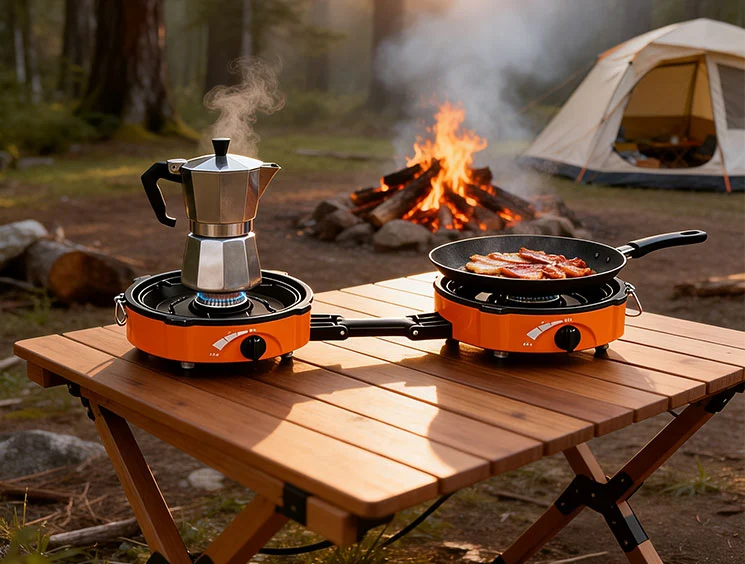
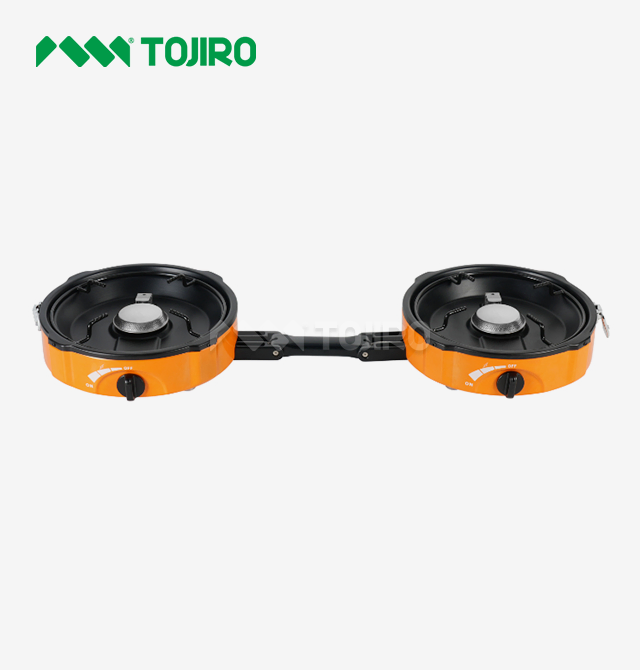
Dual-burner frameworks provide solid adaptability for commercial open air cooking, permitting concurrent planning at diverse temperatures. This bolsters differing utilize cases, from campground rentals planning suppers and drinks together to corporate occasions keeping up dishes whereas cooking others. Half breed plans combining open fire and infrared burners upgrade effectiveness, empowering quick bubbling nearby controlled stewing. Compact collapsing structures extend into usable cooking space without possessing abundance room. This adjust of flexibility and movability makes strides benefit speed and client fulfillment whereas supporting operations that require versatile, multi-functional hardware over shifting situations and benefit demands.
Cost-Effectiveness Through Operational Efficiency
Outdoor kitchen 2 burner stove diminishes add up to possession costs by combining satisfactory execution with effective fuel utilize. Compared to bigger frameworks, they devour less fuel whereas assembly most commercial cooking necessities. Standard yield levels around 8000 BTU per burner give dependable warm without squander. Bulk acquirement advance brings down per-unit costs, particularly when adjusted with generation cycles that bolster stock arranging. Their toughness and direct upkeep needs moreover decrease long-term costs. Together, controlled fuel utilization, competitive estimating, and tried and true development convey solid return on venture for businesses looking for cost-effective arrangements without relinquishing operational capability or benefit quality.
Space-Saving Design for Layout-Constrained Environments
Space productivity is basic in open air kitchen plan, particularly in compact situations like campsites, withdraws, and occasion settings. Dual-burner frameworks give adequate cooking capacity whereas minimizing impression compared to bigger setups. Foldable plans permit simple transport, capacity, and fast sending, making them perfect for rental operations and regular utilize. Tough materials guarantee rehashed setup and breakdown without auxiliary harm. This transportability bolsters adaptable operations over different locales whereas keeping up unwavering quality. Businesses advantage from hardware that maximizes constrained space without compromising execution, empowering productive formats indeed in obliged or brief open air cooking environments.
Key Factors to Consider When Choosing a 2 Burner Stove for Outdoor Kitchens
Defining Project-Specific Requirements
Effective acquirement begins with clearly characterized operational needs. Diverse applications—rental armadas, OEM ventures, or government use—require particular determinations. Toughness desires change based on utilization escalated, with day by day rental hardware requiring more grounded development than occasional-use units. Natural conditions moreover impact necessities, such as weight soundness at tall elevations or erosion resistance in coastal regions. Fuel compatibility must coordinate territorial guidelines to guarantee smooth operations. Providers advertising versatile setups streamline universal sending. Building up these parameters early guarantees that chosen gear adjusts with useful requests, administrative prerequisites, and long-term execution expectations.
Core Selection Metrics for Commercial Evaluation
Standardized assessment measurements empower objective comparison between dual-burner frameworks. Fuel productivity ought to coordinate operational needs, with direct BTU yield conveying execution without pointless utilization. Fabric quality decides toughness, with coated steel structures advertising resistance to erosion and rehashed warm stretch. Dependable burner components guarantee steady execution over broad utilize cycles. Upkeep plan moreover matters—features like detachable dribble plate and available start frameworks rearrange cleaning and repairs. Bundling strength shows in general generation quality, particularly for transport-heavy operations. These quantifiable criteria offer assistance buyers survey genuine esteem past showcasing claims and guarantee long-term operational reliability.
Comparative Brand Analysis for Informed Decision-Making
Different brands target shifting advertise fragments inside open air cooking. A few center on shopper or light commercial utilize, prioritizing movability and availability, whereas others emphasize industrial-grade strength and bulk supply capabilities. Large-scale producers with certified generation frameworks give reliable quality and competitive estimating for high-volume buyers. Solid send out capacity and standardized forms back solid supply chains. Buyers ought to assess whether brands adjust with commercial necessities, counting solidness, customization, and long-term bolster. Choosing the right provider guarantees gear execution, stock soundness, and adaptability for developing commerce operations over different locations.
Installation, Maintenance, and Safety Best Practices for 2 Burner Outdoor Kitchen Stoves
Systematic Installation Procedures
Proper establishment guarantees secure and proficient stove operation. Location evaluation ought to consider ventilation, wind presentation, and clearance from combustible materials. Hardware must be set on steady, level surfaces to anticipate development amid utilize. Keeping up suggested dividing diminishes warm buildup and fire dangers. Fuel associations require cautious confirmation to guarantee compatibility and anticipate spills. Affirmed spill location strategies ought to continuously be utilized some time recently operation. Foldable plans permit fast setup, but staff must take after rectify strategies to dodge misalignment or harm. Organized establishment hones bolster long-term unwavering quality, security compliance, and reliable execution in commercial environments.
Routine Maintenance Protocols
Scheduled upkeep jam execution and expands hardware life expectancy. Every day cleaning evacuates oil and nourishment buildup, anticipating buildup that can influence operation. Week after week reviews recognize early signs of wear, counting harmed fuel lines, conflicting fire designs, or defective start components. Weight controllers ought to be checked to guarantee steady gas stream. Regular upkeep incorporates more profound cleaning, component assessment, and preventive substitution of worn parts. These schedules diminish startling disappointments amid top utilization periods. Building up steady upkeep conventions makes strides unwavering quality, underpins security guidelines, and minimizes downtime, particularly for high-use or rental operations with visit handling.
Comprehensive Safety Guidelines
Safety administration is basic in commercial open air cooking. Fuel barrels must be put away in ventilated, shaded ranges absent from start sources. Legitimate dealing with amid transport and substitution avoids harm and spills. Administrators ought to take after organized start and shutdown strategies whereas observing fire quality. Standard assessments guarantee framework keenness and distinguish risks early. Preparing staff in secure operation and crisis reaction is basic, especially in shared-use situations. Fire control hardware for an outdoor kitchen 2 burner stove should be easily accessible near cooking areas. These practices reduce risks, ensure compliance with safety standards, and protect both staff and property during operations.
Comparing 2 Burner Stoves with Alternatives: 3 Burner, Single Burner, and Combined Grills
Capacity Trade-Offs and Cooking Volume Assessment
Choosing the right burner configuration requires evaluating actual cooking needs. Dual-burner systems provide sufficient capacity for most small to medium group applications, balancing performance with efficiency. Larger multi-burner setups offer higher output but increase costs, fuel consumption, and complexity. Single-burner units limit multitasking, reducing efficiency and increasing preparation time. For most commercial outdoor scenarios, dual-burner systems meet operational demands without unnecessary overhead. Assessing menu complexity, service volume, and workflow requirements helps determine the optimal configuration, ensuring resources are used efficiently while maintaining service quality and customer satisfaction.
Operational Efficiencies Unique to Dual-Burner Configurations
Dual-burner systems enable precise control over different cooking tasks through independent heat settings. This allows simultaneous preparation of items requiring varied temperatures, improving efficiency during busy service periods. Hybrid designs combining open flame and infrared burners expand cooking capabilities, supporting rapid heating, controlled simmering, and food warming. This flexibility reduces reliance on additional equipment and simplifies kitchen setups. Compared to single or oversized multi-burner systems, dual configurations strike a balance between versatility and efficiency. These operational advantages help businesses maintain consistent quality while optimizing resource use in dynamic outdoor cooking environments.
Integrated Stove-Grill Combinations: Advantages and Compromises
Combination stove-grill systems offer multifunctional cooking within a single unit, appealing to operations requiring both burners and flat cooking surfaces. This reduces equipment count and saves space. However, added complexity increases maintenance demands, particularly for cleaning griddle components. Durability concerns may arise from repeated heating cycles affecting integrated parts. Replacement components can also be harder to source compared to standard burner systems. Businesses must weigh convenience against maintenance workload and long-term reliability. For operations prioritizing simplicity and ease of upkeep, dedicated dual-burner systems may provide more consistent performance and lower operational burden.
Energy Consumption and Environmental Considerations
Energy efficiency and environmental impact are increasingly important in procurement decisions. Propane remains the preferred fuel due to its clean combustion, availability, and high energy density. Dual-burner systems deliver strong performance while maintaining moderate fuel consumption compared to larger configurations. Efficient designs reduce emissions and operational costs simultaneously. Equipment durability also contributes to sustainability by minimizing replacement frequency and waste. Electric alternatives exist but are limited by power availability and portability constraints in outdoor environments. For most commercial outdoor applications, propane-based dual-burner systems offer the best balance of efficiency, practicality, and environmental performance.
Top-Rated Outdoor Kitchen 2 Burner Stoves to Watch in 2026: Brands, Features, and Procurement Insights
TOJIRO: Japanese Craftsmanship Meets B2B Manufacturing Scale
TOJIRO combines traditional quality standards with large-scale manufacturing tailored for business buyers. Certified production systems ensure consistent quality, while high output capacity supports bulk procurement needs. Advanced design features enhance durability, corrosion resistance, and cooking flexibility. Hybrid burner configurations provide broader functionality than conventional systems. Flexible order quantities and structured production timelines enable efficient inventory planning. Compatibility with multiple fuel standards simplifies international deployment. These strengths position the company as a reliable partner for organizations requiring scalable supply, customization options, and consistent product performance across diverse commercial applications.
Camp Chef: Consumer Brand Transitioning to Light Commercial
Camp Chef is known for outdoor cooking products, and its outdoor kitchen 2 burner stove solutions are gaining relevance in light commercial settings. Strong distribution networks and customer support enhance accessibility and service. However, product design remains oriented toward consumer use, which may limit durability under intensive commercial conditions. Materials and warranty structures typically reflect moderate usage expectations rather than heavy-duty applications. Bulk pricing flexibility is also more limited compared to manufacturers focused on B2B markets. Businesses should evaluate whether these products meet their operational demands, particularly for high-frequency or rental use where durability and long-term performance are critical factors.
Coleman: Legacy Brand with Distribution Strength
Coleman benefits from strong brand recognition and extensive retail distribution, ensuring product availability and easy access to replacement parts. This makes it convenient for businesses managing multiple locations. However, product design prioritizes consumer convenience over heavy-duty commercial performance. Lighter materials may reduce durability under frequent use, impacting long-term value. Limited customization options also restrict suitability for OEM or private-label strategies. While reliable for general outdoor use, businesses with intensive operational demands should carefully assess whether these products meet required durability and scalability standards for commercial applications.
Blackstone: Griddle Specialization
Blackstone focuses on griddle-based outdoor cooking, offering strong performance for specific applications requiring flat cooking surfaces. This specialization builds a clear brand identity but limits versatility compared to traditional burner systems. Griddle units often require more intensive cleaning and maintenance, increasing operational workload. Durability concerns may arise in high-use environments due to repeated heating cycles. Bulk purchasing incentives are typically less competitive than those offered by B2B-focused manufacturers. Businesses should consider whether their cooking needs align with griddle functionality or if more flexible burner-based systems provide better overall efficiency and adaptability.
Strategic Procurement Considerations
Effective procurement involves more than product selection. Supplier reliability, customization capabilities, and long-term support significantly influence operational success. Businesses should evaluate order flexibility, lead times, and engineering support for product modifications. Compliance certifications and quality assurance systems are essential for meeting regulatory requirements. Logistics factors, including packaging durability and shipping efficiency, also impact costs and inventory stability. Strong supplier relationships support consistent product availability and service continuity. Considering these broader factors ensures procurement decisions align with long-term operational goals, maximizing value beyond initial purchase price.
Conclusion
Selecting appropriate outdoor kitchen 2 burner stove models directly impacts operational efficiency, cost management, and service quality across commercial applications throughout 2026. Dual-burner configurations deliver practical cooking capacity, fuel efficiency, and spatial economy that align with diverse B2B requirements spanning rental operations, corporate hospitality, institutional purchasing, and OEM partnerships. Successful procurement requires systematic evaluation of durability specifications, fuel system compatibility, maintenance requirements, and supplier relationship quality beyond simple price comparison. This guide provides the framework necessary for informed decision-making, emphasizing how proper equipment selection, installation protocols, and maintenance discipline create competitive advantages through enhanced reliability and operational performance supporting business growth objectives.
FAQ
1. What fuel types work best for commercial outdoor kitchen applications?
Propane is the most popular fuel for business outdoor cooking because it burns cleanly and has a higher energy density. For operations in the US, standard propane tanks are used, while high-altitude gas cylinders are used in European areas. Good makers meet both standards, which lets international companies buy things together without having to keep separate inventories.
2. How frequently should commercial-grade dual-burner stoves undergo maintenance?
Cleaning every day keeps cleanliness standards high, which is very important in food service settings. Inspections once a week find problems as they start to happen before they become operating fails. Seasonal comprehensive overhauls conducted by trained technicians extend equipment service life significantly, particularly for rental operations subjecting equipment to intensive daily use cycles.
3. Are electric options practical for large-scale outdoor kitchens?
Electric models have some real problems, such as the need for power distribution systems, being vulnerable to bad weather, and not being easy to move around. These constraints limit electric systems to permanent installations with reliable electrical service—conditions rarely present in camping, glamping, or remote corporate venues where outdoor kitchens typically operate.
Partner with TOJIRO for Your Commercial Outdoor Kitchen 2 Burner Stove Requirements
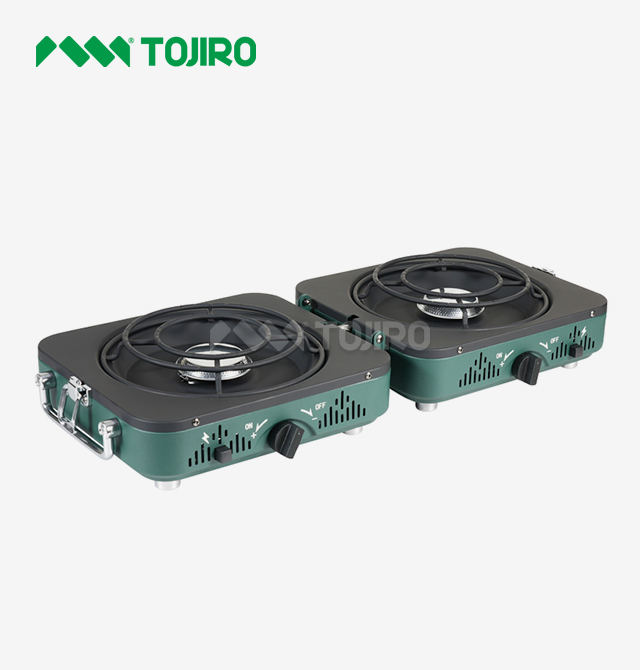
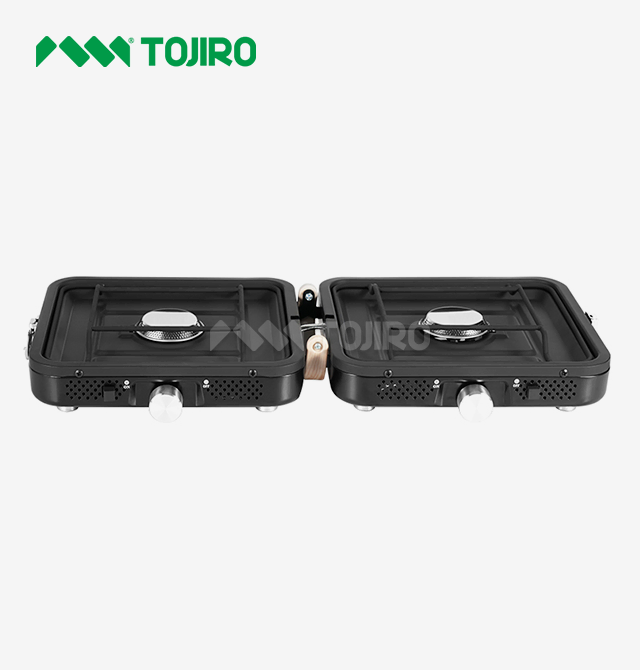
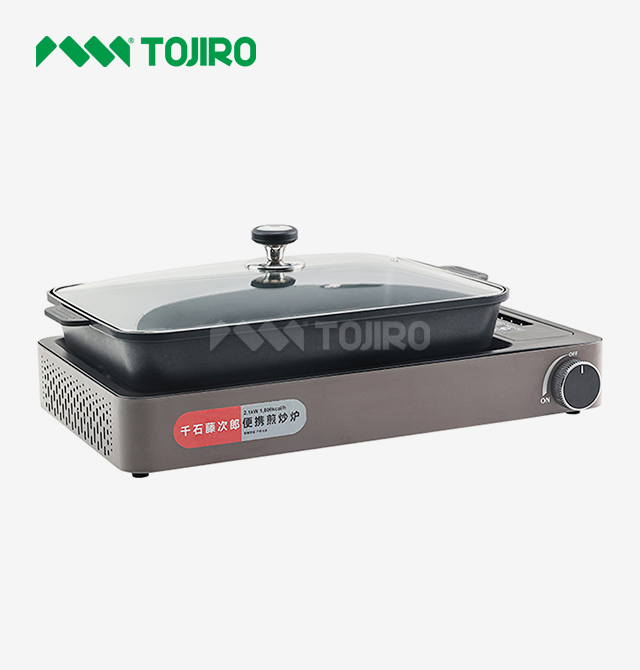
TOJIRO Electric Appliances delivers the manufacturing expertise, quality assurance, and customer-focused service that B2B buyers demand. As an outdoor kitchen 2 burner stove supplier, our ISO9001:2015 certified production facility combines traditional Japanese craftsmanship principles with modern industrial capabilities, producing over one million units annually for international markets. The TJR-BK39 Shell Stove exemplifies our commitment to commercial-grade construction, operational versatility, and procurement flexibility through customizable specifications, competitive bulk pricing, and reliable 45-day production cycles. Contact our team at [email protected] to discuss your specific requirements, request technical specifications, or arrange product samples. Whether you operate rental fleets requiring extreme durability, manage e-commerce platforms prioritizing inventory turnover, or coordinate government procurement following strict compliance standards, we provide tailored solutions supporting your operational success.
References
1. American Society for Testing and Materials. (2024). "Standards for Commercial Outdoor Cooking Equipment: Safety and Performance Criteria." ASTM International Technical Publications.
2. Chen, M. & Roberts, J. (2025). "Fuel Efficiency Analysis in Commercial Outdoor Kitchen Operations." Journal of Hospitality Equipment Management, 38(4), 127-145.
3. International Organization for Standardization. (2023). "ISO 9001:2015 Quality Management Systems: Requirements for Manufacturing Compliance." ISO Standards Catalog.
4. National Fire Protection Association. (2025). "NFPA 58: Liquefied Petroleum Gas Code for Commercial Applications." NFPA Publications, 2026 Edition.
5. Thompson, R. (2025). "B2B Procurement Strategies for Outdoor Hospitality Equipment: A Comprehensive Analysis." Commercial Foodservice Quarterly, 19(2), 88-103.
6. Williams, K. & Martinez, S. (2024). "Durability Testing Protocols for Rental Equipment: Field Performance Assessment." International Journal of Equipment Management, 42(3), 201-218.

USER EVALUATE
Here is the customer's evaluation of us
_1763619738116.webp)
_1763619688277.webp)
_1763607842349.webp)