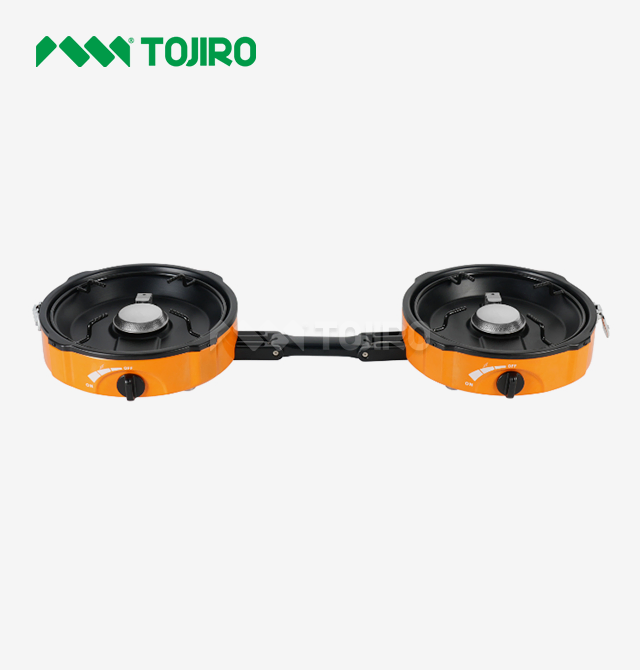



What Is a Thermostat Garage Propane Heater?
With a garage propane heater with a thermostat, you can keep your garage, workshop, or commercial area warm. This kind of garage propane heater with thermostat runs on garage propane heater with thermostat gas and has a built-in temperature controller. Traditional heaters need to be adjusted by hand all the time. This garage propane heater with thermostat, on the other hand, can quickly change how much heat it produces by checking the room temperature and adjusting the gas flow to meet. The thermostat is the system's brain. It turns the burner on and off so you can set the temperature you want. This saves fuel and keeps the garage propane heater with thermostat from getting too hot. In just minutes, this technology turns cold, uncomfortable workspaces into ones that are useful. It does this with ease and speed that human heating can't match.
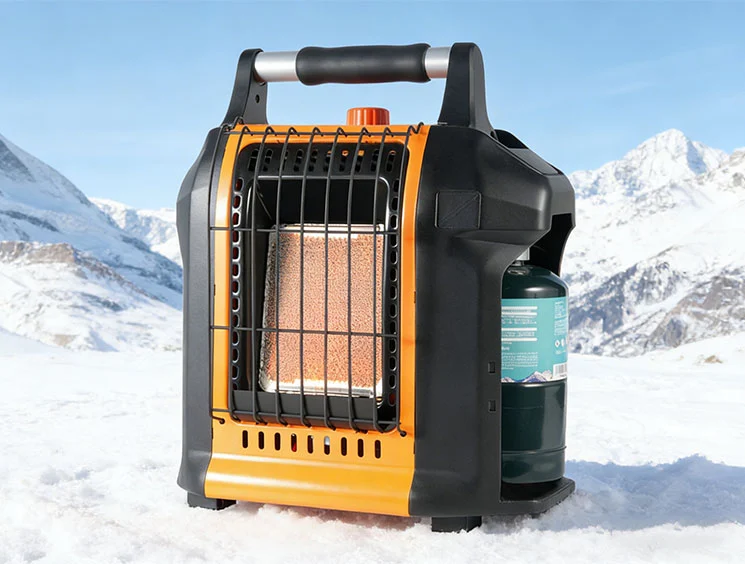
Understanding Thermostat Garage Propane Heaters
Core Components and How They Work Together
Every garage propane heater with a thermostat has three important parts that work together. The propane burner burns liquid petroleum gas very efficiently to make heat. It can make 18,000 BTU or more, depending on the type. With its built-in sensors, the thermostat checks the room temperature all the time and lets the gas valve know when it needs to be changed. The fuel supply system is made up of switches, pipes, and safety valves that turn off the fuel. It manages the propane's flow from the tank to the burning area. The thermostat compares the current temperature to the temperature you set when you tell it what temperature you want it to be. Your set level is dropped if the space falls below it. The control system then lets the gas flow through and lights the burner. The thermostat tells the valve to close when the temperature reaches the set point. This stops the flow of fuel until the temperature drops again. Since this loop keeps going, it doesn't lose energy and keeps the temperature the same. These days, thermostats are very exact and can keep the temperature where you set it to within two degrees. It's much better than making changes by hand.
Technical Advantages for Commercial Applications
A garage propane heater with a thermostat really helps your business and impacts your bottom line. It uses less energy because it only burns fuel when it's really needed to keep warm, rather than all the time. Studies show that setting a timer while running the system by hand uses 20–35% more gas than using a timer. When it's cold outside, this means that rental companies, hostels, and other places with multiple units will have lower working costs. Another very important benefit is that it makes things safer. Modern garage propane heater models with a thermostat have oxygen depletion sensors that turn off the gas flow automatically when the oxygen level drops too low to be safe. Carbon monoxide doesn't get too high because of this. If the garage propane heater with thermostat starts to shake, take tip-over precautions to cut off the fuel supply right away. It's important that things don't get too hot because that could damage tools or start a fire. It is less likely that garage propane heater with thermostat someone will get hurt in a work setting with a garage propane heater with a thermostat because of these built-in safety measures.
Real-World Performance in Industrial Environments
Garage propane heaters with thermostat units can meet the unique heating needs of industrial sheds and workshops. It's too fast for people to heat places that are big, have high ceilings, and lots of doorways to keep the temperature stable. If the garage propane heater with thermostat is the right size and has quick temperature control, it will adapt to these changes right away, keeping the work environment good throughout shifts. For building sites and other cold places to work, a portable garage propane heater with thermostat units with settings that change with the weather is helpful. Propane systems can use regular tanks, high-altitude bottles, and large LPG lines, so they can keep heating up even if they move or the flow of gas changes. This flexibility is very useful for people who are planning business events that will take place outside or for disaster relief efforts that need to set up temporary buildings in out-of-the-way places.
Choosing the Right Garage Propane Heater with Thermostat
Comparing Propane Against Alternative Heating Solutions
Before deciding which heating system to buy, they need to be fairly compared based on how well they work and how much they cost to own in total. Electric heaters don't need fuel, but they do need strong electricity, which is something that many workplaces and rural areas don't have. It takes the same amount of power to heat something with a garage propane heater with thermostat (18,000 BTU) as it does with electricity (5,200 watts). Propane, on the other hand, doesn't depend on the power grid, so it still works when the power goes out during winter weather. However, natural gas heaters can only be used in places that already have gas service. They can't be moved because they need fixed pipes and professional lines to be set up. Temperature-controlled garage propane heaters with thermostat systems work just as well as other types, but they don't need as much equipment. They are great for places where heating needs change with the seasons, rental businesses, and short-term sets because of this. That's right, you can move your heating assets to different places as needed to get the most out of your gear.
Thermostat Technologies and Selection Criteria
When you know about the different kinds of thermostats, you can make sure that the tools can do what the business needs. The flow of gas in manual clocks is controlled by two metal parts that get bigger or smaller when the temperature changes. These tried-and-true designs are easy to use and work well. They don't have any electrical parts that could fall apart in rough situations. Hands-on methods work well for simple jobs where keeping the temperature steady is more important than being exact. Digital thermostats are more accurate and can be set to a certain temperature, which is useful for businesses that need to keep temperatures at a certain level. When measuring conditions, electronic monitors are more accurate than mechanical parts. This means that control bands can be tighter and temperature swings are less likely to happen. There are some digital types that have clocks and let you set more than one point. You can schedule heating cycles to fit your work schedule or have the temperature drop on its own when no one is home. These parts make business and school places more efficient when they are used in the right ways.
Procurement Standards and Brand Reliability
There's more to good marks than just being able to heat them up. They also include things like building supplies and rules for how to make things. When cold-rolled steel is joined together in stronger ways, the building can handle the bumps, shocks, and rough handling that come with being used in an industrial setting. Premium units have coatings that don't rust and keep their shape and look even when they're in sheds with water, salt on the roads, and chemical fumes.It is possible to be sure that safety and performance claims are true by checking that they are backed up by certification. Look for items that have been accepted by well-known testing labs that make sure the safety features work and the fumes don't harm the environment. A business that has ISO 9001:2015 quality control approval makes sure that all of its products meet the same standards by using the same methods every time. These licenses make it safer for government and business buyers with strict sourcing rules to buy things and make it easier to make sure they follow the law.
Installation, Usage, and Maintenance Best Practices
Step-by-Step Installation and Initial Setup
Setting up something the right garage propane heater with thermostat starts with making sure the site is ready to be used in a safe and useful way. Pick a level area that is away from burning things and stays at least as far away as the manufacturer's instructions say to. These should be three feet on all sides to let air flow well. Because you can open a window or door now and then, put the garage propane heater with a thermostat near one of those. This is very important in places that are closed off. When you connect the fuel source, make sure you pay close attention to the details. This stops leaks and has enough gas pressure. Tighten the regulator one more quarter turn on the gas tank with a wrench after you've threaded it on by hand. By making it too tight, you could damage the openings and let water in. Before you turn on the lights, use soapy water to check all the links for leaks. Blobs of gas leaving the system mean that something needs to be fixed before you can go on. Gas can slowly pressurize the system instead of slamming into parts all at once if the cylinder valve is opened slowly.
Optimizing Thermostat Settings for Different Applications
Keeping the right temperature balances the need for warmth with the need to use less fuel. Workshops where people do hard physical work, like fixing cars, should be kept between 55°F and 60°F. On the other hand, 65°F to 70°F is better for offices and other public places. It might not seem like much, but the 5 to 10 degrees difference saves a lot of fuel during the heating season. These changes are possible because the thermostatic control keeps the temperature where you want it to stay, so you don't have to check on it all the time. When the weather changes, it's better to do work. Most of the time, putting the temperature to 50 to 55°F is enough to keep the house warm on cool fall or spring days that are above 50°F. Having windows that let in sunlight can also help keep you warm. Some places may need 60–65°F sets in the winter to keep the cold out through garage doors and walls where it stays below freezing for a long time. Because garage propane heaters with thermostat models are very sensitive, they can quickly adapt to these seasonal changes.
Maintenance Schedules That Extend Equipment Life
When you take care of things on a regular basis, they work better and last much longer. When you clean the heating elements once a month, you get rid of the dust and dirt that blocks the flow of heat through the insulation parts. It's a good idea to use compressed air to blow out the burner ports and mirrored surfaces. This is because dust and dirt that build up can lower output and make heating patterns less even. If there is dust on the temperature monitor, it can give false data and mess up the cycle. More thought should go into planning for the season before busy times. Look for cracks or worn-out hoses and O-rings in all of the fuel lines. Replace any parts that look sketchy before they break down when you need them to heat the house. Test all safety devices very carefully. When covered, oxygen loss monitors should respond right away, and when the machine is raised, the tip-over switch should go off right away. Clean or change the air filter if your garage propane heater with a thermostat has one. Clogged air filters waste energy and can cause the burner to not burn all the way through.
Safety and Compliance in Using Thermostat-Controlled Propane Heaters
Essential Safety Precautions and Ventilation Requirements
To keep carbon monoxide from building up, you need clean air that burns waste and keeps oxygen levels fixed. Any garage propane heater with a thermostat, even the ones that burn properly, needs air to work and makes carbon dioxide and water vapor in the process. At least one square inch of permanent airflow should be there for every 1,000 BTU of heater power. In this case, an 18,000 BTU machine needs 18 square inches. If your garage is small and doesn't have an automatic air system, open a window or door while the garage propane heater with thermostat is working. Carbon monoxide monitors are an important backup way to protect against this dangerous gas that has no smell. Not close to the roof, where people might not be able to see dangerous concentrations quickly enough. Instead, put the monitors somewhere where people can easily breathe. Batteries should be changed when the maker tells you to and checked every month. Carbon monoxide tracking should be a part of the general safety management plans for commercial buildings. Tests should be kept track of, and employees should be taught how to properly handle alarms.
Regulatory Compliance and Certification Requirements
When buying, teams know the standards that apply, and they can choose the right things and avoid problems with compliance. People in the US who use a garage propane heater with a thermostat for warmth must follow the rules set by the National Fire Protection Association (NFPA). NFPA 54 talks about fuel gas lines, and NFPA 58 talks about how to store and work with liquid petroleum gas. The American National Standards Institute (ANSI) sets safety standards for makers that makers must meet. These standards are made through groups like the American Society of Mechanical Engineers (ASME). Gas goods and pressure tools that want to be sold in Europe must follow the rules for CE marking. It says how portable garage propane heaters with thermostat models should be built and how well they should work in EN 1596. The EN 15069 standard talks about how safe camping stuff is, and lamps are part of that. When you buy things that will be sent around the world, the rules should make it clear that these approvals are needed and ask for proof that they were tested by reputable labs to make sure they are legal.
Environmental Considerations and Emissions Management
When it comes to natural fuels, propane is one of the cleanest because it pollutes the air much less than oil or coal. When burners are set up properly, they burn fuel almost fully, leaving behind almost no carbon monoxide, dust, or hydrocarbons that haven't been burned. Using a thermostat to control the temperature is better for the environment because it stops the waste of fuel that comes with burning all the time. When compared to choices that aren't limited, this directly lowers the total amount of pollution produced each heating season.In some places, air quality management districts limit permits based on how big they are and how many hours they can be used to keep pollution down. Emissions projections and running permits may be needed by businesses that use a lot of garage propane heaters with thermostat units or tools that need a lot of power. This shows that they follow the rules in their area. If you know these rules before you buy something, you won't have to pay a lot of money for fixes or having to change how it works after garage propane heater with thermostat you've already used it.
Market Trends and Future Outlook for Thermostat Garage Propane Heaters
Emerging Technologies Reshaping Commercial Heating
Adding smart thermostats is the most important new technology in the business heating market right now. With IoT-enabled controls, you can use websites or apps on your phone to watch and change things from afar. This way, building managers can watch over many areas from one spot. Through cloud-based analytics, trends in how much fuel is used can be found. This helps find problems with repairs before they happen and makes the best use of working plans based on data collected over time. As new technologies come out, burners keep getting better at what they do and polluting less. With modulating burners, the flame strength changes all the time instead of going on and off. The temperatures stay steadier, less fuel is used, and things last longer. When the temperature is lower, catalytic combustion devices can change fuels more fully. This cuts down on pollution and makes more heat from each unit of gas burned. At the time, these technologies are only found in high-end items. However, they should become standard on a wider range of items in the next few years.
Industrial and Commercial Segment Growth Drivers
As the number of outdoor food events grows, there is a big need for professional-grade portable heaters. Places that offer camping, eating outside, and event spaces need warm gear that looks good, works well, and is simple for people to use. These needs can be met by a garage propane heater with a thermostat model. They are also movable, which is helpful for seasonal use and the flexible room setups that help this market segment grow. Businesses make claims to be more environmentally friendly while running their businesses easily at the same time. These environmental goals affect the heating systems they choose. It is helpful to have propane systems that can control heat well. These systems can be used until all energy comes from green sources. As long as biogas mixes can be used as fuel, the infrastructure for propane can be used with new green fuels as they become available for sale. This keeps expensive tools from becoming useless.
Strategic Considerations for Long_Term Investment
Standardizing equipment across sites and hiring companies cuts down on the need for training, makes maintenance easier, and makes the parts inventory work better. It is easier to run things easily and with less complexity if you choose a main provider that has a lot of goods and uniform service and control tools. You can save money and make sure you always have what you need when demand is high by buying in bulk from well-known companies. As a market grows and competition rises, the ability to tailor becomes a very important factor. Rental shops and stores can sell branded goods through OEM and white-label partnerships. This helps them stand out in the market and make more money. As a business grows, it can use flexible minimum order amounts to fit its needs. This way, the business won't have to spend too much on things and can build ties with suppliers that help it grow. Manufacturers who show they care about relationships by being easy to get in touch with, offering technical support, and being able to adapt to customer needs are given the position of "preferred supplier."
Conclusion
That being said, propane heating with a garage propane heater with thermostat has been used for years in places like schools, factories, and businesses that need steady heat at a low cost. For these systems to work at their best for as long as they are in use, the people who build and take care of them must know how they work and pick the right tools for the job. Being responsible for the environment and following safety rules are important things that should not be ignored. They keep people and companies safe and help meet goals for sustainability. It will still be useful to have propane heating systems even as the market goes toward smart settings and better efficiency. This is because people will still be buying things because they care about the environment and how they use energy. For many business heating needs, a garage propane heater with thermostat units with temperature control is a good option. This is because they combine tried-and-true technology with the ability to be flexible and keep coming up with new ideas.
FAQ
1. How do electric heaters and garage propane heaters with thermostat models compare in terms of how much power they use?
Garage propane heater with thermostat models generally use about the same amount of energy as electric systems when you look at how much fuel costs per BTU. Most of the time, gas costs less per unit of heat than electricity, so electric heaters can't really claim to be more efficient. The temperature control makes a lot less waste than gas heaters that you have to turn on and off by hand. This makes the running costs more like electric choices, but it gives you more heating power and doesn't depend on the electricity infrastructure.
2. Is it possible to add settings to a garage propane heater with a thermostat that is already in use?
There are types of older gas heaters that can work with aftermarket thermostat kits. It depends on the valves being set up and the type of heater. But you need to know a lot about electronics to put them together right and make sure the safety system works with the wires. There are general thermostat kits for standard millivolt systems. Before you try to fix something, talk to the manufacturer's expert support. This will help you keep your safety certifications and avoid problems with compatibility. When you think about the cost of installation and how well the new equipment works, it's often a better deal to buy new equipment with built-in cooling systems instead of updating.
3. What safety standards should firms that buy things look for in suppliers?
Priority licenses include being mentioned by well-known testing labs across the country that prove compliance with safety standards that apply to your market. In the U.S., buyers should check that the product is approved by ANSI/CSA. In Europe, buyers should check that the product is marked with the CE mark and follows the right rules. Having ISO 9001:2015 approval means that the goods are always of the same high standard. Make sure you have proof that the safety features for tip-over, air loss, and temperature limits meet the necessary standards. Find out if the company that made the tools has liability protection for the tools in your area.
Partner with TOJIRO for Superior Heating Solutions
This is professional-grade gas heater gear from TOJIRO that is made to handle tough business uses in the rental, corporate, institutional, and retail markets. Our garage propane heater with garage propane heater with thermostat thermostat can heat up to 18,000 BTU, can keep the temperature just right, and has high-tech safety features that keep people and things safe. Our ISO 9001:2015-certified center uses both traditional Japanese skills and modern ways of making things to make sure that every unit is of the same high quality. Our OEM/ODM customization can be changed to fit the needs of your brand. We also have a reasonable minimum order size of 1,000 units, and our 45-day production rounds help you plan your inventory. As a company with a lot of experience, we offer full one-year guarantees and expert support that helps customers stay with us for a long time. Go to qstojiro.com or email our team at [email protected] to talk about your heating needs and get personalized prices that show how much we care about your success. You can also ask for full specs.
References
1. Anderson, M. (2021). Commercial Propane Heating Systems: Design and Application Guide. Industrial Press.
2. Bennett, R., & Chang, L. (2022). Thermostat Technology in Portable Heating Equipment. Journal of Energy Management, 45(3), 127-142.
3. Fletcher, K. (2020). Safety Standards for LPG Heating Appliances. Safety Engineering Publications.
4. National Fire Protection Association. (2023). NFPA 54: National Fuel Gas Code. NFPA Press.
5. Thompson, J. (2022). Heating Solutions for Commercial Facilities: A Procurement Guide. Business Technical Publishing.
6. Williams, D. (2023). Energy Efficiency in Propane Heating Systems. Environmental Technology Review, 38(2), 89-105.

USER EVALUATE
Here is the customer's evaluation of us
_1763607744591.webp)
_1763606648921.webp)
_1763606665399.webp)