



Where to buy exterior propane tankless water heaters
It is very important to find the right exterior propane tankless water heater when looking for hot water options for business outdoor uses. These units can be bought by businesses through authorized distributors, specialized wholesalers, online industrial marketplaces, and direct channels with the manufacturer. Each way to buy has its own benefits, depending on how much you need, how you want it customized, and how quickly you need it. This complete guide walks you through every step of the buying process, from learning about the features of a product to comparing suppliers and making final choices about purchases that are in line with your business goals.
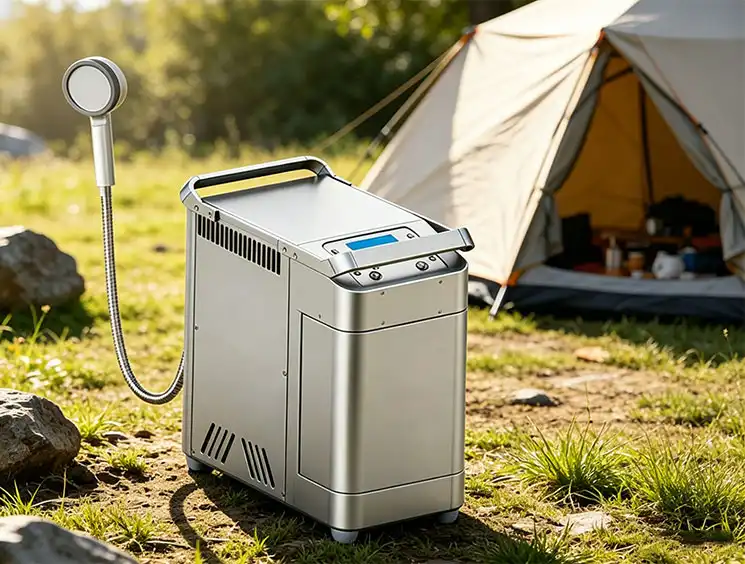
Understanding Exterior Propane Tankless Water Heaters
Exterior propane tankless water heaters use propane fuel to provide hot water on demand and are designed to be installed outside. These units heat water instantly as it flows through the system. Unlike traditional storage tank models, these units don't lose energy when they're not in use. Exterior propane tankless water heaters have weather-resistant enclosures that keep them working even in rain, snow, high temperatures, and UV light, unlike indoor or electric options.
Why B2B Buyers Choose Propane Tankless Technology?
The practical effectiveness and cost savings that these systems offer are very helpful for businesses. Compared to traditional tank-style heaters, the on-demand heating system cuts propane use by about 30–40%. This directly leads to lower fuel costs across multiple sites. The small size saves valuable floor space, which is especially helpful for places that don't have a lot of outdoor space for installations or for rental companies that need to keep track of their equipment.
Another strong benefit is that it lasts a long time. Quality exterior propane tankless water heaters that are made to ISO9001:2015 standards last a very long time in harsh business settings. Since there are no water holding tanks, there are no worries about corrosion, and the system lasts longer than standard ones. Maintenance needs are still very low—routine checks and basic cleaning are all that's needed to keep units running at their best.
Commercial Applications Across Industries
These heater options work great in a variety of B2B settings. Exterior propane tankless water heaters are used on construction sites to provide bathrooms for workers who are in remote areas without access to utilities. These units are used by glamping resorts and outdoor hospitality venues to provide luxurious shower experiences that set their services apart. Disaster aid groups like that it can be quickly deployed and that it gives them flexibility during disaster reaction operations. The safety and dependability of these methods for student groups in the woods are important to schools that run outdoor programs.
Where to Buy Exterior Propane Tankless Water Heaters: Key Channels and Considerations
Learning about the benefits of each choice for your individual operational needs and buying constraints is necessary to find the best procurement route.
Authorized Distributors and Brand Representatives
Working directly with authorized distributors makes sure that the product is real and that the warranty is fully covered. Well-known companies keep networks of authorized dealers who keep current stock and offer expert help for the whole lifecycle of the product. This route is especially helpful when your buying needs require proof of compliance, safety certifications, or long-term service agreements.
Authorized representatives usually offer full installation support, making sure that the system is set up correctly so that it meets local rules and keeps the guarantee valid. Because distributor partnerships are based on relationships, it's easier to get technical help when fixing operational problems or planning system expansions.
Industrial Wholesalers and Specialty Suppliers
Regional wholesalers that work with businesses can help with logistics and know the local market better than other wholesalers. These sellers keep stock in warehouses so that orders can be filled right away. This cuts down on lead times for projects that need to be done quickly. Because they are close, building managers can look at units before buying them and arrange for same-day delivery for repairs that need to be sent right away.
Volume price systems that help buyers with regular needs or operations in more than one place are often the result of wholesale relationships. Having a local presence means that warranty service and replacement parts can be sent out more quickly, which keeps business operations running smoothly.
Online B2B Marketplaces
Digital buying sites give buyers more choices for where to get goods, not just in one place. Online marketplaces connect buyers with a wide range of sellers, so buyers can compare prices and read detailed product descriptions. This channel works best for procurement teams that are comfortable with doing business over the phone and can carefully check out potential suppliers.
When using online channels, carefully check the credentials of the supplier. Before you decide to buy, make sure you get compliance certificates, read customer reviews from businesses that bought similar products, and make sure you understand the terms of the guarantee. Reliable online stores offer thorough product information and quick technology support before the sale to help customers make smart choices.
Direct Manufacturer Relationships
Setting up direct maker ties is good for OEM partners and buyers who buy in bulk. Companies like TOJIRO offer ODM and white-label customization with flexible minimum order quantities. This lets rental companies and stores brand products based on how they want to position them in the market. With direct buying, you don't have to pay markups to distributors, which means you can make more money if you sell or rent the goods.
Exterior propane tankless water heater manufacturers can help with custom projects that need to meet certain performance standards or work with other systems that are already in place. The 45-day production cycle that most well-known makers use strikes a good mix between the ability to make changes and the need for on-time delivery for planned deployments.
Comparison Guide: Choosing the Right Exterior Propane Tankless Water Heater
When choosing equipment for your business, you need to think about a lot of technical and financial factors that affect how well it works in the long run and how much it costs to own.
Propane Versus Electric: Fuel Type Considerations
Exterior propane tankless water heaters work better than electric types in a number of important outdoor business settings. Propane gives off more BTUs—good units give off at least 34,000 BTUs—which lets recovery rates go faster, which is important in high-demand situations. Because the fuel is portable, it doesn't need to be connected to electricity, which is important for remote areas and mobile activities.
When looking at operating costs, propane is always the better choice in places where power costs more than fuel supply costs. Because propane has a high energy density, it only needs a small amount of holding space compared to the amount of space needed for electricity to heat the same amount of space.
Key Technical Specifications for B2B Applications
Flow rate capability determines if a unit handles simultaneous usage demands. Commercial applications require at least 5 liters per minute for multiple fixtures or high-demand cycles. Heating power (watts or BTU) indicates temperature rise capacity at expected flow volumes. Temperature control accuracy is critical—consistent temperature prevents scalding and ensures output quality despite changing inlet conditions. Advanced units offer smartphone apps for remote monitoring. Battery backup (10,000mAh providing up to 4 hours runtime) ensures hot water during utility outages, protecting service continuity for rental and hospitality businesses.
Evaluating Brand Offerings and Manufacturer Credentials
Established makers set themselves apart by having quality certifications, a lot of output capability, and a system for helping customers. Facilities that have ISO certification show that they are dedicated to consistent process management and quality control. Producing more than a million units a year shows that the factory is skilled and the supply chain is stable, which ensures that the product is always available.
Warranty terms show that the company that made the product is confident in its durability. Look for coverage that lasts at least a year and has clear service guidelines for handling claims. Manufacturers that give longer warranties show that they believe in the long-term performance of their products. This lowers the total ownership risk of investments in capital equipment.
Understanding Total Cost of Ownership
The purchase price is only one part of the total costs of owning. Installing costs should be taken into account, such as professional labor, gas line connections, and hanging gear. The amount of propane used and how it is expected to be used determine the ongoing fuel costs that build up over the life of the equipment.
Both direct service prices and operating downtime are affected by the need for maintenance. Units that are built with easy-to-reach parts and simple repair processes have lower maintenance costs and less downtime for business operations. When comparing different models, you should find out how much replacement parts cost and where you can get them. This is because proprietary parts that can only be bought from a few places can cause long-term cost problems.
Essential Procurement and Maintenance Tips for B2B Buyers
Strategic purchasing and preventative repair plans will help your equipment work better and protect your investment for as long as it is in use.
Installation Compliance and Site Preparation
Installation that is done right is the basis for safe and effective use. Exterior propane tankless water heaters that are mounted outside need to have enough space around them for air flow, as required by company rules and local building codes. Propane handling rules must be followed during gas hookup setups, and most of the time, a qualified technician certificate is needed for legal operation.
As part of preparing a site for operation, stable fixing surfaces must be found that can hold unit weight and pressure loads. If you can, keep sites out of direct rain or snow, even though weatherproof shelters are the best way to protect them. For installations in places where it stays below freezing for a long time, you might want to think about freeze protection measures.
Maintenance Protocols That Extend Service Life
Scheduled maintenance stops small problems from getting worse and costing a lot to fix. Every three months, the gas lines should be checked for leaks, the hob should be made sure to light properly and the water flow should be checked to see if material buildup is blocking it. Professional service once a year includes descalers for heat exchangers in places with hard water and checks to make sure safety stop systems work right.
Documenting maintenance activities helps with warranty compliance and gives a useful operational history for figuring out why something isn't working right. Build ties with skilled service technicians who know how to fix your unique model of equipment so that you can get help quickly when you need it.
Warranty Coverage and After-Sales Support
Full protection terms should cover problems with the way the product was made, broken parts, and poor performance in everyday use. Before you buy, make sure you know how to file a warranty claim, what paperwork is needed, how long you have to wait for an answer, and whether the guarantee covers on-site service or requires you to send the unit to a service center.
Check out the manufacturer's help system for times after the insurance period is over. Giving customers access to expert support, an inventory of replacement parts, and ways to update old equipment shows that you care about building long-term relationships with them that go beyond the original sale.
How to Evaluate Suppliers and Make the Purchase Decision?
A organised evaluation process makes sure that the provider you choose fits your business needs, budget, and level of comfort with risk, and that you get the most out of your equipment investment.
Defining Technical Requirements and Performance Criteria
Before you start the procurement process, you should write down clear technical requirements that are based on your practical use cases. Figure out how much hot water is needed at its peak by looking at how it is used and how much the temperature needs to rise at the same time. Environmental factors at installation sites, such as altitude, temperature ranges, and water quality, affect the choice of equipment and expectations for its performance.
Regulatory compliance needs vary by location and type of application. Government and business buyers have to follow strict rules when they buy things, which include getting certain licenses and paperwork. Find the rules and standards that apply early on in the design process to avoid delays in the approval process.
Supplier Assessment Criteria
Make a detailed list that includes things like product quality, pricing, and support options. When you evaluate a product, you look at its performance specs, safety approvals, and proof of its reliability through test results or field performance records. A commercial review looks at how competitive the prices are, how flexible the payment terms are, and how the volume discount structures work for big sales.
Support capability evaluation looks at how accessible technical consultation is during specification development, how helpful installation instructions are, and how quickly problems are fixed after the sale. Suppliers who offer "turnkey" solutions that include both equipment and installation services make it easier to manage projects and make sure that everyone is responsible for how well the system works.
TOJIRO is a good example of the kind of seller that helps B2B buyers in all of these areas. Our exterior propane tankless water heater combines traditional Japanese workmanship with cutting-edge industrial technology. It is made in accordance with ISO9001:2015 standards, which guarantees consistent quality. The 10,000W heater power produces 34,000 BTU of heat and heats up in just three seconds, meeting the strict performance needs of businesses.
Negotiating Terms and Finalizing Contracts
Buying in bulk gives you the power to negotiate better prices and terms. Look into different levels of discounts based on amount, longer payment terms for big purchases, and service deals that include discounts that lower the total cost of ownership. Talk about the total value instead of just the unit price. Full help and solid warranty service are worth paying more for over cheap alternatives that don't come with enough support.
Contract terms should make it clear when goods will be delivered, what the acceptance standards are, and what will happen if the goods don't meet the requirements or are delivered late. Include language that protects intellectual property rights for custom designs made as part of OEM agreements and privacy for secret specs.
Logistics Coordination and Deployment Planning
For deployment to go smoothly, the supply schedule needs to be coordinated with the availability of the installation crew and the ready of the site. Tell suppliers early on about any restrictions on the installation spot, such as limited entry, a lack of staging areas, or when utilities will need to be connected. Set up clear acceptance inspection processes to make sure that the equipment is in good shape when it is delivered, before the installation teams start working on putting and connecting it.
Plan to have maker representatives or trained experts help with the commissioning process to make sure everything works right and to teach operating staff how to use the equipment and fix basic problems. This investment in proper deployment cuts down on early operational problems and speeds up the process of reaching full operational capability.
Conclusion
In conclusion, when buying exterior propane tankless water heaters strategically, you need to carefully consider the technical needs, the supplier's abilities, and the total costs of ownership. B2B buyers can save time and money by learning about the different ways they can get products, such as through authorized dealers who offer full support or directly with manufacturers who allow for customization and better volume discounts. Quality units that meet ISO standards work reliably in a wide range of demanding commercial settings, from remote construction sites to hotels that need to provide consistent hot water service. Checking suppliers carefully, making sure installations follow the rules, and keeping up with repair schedules will help tools work better and protect investments for as long as they are used. By using the frameworks and things to think about described in this guide, procurement professionals can find the best solutions that meet operational goals and keep costs and risks under control.
FAQ
1. In what ways do exterior propane tankless water heaters use less energy than regular ones?
Exterior propane tankless water heaters only heat water when it's needed, so it doesn't waste energy sitting around doing nothing, which is a problem with storage tank systems that keep water at a constant temperature. In most business settings, this on-demand operation cuts fuel use by 30 to 40 percent, which directly lowers running costs over the life of the equipment.
2. What safety features should B2B buyers check out before making a purchase?
Some important safety features are constant temperature control to avoid scalding, automatic propane shutoff systems to find gas leaks or other problems, and flame failure protection to stop the flow of fuel if the ignition fails. Units that are approved to well-known safety standards like CSA or UL have passed strict testing procedures.
3. What is the typical lifespan of a commercial-grade exterior propane tankless water heater?
If you regularly maintain quality units that are made to ISO standards, they should last between 15 and 20 years in commercial settings. How long something lasts depends on the quality of the water (hardness affects heat exchanger scaling) and how well it is maintained. Exposure to harsh environments without proper security can shorten the lifespan, which shows how important it is to put things correctly and do regular maintenance.
Partner With TOJIRO for Your Exterior Propane Tankless Water Heater Supply
TOJIRO is ready to meet your business's hot water needs with our high-tech portable water heater, which is designed to handle tough outdoor conditions. Our exterior propane tankless water heater source offers flexible ODM and OEM customization, so stores, rental companies, and distributors can make goods that fit their particular market setting. The 34,000 BTU output and 5 liter per minute flow rate meet strict commercial performance standards. The smartphone app control and 10,000mAh battery backup give you and your customers the reliability and ease of use they want. Our 45-day production cycle lets us quickly meet your inventory needs, and our full one-year guarantee protects your investment. Get in touch with our purchasing team at [email protected] to talk about volume discounts, customization options, and how our ISO-certified manufacturing excellence can help your company grow.
References
1. American Society of Plumbing Engineers. (2023). Outdoor Water Heating Systems: Commercial Installation Standards and Best Practices. Technical Manual Series.
2. National Propane Gas Association. (2024). Commercial Propane Applications: Efficiency Guidelines and Safety Protocols for Outdoor Heating Equipment.
3. International Association of Plumbing and Mechanical Officials. (2023). Tankless Water Heater Code Compliance: Installation Requirements for Commercial Exterior Applications.
4. Building Services Research and Information Association. (2024). Life Cycle Cost Analysis of Commercial Water Heating Systems: Comparative Study of Fuel Types and Technologies.
5. International Organization for Standardization. (2023). ISO 9001:2015 Quality Management Systems: Application in Water Heating Equipment Manufacturing.
6. U.S. Department of Energy, Office of Energy Efficiency and Renewable Energy. (2024). Commercial Water Heating Technology Assessment: Performance and Efficiency Benchmarks for Propane Systems.

USER EVALUATE
Here is the customer's evaluation of us
_1763619738116.webp)
_1763619688277.webp)
_1763606719875.webp)