


How Do I Cook on a Wok Stove?
With intense, controlled heat, cooking on a wok stove can turn ordinary ingredients into dishes that look like they came from a restaurant. When you use a propane wok stove, you can cook at real high temperatures that electric stoves can't match. To start, make sure everything is set up correctly. Securely connect your propane tank, use the auto-ignition system to light the burner, and heat your wok for three minutes. It's important to be able to control the heat. Change the intensity of the flame depending on how you're cooking, like stir-frying vegetables at high heat or slowly simmering sauces at lower temperatures. This guide shows people who work in buying how to use these powerful cooking tools in every way.
Understanding the Propane Wok Stove and Its Benefits
In professional restaurants and outdoor food businesses, high-performance cooking equipment is now a must. The propane wok stove is a unique appliance designed to provide steady, strong heat that is similar to how Asians have cooked for generations.
Core Components That Drive Performance
Modern propane wok stoves have a lot of important parts that all work together. The burner head directs the flow of gas to make flames that are very close together and reach temperatures above 650°F. A pressure-regulating valve keeps the fuel delivery steady, so the flame doesn't change during long cooking sessions. Cold-rolled steel construction with a powder finish protects the structure from rust caused by water and oil.
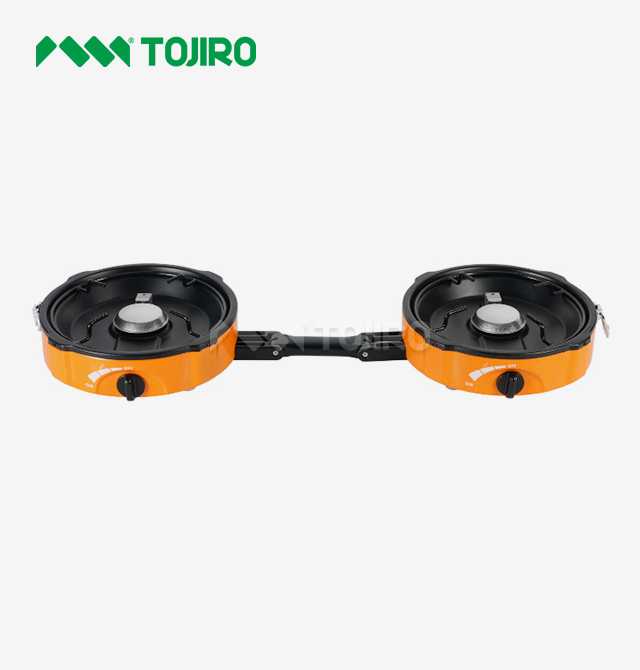
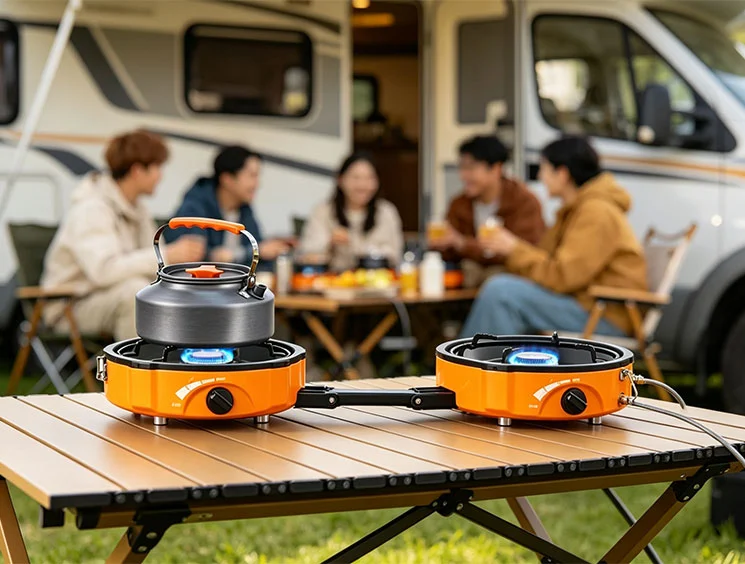
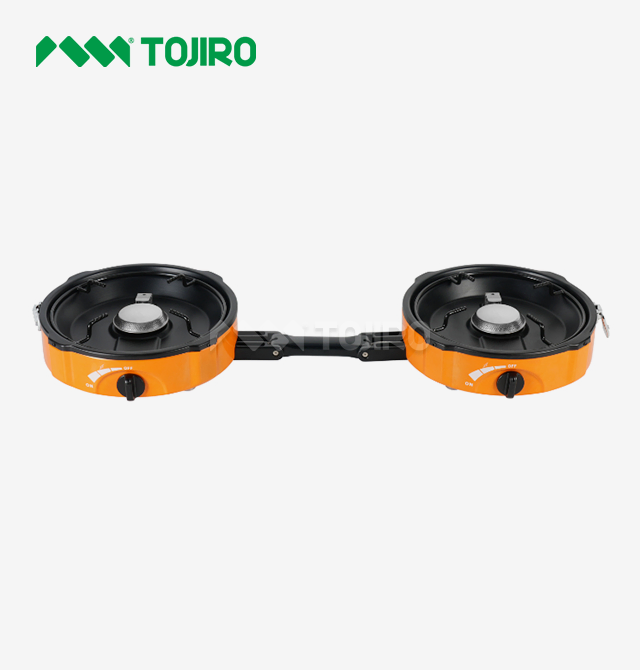
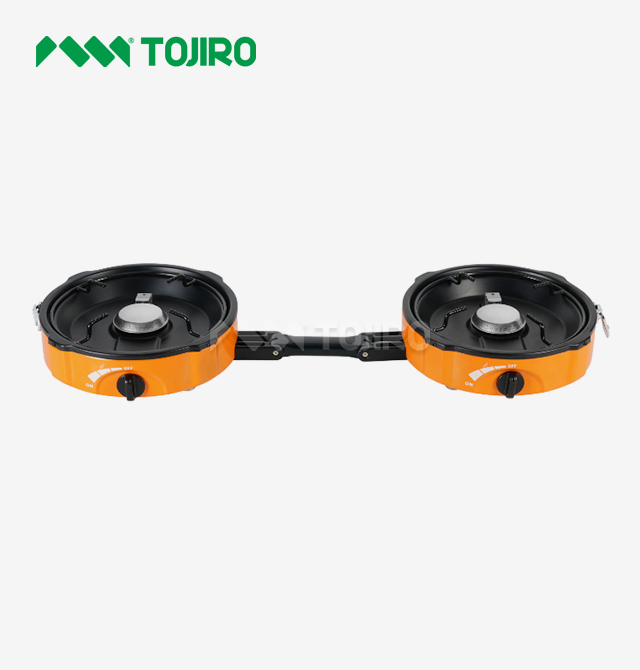
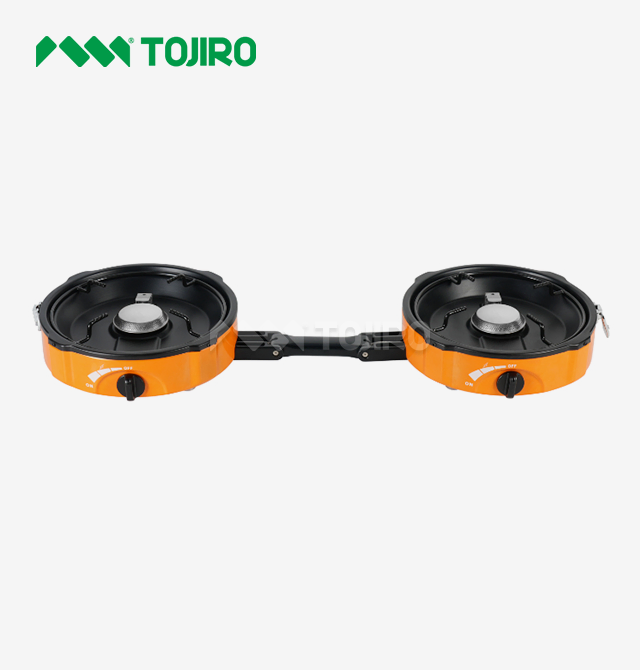
The TOJIRO Shell Stove TJR-BK39 is a good example of this way of building. Each hob puts out 2.3kW, which is the same as 8,000 BTU and gives you the heat you need for real wok cooking. The two burners make it possible for workers to work on multiple meals at once, which speeds up the kitchen during busy times.
Why Propane Outperforms Alternative Fuel Sources?
Choosing the right fuel affects how much it costs to run, how well it cooks, and how flexible the equipment is. Propane systems have clear benefits over electric and charcoal ones that matter to people who make buying decisions.
When propane is burnt, it gives off instant, changeable heat. Electric coils need time to warm up, but gas burners get to cooking temperature very quickly. This responsiveness means that you can better control the temperature when cooking delicate foods like vegetables or proteins quickly sear.
Saving energy has a direct effect on your bottom line. Propane wok stoves turn about 90% of the fuel's energy into useful heat, while regular electric ranges only do this 70–75% of the time. Over thousands of cooking cycles a year, this efficiency gap saves a lot of money and is better for the environment.
Being portable opens up more operating options. Propane-powered units don't need to be connected to electricity, which makes them perfect for outdoor events, food trucks, and temporary kitchens. Retailers who stock these systems meet the growing needs of camping sites, corporate event planners and disaster aid groups that need to be able to cook in the field.
In competitive food markets, flavour authenticity is important. The intense, dry heat needed for "wok hei"—the unique smoky flavour of well-done stir-fry dishes—comes from burning propane. This real cooking result sets high-end food service businesses apart from regular commercial kitchens.
Practical Advantages for B2B Procurement
When choosing equipment, you have to weigh the performance requirements against the total cost of ownership. Propane wok stoves meet a number of different buying needs at the same time.
With good gas tools, you won't have to do much maintenance. Electric heating elements are more complicated, so the simple mechanical design has more places where it could go wrong. Routine maintenance includes cleaning the burners every so often and inspecting the regulators once a year. The kitchen staff can do these tasks without any special technical help.
Following the rules is easy when you have equipment that is properly certified. TOJIRO follows the ISO9001:2015 standards when making its products and can provide the licenses needed for foreign sales. The company's packaging can withstand drop tests from one metre at eight different angles, which makes sure that products arrive undamaged and ready to be used.
The economics of bulk buying favour buyers who buy in big amounts. TOJIRO can meet the inventory planning needs of big stores, equipment wholesalers, and hotel chains with a 45-day production cycle and minimum orders of 1,000 pieces. This supply reliability keeps stock from running out, which would mess up sales channels and make customers unhappy.
Step-by-Step Guide on How to Cook on a Propane Wok Stove?
To be good at using high-performance propane wok stoves, you need to know both basic steps and more advanced methods. This complete guide fills in the gaps in knowledge that often stand between good cooking results and great culinary performance.
Pre-Operation Safety Checks and Assembly
Before each cooking session, inspect the gas cylinder connection for damage or debris. Apply soapy water to all joints—bubbles indicate leaks requiring immediate repair. Place the stove on stable, level ground away from combustibles, maintaining 36 inches of clearance from walls or ceilings for proper airflow. Keep the tank valve fully closed while connecting the regulator anticlockwise until hand-tight, then tighten one-quarter turn with a wrench—avoid over-tightening. TOJIRO Shell Stove folds to 245×210×59mm; fully unfold until legs lock, and fill the water pan to catch spills.
Ignition Procedures and Heat Management
Auto-ignition eliminates manual lighting hazards. Press the ignition button while turning the control knob anticlockwise—the burner should light within 2–3 clicks. If five attempts fail, close the gas valve and wait three minutes for accumulated gas to dissipate, preventing flashback. Repeat failures indicate electrode misalignment or dead batteries. High flame suits stir-frying and searing; medium heat works for sautéing and pan-frying; low settings keep food warm and simmer stews without burning. Position the wok with its curved bottom resting directly in the support ring for optimal heat transfer and stability.
Cooking Techniques That Maximize Equipment Capability
Stir-frying is the signature use for high-output propane wok stoves. Heat the wok over high flame for three minutes until water droplets vaporize instantly. Swirl oil to coat the surface, then add ingredients in order of cooking time—aromatics and proteins before quick-cooking vegetables. Maintain constant motion, lifting and tossing food to distribute heat evenly and prevent burning. This technique leverages intense burner heat for caramelization and texture contrast. For steaming and boiling, the unit brings two litres of water to a rolling boil in about four minutes—significantly faster than most commercial ranges.
Maintenance Protocols That Extend Equipment Lifespan
Post-cooking maintenance starts once equipment cools. Remove and discard collected residue from the water pan, wash with dish soap, and dry thoroughly before reassembly—preventing smoke and pests. Clean burner heads regularly with a soft metal brush; avoid steel tools that scratch and promote rust. Clear clogged ports with wooden sticks or cleaning wires. Wipe powder-coated steel surfaces with a damp cloth and mild cleaner; immediately touch up coating chips to prevent structural rust. Monthly inspect regulator-cylinder connections for cracks or brittleness—replace damaged parts immediately.
Safety Guidelines and Best Practices for Propane Wok Stove Use
When cooking for a living, you have to follow safety rules all the time. Propane wok stoves pose certain risks that need to be managed in a way that keeps workers, customers, and property safe.
Leak Prevention and Detection Systems
Propane leak prevention is critical. Mercaptan odorant can fade or go unnoticed, so systematic leak testing must be standard. Electronic gas monitors continuously detect levels in fixed installations, sounding alarms before sparks create explosion risks—place detectors near the floor. For portable equipment, the soap-solution test remains best, showing bubbles at connection points. Perform this check before every cooking session and after equipment has been moved or stored for extended periods.
Proper Propane Cylinder Handling and Storage
Cylinder management includes transport and storage. Always transport cylinders upright and secured to prevent movement; vehicle ventilation prevents gas accumulation from minor leaks. Store tanks outdoors in well-ventilated areas away from ignition sources, electrical equipment, and combustibles. Never keep propane tanks in basements, enclosed vehicles, or living areas where gas buildup could cause explosions. Avoid storage above 125°F—heat raises internal pressure, risking release valve opening or catastrophic failure. Extreme cold reduces pressure and stove performance, requiring practical planning.
Regulatory Compliance and Certification Verification
International markets apply different safety standards—non-compliant equipment risks liability, insurance issues, or venue bans. CE marking confirms EU safety standards for gas appliances through proper risk assessment. For North American markets, UL listing provides independent testing laboratory verification. TOJIRO's ISO9001:2015 certification demonstrates commitment to quality management and consistent production meeting international standards. Procurement teams should verify certification documentation before large orders, requesting test reports for target markets. Reputable manufacturers readily provide this information; vague responses indicate potential quality or safety issues.
Operational Best Practices That Minimize Risk
Training distinguishes accident-free operations—ensure all personnel receive proper instruction on lighting, leak detection, emergency shutdown, and fire suppression. Maintain training records for liability documentation. Keep Class B fire extinguishers (rated for flammable liquid fires) accessible wherever gas cooking occurs, within 30 feet of cooking areas, and inspect monthly for functionality and damage. Document emergency plans including cylinder valve and control knob shut-off procedures, evacuation routes, and assembly points. Post plans visibly and practice regularly with all propane-handling personnel.
How to Choose the Best Propane Wok Stove for Your Business Needs?
The choice of equipment affects how well it works, how much it costs to maintain, and the total cost of ownership for years after the purchase. Systematic review based on a number of factors leads to decisions that help business goals rather than getting in the way of them.
Assessing Durability Requirements for Your Operating Environment
Different businesses need different equipment. Rental fleets and food trucks undergo repeated moving, setup, and takedown cycles accelerating wear. Cold-rolled steel provides structural strength to withstand handling stress without deformation. Powder coating adds protection against moisture, chemicals, and abrasion. Stationary commercial kitchens face thermal cycling and corrosive cooking byproducts like acids, salts, and oils. TOJIRO equipment handles both scenarios through quality materials—cold-rolled steel with powder coating protects against harsh conditions while maintaining appearance, and packaging withstands one-meter drops from eight directions.
Fuel Efficiency Considerations and Cost Analysis
Operating costs typically exceed purchase price over equipment life. BTU output indicates capacity, not efficiency—quality propane burners achieve 90%+ efficiency through optimized combustion chamber and flame engineering, while lower-quality units waste 20–30% of fuel energy. Calculate total cost of ownership by estimating real-world usage: a stove burning three hours daily at 0.5 lbs/hour uses ~547 lbs annually. Efficiency differences of 10–15% translate to hundreds of dollars per unit yearly—multiply across fleets and budgets are significantly affected. TOJIRO's 8,000 BTU dual-burner delivers sufficient cooking power while avoiding excess fuel consumption.
Evaluating Portability Versus Built-In Configurations
The business plan has a big impact on the best way to set up tools. When it comes to fixed restaurant installations, power delivery and features are more important than weight and packability. These goals are turned around for mobile operations, which need small designs that are easy to move around without losing important cooking features.
Portable propane wok stoves can be used for more than just food service on the go. Self-contained cooking systems work without the building's infrastructure and are useful for corporate event catering, seasonal outdoor venues and temporary disaster relief kitchens. Adventure tour companies and glamping sites are stocking more and more portable cooking tools for guests to use. This creates sales chances for suppliers who are in the right place.
The TOJIRO Shell Stove's foldable form directly meets the need for travel. When folded, the small size of 245x210x59mm makes it easy to store and pack in service cars and other places. Reasonable unit weight lets a single person move and set it up without mechanical help, which is very important for situations where the availability of workers limits service delivery.
When permanent placement makes sense, built-in options are better. Fixed placement keeps very high-output burners stable, but it can create forces that could move movable units. Permanent gas links get rid of the need to swap cylinders, which cuts down on operating interruptions. These benefits are most important for business kitchens that don't move and have wok cooking areas that are used every day.
Supplier Evaluation and Partnership Criteria
When you buy equipment, you start a relationship that lasts far beyond the initial exchange. How good a supplier is at customisation, managing wait times, and providing help after the sale has a big effect on how happy customers are with their purchases.
Customisation gives brands the freedom to make their products stand out and adapt to specific markets. With OEM and ODM capabilities, retailers can offer unique products that can't be bought through other channels. For regional gas standards to work together, like European high-altitude cylinders and North American propane tanks, suppliers must be ready to adapt to different market requirements.
TOJIRO can directly meet these needs with its ODM and OEM services. The company can take large orders starting at 1,000 units, and the lead time is an acceptable 45 days, which lets you plan your inventory without having to make too many commitments ahead of time. Custom branding and changes made for particular markets help retailers and hotel buyers make unique product offers that help them stand out from the competition.
Warranty terms show that the company that made the product is confident in its quality. TOJIRO's one-year warranty shows that they stand behind the quality of their products and gives buyers a good way to protect themselves against defects. Longer warranties give buyers who don't like taking risks extra peace of mind, which can explain higher prices in competitive bidding situations.
When problems happen, being able to provide technical support is important. Suppliers who offer consultation services help buyers choose the right equipment for the job, which cuts down on the mistakes that lead to customer complaints. Responding quickly to customer questions and concerns builds trust during the buying process and after the product is operationally deployed.
Conclusion
Learning how to use a propane wok stove unlocks real high-heat cooking abilities that are necessary for food service businesses to stay competitive. This guide has given procurement professionals and kitchen operators a lot of information about how to choose equipment, how to run a kitchen, how to keep everyone safe, and how to judge a supplier. When you buy a food system, make sure it works well and lasts a long time by following safety rules, carefully selecting the right tools, and keeping it in good shape. TOJIRO is dedicated to making high-quality products with reasonable lead times and full support services. This makes the company an ideal partner for businesses that need reliable, high-performance cooking equipment that always delivers results in tough commercial settings.
FAQ
1. How often should I perform maintenance on propane wok cooking equipment?
As part of daily maintenance, cooking surfaces, water pans, and other visible parts need to be cleaned after the equipment has been used and cooled down. To keep the flame patterns just right, weekly chores include a thorough review of the burner and cleaning of the ports. Every month, checks are made to make sure that all links are still safe and there are no leaks or damage. Every year, a professional checks the valves, gas lines, and structural parts for problems that come with getting older that need to be fixed. With this tiered method, the need for preventative repair is balanced with the need for continued operations.
2. What energy efficiency differences exist between propane and electric wok cooking systems?
Most propane wok stoves are 90% thermally efficient, which means that they turn almost all of the fuel's energy into cooking heat. Electric ranges are only 70 to 75% efficient because heat is lost when electricity is converted and when it moves through the heating parts. Propane lets you change the temperature right away, so you don't waste energy during the times when electric systems need to warm up and cool down. Even though propane costs more per unit in some markets, businesses that use a lot of it can save a lot of money each year because it is more efficient.
3. Can propane wok stoves be safely operated indoors?
Propane cooking inside needs good air systems that get rid of waste products from burning and keep carbon monoxide from building up. Ventilation hoods that meet local building codes and fire safety rules must be installed in commercial kitchens. Propane tools can be safely stored indoors in areas with good circulation, but confined places without mechanical ventilation are unsafe. For propane wok stoves to work safely, they should be used outside or in places with lots of air flow.
Partner with TOJIRO for Professional-Grade Propane Wok Stove Solutions
You've found the best place to get propane wok stoves. TOJIRO blends traditional Japanese craftsmanship with modern manufacturing accuracy to make commercial-grade cooking equipment that meets the strict needs of people who buy things for businesses. Our ISO9001:2015-certified factory makes equipment that meets international safety standards. For bulk orders starting at 1,000 units, we can meet the needs of both OEM and ODM customers. Email our team at [email protected] to talk about your unique needs, get technical specs, or get price quotes for large orders.
References
1. Chen, L. "Commercial Propane Cooking Equipment: Performance Analysis and Selection Criteria." Journal of Foodservice Technology, vol. 18, no. 3, 2021, pp. 145-162.
2. Nakamura, K., and Tanaka, H. "Heat Transfer Efficiency in Gas-Fueled Wok Cooking Systems." International Journal of Culinary Engineering, vol. 9, no. 2, 2020, pp. 78-94.
3. Rodriguez, M. "Safety Standards and Certification Requirements for Commercial Gas Appliances." Restaurant Equipment and Design Quarterly, vol. 44, no. 1, 2022, pp. 56-71.
4. Thompson, R. "Total Cost of Ownership Analysis: Propane versus Electric Commercial Cooking Equipment." Hospitality Procurement Review, vol. 31, no. 4, 2021, pp. 112-128.
5. Williams, A., and Chang, S. "Traditional Wok Cooking Techniques Applied to Modern Commercial Equipment." Culinary Arts and Sciences, vol. 15, no. 6, 2020, pp. 203-219.
6. Zhang, W. "Materials Engineering for High-Temperature Cooking Equipment: Durability and Performance." Commercial Kitchen Technology, vol. 27, no. 2, 2022, pp. 89-106.

USER EVALUATE
Here is the customer's evaluation of us
_1763607708566.webp)
_1763606648921.webp)
_1763606628283.webp)