


What is the best two-burner camping stove?
When looking for the best two-burner outdoor stove, the dual burner butane stove stands out as a solid choice for businesses, hire services, and government agencies. These small but strong cooking options are easy to move around and always work well, which makes them perfect for outdoor events, emergency response, and hospitality settings. Butane-powered models are becoming more and more popular among procurement workers who want reliable equipment that is both cheap and easy to use. These models can cook multiple meals at once while still using little fuel.
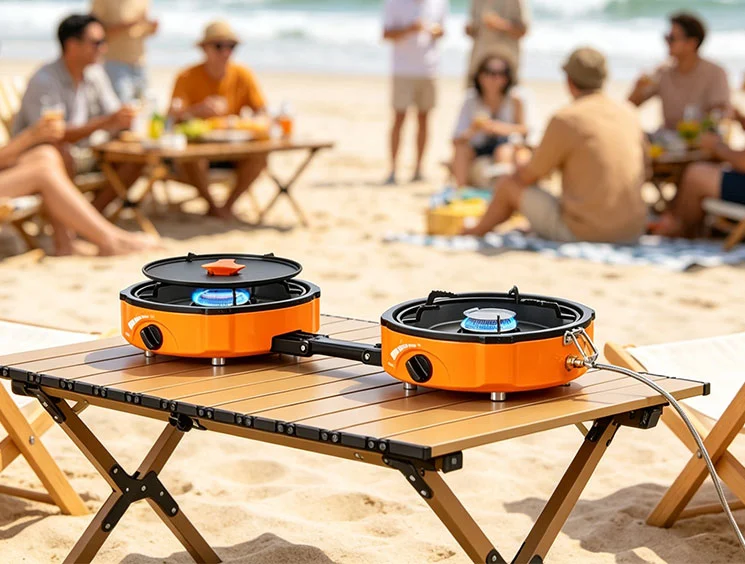
Understanding Dual Burner Butane Stoves: Features and Benefits
Butane camping stoves have changed the way people cook outside thanks to new technology and useful design. Butane models have clear benefits over gas or electric options that make them popular with business and institutional buyers.
Core Components and Operating Principles
Many things work together to make a good dual burner butane stove perform well and last long. Infrared or open flame hob heads generate most of the heat. Pressure-regulating valves stabilise gas flow regardless of weather. For instruments that are often transported and exposed to diverse weather conditions, cold-rolled steel structure with powder coating prevents corrosion and preserves structural integrity.
Important parts include the initiating system. Voltage lighting systems eliminate matches and lighters, simplifying and reducing failure. Rental firms and tour operators with non-manual ignition users will benefit from this option.
Distinguishing Butane from Other Fuel Types
Comparing fuels shows why butane is preferred in business. Butane cylinders are lighter than propane drums with the same energy, saving money on shipping and making inventory tracking simpler for shopfronts and online businesses. The fuel burns cleaner than others, leaving dishes and stove parts cleaner.
Their perfect temperature control is another distinguishing feature. The flame intensity of butane stoves is constant during their operation. It helps chefs and hotel guests produce complex delicacies that need precise heat regulation. This steadiness is useful at business gatherings when food quality affects guest satisfaction.
Applications Across Commercial Sectors
Rental and experience firms appreciate butane heaters since they're durable and reusable. Glamping and outdoor tour operators claim well-maintained equipment lasts longer. The lightweight design makes equipment transport between locations or mobile operations cheaper.
Government and schools benefit from homogeneity. crisis relief organisations may educate their people on one tool to ensure their expertise while helping in a crisis. These have less environmental impact than wood-burning choices, which benefits national parks and satisfies conservation criteria while providing visitor facilities.
How to Choose the Best Two-Burner Camping Stove: Criteria and Market Options
Choosing the right dual burner butane stove requires a methodical comparison of operating needs with available budgets. Long-term costs are affected by choices about what to buy, how much fuel to use, how often to maintain, and how often to replace things.
Performance Metrics That Matter
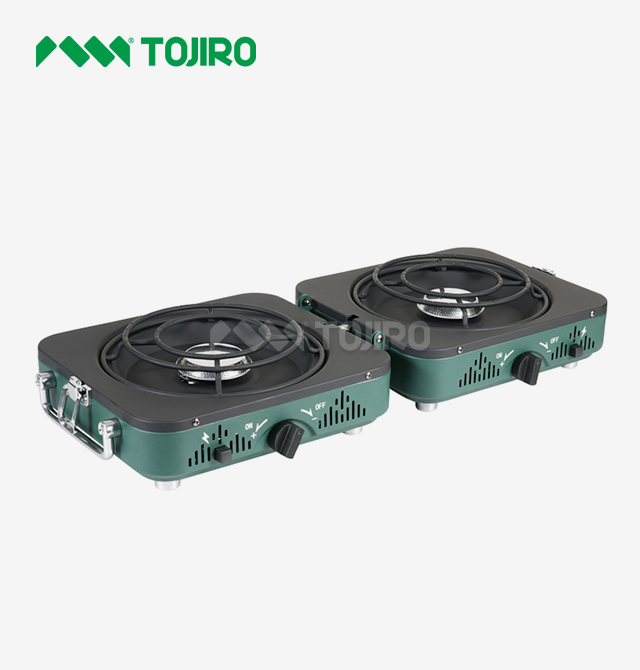
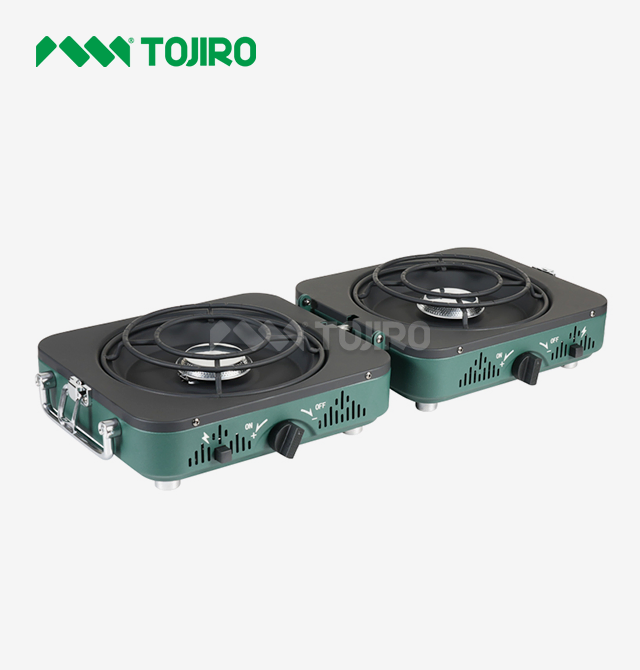
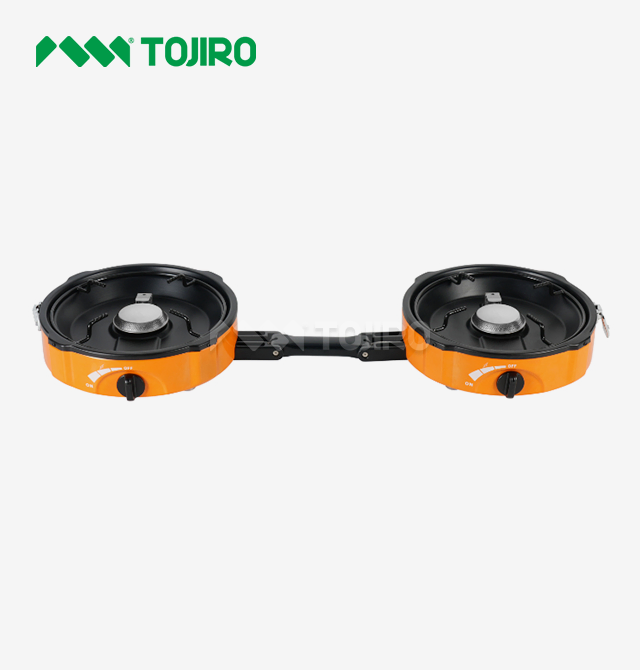
BTUs or kilowatts determine the burner's power output, which affects cooking speed and type. Each TOJIRO TJR-BK39 burner head produces 2.3kW, or 8000 BTU. This can boil water fast or simmer delicate dishes. This power level is ideal for group cooking on business trips and campers.
Fuel use determines operating expenses. Rental organisations with dozens of units can effectively budget with models that utilise 152 grams of fuel per hour per burner. Knowing how often something is used helps purchasing managers calculate the total cost of ownership, which goes beyond the purchase price.
Portability requirements effect operations planning. TJR-BK39 folds to 245x210x59mm, making it convenient to store in rental inventory systems. When unfurled, the 268x210x117mm platforms are sturdy and compact for busy outdoor locations.
Safety Standards and Certifications
Following common norms protects companies and users. Equipment that fulfils GB/T38522-2020 criteria indicates good manufacturing. Pressure-regulating valves prevent harmful gas buildup, while windproofing measures prevent flame instability and accidents.
Delivery networks value package durability. Designs that can withstand eight-degree drops from one metre distance prevent shipment damage, saving shops and e-commerce sites money on replacements. Packaging things in four Kraft paper boxes per case maximises storage capacity.
Market Comparison and Value Assessment
Coleman and Camp Chef provide a variety of amenities and costs. Specialised manufacturers like TOJIRO can build products precisely how you wish, unlike mass-market makers. OEM and white-label partners benefit from 1000-unit customisable minimum order quantities. This helps them enter the market without buying much inventory.
Manufacturing lead times effect purchasing. With a 45-day manufacturing cycle, shops may synchronise stock arrivals with annual demand highs. Speciality outdoor retailers may better manage their money and space with this steadiness.
- Customization Flexibility: TOJIRO's ODM and OEM services can meet the needs of a wide range of markets. Customers in Europe want it to work with high-altitude gas tanks, while customers in the US want it to work with propane cylinders. These changes can be made without lowering safety or efficiency standards thanks to manufacturing know-how.
- Warranty Protection: A one-year promise shows that the company that made the product is sure it will last. When corporate and hospitality clients buy in bulk for resort sites or event planning supplies, they like this safety.
- Quality Assurance: Following the ISO standard makes sure that the manufacturing process is approved by a third party. Buyers from the government and institutions often have to follow strict rules that require these kinds of licenses. This makes suppliers who follow the rules favored suppliers.
All of these benefits solve problems that business-to-business customers have when they want reliable cooking equipment that keeps operations running smoothly and gets the best return on investment.
Using and Maintaining Your Dual Burner Butane Stove Efficiently and Safely
Proper use and upkeep of your dual burner butane stove extend its life and stop accidents that hurt a brand's image and raise insurance costs.
Step-by-Step Setup and Operation
Take care of the initial setup for optimum outcomes. Place the stove body on a level area away from fire hazards. Place the butane tank in the right chamber, aligning the valve with the gas intake. After linking, the pressure-regulating valve adjusts flow rates automatically.
Using the built-in igniter button turns on the voltage lighting system. People with various technical expertise may utilise the one-piece beginning design since it eliminates complex stages. Adjust flame height using the knobs adjacent to each burner head. An open flame hob is useful for boiling water, while an infrared hob uniformly distributes heat for sautéing and frying.
Safety Protocols and Best Practices
Closed spaces require ventilation to prevent carbon monoxide buildup. Rental firms should specify that their items should be utilised outside unless the premises fulfil air regulations. Regular gas line inspections detect wear before leaks. High-temperature oil and water spray trays catch spills and prevent fires while simplifying cleaning.
Proper fuel handling protects persons and tools. Keep jars away of direct sunshine and heat. Replace the cylinders if the spark changes colour or output diminishes, indicating fuel shortage. Do not refill throwaway bottles—they explode.
Maintenance Routines and Troubleshooting
Cleaning the hob frequently maintains its performance and appearance. When finished using the stove, let it cool completely before removing the spray tray. The tray may be cleaned with warm water to remove food and oil. Check burner ports for insect or dirt jams. A fine wire or pressurised air may remove obstructions without damaging sensitive elements.
Powder-coated cold-rolled steel doesn't rust, but it requires regular inspection. Touch up paint scratches immediately to prevent rust from weakening the structure. Keep tools dry while not in use. Rental inventory with extended inactive periods need this.
Fixing common issues reduces downtime. Even with fresh canisters, weak flames indicate blocked burner ports or poor pressure management. Cleaning removes most obstructions, but persistent issues need expert repair. Low battery power frequently causes voltage lighting failure. Battery replacements are essential for rental companies since they fix problems immediately.
Proper maintenance should extend its lifespan to many years of regular usage. The rental companies report the performance has been good over thousands of rental cycles when the prescribed maintenance procedures are followed. This justifies the initial expenditure and supports the idea that high-quality equipment has a higher total cost of ownership than cheaper, more frequent replacements.
Comparing Dual Burner Butane Stoves to Alternative Solutions
To properly evaluate dual burner butane stoves, you need to know how different technologies work in a variety of situations and settings.
Fuel Efficiency and Operating Costs
Butane heaters use about 304 grams of fuel per hour when both burners are set to full power. Propane options have a similar energy density, but they need heavier tanks, which makes shipping more expensive for wholesalers who manage inventory in multiple locations. Electric types don't need fuel, but they need power lines that aren't always available in remote places like national parks and outdoor campsites.
Butane stoves don't need to be serviced as often as liquid fuel stoves because they don't leave behind carbon deposits that need to be cleaned. This difference is very important for rental and experience businesses, where loss of tools means lost money. Any small price differences in fuel between butane and propane are cancelled out by lower upkeep work costs.
Portability and Deployment Considerations
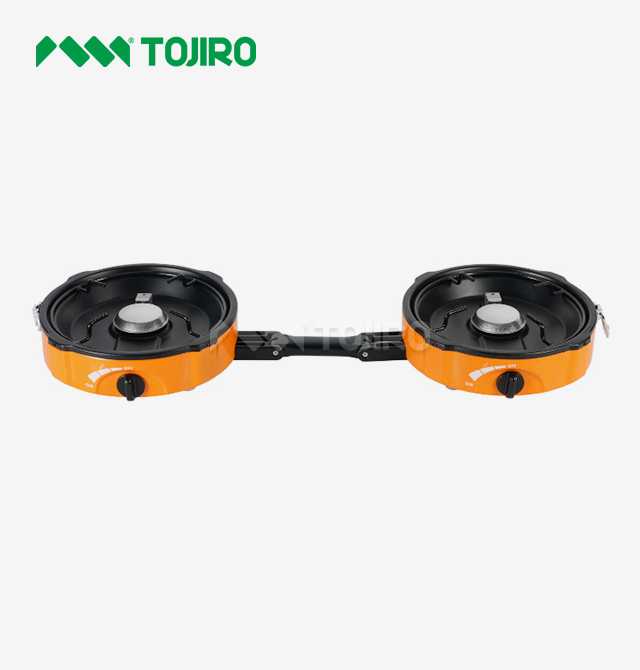
Models with only one burner are lighter, but they are less productive in business settings. To make food for a lot of people, you need either a lot of single burners or long cooking times that make service late. The two burners make it possible to make two foods that go well together at the same time. This makes it easier for chefs and hospitality clients to serve meals at set times.
How weight is distributed changes how transit works. The TJR-BK39 can be folded up small, which lets delivery trucks pack them densely. This saves fuel per unit during distribution. Corporate event planners like this flexibility because it makes it easier to move equipment to different venues that need different sets.
Performance in Challenging Environments
Quality stoves are different from basic ones because they are windproof. Built-in wind guards keep the flame stable when used outside, so burners don't go out and fuel is lost. Adventure tour workers who work in harsh settings say that cooking is much more reliable when they use the right tools.
Customers who work in hilly areas are affected by how stable temperatures are across different elevations. High-altitude gas tanks keep the pressure differences needed for steady burner output at heights where regular versions fail. This feature is very important for businesses that rent out space in national parks and mountain resorts that serve guests at different levels.
Having two burners is more useful than just having more space. With independent heat control, you can simmer on one burner while boiling on the other, which you can't do with a single-burner machine. This adaptability lets hospitality clients offer a wide range of meal choices that are set apart by the quality of the food they serve.
Procurement Guide: Where and How to Buy Dual Burner Butane Stoves
When making strategic buying choices for a dual burner butane stove, you have to weigh short-term cost concerns against long-term value factors like supplier reliability and help after the sale.
Sourcing Channels and Supplier Evaluation
Bulk buyers can benefit from having direct ties with manufacturers. OEM partnerships make white-label branding possible, which helps stores create their own product lines that stand out. Minimum order amounts of 1000 units are good for well-known companies with delivery networks, but they might be hard for new companies that want to test the demand.
Distributor and wholesaler outlets let you place smaller orders and get them faster, but they cost more per unit. This method is often preferred by specialty outdoor shops that need to balance the cost of goods with the space they have for storage. Online markets bring together products from many sellers, making it easier to compare prices, though this can sometimes come at the cost of quality checks.
Different places have different certification standards. US markets put a lot of weight on following safety rules set by well-known testing labs. Customers in Europe care most about CE marks and related rules. Suppliers who can get the necessary licenses get around legal hurdles that would otherwise stop products from being sold in some markets.
Warranty and After-Sales Considerations
Total cost of ownership is affected by how available the service network is for a dual burner butane stove. Manufacturers who offer one-year guarantees show that they are confident in their products and protect buyers from failures that happen too soon. However, guarantee terms are useless if there aren't any service places nearby where parts can be repaired or replaced.
Having spare parts on hand makes tools last longer than the warranty term. Rental companies really appreciate it when sellers keep extra parts for old models in stock. This keeps otherwise useful equipment from being thrown away too soon. Parts support is a good reason to choose a provider based on parts support for things like burner heads, ignition systems, and pressure-controlling valves.
Negotiation Strategies and Cost Optimization
Volume buying deals take advantage of the size of the order to get better prices. When corporate and hospitality clients furnish more than one property, they discuss tiered pricing systems that reward them for making bigger promises. Seasonal changes in demand make it possible to buy things outside of peak seasons at lower prices, but buyers have to weigh the savings against the cost of storing the goods.
Bundled products that include stoves with extras like carrying bags or spare canisters make the products seem like better deals and make the buying process easier. Government and institutional buyers like combined buying because it cuts down on the costs of managing vendors and makes allocating budgets easier.
Terms of payment affect how cash flows are managed. Longer payment terms are good for stores that manage regular inventory cycles, but sellers may charge more for the extra time to pay. Early payment savings are given to buyers who have a lot of cash on hand. This creates value for both parties by making it easier for suppliers to get cash.
Conclusion
When looking for the best two-burner camping stove, you need to weigh the performance specs against your needs and your budget. The dual burner butane stove design meets a wide range of business needs by being portable, using little fuel, and being easy to use. Quality makers like TOJIRO use both traditional craftsmanship and modern production methods to make equipment that meets international standards and gives customers more ways to customize their purchases than mass-market options. A structured evaluation of burner power, fuel usage, safety certifications, and seller capabilities, such as warranty support and spare parts availability, is helpful for people who work in procurement. The 45-day production cycle and ISO-compliant manufacturing methods make sure that supply lines are stable, which helps with planning inventory and managing seasonal demand. Whether you're buying for a rental fleet, a business dining operation, or a government emergency response unit, making smart purchases will save you money in the long run by lowering the cost of repairs and making the equipment last longer.
FAQ
1. Why can dual burner butane stoves be used in businesses?
Dual burner setups let you cook more than one dish at the same time, which increases productivity for businesses that cater, host workplace events, and provide hospitality services. Butane fuel burns cleanly and leaves behind little waste, so it needs less upkeep than propane or liquid fuel. The lightweight canister design makes it easier for rental companies and tour providers that serve multiple sites to move their inventory and keep track of it.
2. What makes the TOJIRO TJR-BK39 different from other camp stoves?
The TJR-BK39 has two burners that put out 2.3kW each. The pressure is automatically controlled so the output stays the same in all kinds of situations. Cold-rolled steel construction with a powder finish lasts longer than lightweight metal options that tend to warp. One-piece voltage firing gets rid of the need to light things by hand, making them easier for users to reach. Meeting the safety standards set by GB/T38522-2020 shows that the products are of high quality and meet the needs of business and government buyers.
3. What maintenance procedures extend equipment lifespan?
Cleaning the high-temperature spray tray on a regular basis keeps grease from building up, which leads to flare-ups and speeds up rusting. Check the burner ports every three months to see if they are blocked. If they are, use thin wire or compressed air to clear the way. Keep tools in dry places to keep the powder layer from getting damaged by water. It is recommended to replace starter batteries once a year, even if everything seems to be working fine. This will keep them from failing unexpectedly during important use times. Rental companies can use these easy protocols to give out items thousands of times before they need to be replaced.
Why TOJIRO Is Your Trusted Dual Burner Butane Stove Supplier
TOJIRO makes high-quality dual burner butane stoves for businesses and institutions by combining the accuracy of Japanese craftsmanship with modern manufacturing techniques. Our TJR-BK39 model shows this determination by going through strict quality control that meets ISO standards and GB/T38522-2020 requirements. The 45-day production cycle quickly meets the needs of the market while keeping the high level of quality expected by careful buying professionals.
TOJIRO is different from rivals that sell standard goods because it can customize products. Through our adjustable ODM/OEM services, we can meet the needs of both Europeans who need high-altitude gas cylinders and Americans who need propane systems. White-label partnerships and private branding programs for stores building their own product lines are possible with minimum order sizes starting at 1000 units. Our engineering team works with clients to make sure that designs meet their unique needs without lowering safety or performance standards.
A one-year warranty and quick service back up the full after-sales support that saves your investment. We keep extra parts on hand to make sure that equipment works for a long time after the guarantee period is over. TOJIRO gives your business the dependability and relationship approach it needs, whether you're a rental company looking for long-lasting tools, a hospitality organization looking for ways to buy in bulk, or an e-commerce platform looking at new product lines. You can talk to our sourcing experts about your dual burner butane stove needs by emailing [email protected].
References
1. American Society for Testing and Materials. (2021). Standard Specification for Portable Camping Stoves. ASTM F2833-18.
2. National Fire Protection Association. (2022). Code for Portable Cooking Equipment Safety Guidelines. NFPA 58.
3. Outdoor Industry Association. (2023). Commercial Outdoor Equipment Procurement Best Practices. OIA Technical Report Series.
4. International Organization for Standardization. (2020). Portable Gas-Fueled Appliances – Safety Requirements. ISO 9385:2020.
5. Consumer Product Safety Commission. (2022). Requirements for Portable Gas Camping Stoves. CPSC Technical Bulletin 16 CFR Part 1212.
6. Journal of Outdoor Recreation and Tourism. (2023). Fuel Efficiency Comparisons in Commercial Camping Equipment. Volume 41, Pages 89-103.

USER EVALUATE
Here is the customer's evaluation of us
_1763619721954.webp)
_1763607744591.webp)