



What Is an Outdoor Kitchen 2 Burner Stove Used For?
An outdoor kitchen 2 burner stove is a flexible cooking option made for business and educational settings that need efficient two-zone cooking. These two-burner systems let you cook two or more foods at the same time, which makes them essential for catering businesses, hotels, rental companies, and outdoor event spaces. The small but powerful design can handle everything from quick cooking and grilling to slow simmering and making sauces. It works as well outside as it does inside, giving professional users the most room efficiency and operational freedom.
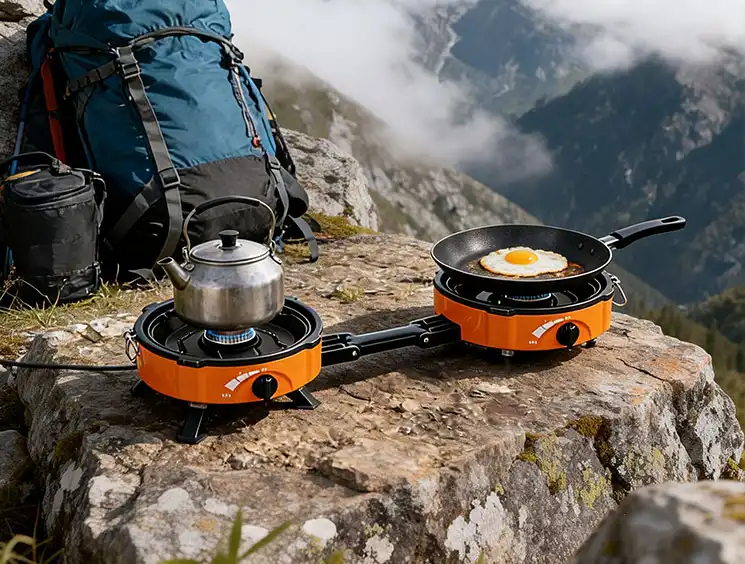
Understanding the Uses of an Outdoor Kitchen 2 Burner Stove
Core Functionality in Commercial Settings
Dual burner cooking systems improve outdoor commercial food preparation by enabling simultaneous operation of two independent heat zones, significantly reducing meal preparation time and increasing workflow efficiency. Catering services benefit during large events requiring precise timing and consistent quality across multiple dishes. Hotels with outdoor dining rely on these systems for stable service during peak demand. Engineers designed them for fuel efficiency and reliability. Butane systems allow fast deployment, while open flame and infrared burners provide flexible temperature control for diverse cooking applications in professional environments settings reliably.
Professional Applications Across Industries
Dual burner stoves are widely used in rental, educational, and emergency sectors due to their durability and consistent performance. Rental companies value high demand for events, while institutions rely on rugged construction for repeated use. Government disaster teams depend on portable systems for field operations. Each unit provides strong heat output suitable for commercial cooking. Powder-coated steel ensures durability and corrosion resistance. Event managers and entertainment venues prefer portable propane systems for flexible deployment, allowing reliable food service in remote or temporary locations efficiently at scale operations today.
How to Use an Outdoor Kitchen 2 Burner Stove Effectively?
Professional Setup and Pre-Use Inspection
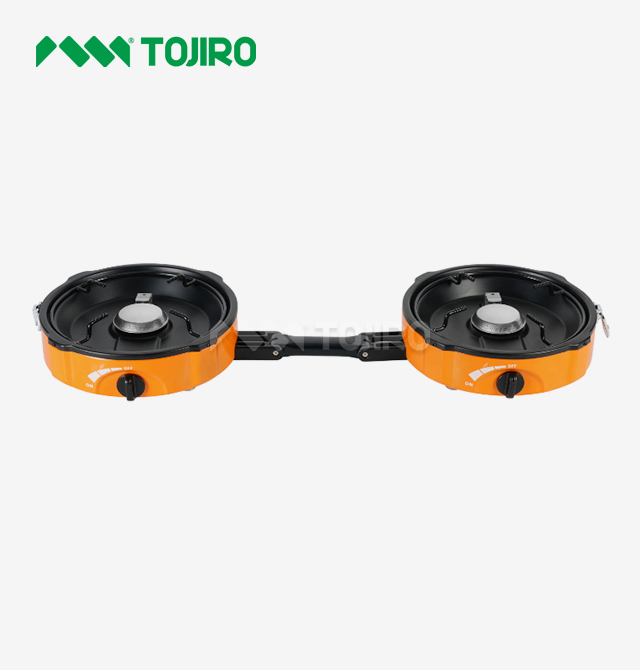
Setting up the right operating procedures starts with checking the tools carefully before each use. Standardized checklists should be used by procurement managers to make sure that gas connections are safe, burners are clean, and lighting systems work. The built-in pressure-regulating valve in high-quality units keeps the gas flow constant even when the temperature or elevation changes. However, regular checks are needed to make sure they are working at their best. Teaching staff the right way to set up tools cuts down on damage and improves safety compliance. Portable models have a folding system that doesn't take much work, but you have to pay attention to the locking points that keep the cooking area stable. The tool-free form of TOJIRO's assembly makes it easier to use while keeping the structure strong when it's loaded. Before lighting the fire, operators should make sure that the high-temperature oil and water catch plate is properly placed. This part stops flare-ups and makes cleanup easier.
Temperature Control and Cooking Techniques
Mastering dual-zone cooking makes operations run more smoothly. When used together, open flame and infrared burners offer specific benefits for various cooking methods. Open flame burners are great for quickly cooking, stir-frying, and searing because the direct heat contact creates the textures and tastes that you want. Infrared elements spread heat evenly, making them perfect for slow cooking, boiling sauces, and keeping cooked foods at serving temperature without burning them. Changing the strength of the flame on each burner separately lets you run complex menus. Catering workers can work on a protein main dish on one side while finishing up veggie sides or warming up bread service items on the other. The one-touch lighting system gets rid of the need to fiddle with matches or external lighters, which is especially helpful when service is busy and speed is key to success.
Maintenance Protocols for Longevity
To make tools last longer, it needs to be cleaned and maintained regularly. Cold-rolled steel surfaces don't rust as long as they are kept in good shape by wiping them down after each use and deep cleaning them every so often with the right non-abrasive cleaners. The shape of the removable catch plate makes it easier to remove grease and other waste, which keeps them from building up and causing problems or even fires. As part of regular maintenance, the gas lines should be carefully checked, worn seals should be replaced, and the orientation of the ignite electrodes should be confirmed. Setting up rotation plans that allow for thorough maintenance between bookings is helpful for procurement managers who are in charge of rental fleets. Because TOJIRO is dedicated to making high-quality products, parts keep their shape over time. This means that new parts are needed less often, which lowers the total cost of ownership.
Comparing Outdoor Kitchen 2 Burner Stoves: Making the Right Choice
Fuel Type Considerations
Propane is still the most popular fuel for industrial outdoor cooking because it is portable, has a high energy density, and works well at all temperatures, making it especially suitable for an outdoor kitchen 2 burner stove setup. Canisters are easy to find everywhere, which makes restocking operations simple even in remote areas. The TOJIRO system can work with both European high-altitude gas tanks and US-standard propane bottles. This makes it easy to do business across borders and meet the needs of different markets. Electric models don't need to worry about storing fuel, but they do need power connections that might not be available in outdoor settings. The operational costs of different fuel types depend on how much energy costs in the area, how much is used, and how efficient the equipment is. Propane systems usually heat up faster and reach higher maximum temperatures, which are important for business kitchens that serve meals that need to be ready quickly.
Material Quality and Durability Assessment
The building materials have a direct effect on how long equipment lasts and how often it needs to be maintained. Compared to lighter metals, cold-rolled steel has a higher strength-to-weight ratio and doesn't bend when heated over and over or put under physical stress. The powder finish that is put on TOJIRO furnace bodies and water pans protects them from chemicals and UV rays, so they keep their good looks and structural integrity even after years of being outside. Burner head materials should be carefully looked at. Brass and stainless steel parts don't rust when they come in contact with water or cleaning agents, and the flame stays the same after thousands of lighting cycles. Professional-grade units have two stove heads, one with an open flame and the other with infrared elements. This makes cooking more flexible without taking up more space or making things more complicated.
Portability Versus Built-In Installation
Whether a system is portable or fully placed relies on how it will be used and how the building is designed. Rental companies and mobile food businesses need units that are small, light, and can handle being moved and set up many times. This is reflected in the way TOJIRO goods are packaged, with engineering that can withstand drop tests from one meter at eight angles, making sure that inventory can withstand the handling that comes with transportation. Integrated designs that match the architecture of the area and make utility hookups easier are good for permanent installations in resorts or established outdoor eating spots. Built-in systems usually have better weather protection and bigger working areas, but they give up freedom for style. When choosing the right configurations, procurement decisions should take into account how the tools will be used, as well as room limitations and aesthetic concerns.
Installation and Safety Protocols for Commercial Outdoor Kitchens
Site Preparation and Compliance Standards
The right way to install something starts with evaluating and getting ready the spot so that it meets local safety and building rules, especially when setting up an outdoor kitchen 2 burner stove. Commercial outdoor kitchens need to have enough air flow, surfaces that won't catch fire, and enough space between them and things that can catch fire. Dual-burner stoves are easy to place because they are small, but users must make sure that the areas they are used on are stable and level so that they don't fall over while they are in use. Choosing the right tools is based on objective standards set by international safety standards, such as ISO approvals. The factory where TOJIRO makes its products follows ISO9001:2015 quality management rules, which make sure that the products meet strict safety and performance standards. Professionals in procurement who work with government agencies or big buyers should make sure that the equipment they choose has the right licenses for their area and the use they plan to give it.
Safe Fuel Handling and Storage
Propane cylinder handling is one of the most important safety issues in professional outdoor cooking. Storage places need to have enough air flow, be protected from extreme temperatures, and be placed in a way that keeps people from getting in without permission or damaging things by mistake. The steps for making connections should be exactly as the maker says, and leak tests must be done before every operating period. Planning for how to respond to emergencies should include possible situations like gas leaks, fires that get out of hand, and broken equipment. Staff training must include the right way to shut down, use a fire extinguisher, and get out of the building. A good dual burner system has a pressure-regulating valve that keeps the pressure from changing in ways that could be dangerous. However, human supervision is still needed to keep things safe at work.
Staff Training and Operational Documentation
Comprehensive training programs make sure that equipment is always used safely and correctly. Before they can use the equipment on their own, operators should show that they know how to set it up, start it up, change the temperature, and shut it down in an emergency. Documentation like working manuals from manufacturers, upkeep plans, and ways to report incidents helps with responsibility and making things better all the time. Video training materials and visual quick-reference tools that are put up near the cooking areas help people learn the right way to do things and be more aware of safety. As part of buying tools, procurement managers should ask sellers to include training materials. This is especially important when new models or technologies are being introduced. TOJIRO helps customers by giving them thorough instructions on how to use their outdoor cooking tools. This comes from years of experience and a dedication to user success.
Maximizing ROI: Procurement and Customization Options for B2B Clients
Bulk Purchasing Strategies
When businesses need a lot of units or want to set up renting inventory, buying in bulk can save them a lot of money. The TOJIRO outdoor kitchen 2 burner stove has a minimum order number of 1,000 units, which lets stores, wholesalers, and large-scale operators get reasonable prices. If you order with enough warning, the 45-day lead time lets you plan for yearly demand spikes or facility growth projects. Large purchases of tools are easier to handle when you can get financing through supplier agreements or third-party loans. Spreading costs out over longer payment terms makes managing cash flow easier and lets businesses get the tools they need without using up their working reserves. It is easier to get good payment terms when you have a long-term relationship with a dealer based on regular order amounts and a past of reliable performance.
Customization Capabilities for Brand Differentiation
Through OEM and ODM partnerships, companies can give their own outdoor cooking options without having to build their own factories. TOJIRO's customization services let you choose the right materials, colors, logo elements, and performance standards that are in line with your market placement strategies. White-label partners that serve niche markets can customize product features to meet customer needs while leveraging well-established manufacturing skills. Custom package design keeps equipment safe during shipping and reinforces the brand's image at the delivery point. The normal TOJIRO packaging can stand up to strict testing procedures, but it can be changed to meet specific handling needs or presentation goals. Companies that cater to high-end customers can improve the opening experience by including custom insert designs, teaching materials, and bundles of accessories that make the product seem more valuable.
Essential Accessories and Value-Added Packages
Choosing the right accessories saves equipment expenses and makes it more useful. Protective covers keep food surfaces safe from damage from the elements while they are being stored or moved. This lowers the need for upkeep and increases the service life. Wind guards make open areas more fuel efficient and stable for flames, which is very important for activities near the coast or at high elevations. With side tables and tool racks, stand-alone stoves can be turned into full cooking stations that make it easier for the operator and keep the work area organized. Putting together packages of items that go well together makes it easier to decide what to buy and increases profits by using smart product choices. Retailers and e-commerce platforms can benefit from pre-configured kits that cover specific use cases, like camping, tailgating, and being ready for emergencies. These kits make inventory management easier and help customers make decisions faster.
Conclusion
In order to choose the best outdoor kitchen 2 burner stove, it's important to weigh the needs for performance, sturdiness, and total cost of ownership. Due to their many uses, dual-zone cooking systems are very useful in rental, commercial, and educational settings where dependability and speed are important for making money. Quality building with cold-rolled steel, careful safety features like pressure regulation, and the ability to work with standard propane tanks set the stage for years of reliable service. Companies that want to be able to customize products, get them quickly, and get full support can benefit from working with well-known makers that offer ISO-certified quality, flexible order amounts, and a history of designing and making outdoor cooking equipment.
FAQ
1. What fuel type works best for commercial outdoor cooking?
Propane works best in most industrial settings because it has a high energy density, is easy to find, and keeps producing the same amount of energy even when the conditions change. The TOJIRO system works with both European and US-standard cylinders, which gives businesses that do business in more than one country the freedom to meet the needs of a wide range of markets. Electric alternatives work well for fixed sites with solid power lines, but they are less portable and can't heat as much.
2. How frequently should professional outdoor stoves undergo maintenance?
Cleaning it every day after each service period keeps it running at its best and stops dirt from building up. Checking the gas lines, burner ports, and lighting systems once a week finds new problems before they get in the way of operations. Comprehensive service every 100 working hours or every three months, whichever comes first, extends the life of equipment and makes sure it meets safety standards. This is especially important for rental equipment that will be handled by different people in different ways.
3. Can dual burner stoves be customized for specific branding needs?
OEM and white-label partners who need proprietary specs can make full use of the customization choices. Material choices, color schemes, branding elements, and performance specs can all be changed to fit different market positioning strategies and customer tastes. The low minimum order number of 1,000 units makes customization affordable while upholding the quality standards set by ISO9001:2015 certification processes for manufacturing efficiency.
Partner with TOJIRO: Your Trusted Outdoor Kitchen 2 Burner Stove Manufacturer
TOJIRO makes commercial-grade outdoor cooking equipment that goes above and beyond what the industry requires by combining traditional Japanese artistry with cutting-edge production technology. Our production plant is 10,000 square meters and is ISO9001:2015 certified. This makes sure that every outdoor kitchen 2 burner stove meets strict quality standards before it is shipped. We help stores, distributors, and institutional buyers find reliable cooking solutions at reasonable prices by offering a 45-day production cycle, a full one-year guarantee, and open OEM/ODM options. Get in touch with us at [email protected] to talk about bulk prices, custom specifications, and how our outdoor kitchen 2 burner stove for sale can help you offer more products to business customers who are picky.
References
1. Johnson, M. & Williams, R. (2023). Commercial Outdoor Cooking Equipment: Selection and Procurement Strategies. Hospitality Equipment Journal Press.
2. Chen, L. (2024). Propane Systems in Professional Food Service: Safety and Efficiency Standards. International Culinary Technology Review.
3. Anderson, K. (2023). Durability Testing Protocols for Commercial Kitchen Equipment. Industrial Manufacturing Quarterly.
4. Thompson, S. & Martinez, D. (2024). ROI Analysis for Rental Equipment Providers: Outdoor Cooking Systems. Business Equipment Management Association.
5. Roberts, P. (2023). Material Science in Commercial Cookware: Steel Alloys and Surface Treatments. Journal of Food Service Engineering.
6. Wilson, T. (2024). ISO Quality Standards in Outdoor Equipment Manufacturing. Global Manufacturing Compliance Review.

USER EVALUATE
Here is the customer's evaluation of us
_1763606648921.webp)
_1763606665399.webp)
_1763606719875.webp)