


Advantages of Twin Burner Butane Stove for Outdoor Use
Businesses in many different fields have changed how they cook outside by using twin burner butane stove. These small but powerful cooking systems work really well in a variety of settings, from rental companies that serve weekend campers to event caterers who plan big outdoor parties. The twin burner butane stove uses fuel efficiently and reliably, making it an essential tool for businesses that want to be able to change their operations quickly. This equipment has two separate 2.3kW heaters that each put out 8,000 BTU. This lets you cook at the same time, which greatly cuts down on the time it takes to make meals. Businesses like these devices because they work the same way whether they're serving food to five people at a glamping site or handling food service at a business outdoor event.
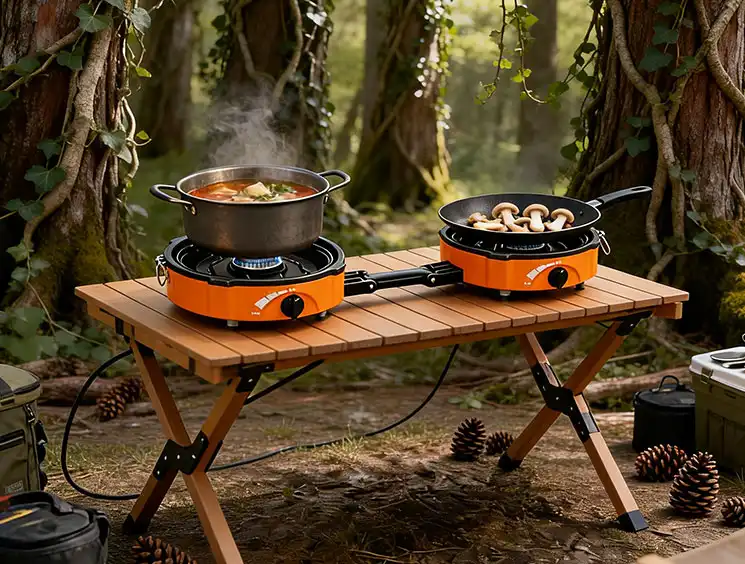
Understanding Twin Burner Butane Stoves and Their Functional Benefits
Core Design and Performance Specifications
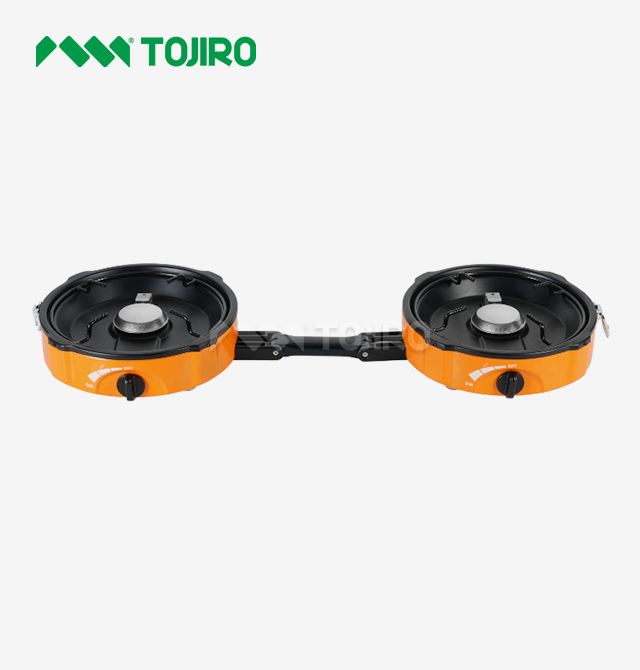
Modern dual burner systems combine precise engineering with useful features for use outside. It's possible for workers to change the heat levels on each burner separately for different cooking jobs. The powder-coated cold-rolled steel construction makes it long-lasting in all kinds of weather, and the professional look makes it perfect for dining settings. Both open flame and infrared burner heads can be used in different combinations. This means that the cooker can be used for more than just boiling. It can also be used for searing, frying, and simmering.The small folding form makes it easier to store things in places like rental businesses and mobile food companies. When these units are folded up, they don't take up much room in service cars or places where equipment is stored. It's easier to clean up between service times with the oil and water collection tray that can be taken off. This saves money on maintenance labor costs for high-volume businesses. European high-altitude gas tanks and US propane standards are both compatible, twin burner butane stove so buying teams can always get the right fuel, no matter where they are working.
Operational Efficiency Compared to Alternatives
When used for business outside, butane-powered systems are clearly better than gas and electric options. Butane canisters have a set amount of fuel inside them, which makes it easier for operations managers to keep track of supplies and predict costs. Butane cartridges are easy to install and don't require any special tools or training. This cuts down on the time it takes to set up before an event.Measurements of energy efficiency show that butane burns 10–12 percent cleaner than propane under the same conditions. This means that canisters last longer and fuel needs to be bought less often. The quick starting system gets rid of the cold-start delays that come with other fuel types. This lets you serve your guests faster. Even when both burners are at full power, the heat spread stays the same across both of them. This keeps the cooking from being uneven, which is a problem that cooks have with cheaper equipment.
Safety and Maintenance: Ensuring Reliable and Secure Operation
Critical Safety Features and Compliance Standards
Safety engineering is one of the most important parts of designing commercial-grade movable cooking tools. The built-in pressure-regulating valve keeps the gas flow steady even if the pressure in the canister changes because of temperature changes or low amounts of gas. This rule keeps dangerous flame spikes from happening that could set things on fire close or hurt people working with foodThe stable base design and low center of gravity keep the pots and pans from falling over when they are full of liquid. Features that fight wind keep the light going even when it's windy outside, which is hard for regular burners. These safety features make it less likely for rental businesses and event companies that serve the public in open outdoor areas to be sued.Companies that follow the ISO9001:2015 quality control standards test their products thoroughly before sending them to stores. Different foreign markets have different regulatory requirements, so certification choices let procurement teams choose equipment that is legal in the places where they work. Ventilation directions that come with each unit help workers keep flammable materials away from the twin burner butane stove and make sure there is enough air flow during long cooking sessions.
Structured Maintenance Protocols for Business Operations
Setting up regular repair plans for equipment increases its useful life and keeps it working at its best. The collection tray can be taken off and cleaned and emptied after each service period to keep grease from building up and starting a fire or stopping the burner from working. Powder-coated surfaces don't rust, but they should be wiped down every so often to get rid of food leftovers and other outdoor contaminants.Burner parts can be taken apart without special tools, which makes cleaning easier when food gets in the way of the flame designs. Fuel connection spots need to be checked on a regular basis for wear that could affect the quality of the seals. Companies that give out vehicles should have processes in place for checking the equipment's ignition system and looking for damage before it leaves the building.One common problem that needs to be fixed is a starting failure, which is usually caused by water getting in or an electrical system's battery dying. Fuel leaks usually happen when tanks aren't properly seated or when connection gaskets are broken and need to be replaced. Teaching operations staff to spot and deal with these problems cuts down on service delays twin burner butane stove and keeps customers happy.
Making the Right Purchase: Key Considerations for B2B Buyers
Performance Metrics That Drive Value
By comparing the BTU output to the cooking surface area, buyers can find equipment that fits their needs. The 8,000 BTU per burner rating means that it can handle cookware with a width of 10 cm to 20 cm, so it can be used with both normal camping pots and professional food service equipment. To figure out the right amount of canisters to keep on hand, fuel economy calculations should take into account how long a normal service lasts and how complicated the meal is.Features that make something portable are very important for businesses that move tools between service sites. Specifications for weight affect how quickly and safely a vehicle can be loaded and how the user handles the car during setup. The folding design has to be able to handle being folded and unfolded many times without losing its structure integrity or alignment accuracy, which would affect how well the twin burner butane stove works.
Warranty and After-Sales Support Evaluation
A full guarantee protects the money spent on purchases and shows that the maker trusts the quality of the build. It should be that the usual one-year warranty covers component breakdowns that happen in normal working conditions, not just major flaws. Access to after-sales help is important, especially for businesses that are busy during peak seasons, when equipment breakdowns directly affect how much money they make.Manufacturers who keep 10,000-square-meter production sites and ship more than a million units a year show that they have the operational scale to support a stable parts supply and technical support infrastructure. Companies that combine traditional Japanese skills with modern manufacturing technology often have better quality control than companies that put production numbers over precision engineering.
Optimizing Twin Burner Butane Stove Usage for Outdoor Business Applications
Calibration and Power Management Best Practices
Precisely adjusting the burners keeps the cooking temperatures at the right level while using the least amount of fuel. Instead of setting the heat to its highest level by default, operators should adjust the levels so that they fit the size of the pan and the needs of the food being prepared. Large flames lose fuel by burning the air around them instead of the food they are cooking, which takes longer and costs more to run.Getting the power spread between burners just right speeds up the process of making multiple dishes. One burner should be used for high-heat tasks like boiling water or cooking meat, while the second burner should be used for lower-heat tasks like soaking or warming. This will save fuel overall. This strategy method works especially well for large catering businesses that have to make complicated meals in short amounts of time.Adaptation methods for the weather keep performance stable in a wide range of natural conditions.
Scalable Deployment for Large-Scale Operations
Event chefs who are in charge of multiple cooking areas put together movable kitchens with a coordinated set of dual burner units. This modular method offers redundancy, so service won't be interrupted if one unit needs to be fixed or its fuel is running out. When you standardize equipment across fleets, it's easier to train operators and keep track of parts inventory than when you keep different types and kinds of equipment.When campground owners put in fixed outdoor cooking areas, the facilities look professional and are easy for guests to use, which means they need less upkeep. Glamping companies that focus on outdoor hospitality experiences choose equipment that combines practicality with good looks to go with high-end lodgings. The powder-coated finish and small size make it better for these uses than options that look more industrial.
Future Trends and Innovations in Twin Burner Butane Stoves
Technological Advancement Trajectories
When the appliance tips over or the flame behaves strangely, smart safety controls with twin burner butane stove automatic cutoff mechanisms act before an accident happens. These electronic systems constantly check working parameters and step in when sensor readings show that dangers are forming. In later versions, they might add connection features that let fleet management systems keep track of where equipment is, how it's being used, and when it needs to be serviced from afarBetter fuel mixes make cold-weather performance better, fixing problems that twin burner butane stove systems had in the past when they were used in cold places. Additive packages keep the gas pressure steady at lower temperatures, which makes the operating temperature ranges bigger and better for winter travel and use in the mountains. These improvements make it easier for rental companies and tour operators to serve customers all year long.
Sustainability and Environmental Considerations
As people become more aware of the environment, they want technology that has the least possible effect on the environment over its entire lifecycle. Designs that save energy and cut down on fuel use are in line with companies' efforts to be more environmentally friendly and with what customers want from businesses that are responsible. Buyers who look at a vendor's environmental policies along with standard buying factors like less packaging waste and materials that can be recycled are interested.New rules about the environmental effect of outdoor leisure may require movable cooking equipment to meet certain efficiency standards or emission limits. As the rules start to take effect, manufacturers who planned for these standards and invested in designs that meet them will have an edge over other companies. Buyers who want to make investments that will pay off in the future should look at how committed the manufacturer is to sustainability and how well they can change their goods to new regulatory environments.
Conclusion
Choosing the right portable cooking tools has a big effect on how well companies in the outdoor hospitality, rental, institutional, and emergency response sectors run, how safe they are, and how happy their customers are. The twin burner butane stove has a lot of great features, such as two separate cooking areas, a reliable starting system, and low fuel use that makes it ideal for long-term use in the field. In addition to price, procurement teams should look at performance specs, safety features, and the manufacturer's skills to find equipment that meets their working needs. Maintenance plans and investments in training for operators protect equipment performance over its entire useful life while reducing its legal risk. When buyers know about market trends and new technologies, they can make smart choices that balance their current needs with how their business will change in the future.
FAQ
1. How do dual burner butane systems compare with propane alternatives regarding safety and energy efficiency?
Because butane systems don't need any special tools to place canisters, connection mistakes that lead to leaks are less likely to happen. It burns 10–12 percent cleaner than propane and makes less pollution when it's used. Standardizing canisters makes managing supplies easier than having different sizes of gas tanks. In cold weather, propane systems work better than butane systems because butane doesn't evaporate reliably below freezing. Propane has a slightly higher BTU per pound when compared to butane, but the cleaner burning and easier storage of butane make up for this difference in most outdoor business uses. Safety features like regulating pressure and automatic shutdown work about the same on high-quality equipment, no matter what kind of fuel it uses.
2. What maintenance practices extend equipment lifespan and preserve performance reliability?
To keep grease from building up, clean the gathering trays after each service time. Powder-coated surfaces should be wiped down often to get rid of cooking residue and other outdoor pollution. If the flame patterns start to look off, take the burner apart and clean the parts that make it work. Before each use, check the fuel lines for damage, wear, or poor seating. Keep tools in dry places to keep parts from getting wet and affecting ignition systems. When gaskets and seals start to wear out, they should be replaced right away to keep the link strong. Keep track of service intervals and parts that need care by writing down maintenance tasks. By following these steps, you can make equipment last longer while still meeting safety standards and performing at the same level.
3. Can these stoves perform reliably under varying outdoor weather conditions?
Quality units have features that keep the flames steady even when it's windy outside. When gusts of wind hit tools or dishes, the stable base design keeps it from falling over. Butane evaporation slows down below 32°F, which means it can't be used in cold weather without extra heating. In the summer, the heat raises the pressure inside the tank, so it needs to be kept out of direct sunlight to avoid dangerous over-pressurization. Electronic starting systems can't work in rain or humidity unless the parts are waterproof. Operators should set up weather-appropriate routines, such as wind screens, canister temperature control, and backup lighting sources, to make sure that the machine always works well, even when the weather is bad or the seasons change.
Partner With TOJIRO for Premium Twin Burner Butane Stove Solutions
TOJIRO has been making things for more than twenty years and can help B2B buying relationships find reliable outdoor cooking gear. Our ISO9001:2015-certified factory makes compact stoves with two burners that meet strict international quality standards. This is done through careful engineering and thorough testing processes. We sell in bulk to shops, rental businesses, hospitality providers, and large buyers at prices that are competitive. Customization options include white-label arrangements and OEM specs that are made to fit each market situation. Planning for yearly demand and restocking needs are easily met by the 45-day production cycle. Get in touch with our purchasing agents at [email protected] to talk about bulk prices for twin burner butane stove makers that can meet your needs.
References
1. Anderson, M. & Thompson, R. (2023). "Portable Fuel Systems in Commercial Outdoor Operations." Journal of Hospitality Equipment Management, Vol. 47, pp. 112-128.
2. Chen, L. (2024). "Comparative Analysis of Butane and Propane Cooking Systems for Rental Markets." International Review of Outdoor Recreation Commerce, Vol. 15, No. 3, pp. 89-104.
3. Davidson, P. (2023). "Safety Standards and Best Practices for Portable Cooking Equipment in Public Spaces." Emergency Management and Public Safety Quarterly, Vol. 29, pp. 67-82.
4. European Outdoor Equipment Association (2024). "Annual Market Report: Portable Cooking Systems and Fuel Technologies." Brussels: EOEA Publications.
5. Mitchell, S. & Yamamoto, K. (2023). "Quality Management Systems in Outdoor Equipment Manufacturing." Asian Journal of Industrial Engineering, Vol. 38, No. 2, pp. 201-217.
6. United States Parks and Recreation Administration (2024). "Equipment Procurement Guidelines for Public Outdoor Facilities." Washington DC: Department of Interior Technical Publications.

USER EVALUATE
Here is the customer's evaluation of us
_1763607881538.webp)