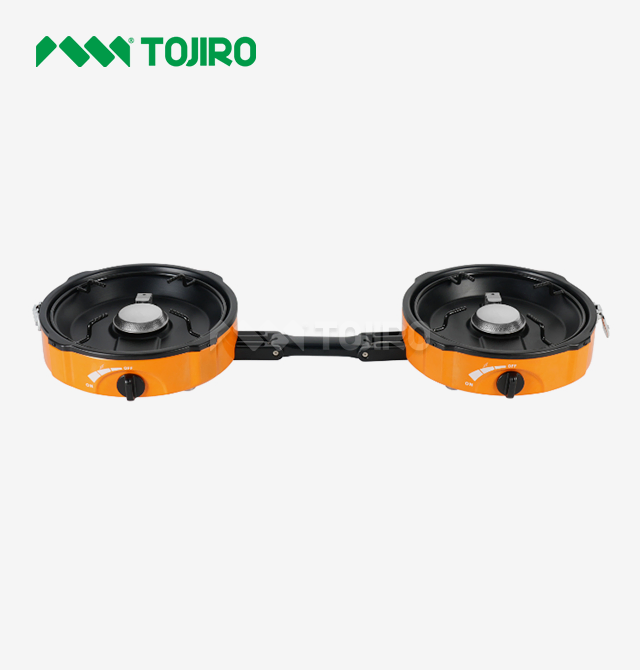



2026 Top Outdoor Kitchen 2 Burner Stove for Patio Cooking
Patio cooking becomes a challenge for B2B buyers across a variety of industries when the right outdoor kitchen 2 burner stove is chosen. Whether you run a glamping lodge, are in charge of buying things for a national park system, or sell camping gear to specialty stores, choosing the right dual-burner cooking solution can affect how well your business runs and how happy your customers are. This complete guide looks at the important features, strategic buying factors, and care guidelines that will make professional outdoor cooking tools the best in 2026.
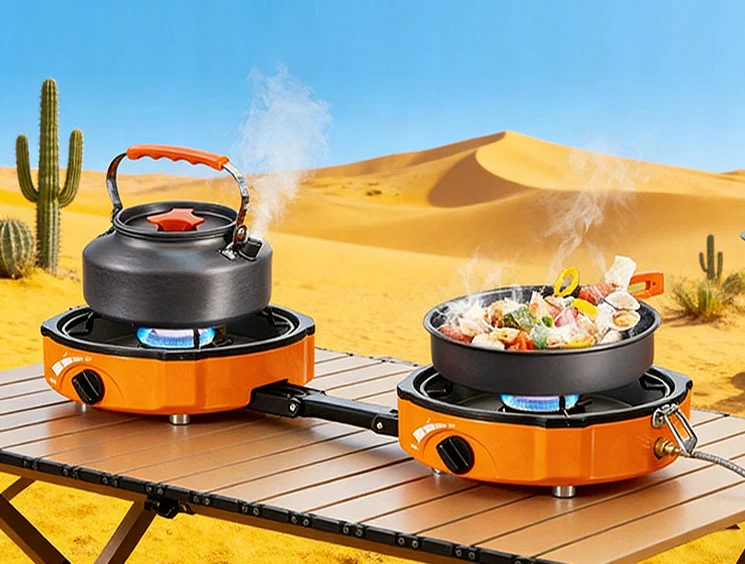
Top Outdoor Kitchen 2 Burner Stoves for 2026
There are a lot of choices on the market for professional outdoor cooking, but only a few can handle the tough conditions of business use. When we looked at dual burner models, we focused on factors that are important to bulk buyers and long-term operators, such as consistent performance, high-quality construction, fuel economy, and maker support.
Performance Leaders in Commercial Applications
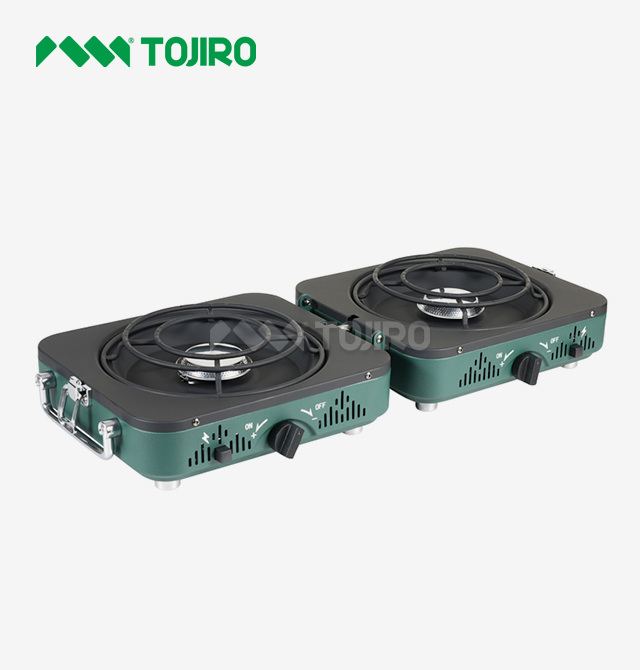
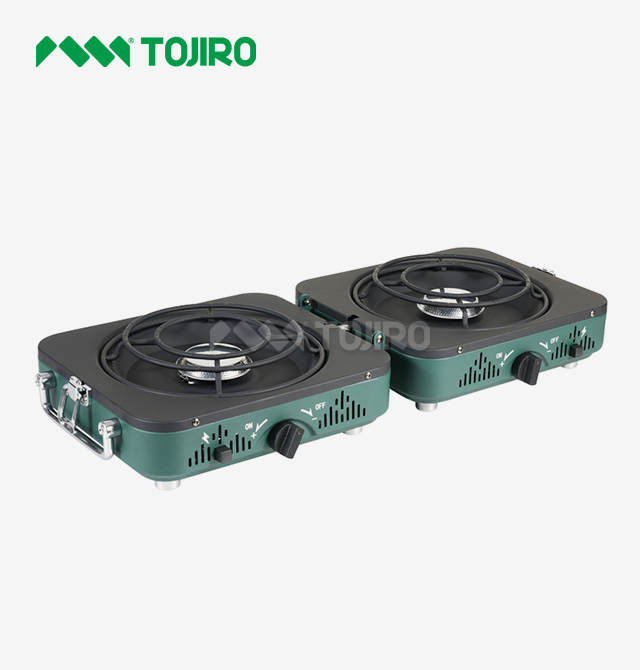
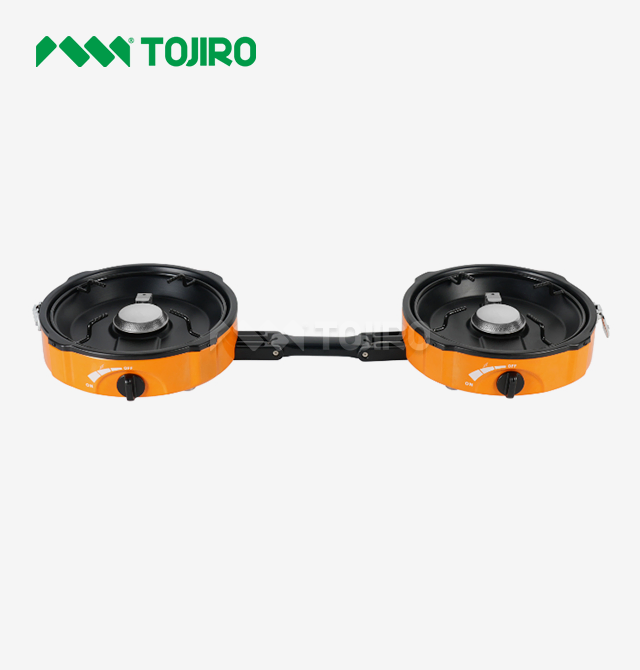
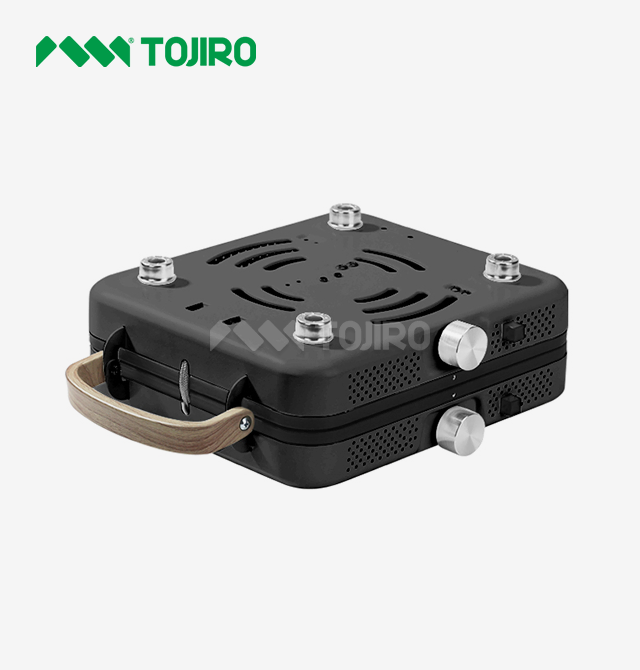
The TOJIRO TJR-BK39 Shell Stove is designed for professional use where mobility and consistent heating performance are both required. Each burner delivers 2.3kW (8000 BTU), supporting simultaneous cooking tasks without excessive fuel use. Its powder-coated cold-rolled steel structure resists corrosion in coastal and high-altitude environments. A dual system combining open flame and infrared heating allows flexible cooking, such as simmering sauces while rapidly boiling water. Built-in pressure regulation ensures stable output, while the integrated drip tray simplifies cleaning for rental and multi-site operations. Competitors like Coleman and Blackstone offer higher BTU output or rugged durability, but TOJIRO balances portability, efficiency, and setup speed for professional field use.
Comparative Analysis for Procurement Decisions
| Model | BTU per Burner | Material | Weight | Setup Time | MOQ | Lead Time |
|---|---|---|---|---|---|---|
| TOJIRO TJR-BK39 | 8000 | Cold-rolled steel | 4.8kg | 30 seconds | 1000 units | 45 days |
| Coleman Cascade | 10000 | Stainless steel | 5.2kg | 45 seconds | 500 units | 60 days |
| Blackstone Adventure | 12000 | Steel composite | 6.1kg | 60 seconds | 300 units | 50 days |
The data shows that each company has a different marketing strategy. TOJIRO focuses on being portable and easy to set up, Coleman on balancing performance with name recognition, and Blackstone on focusing on raw power for high-demand uses. The people who work in procurement should make sure that these specs match their working needs and the number of orders they can handle.
How to Choose the Perfect Outdoor Kitchen 2 Burner Stove for Your Business?
Before you can choose strategic equipment, you need to be clear on your business plan and working environment. A rental business that manages 200 units in seasonal areas has very different needs than a corporate buyer who is supplying a single glamping resort or a distributor who is putting together a range of products for stores in the region.
Defining Your Procurement Scenario
Retailers and e-commerce sites prefer models with strong brand recognition or private label potential to maximize profit. Outdoor kitchen 2 burner stove products succeed when they offer clear features, competitive pricing, or certification advantages. Inventory speed depends on matching customer needs from casual campers to serious outdoor users. Rental companies need durable low-maintenance tools with easy lighting systems, simple cleaning, and rugged materials for repeated assembly. TOJIRO Shell Stove supports this with foldable tool-free design and detachable drip pan for cleaning efficiency. Hospitality buyers prioritize aesthetics powder-coated durability.
Essential Evaluation Criteria
Fuel compatibility extends beyond propane and electric choice requiring support for US tanks and European canisters to ensure global use. Material quality affects total cost of ownership with powder-coated cold-rolled steel resisting corrosion better than painted finishes and brass or stainless steel burner heads maintaining stable flame performance over time. Safety features such as pressure regulators and tip-resistant bases are essential for compliance in public environments. Cheap models often fail due to poor components despite similar BTU ratings so buyers should verify engineering details and testing documentation records.
Negotiation Strategies and Supplier Assessment
Buying in bulk increases negotiating power especially with minimum order quantities like 1000 units and 45-day lead times which favor large buyers but challenge smaller firms. Negotiations can include payment terms packaging customization and long-term supply agreements to reduce unit cost. Supplier evaluation should go beyond price to assess manufacturing capacity quality control systems and technical responsiveness. ISO 9001:2015 certification indicates consistent production standards reducing variability and improving reliability for rental operators and wholesalers who depend on stable product performance across multiple deployments at scale globally networks efficiently
Essential Outdoor Kitchen 2 Burner Stove Usage & Maintenance Tips
The safety and longevity of tools are directly affected by how it is used and maintained. Standardized methods that staff can use regularly across sites and seasons are good for commercial operators.
Safe Setup and Operation Guidelines
Place the outdoor kitchen 2 burner stove on a level, non-flammable surface away from overhead structures that may trap heat or restrict airflow. Ensure movable units on natural ground are properly stabilized to avoid uneven flame distribution and tipping risks. Before operation, inspect fuel lines and connections for leaks or wear. Modern systems like TOJIRO Shell Stove use one-touch ignition, but electrodes still require periodic cleaning. Blue flames indicate proper combustion, while yellow flames signal blockage or imbalance that needs adjustment for safe and efficient operation.
Cleaning and Maintenance Protocols
Clean cold-rolled steel surfaces daily using water and mild detergent to maintain durability and appearance. Avoid abrasive cleaners that damage powder coatings and accelerate corrosion. Integrated drip pans should be removed and cleaned after each use cycle to prevent grease buildup and fire hazards. Burner heads require periodic disassembly for deep cleaning; soak in degreasing solution and remove blockages with wire brushes to maintain consistent flame output. For storage, drain fuel lines, keep units dry and ventilated, and apply food-grade oil to moving parts for long-term protection.
Troubleshooting Common Issues
Ignition failures usually come from dead batteries, misaligned electrodes, or blocked burner ports. Start by replacing the igniter battery, then check electrode spacing of 3–4 mm, and clean ports if spark ignition fails. Weak or uneven flames often indicate fuel flow or regulator issues; inspect hoses for kinks and verify pressure settings against manufacturer specifications. Faulty regulators should be replaced, not repaired. Wind interference can also affect performance, so positioning stoves perpendicular to prevailing winds and using windshields or barriers improves stability and safe operation in outdoor environments.
Comparing Outdoor Kitchen 2 Burner Stoves: Features, Fuels & Materials
Buyers can better match the specs of tools to their needs when they know how different design choices affect how well it works. There is a lot of variety in the type of fuel systems, building methods, and configurations that fall into the dual burner stove group.
Propane Versus Electric Cooking Systems
Propane is widely used for portable outdoor cooking due to high heat output, mobility, and independence from infrastructure. With about 21,500 BTU per pound, it supports long cooking times with lightweight tanks, making it ideal for remote fieldwork, tours, and emergency teams. Electric two-burner systems eliminate fuel handling and offer precise temperature control, suitable for hotels and campgrounds with stable power and stricter fire regulations. Propane excels in high-heat cooking, while electric systems perform better in low-heat precision cooking environments depending on application needs and operational conditions.
Material Construction Considerations
Powder-coated cold-rolled steel is commonly used in portable commercial stoves due to its strength, lightweight structure, and corrosion resistance. It provides a smoother surface and better coating adhesion than hot-rolled steel, improving durability in outdoor environments. Stainless steel offers superior corrosion resistance and long service life, especially in humid or coastal conditions, though at higher cost. Cast iron is used for grates and heat retention components, offering stable cooking performance but increasing weight. Material choice balances durability, maintenance needs, portability, and operational efficiency in commercial applications.
Portable Versus Built-In Configurations
Portable outdoor kitchen 2 burner stove designs focus on compact size and lightweight structure for easy transport in vehicles without specialized tools. Foldable systems like TOJIRO Shell Stove improve mobility for rental and tour operations requiring frequent relocation. Built-in configurations are permanently installed, offering greater stability, cooking space, and improved aesthetics for hospitality venues. They also reduce theft risk and support stronger gas line integration. Choice depends on business model: mobile operations prefer portability, while fixed venues benefit from permanent installation and higher capacity setups for consistent use.
Procurement and Supply Chain Insights for Outdoor Kitchen 2 Burner Stoves
Strategic sourcing choices affect not only the initial costs of purchase, but also the long-term efficiency of operations by affecting the availability of parts, the management of warranties, and the ability to get expert help. Professional buyers should buy outdoor cooking equipment using the same organized method they use to buy other types of capital equipment.
Sourcing Channels and Supplier Relationships
Having a direct contact with a manufacturer benefits buyers who can meet minimum order requirements, as TOJIRO’s 1000-unit MOQ targets large retailers, rental chains, and OEM partners rather than small campsite buyers. The 45-day lead time requires advance planning but enables customization such as private labeling, packaging design, and specification adjustments that support product differentiation. For buyers below MOQ levels, distributors provide smaller order quantities and faster delivery, though with fewer customization options and higher unit costs. E-commerce platforms like Alibaba and Global Sources improve price transparency and supplier comparison. Buyers should verify licenses, request samples, and clarify international warranty support before placing bulk orders.
Pricing Trends and Cost Optimization
Rising raw material costs, especially steel and brass, are shaping the 2026 outdoor kitchen 2 burner stove market. Cold-rolled steel powder-coated models typically range from $45 to $85 per unit at 1000-unit orders, while stainless steel versions cost 30–40% more due to durability and corrosion resistance. Significant price reductions appear at higher volumes, with orders above 500 units achieving notable discounts and near 1000 units reducing per-unit cost by 15–25%. Multi-year contracts help stabilize pricing and production planning. Payment structures also influence total cost, with standard terms at 30% deposit and 70% balance, while net-30 or net-60 agreements improve cash flow, and letters of credit add 1–2% in fees.
Warranty and After-Sales Support
Professional-grade outdoor kitchen equipment includes structured warranty coverage, with TOJIRO offering a one-year warranty against manufacturing defects, comparable to or stronger than competitors. Coverage typically includes burner assemblies, ignition systems, and pressure regulators, while excluding cosmetic wear and normal usage degradation. Reliable after-sales support is critical for minimizing downtime in commercial operations, making parts availability and regional warehouse distribution key evaluation factors. Manufacturers with stocked spare parts in major markets can significantly reduce repair turnaround time compared to overseas shipping delays. Buyers should also assess technical support responsiveness, spare parts lead times, and time-zone compatibility for operational continuity.
Manufacturer Profiles and Capabilities
TOJIRO Electric Appliances, established in 2013 in Zhongshan, operates a 10,000-square-meter facility certified under ISO 9001:2015, combining traditional craftsmanship with modern production systems to ensure durability and design quality. With annual exports exceeding one million units, the company demonstrates strong mass production capability and consistent delivery performance for global markets. Its flexible certification support allows products to obtain CE marking for Europe, UL listing for North America, and other regional approvals, enabling broader international distribution. This adaptability makes the manufacturer suitable for OEM partnerships and wholesalers serving multi-region markets under unified supply and branding strategies.
Conclusion
When choosing the best outdoor kitchen 2 burner stove, it's important to strike a balance between performance specs and practical considerations. Professional buyers can get an edge over their competitors by carefully examining fuel systems, building materials, and suppliers' skills that are compatible with their unique business plans. For example, the TOJIRO TJR-BK39 Shell Stove shows how well-thought-out engineering can meet the needs of rental businesses, hotels, and institutions by having features like two burners that can be used in different ways, strong construction, and support for large orders from the maker. Strategic buying looks at more than just the initial purchase price. It also looks at the total cost of ownership, which includes things like repairs, spare parts availability, and warranties that protect operations.
FAQ
1. What fuel type works best for commercial outdoor cooking applications?
Because it is portable and doesn't depend on infrastructure, propane is still the best choice for most professional outdoor cooking operations. The TOJIRO TJR-BK39 has two burners that each produce 8000 BTU from standard propane cylinders. This is enough heat for two cooking jobs to be done at the same time. The fuel works with both US-standard tanks and European high-altitude bottles, which makes doing business across borders easier. Electric options work well for fixed sites with steady power, but propane is more portable, which is important for rental and tour businesses.
2. How frequently should commercial dual burner stoves receive maintenance?
Rental businesses and industrial sites with a lot of traffic should have cleaning schedules that include checking the burners and fixing the drip pans once a week. Checking the ignition system, checking the pressure regulator, and cleaning the burner ports should all be part of the monthly upkeep. Seasonal businesses benefit from thorough checks before the season starts and storage preparations after the season ends, which include draining fuel lines and lubricating parts. With regular repair, technology lasts a lot longer and breaks down less often during busy times.
3. What safety features matter most for institutional buyers?
Pressure-regulating valves keep gas flow from changing in dangerous ways when the temperature or elevation changes. This is very important for mountain cabins and other places where gas is used. Integrated catch pans lower the risk of fire caused by grease buildup. In public areas, tipping is avoided by using stable base designs with enough leg spread. The equipment should have the right safety certifications for the places it is meant for, and there should be proof that it meets the requirements for purchase compliance.
Connect with TOJIRO for Your Outdoor Kitchen 2 Burner Stove Supplier Needs
TOJIRO Electric Appliances specializes in high-quality outdoor cooking solutions designed specifically for B2B applications requiring durability, performance, and procurement flexibility. Our manufacturing facility operates under ISO 9001:2015 certification, producing outdoor kitchen 2 burner stove models that serve retailers, rental companies, hospitality providers, and institutional buyers worldwide. We offer ODM and OEM services with MOQ flexibility starting at 1000 units, 45-day production cycles, and comprehensive one-year warranty coverage. Our engineering team integrates traditional Japanese craftsmanship with modern production technology, creating equipment that exceeds international quality standards. Contact our procurement specialists at [email protected] to discuss customization options, bulk pricing, and how our dual burner cooking systems can enhance your outdoor hospitality offerings or product lineup.
References
1. Anderson, M. (2025). Commercial Outdoor Cooking Equipment: Procurement Strategies for Hospitality Operations. Foodservice Equipment Journal.
2. Chen, L. & Roberts, K. (2025). Materials Engineering in Portable Cooking Systems: Durability Analysis of Steel Alloys. International Journal of Hospitality Technology.
3. Davidson, P. (2024). Fuel Efficiency Standards for Portable Propane Appliances. Outdoor Industry Association Technical Report.
4. Martinez, R. (2025). B2B Procurement Trends in Recreational Equipment Markets. Global Supply Chain Quarterly.
5. Thompson, J. (2024). Safety Standards and Certification Requirements for Commercial Camping Equipment. Risk Management in Outdoor Recreation.
6. Williams, S. & Park, H. (2025). Total Cost of Ownership Models for Rental Equipment Operations. Journal of Tourism and Hospitality Management.

USER EVALUATE
Here is the customer's evaluation of us
_1763609661748.webp)
_1763607744591.webp)
_1763606665399.webp)