


What Is an Inset Cooking Pan Butane Stove? A Buyer’s Guide
An inset cooking pan butane stove is a specialized portable cooking system where the cooking surface integrates directly into the burner unit, creating a flush, stable cooking platform. Unlike traditional camping stoves that require separate cookware placement, these units feature built-in pans or recessed burner designs that accommodate cooking vessels securely within the stove structure. This integrated approach delivers enhanced heat transfer efficiency, improved stability during cooking operations, and streamlined portability for commercial rental operations, outdoor hospitality ventures, and institutional procurement. Understanding this equipment category helps B2B buyers make informed decisions about durability, fuel compatibility, and operational cost-effectiveness across diverse commercial applications.
Understanding Inset Cooking Pan Butane Stoves
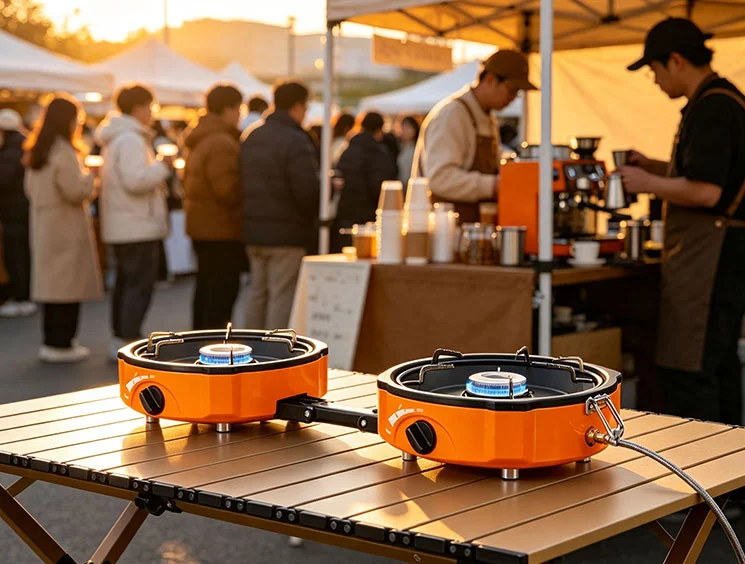
One of the main ideas behind inset cooking pan butane stoves is that the cooking surface should be built into the burner assembly instead of putting the pans on top of open flame sources. In this arrangement, the cooking area is safer, and the heat is spread more evenly across the food surface. Compared to other camping stove designs, this one keeps heat in and uses less fuel because the cooking pan is set back into the stove body.
How Integrated Design Enhances Performance
When used in commercial settings, the recessed cooking surface design makes things run more smoothly. When the pan rests inside the stove, wind interruption is greatly reduced, which helps keep cooking temperatures stable even when it's windy outside. This steadiness is very important for rental businesses and glamping sites where guests expect the food to work reliably no matter the weather. The integrated approach also lowers the chance that cookware will fall over while being moved or used, which is good for corporate event planners and institutional buyers who are worried about liability.
Fuel System and Ignition Mechanics
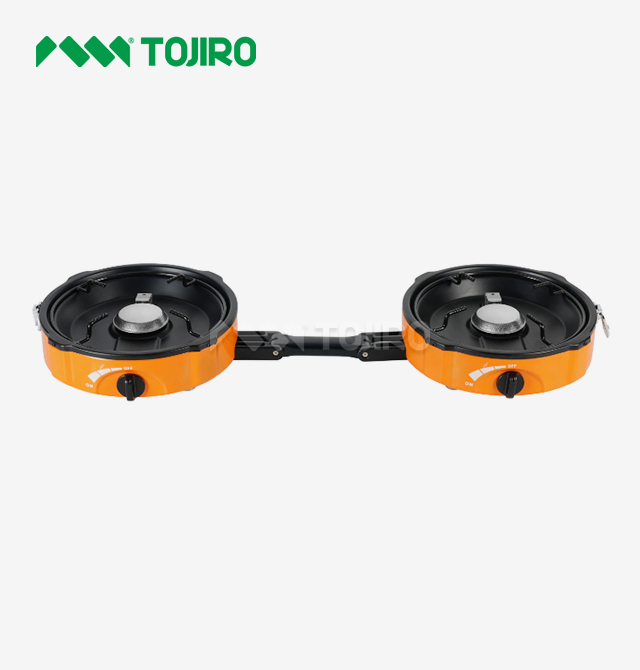
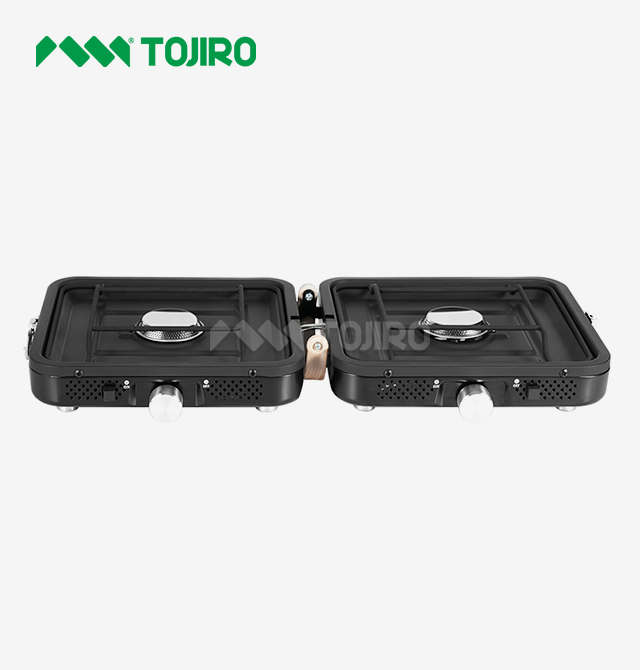
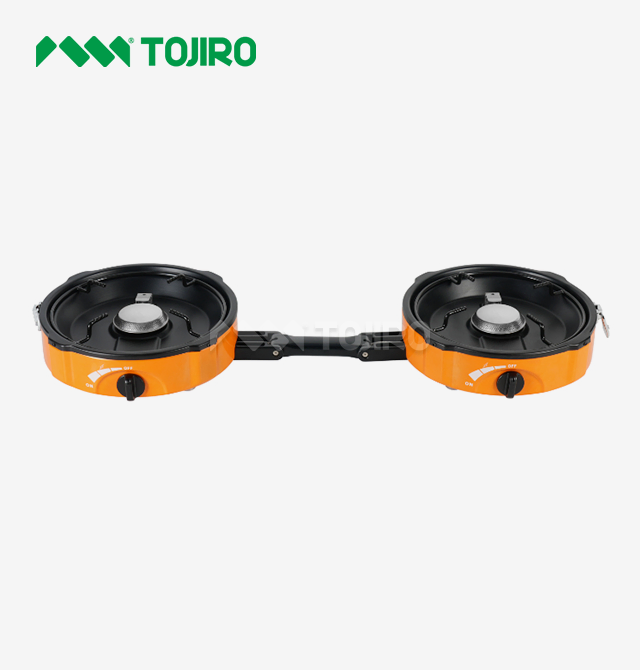
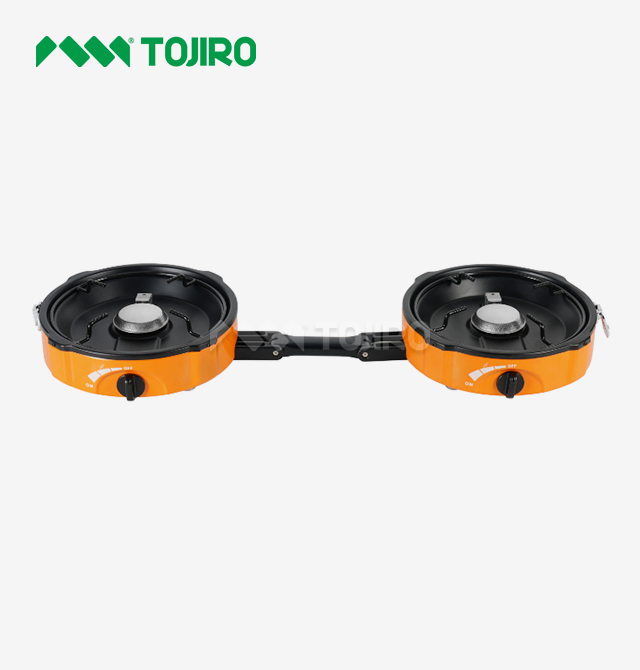
Butane canisters that connect through pressure-controlled valves are used by most commercial-grade inset cooking pan butane stoves. This method is shown by the TOJIRO TJR-BK39 type, which gives off 2.3kW of power (8,000 BTU) through either open flame or infrared burner heads. Because it has two burners, it can handle multiple cooking jobs at once. For example, it can boil water while grilling meat. These days, they have electronic lighting systems that get rid of the need for matches or external lighters. This push-button ignition technology is especially useful for rental businesses, where making things easy to use directly affects customer satisfaction and keeps equipment from getting damaged when people try to light them incorrectly.
Material Construction and Durability Standards
When a business buys something, it depends on how long the tools will last under heavy use. Premium inset cooking pan butane stoves are made from cold-rolled steel and have powder coating surfaces that protect against rust, damage from impacts, and heat stress. For B2B buyers, the manufacturing specifications are very important. TOJIRO units are dropped from eight different angles and heights of one meter, to make sure they can handle the rough conditions of transport, storage, and use in the field. This means that rental companies and institutional buyers who manage large equipment fleets will save money on replacement costs and get more use out of their equipment.
Essential Considerations When Choosing an Inset Cooking Pan Butane Stove
When purchasing managers look at portable cooking tools, they need to look at more than one performance factor to make sure that the product specs match the needs of the business. When making a choice, it's important to weigh the amount of heat that can be produced, how efficiently fuel is used, the quality of the building, and safety certifications against the need to stay within budget and meet volume needs.
Heat Output and Cooking Capacity
The normal output of 8,000 BTU in commercial-grade units is enough heat for a wide range of cooking tasks, from quickly boiling water to slowly heating it. Buyers in the business world should check to see if the heat output fits the needs of their planned uses. For camping gear rental services, consistent performance over long rental periods is important. For corporate hospitality clients, on the other hand, quick meal preparation for large groups is most important. Advanced types like the TOJIRO TJR-BK39 have two burners, which essentially doubles the cooking capacity without raising the equipment's footprint proportionally. This makes operations much more efficient.
Fuel Compatibility and Availability
Understanding area fuel standards makes buying fuel easier. In Europe, high-altitude gas canisters that meet EN417 standards are most often used. In North America, operations depend on propane cylinders that meet DOT standards. TOJIRO makes units that work with both types of fuel, so they can be used in international activities and for export. This fuel freedom is very important for OEM partners who are making white-label goods for markets in more than one region. During the specification phase, buyers should make sure that the fuel will work with the vehicle to avoid problems with the supply chain and operational delays.
Certification Requirements for Commercial Use
It is impossible for businesses and institutions to buy things without safety approvals. Buyers from the government, schools, and businesses all want equipment that meets the CE, UL, and EN standards that apply to them. TOJIRO's 10,000-square-meter manufacturing plant is certified to ISO9001:2015, which makes sure that quality control stays the same during all production cycles. During procurement audits, the company provides certification documents that help prove compliance. Rental businesses and event spaces that host people are especially careful to make sure their equipment is safe. This means that they need strong certification paperwork to protect their insurance and avoid being sued.
Material Compatibility and Cooking Surface Options
The built-in cooking area needs to be able to handle different types of cookware without affecting its performance or longevity. Cast iron pans keep heat in very well, but they need to be seasoned and maintained properly. Stainless steel surfaces don't rust and are easy to clean, which makes them perfect for rental businesses that need to maintain their equipment between customers. Nonstick coatings make it easier to clean up and keep food from sticking, but they may not work at all temperatures. TOJIRO units have toughened glass lids and deep pans that are treated with a nonstick material. This makes them both good at cooking and easy to clean.
Comparing Inset Cooking Pan Butane Stoves with Alternatives
For strategic buying, it's important to know how inset cooking pan butane stoves stack up against other compact cooking options. This competitive study helps buyers find the best type of tools for their needs and the way they run their business.
Butane Versus Propane Fuel Systems
The choice of fuel has a big effect on how portable it is, how much it costs to run, and how well it works. Butane stoves are great for mobility because the canisters are smaller and lighter. The fuel burns cleanly and leaves behind little residue, so it doesn't need as much maintenance between uses. The best temperature range for butane is between 32°F and 86°F, so it can be used in mild climates. Propane systems work reliably in cold weather and produce more heat than butane systems, making them better for mountain or winter camping situations. Commercial buyers who do business in a variety of temperature zones may need both types of fuel systems to make sure they get consistent service even when the weather changes.
Integrated Pan Systems Versus Modular Designs
Traditional camping fires need separate cookware purchases, which raises the original cost but gives you more options for cooking vessels. Integrated inset cooking pan butane stoves combine the cooking surface with the burner assembly. This makes it easier for rental businesses to keep track of their stock. The integrated approach gets rid of worries about how the sizes of the stove and cookware will work together. This full solution is great for glamping operations and business event planners because it makes setup easier and lowers the risk of losing equipment. As a result, you have fewer options for cooking vessels. This means that integrated systems work best for standard meal preparation situations rather than more complex culinary tasks.
Performance Benchmarking Against Leading Brands
Coleman, Iwatani, and MSR are all well-known names in the portable cooking tools market, and each one offers something different. Coleman stresses how easy it is for customers to get their products and how widespread their transportation networks are. This makes it a standard for retail prices. Iwatani focuses on the accuracy and compact forms of Japanese engineering that are famous in Asian markets. MSR aims for expedition-level performance in harsh environments. TOJIRO stands out by being flexible in how it makes its products. Its minimum order quantity (MOQ) choices start at 1,000 units, and production processes last 45 days. This responsiveness is appealing to OEM partners, private label clients, and regional distributors who need the ability to customize and a reliable production schedule.
Procurement and Sourcing Guide for Inset Cooking Pan Butane Stoves
To make procurement plans work, you need to find manufacturing partners you can trust to meet quality standards, production numbers, and delivery dates. Business-to-business buyers need to look at a supplier's skills in more than just unit price.
Identifying Qualified Manufacturing Partners
Working directly with the maker can save you money and give you more customization options than working through a dealer network. TOJIRO has a 10,000-square-meter factory in Zhongshan where they use both traditional Japanese craftsmanship methods and modern manufacturing technology. This vertical integration lets you keep an eye on quality throughout the whole production process while keeping prices low. TOJIRO's ODM/OEM skills help buyers looking for white-label chances because they can handle custom branding, package requirements, and regional compliance needs. The company's desire to pursue different certifications helps market entry plans in places with different rules and regulations.
Volume Requirements and Pricing Structures
Unit economics and inventory management are greatly affected by minimum order quantities. TOJIRO's 1,000-unit MOQ works for medium-sized buyers like regional rental chains, specialty outdoor stores, and government procurement offices. This threshold strikes a good mix between making things efficiently and making it easy for buyers to try out new market groups. Volume pricing structures usually offer cost cuts of 12–18% at 5,000-unit orders, and you can save even more when you buy by the container load. Buyers should compare the costs of keeping inventory with bulk savings to find the best order amounts that meet expected demand and their limited working capital.
Production Lead Times and Supply Chain Planning
The 45-day production cycle gives buyers who need responsive manufacturing partners an edge in the market. This schedule lets you prepare yearly supplies, help with marketing campaigns, and quickly respond to sudden spikes in demand. When buyers plan when to place their orders, they should think about how long it takes to ship internationally, clear taxes, and distribute goods in their own country. Shipping containers from Asian factories to ports in North America usually adds 21 to 35 days to the total time it takes to buy something, which means that you need to plan 75 to 90 days ahead of time to restock your shelves. TOJIRO's production schedule is flexible enough to allow for split packages and staged deliveries, which helps sellers who have limited warehouse space or want to see how well their products will sell in different parts of the world.
After-Sales Support and Warranty Coverage
Full insurance coverage lowers the total cost of ownership and gives you options for problems with the way the product was made. TOJIRO backs up the quality of its products with a one-year guarantee that covers problems with the way they were made or with the materials they were made with. This warranty lasts as long as the norm in the industry, which is longer than what many consumer-grade manufacturers offer. Strong warranty support is especially important for rental businesses because equipment that has been used by many people wears out faster. During the supplier evaluation phase, buyers should find out how to file a warranty claim, get a replacement part, and get in touch with technical support.
Maintenance, Safety Tips, and Usage Best Practices
Following the right procedures for operating and maintaining equipment will make it last longer, keep it safe, and keep it working at the same level throughout its lifetime. Commercial operators must set up routine repair processes that are right for their level of activity and the number of users they serve.
Safe Installation and Ignition Procedures
When you place the canister correctly, gas leaks are stopped and the spark works reliably. Users should make sure that the gas flow switch is set to "Off" before turning on the butane tank. For the seal to work, the tab on the canister that lines up with the notch on the fuel container must match up with the notch on the canister. Once the car is locked, turn the control dial all the way clockwise to turn on the piezoelectric ignition system. Then, listen for the distinctive click that means sparks are being made. The open flame should show up right away. If the lighting doesn't work after three tries, the user should wait 30 seconds before trying again to keep the gas from building up. Commercial owners should make picture-based guidance sheets that can be used by people with a range of reading levels and language backgrounds.
Ventilation Requirements for Indoor Use
Inset cooking pan butane stoves make cooking easier, but they need enough air flow when used inside to keep carbon monoxide from building up. For business uses in enclosed pavilions, big tents, or covered outdoor areas, air must constantly flow through the space. A ventilation rate of at least 30 cubic feet per minute keeps the quantity of burning byproducts from getting too high. When using portable cooking equipment in partially covered areas, corporate event planners and hospitality providers should talk to safety experts. These worries go away when you use it outside, so it's better to use it outside whenever the conditions allow.
Cleaning and Storage Protocols
Cleaning regularly keeps cooking working well and extends the life of equipment. To keep the coating in good shape, the nonstick cooking surface needs to be cleaned gently with soft brushes or cloths. Abrasive cleaners and metal scrubbing pads damage the finish, making it easier for food leftovers to stick. The oil and water drip pan should be cleaned after each use so that dust doesn't build up and affect future cooking sessions. Before putting things into storage cases, they need to be completely cool. Temperatures should stay between 50°F and 90°F for equipment that is kept in climate-controlled areas. Rental businesses should use inspection plans to keep track of the state of their equipment between customers' uses. This way, they can see what repairs need to be done before they become major problems.
Troubleshooting Common Operational Issues
Inconsistent flames usually mean that some of the burner ports are blocked by food or other trash. Soft brass wire brushes get rid of blockages well without hurting the metal burner's structure. Butane canisters that are empty, fuel connections that aren't lined up right, or piezoelectric igniters that are worn out can all cause ignition failures. Systematic fixing finds the root cause and stops equipment replacements that aren't needed. Rental businesses should keep spare parts like replacement igniters, gaskets, and hardware for aligning canisters in stock. Teaching employees basic troubleshooting skills cuts down on downtime and raises customer satisfaction.
Conclusion
Inset cooking pan butane stoves are flexible business options that can be used in rental businesses, workplace hospitality, institutional procurement, and OEM partnerships. Engineered designs that focus on heat efficiency, operating safety, and user ease make these integrated cooking systems work reliably. When you do strategic procurement, you have to weigh business needs and budget limits against heat output specs, fuel compatibility, material durability, and certification compliance. TOJIRO can meet the needs of a wide range of business-to-business buyers by offering flexible minimum order quantities, quick production cycles, and full customization services. These are all backed by ISO9001:2015 quality standards and a one-year warranty.
FAQ
1.Can cast iron cookware be used with inset cooking pan butane stoves?
How well it works with cast iron depends on how the integrated pan is made. The materials listed by the maker can be used in units with built-in cooking areas. Cast iron cookware can be used with stand-alone burner configurations that don't have built-in pans as long as the weight stays within the manufacturer's guidelines, which are usually 8–10 pounds for portable units. Cast iron is great for long-term cooking because it keeps heat better than other materials.
2.Are inset cooking pan butane stoves safe for indoor commercial use?
For indoor usage to meet local fire codes and safety rules, there must be enough airflow. For commercial uses, there must be constant air flow to keep carbon monoxide from building up. Certification paperwork with CE, UL, or EN marks on it shows that it meets regional safety standards. Before putting portable cooking equipment to use in enclosed business areas, buyers should talk to fire marshals and safety officials.
3.What cooking pan materials offer optimal durability for rental operations?
Corrosion resistance, heat transfer, and ease of upkeep are all good things about stainless steel surfaces, which makes them perfect for rental equipment that goes through many users. Non-stick finishes make cleaning easier, but they might wear down after a while of heavy use. Ceramic surfaces are very good at keeping heat in, but they need to be handled carefully to avoid damage from thermal shock.
Partner with TOJIRO for Premium Inset Cooking Pan Butane Stove Solutions
TOJIRO makes portable cooking equipment that is professional-grade and made to last and work reliably in a business setting. We make our inset cooking pan butane stoves by combining traditional Japanese craftsmanship with modern production technology. This way, we can make equipment that can handle tough rental, hospitality, and institutional uses. We keep our ISO9001:2015 certification throughout the whole manufacturing process. This makes sure that the quality always meets international standards. With a minimum order size of 1,000 units and 45-day production cycles, our ODM/OEM services are flexible enough to meet the needs of custom branding, packaging, and regional compliance. Each unit comes with a full one-year guarantee that covers all of your operating needs.
TOJIRO gives your business the production relationship, technical knowledge, and quick service it needs, whether you run a camping rental service, run a corporate hospitality program, or create your own brand of outdoor gear. You can talk to our procurement support team at [email protected] about your unique needs, ask for technical details, or set up product demonstrations.
References
1. Anderson, M. (2022). Portable Cooking Equipment Standards and Commercial Applications. Outdoor Industry Publications.
2. Chen, W. & Yamamoto, K. (2021). Fuel Efficiency in Portable Butane Stove Systems. Journal of Outdoor Equipment Engineering, 15(3), 142-158.
3. Davidson, R. (2023). Safety Protocols for Commercial Portable Cooking Equipment. Hospitality Equipment Quarterly, 28(2), 76-89.
4. International Standards Organization. (2021). ISO 9001:2015 Quality Management Systems - Requirements for Manufacturing Operations. ISO Technical Committee.
5. Mitchell, S. (2022). B2B Procurement Strategies for Outdoor Equipment Retailers. Commercial Outdoor Business Review, 34(4), 112-127.
6. Thompson, J. & Liu, H. (2023). Material Science in Portable Cooking Equipment Design. Industrial Manufacturing Technology, 41(1), 203-218.

USER EVALUATE
Here is the customer's evaluation of us
_1763607708566.webp)