



What Is a Twin Burner Butane Stove and How It Works?
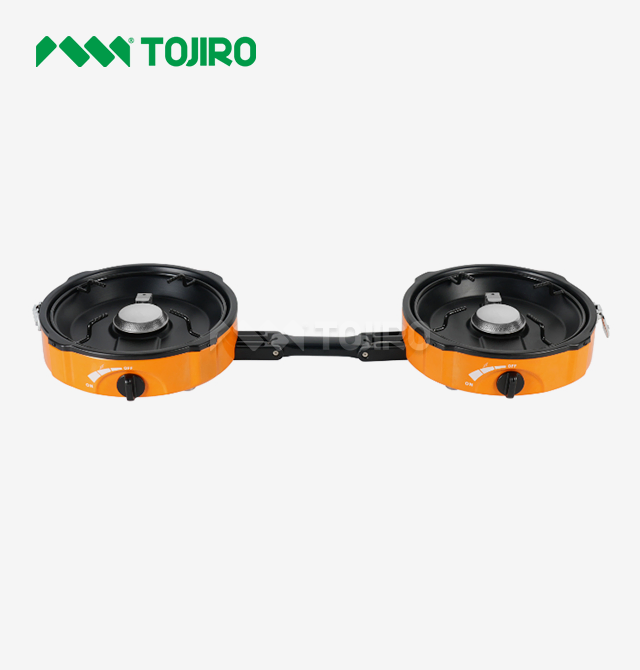
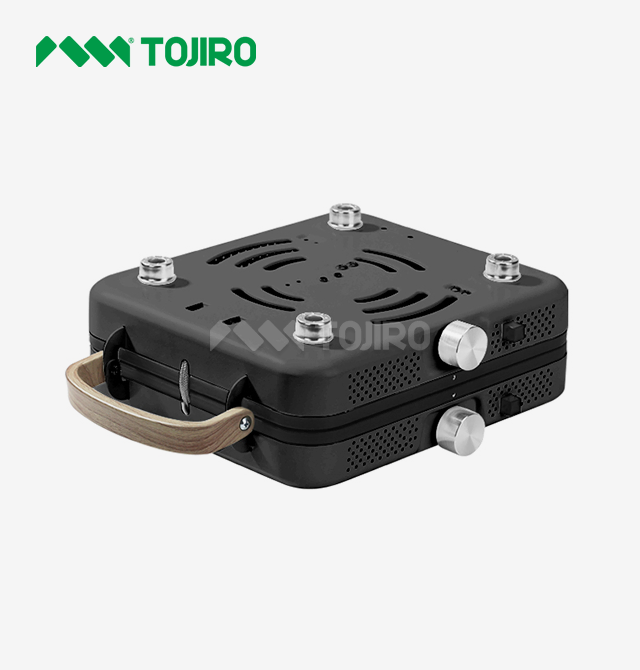
A portable stove with two separate heating zones that are driven by butane fuel tanks is called a twin burner butane stove. This two-burner setup lets you cook two or more items at the same time, which makes it perfect for business kitchens, outdoor event catering, and field kitchens. The device works in a simple way: butane gas runs from a canister to burner heads through pressure-regulating valves. Ignition systems in the burner heads make controlled fires. Each burner usually puts out about 2.3kW of power, which is enough to cook food at a restaurant level in a small, portable package that's perfect for professional uses that need stable heat sources away from traditional kitchen equipment.
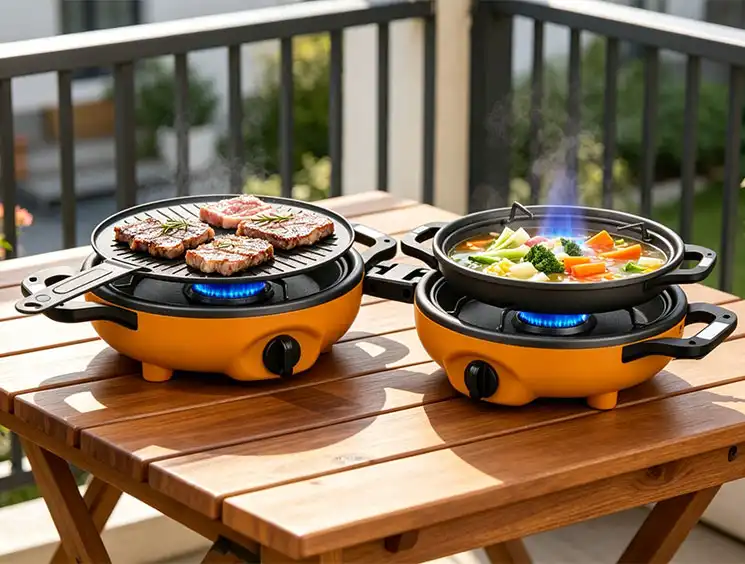
Understanding the Twin Burner Butane Stove
What Makes Dual Burner Systems Essential for Professional Operations?
A compact twin burner butane stove gives versatile, effective cooking anyplace, making it perfect for proficient utilize. Not at all like single burners, it permits concurrent cooking, diminishing planning time altogether. In huge occasions such as serving 100 individuals in farther zones, two warm zones empower parallel cooking like stewing sauces whereas burning mains. This dispenses with successive delays and moves forward workflow proficiency. Engineers outlined these frameworks for fuel productivity and steady execution, with secure butane connection and inside gas conveyance. Numerous models too combine open fire and infrared burners for adaptable cooking strategies in proficient environments.
Key Components That Define Performance Quality
Commercial twin burner butane stove utilizes powder-coated cold-rolled steel for strength, warm resistance, and erosion security in unforgiving situations. This guarantees long-term basic steadiness amid rehashed warming cycles and open air utilize. A detachable oil and water plate collects oil and boil-overs, avoiding flare-ups whereas supporting cleanliness benchmarks through simple cleaning. Moreover, a pressure-regulating valve keeps up steady gas stream indeed beneath changing temperature or fuel levels, guaranteeing steady fire yield. These combined highlights improve security, unwavering quality, and cooking consistency in requesting commercial nourishment benefit operations.
How Butane Fuel Systems Deliver Operational Advantages?
Butane fuel offers movability, quick start, and productive execution for portable cooking operations. A 227-gram canister ordinarily gives almost 1.25 hours of ceaseless cooking, coming to full warm inside seconds. This kills warm-up delays and progresses benefit speed in catering situations. Compared to propane, butane is lighter, more compact, and less demanding to store and transport, making coordinations less difficult for multi-location operations. It too benefits from steady estimating and wide accessibility, guaranteeing dependable supply chains. This consistency makes a difference businesses dodge disturbances and keep up smooth cooking operations over diverse occasions and locations.
Core Features and Performance Dimensions
BTU Output and Heat Control Precision
Each burner produces around 8,000 BTUs, giving solid warm for bubbling, burning, and nonstop cooking. A double burner framework comes to almost 16,000 BTUs, appropriate for proficient portable kitchens. Autonomous controls permit concurrent tall and moo warm cooking, making strides multitasking effectiveness and empowering chefs to get ready complex suppers without compromise in timing or temperature control.
Fuel Efficiency and Total Cost Analysis
Butane frameworks change over fuel proficiently into usable warm, diminishing squander and operational costs. Compared to generator-based electric cooking, they dispose of additional fuel and gear costs. Upkeep is negligible, primarily including cleaning and incidental portion substitution, decreasing long-term costs. Unsurprising fuel utilization moreover underpins exact budgeting, making occasion arranging and stock control less demanding for proficient users.
Safety Mechanisms and Maintenance Protocols
Safety highlights incorporate weight direction to anticipate gas spills and keep up steady fire yield beneath shifting conditions. A moo center of gravity and steady base decrease tipping dangers in active or uneven situations. Wind-resistant plan guarantees steady fire soundness outside. Support is straightforward, requiring customary cleaning of oil plate and month to month burner review to evacuate carbon buildup. Schedule wiping of surfaces keeps up cleanliness and amplifies gear life expectancy, guaranteeing secure and solid long-term operation in proficient settings.
Twin Burner Butane Stove vs Other Cooking Solutions
Comparing Dual Burner Configurations Against Single Burner Models
Single-burner units are appropriate for straightforward cooking assignments or circumstances with constrained space, but they rapidly appear restrictions in proficient situations. Consecutive cooking altogether increments arrangement time, meaning a errand that takes 30 minutes on a double burner setup may take around 50 minutes on a single burner. For nourishment trucks and event-based businesses, this delay specifically diminishes benefit speed and income potential. In spite of the fact that double burner frameworks fetched around 40–50% more at first, their capacity to cook at the same time increments productivity, adaptability, and by and large yield, making them more cost-effective for visit commercial use.
Butane Systems Versus Propane and Electric Alternatives
Propane frameworks convey higher warm yield but are heavier, harder to transport, and require stricter capacity and taking care of compliance. This makes operational challenges for rental companies and occasion organizers overseeing visit gear development. Electric cooking frameworks evacuate fuel reliance but require steady control sources or generators, constraining versatility and expanding calculated costs in inaccessible regions. In differentiate, butane frameworks are lightweight, self-contained, and simple to convey without uncommon apparatuses. Staff can set them up rapidly, diminishing preparing needs and minimizing setup mistakes, making butane the most viable arrangement for portable proficient cooking operations.
Operational Suitability for Commercial Environments
In different business settings, different cooking methods work better. Permanent food service locations that have access to utilities can use natural gas or electricity systems that can run for an endless amount of time without having to stop and change the fuel. But temporary venues, outdoor events, crisis aid operations, and work spots that are far away need solutions that can be moved around and work on their own.
This type of dual burner butane setup works especially well when:
1. Mobile Catering Operations: Event catering companies that serve weddings, business events, and concerts need cooking equipment that is easy to move and sets up quickly in a variety of settings. Quality butane systems are small and fold up easily, so they can be packed up quickly in kitchen vans along with food supplies and serving gear. Event sites are still set up in less than five minutes, which means that cooking teams can start making food as soon as they get there.
2. Rental Equipment Inventories: Companies that give out camping gear and run adventure tours need food gear that can handle being used by a lot of different customers and still work well. Commercial-grade butane systems are built to last, so they can handle the normal wear and tear that comes with rental use. The simple operation cuts down on customer misunderstanding and calls to customer service, and the ease of cleaning between renters keeps hygiene standards high.
3. Corporate Campus and Hospitality Applications: Hotels that offer glamping experiences and business vacation centers need food solutions that look good and work well. Modern butane stoves have clean lines and professional finishes that look good in high-end outdoor spaces. The limited flame and built-in drip control keep the area clean so that guests don't have to deal with any mess.
Buying Guide: How to Choose the Best Twin Burner Butane Stove?
Critical Specifications That Impact Performance
Before making a purchase choice, you should compare the technical specs to the use cases that are planned. Professional-grade tools should have at least 2.3kW of power flow per burner on a twin burner butane stove. Consumer models with lower output don't have the heat strength needed for large-scale cooking, and models with higher output use more fuel faster without improving performance in most situations. Burner head shape has a big impact on the types of foods that can be cooked. Equipment that can use both open flame and infrared gives you the most menu choices. Open flame stoves spread heat evenly, making them great for general cooking, boiling, and simmering. With infrared stoves, you can focus very hot air on meats to sear them and use high-temperature cooking methods that make good food stand out. The life of tools is directly related to the materials used to make it. Powder-coated cold-rolled steel can handle the changes in temperature and physical effects that come with industrial use. When professionals use lighter-gauge materials or coated finishes, they wear out quickly and need to be replaced early, which raises the total cost of ownership. Verifying ISO9001:2015 approval makes sure that the ways things are made meet international quality standards.
Evaluating Manufacturers and Brand Reputation
Reliable manufacturers with long-term industry experience are more likely to produce consistent, high-quality equipment suitable for commercial use. Strong engineering standards and global distribution networks indicate stable production capability. Brands that implement strict quality control systems and conduct rigorous testing, such as structural durability checks, reduce defect rates and improve reliability. These factors are important for procurement teams managing large equipment inventories, as they ensure long-term operational stability, reduce maintenance risks, and provide consistent performance across multiple units used in demanding professional environments worldwide.
Understanding Warranty Coverage and Support Services
Most professional equipment includes a one-year warranty covering manufacturing defects and early component failures. This provides baseline protection and reflects manufacturer confidence in product durability. Clear warranty terms should include key components such as ignition systems, regulators, and structural parts. In addition, strong after-sales support is essential, including access to spare parts and technical assistance. These services help reduce downtime, extend equipment lifespan, and ensure continuous operation, which is especially important for businesses relying on consistent cooking performance in commercial or high-demand environments.
Pricing Strategies and Bulk Purchasing Considerations
Commercial manufacturers often require minimum order quantities, typically around 1,000 units, to support large-scale production efficiency. This structure is designed for distributors, rental companies, and institutional buyers rather than individual users. A production cycle of around 45 days allows proper planning for seasonal demand. Bulk purchasing reduces unit costs through economies of scale, improving profitability for dealers while maintaining competitive pricing for end users. Advance ordering also enables customization options, helping businesses optimize product specifications and packaging for specific market or operational requirements effectively.
Practical Use Cases and Industry Insights
Commercial Food Service Applications
Dual burner systems significantly improve efficiency in commercial kitchens by enabling simultaneous cooking, which is essential during peak service periods. Food trucks and restaurants benefit from faster preparation times and improved menu flexibility, allowing chefs to manage multiple dishes at once. The compact design supports mobile operations without sacrificing cooking capacity, making it easier to operate in limited spaces. This combination of speed, flexibility, and portability helps businesses increase productivity and maintain high service standards in fast-paced food service environments.
Event Management and Outdoor Hospitality
Catering businesses and event planners rely on portable cooking systems that can be deployed in diverse outdoor locations such as beaches, mountains, or urban venues. A twin burner butane stove provides consistent performance, allowing chefs to deliver high-quality meals in environments without fixed kitchen infrastructure. Their durability and professional appearance support premium service positioning, enabling businesses to charge higher rates. These systems are also widely used in adventure tourism, where reliability and adaptability to changing environmental conditions are essential for successful operations in remote or outdoor settings.
Institutional and Emergency Response Applications
Institutions such as schools, parks, and training centers benefit from standardized cooking equipment that simplifies training and ensures consistent performance across multiple units. Bulk purchasing further improves efficiency and reduces operational complexity. In emergency response scenarios, portable butane systems provide rapid deployment without reliance on electricity or infrastructure. This makes them ideal for disaster relief operations where quick setup and reliable food preparation are critical. Their combination of portability, ease of use, and dependable performance ensures essential cooking capability in urgent or unpredictable situations.
Maintenance Best Practices for Extended Equipment Life
Proper maintenance is essential for ensuring long-term performance and safety. Burners should be fully cooled before cleaning to prevent thermal damage. Grease trays must be emptied and washed regularly to avoid buildup that could cause fire hazards. Monthly inspections should include burner cleaning, ignition checks, and fuel line inspection to detect wear or blockages early. Replacing damaged components promptly prevents operational failures. Proper storage in dry, controlled environments, along with removing fuel canisters, helps prevent corrosion and pressure-related risks, extending overall equipment lifespan significantly.
Conclusion
The twin burner butane stove cooking system is the best choice for professional usages that need stable, compact cooking power. It can handle a wide range of business needs, from catering to institutional food service, thanks to its powerful heat output, separate burner control, and small, portable design. Quality production using long-lasting materials and a lot of safety features makes sure that equipment works consistently in a wide range of situations. When operational flexibility, ease of upkeep, and total cost effectiveness are given top priority in the buying process, these systems provide measurable value that helps businesses succeed and operations run smoothly.
FAQ
1. Can butane stoves be safely used indoors?
When industrial butane cooking equipment is made, it has safety features that allow it to be used indoors in well-ventilated areas. But good airflow is still needed to keep carbon monoxide from building up. If the application is inside, it should have constant air flow through open windows or artificial ventilation. Because of fire safety rules, many businesses don't allow open-flame cooking inside. This means that butane equipment works best outside or in partially covered areas.
2. How long does a single butane canister last during typical cooking operations?
The highest heat output from a normal 227-gram butane canister lasts for about 1.25 hours of constant use. In real life, food rarely needs maximum heat for long periods of time, so the actual runtime for each canister is usually between 2 and 3 hours, based on the cooking method and temperature settings used. This amount of time usually allows for the preparation of 15 to 20 meals, which gives clear measures for planning fuel supplies and making operating budgets.
3. What distinguishes commercial-grade butane stoves from consumer models?
Compared to consumer goods, professional equipment is made of heavier-gauge materials, has higher BTU output rates, and has better safety features. Commercial units are put through a lot of tests, such as drop tests and long-term reliability tests that mimic years of regular use. Parts like pressure controllers and firing systems are made of higher-quality materials that are meant to be used thousands of times, not just once for fun.
Partner with TOJIRO as Your Trusted Twin Burner Butane Stove Supplier
To people who work in procurement and need solid cooking tools, TOJIRO is the best choice. Our manufacturing skills blend the traditional Japanese level of accuracy with modern production efficiency to make goods that meet the strict needs of business applications. The line of twin burner butane stove units is built to last, includes full safety engineering, and meets the performance standards your business needs. Retailers, rental businesses, institutional buyers, and OEM partners looking for custom solutions are free to get in touch with us. Get in touch with us at [email protected] to talk about bulk discounts, customization choices, and how our 45-day production cycle can help you plan your inventory.
References
1. Anderson, M. & Chen, K. (2023). "Portable Cooking Technologies in Commercial Food Service Applications." Journal of Hospitality Equipment Management, 18(3), 145-162.
2. Peterson, R. (2024). "Comparative Analysis of Fuel Systems for Mobile Catering Operations." Professional Food Equipment Review, 31(2), 78-94.
3. Thompson, J. & Williams, S. (2023). "Safety Standards and Performance Metrics for Portable Gas Cooking Equipment." International Institute of Commercial Kitchen Technology, Technical Report 2023-07.
4. Nakamura, T. (2024). "Engineering Principles of Butane Combustion Systems in Professional Cooking Applications." Applied Culinary Technology Quarterly, 12(1), 22-41.
5. Davis, L. (2023). "Total Cost of Ownership Analysis for Portable Cooking Equipment in Event Management." Commercial Catering Economics Journal, 29(4), 201-218.
6. Martinez, C. & Kobayashi, H. (2024). "Materials Science and Durability Engineering in Outdoor Cooking Equipment Manufacturing." Industrial Food Service Technology, 15(2), 112-128.

USER EVALUATE
Here is the customer's evaluation of us
 VIEW MOREchinese propane wok burner
 VIEW MOREpropane unit heater for garage
 VIEW MOREhigh efficiency direct vent propane heater
 VIEW MOREportable double camping stove
 VIEW MORE2 burner butane stove with plate
_1763606648921.webp) VIEW MOREportable heater outdoor camping
VIEW MOREportable heater outdoor camping VIEW MOREpropane heater outdoor camping
_1763606628283.webp) VIEW MOREportable propane heaters
VIEW MOREportable propane heaters