


High-Heat Stir-Frying in Your Backyard: A Guide to Propane Wok Stoves
Most Asian food aficionados now cook outdoors using high-heat stir-frying instead of grilling. A propane wok stove gives you strong, adjustable flames to cook restaurant-quality meals in your garden, at the beach or in a professional outdoor kitchen. These burners can reach higher temperatures than normal camping stoves due to their design. This creates "wok hei"-flavored stir-fries. Knowing what these strong cooking systems can do and how to choose one can revolutionise how you cook outside if you manage a glamping camp, cater business events, or sell products.
Understanding Propane Wok Stoves: Benefits and Basics
There is a special type of outdoor cooking gear called propane wok stoves that are made to work with high temperatures. Standard outdoor stoves only make 5,000 to 7,000 BTU per burner. However, propane wok stoves often make over 8,000 BTU, which is what you need for fast, strong heat when stir-frying.
Core Components and Functionality
A decent outdoor propane wok cooker has multiple interdependent parts. The burner head fires a focused flame in a circle to uniformly heat the wok's curving surface. Most newer units have open flame and infrared burner heads for many cooking techniques. The regulator maintains propane tank pressure. This prevents harmful pressure changes and maintains cooking temperature. The frame or body, commonly powder-coated cold-rolled steel, supports and protects the structure from rain and heat.
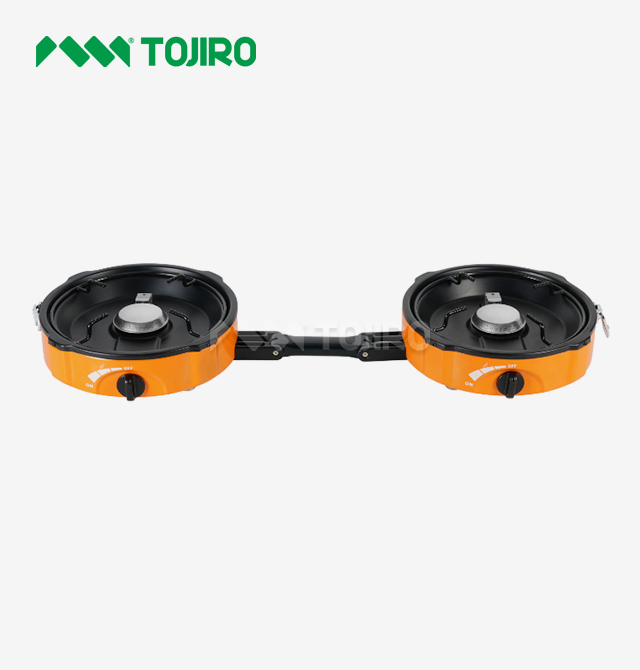
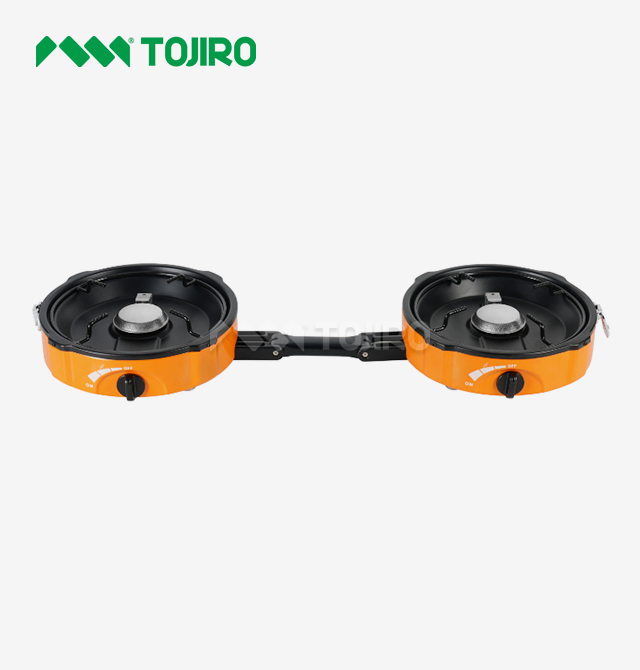
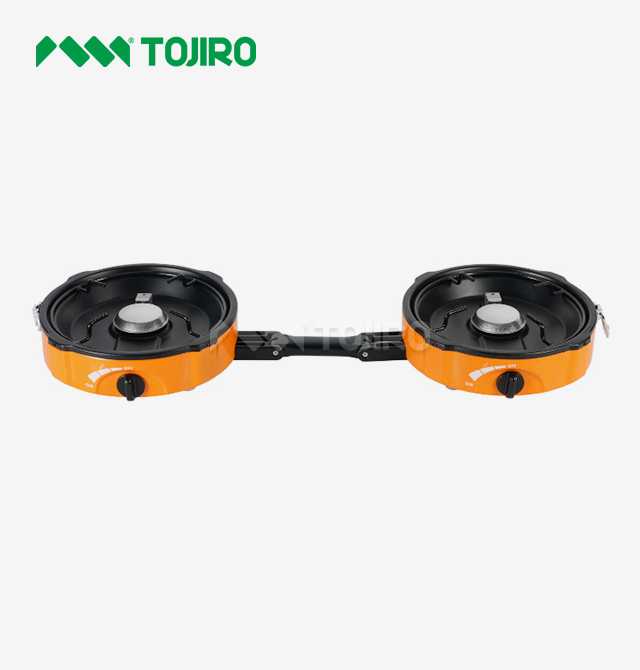
TOJIRO's Shell Stove TJR-BK39, with 2.3kW per burner and 8,000 BTU, illustrates this method. High fuel efficiency and optimal stir-frying temperatures are achieved with this power. Workers can manage the cooking process by accurately changing the flame with the built-in pressure-regulating valve.
Advantages Over Traditional Cooking Methods
Portability is ideal for hiring companies, event planners, and food trucks that provide their own food. A propane wok stove can be transported without permanent installation. This action helps when equipment is employed in locations like national park campgrounds and company vacation centers. Professional units fold to 245x210x59mm, making them easy to transport and store.
Cost-effectiveness attracts procurement managers from all industries. Propane fuel is cheaper than power in undeveloped areas. This benefits rental firms because running expenses directly affect profits. Due to its high energy density, the fuel can cook longer on a tank, reducing the need to replenish during busy times.
Propane wok stove safety has long been acknowledged. Barrel tanks should be stored in well-ventilated areas away from fire and heat. Instead of open fires, operators should use soapy water to examine links for leaks before usage. Standardised safety measures simplify training and compliance for large buyers like schools and emergency aid groups. International ISO standards-compliant equipment boosts product quality and operational reliability.
Comparing Propane Wok Stoves with Other Cooking Technologies
When procurement workers know how different fuel sources and propane wok stove designs work, they can make choices that meet their business needs and stay within their budget.
Heat Output and Temperature Control
The maximum power for most electric wok stoves is 1,500 to 1,800 watts, which is too low for stir-frying. This constraint is especially unpleasant in high-volume or business environments when many items must be made fast. At least 8,000 BTU propane wok stoves provide enough heat for caramelisation and burning. When you turn the propane flame control valve, the temperature changes immediately, allowing cooks to precisely modulate heat.
Charcoal woks are tasty yet difficult to use, making them unsuitable for many job environments. The longer startup time, uneven temperature management, and ash removal are issues rental enterprises and restaurants can't handle. Smoking and the environmental damage caused by charcoal can be an issue in regions with air quality regulations or near guest accommodations.
Induction cooking saves energy and provides precise control, but it requires specific tools and lots of electricity. Classic carbon steel woks, which cooks like for heat retention and seasoning, don't function well with the technology. Propane wok stoves are great for outdoor cooking because many locales lack the power for high-wattage induction units.
Portability and Installation Considerations
The distinction between portable and built-in propane wok stoves influences your business tools. Caterers who move from event to event, camp sites that offer varied culinary experiences, and trade show retailers can employ portable propane wok stoves. These units connect to US or European-standard propane tanks without installation. This makes them portable and quick to set up.
Camp, camping, and school outdoor kitchens can employ built-in systems. These systems fit inside tables or kitchens and use larger propane tanks to run longer without changing them. When the volume of food made requires specific equipment and the kitchen's appearance is crucial for guests, the investment makes sense.
Different technologies require different upkeep. Electric appliances don't need much cleaning, but their intricate electrical parts need skilled repair. Charcoal systems need regular ash removal and comprehensive cleaning. Propane wok stoves are an excellent compromise because they don't need to be cleaned like other burners and are easy to fix when they break. High-quality units like TOJIRO's have powder-coated surfaces that resist staining and are easy to clean, saving rental organisations money on labour costs for processing equipment between reservations.
Choosing the Right Propane Wok Stove for Your Business Needs
To choose the right tools, you have to compare a lot of technical specs for your propane wok stove to your unique working needs and purchasing factors.
Technical Specifications and Performance Features
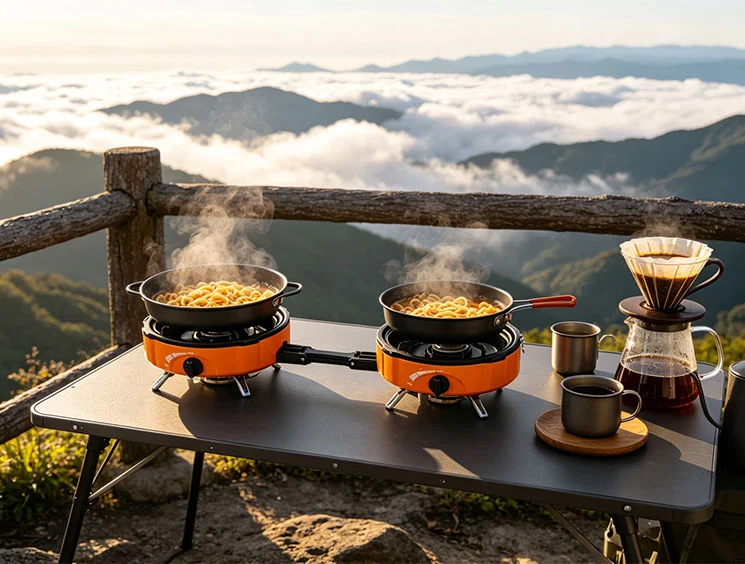
The size and shape of propane wok stove burners impact how much and how fast they cook. Single-burner units work well for demos and minor activities. Dual-burner systems allow you to prepare numerous items at once, which is useful for catering companies with tight timetables and short service windows. The range of international flexibility matters. Units that suit 10/20 cm pots allow you to use alternative cookware, saving you money as your menu changes.
Carefully review heat generation specifications. Professional propane wok stoves with 2.3kW and 8,000 BTU provide the heat strength for high-heat cooking. Lower-output models may seem like a good price, but they disappoint owners and limit menu options. Flame control distinguishes quality equipment from lesser ones. Built-in pressure adjustment valves keep the machine working even if tank pressure varies, preventing temperature variations that affect food quality and upset customers.
Wind guards keep light from going out in windy settings like coastal campers, mountain retreats, and outdoor events. The oil and water collection pan is removable and washable. It prevents grease buildup, which is harmful and unsanitary. The heavy-duty cold-rolled steel construction and powder finish can withstand moisture, temperature variations, and frequent movement in industrial outdoor application. This ensures long-term equipment use, justifying the initial investment.
Supply Chain and Procurement Considerations
Brand reputation reduces the risk of buying, especially when defective equipment ceases making money. TOJIRO Electric Appliances has made outdoor propane wok stoves at a 10,000-square-meter ISO9001:2015-certified facility since 2013. The factory's size and certification suggest it can create high-quality, regular items with a solid supply chain.
Wholesale price models affect total cost of ownership differently depending on business type. Retailers and e-commerce sites can move stock quickly with competitive per-unit prices on 1,000-unit minimum sales. They produce good retail profits. OEM and white-label partners can customise goods with logos, specs, and regional certification compliance without manufacturing infrastructure. With a 45-day production lead time, you may stock up at busy times while minimising working capital.
Certification compliance is crucial for large buyers who must follow buying rules. Getting separate certificates ensures that equipment fulfils government, school, and insurance company safety regulations. Warehouse investments are protected during shipping and handling by rigorous testing, such as packing that can survive eight-degree drops from one metre. These quality guarantees reduce warranty claims and customer service calls, hurting rental and wholesaler profitability.
Long-term customer satisfaction and business survival depend on after-sales support. TOJIRO includes a one-year warranty to demonstrate its confidence in the product and protect customers. Access to fresh parts and expert guidance extends tool life and ROI. Check for propane wok stove heads, valves and ignite systems before shopping. When parts are delayed, rental and hotel businesses lose money.
Maintaining and Troubleshooting Your Propane Wok Stove
Proactive repair practices greatly increase the useful life of the propane wok stove and make sure it works safely and efficiently throughout its entire service life.
Routine Maintenance Protocols
Regularly cleaning propane wok stove heads and gas pipes keeps them working and safe. Gas flow slows as carbon builds up from incomplete burning. Lowering heat output makes flame patterns less uniform. Remove the burner pieces and clean the ports with the correct equipment every 20–30 hours, or more often in high-traffic businesses. Powder-coated surfaces can be cleaned with water and a mild cleaner. Avoid damaging protected finishes with harsh cleansers.
Seasonal checkups catch issues before they shut down operations. Check gas line connections for fractures, wear, or loosening that could produce dangerous leaks. Pay attention to the regulator function—weird flame behaviour may indicate diaphragm deterioration. Try the lighting system and change batteries and piezo elements per the manufacturer's instructions to ensure reliability. arrangements for repairs reduce unplanned downtime that affects rental arrangements or event services.
Replacement of old parts on time prevents problems and maintains the warranty. OEM-certified parts ensure fit, performance, and safety over cheap alternatives. TOJIRO's approved distribution methods make repair components easy to receive. Fleet management situations with several units requiring frequent service benefit from this.
Common Issues and Solutions
Uneven burning, a flame that is too yellow, or sudden changes in the flame's height are all signs of an irregular flame. These signs usually mean that the propane wok stove burner port is clogged and needs to be cleaned, or that the regulator is broken and lowering the gas pressure. Isolating parts is part of systematic fixing. Testing with a known-good regulator tells you if the problem is with the fuel delivery or the burner hardware.
Failures of the spark plugs annoy workers and cause delays in service during peak times. Battery-powered ignition systems need to have their batteries replaced every so often, while piezo ignition parts can break down due to being wet or worn out. Keeping extra ignition parts on hand lets rental fleets do quick fixes in the field, which cuts down on equipment downtime.
Problems with the regulator show up as flames that don't behave consistently or temperatures that don't stay at the right level. The regulator diaphragm wears out over time, especially if it is used a lot or is exposed to high or low temperatures. Most of the time, replacement fixes these problems, bringing back proper pressure control and cooking performance. Rental businesses should set repair rounds based on hours used instead of waiting for something to break. This way, guests will always have the same experience.
Best Practices and Cooking Techniques for High-Heat Stir-Frying
Learning how to use a propane wok stove turns useful tools into a competitive edge for food service businesses.
Heat Management Fundamentals
Changing heat strength for each item improves results and avoids mistakes. Delicate vegetables need mild heat to maintain their structure and colour, whereas meats need high temps to sear. These differences in approach are conceivable because good pressure controlling valves allow measured heat adjustment. Users should heat the pan before adding ingredients. A properly heated surface prevents sticking and cooks food quickly without compromising nutrients or texture.
Propane wok stove frying maintenance influences meal quality and tool life. Carbon steel woks naturally non-stick by polymerising oil at high temperatures. To maintain this seasoning, avoid harsh cleansers and scrubbing, which can damage protective layers. To prevent rusting during storage, rinse, dry, and gently oil woks between usage.
Operational Setup and Safety Procedures
Step-by-step commencement ensures safety and consistency. Before opening the gas supply valve, operators should tighten all connections. This initial option should disable the hob control. The tank valve has an emergency stop and proper flow when completely opened and turned back quarter-turn. Workers should start the engine following the manufacturer's ignition system instructions after checking the system's functionality.
Commercial safety-regulated operations must have documented training and repeat classes. The workers must know how to handle cylinders, locate leaks, and shut down in an emergency. Fire control gear for Class B fires caused by combustible liquids and gases should be easy to find. In hospitality and event management, defined zones between cooking areas and guest spaces reduce accidents and legal hazards.
Business kitchen workflow efficiency includes cooking stations, food preparation, and finishing facilities. Moving propane wok cookers allow cooking plans to adapt to changing food needs or service numbers. One person can serve numerous dishes at once with dual-burner systems, speeding up service during busy periods. Catering firms benefit most from this speed because each employee must complete the most tasks quickly.
Conclusion
Outdoor high-heat stir-frying requires specific instruments with strong, regulated heat. Propane wok stoves are best for rental businesses, camp sites, institutional meal service, and retail distribution due to their mobility, power output, and cost. Flame power, build quality, and added features affect cooking performance and durability. The TOJIRO Shell Stove TJR-BK39 is professionally engineered. Strong cold-rolled steel, 8,000 BTUs, and careful Japanese manufacturing. Knowing what care is needed and how to utilise tools effectively can maximise your investment and ensure safety. Whether you're buying for retail outlets, a company park or OEM manufacturing collaborations, choosing the best propane wok stove is the first step to superb outdoor cooking.
FAQ
1. How many BTUs do you need to cook in a wok the right way?
For real high-heat stir-frying, you need propane wok stoves that put out at least 8,000 BTU. This level of heat intensity makes it possible for the food to quickly cook and cool down, which is needed for the "wok hei" taste to form properly. Lower-output burners with 5,000 to 7,000 BTU are good for general cooking outside, but they can't make stir-fry as good as a restaurant. Professional businesses should focus on units that produce 8,000 BTU or more.
2. How does the amount of gas used change during normal operation?
When it works at full power, an 8,000-BTU propane wok stove uses about 0.09 gallons of propane every hour. A standard 20-pound propane tank holds about 4.7 gallons of gas, which is enough to cook for more than 50 hours at full power. Actual usage depends on how high the flame is set. Cooking over mild heat greatly extends the appliance's useful life. Rental companies should plan when to refuel based on how much and how long the vehicles will be used.
3. Can gas wok burners work at high elevations?
Propane wok stoves work well at different elevations, but their performance changes as the air pressure changes. These differences are taken into account by high-altitude propane tanks made for the European market. US-standard propane tanks work fine without any changes up to a level of about 8,000 feet. Above this point, efficiency may be improved by adjusting the governor or adding special parts. When buying tools, institutions that serve mountain sites should be clear about the altitude needs.
Partner with TOJIRO for Professional Propane Wok Stove Solutions
TOJIRO Electric Appliances, a trusted propane wok stove manufacturer, has been making outdoor propane wok stoves for more than ten years and combines traditional Japanese craftsmanship with modern engineering standards. Our Shell Stove TJR-BK39 follows strict ISO9001:2015 quality management rules, which means it always works well in difficult business settings. Our 45-day production cycle makes it easy to plan your inventory, and our 1,000-unit minimum order lets stores, wholesalers, and OEM partners get competitive market prices. We can customize a lot of things for you, like making sure they meet regional approval standards, designing branded packages, and changing specifications to fit the needs of your market. As a reliable company that makes propane wok stoves, we offer a one-year guarantee and expert help for as long as your equipment lasts. You can email our buying team at [email protected] to talk about your unique needs, get full specs, or set up a free evaluation. Visit qstojiro.com to see all of our products and learn more about how TOJIRO can help you with your outdoor cooking needs.
References
1. Chen, L. & Wang, H. (2021). "Thermal Efficiency Analysis of Outdoor Cooking Systems: Comparative Study of Fuel Technologies." Journal of Hospitality Equipment Research, 34(2), 156-173.
2. Morrison, D. (2020). "Commercial Outdoor Kitchen Equipment Selection and Maintenance." National Restaurant Association Educational Foundation Press.
3. Thompson, R. & Anderson, K. (2022). "Propane Safety Protocols for Institutional Food Service Operations." American Gas Association Technical Manual Series.
4. Yamamoto, S. (2019). "Traditional Wok Cooking Techniques: Heat Management and Equipment Requirements." Culinary Institute of Asia Publications.
5. United States Department of Agriculture. (2023). "Safety Guidelines for Outdoor Food Preparation Equipment in Recreational Facilities." USDA Food Safety Publication Series.
6. Zhang, M., Liu, P., & Roberts, J. (2021). "Economic Analysis of Fuel Options for Mobile Catering Operations." International Journal of Food Service Management, 18(4), 289-305.

USER EVALUATE
Here is the customer's evaluation of us
_1763619738116.webp)
_1763607791883.webp)