


OEM Inset Butane Stove Manufacturing for Custom Projects
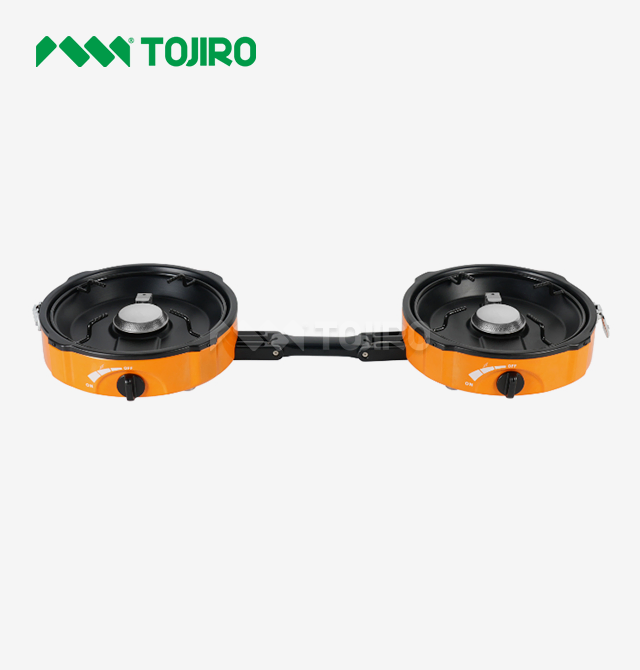
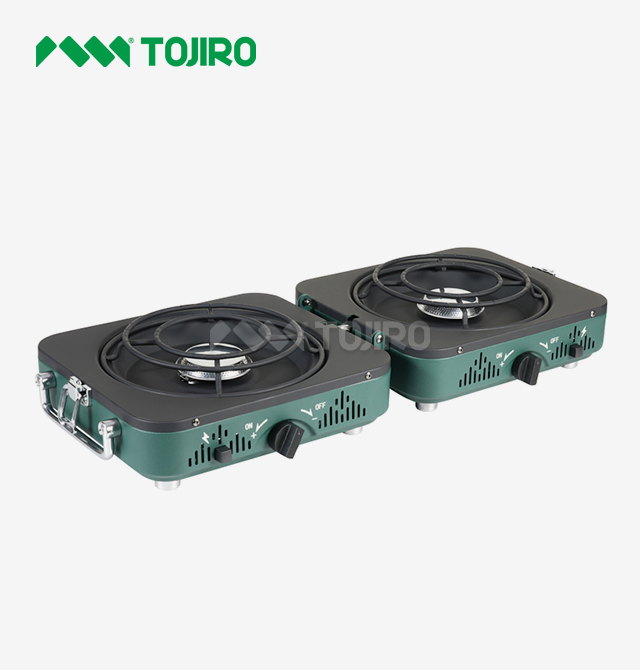
The inset cooking pan butane stove is a unique piece of movable cooking equipment that is great for business use because it combines integrated design with fuel efficiency. Businesses can make these small heating systems exactly how they need them to work, whether they're for outdoor dining, rental companies, or branded retail lines thanks to OEM manufacturing. This unique way of making things gives you precise control over everything from the burner settings to the safety features, making sure that every unit meets your brand's standards and meets customer expectations.
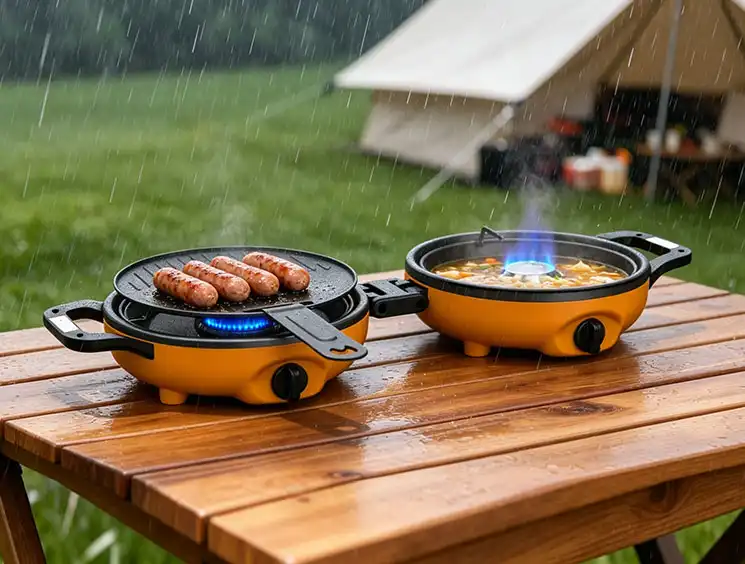
Understanding OEM Inset Butane Stove Manufacturing
What Makes Inset Butane Stoves Unique in Commercial Applications?
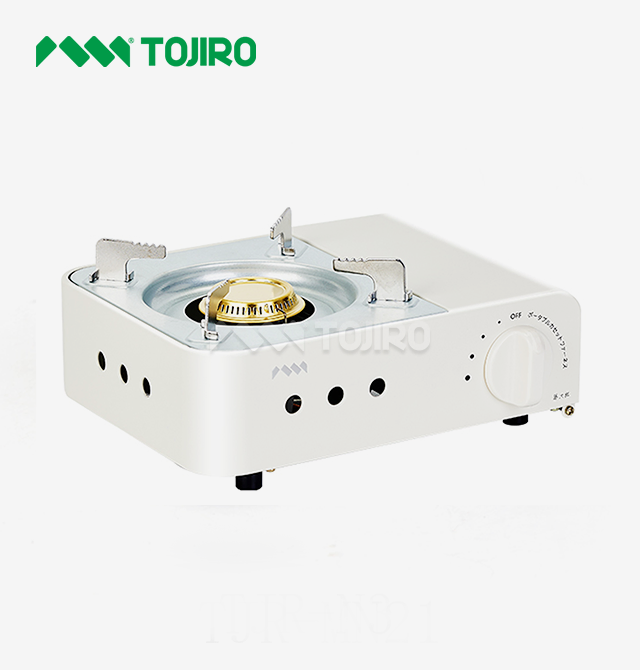
Inset cooking pan butane stoves feature an integrated design where the cooking surface is built directly into the unit, forming a complete system. This reduces setup complexity, improves portability, and enhances stability during repeated deployments. For rental and mobile food service operations, the all-in-one structure simplifies inventory management and minimizes lost components. Each unit functions as a self-contained cooking station, reducing accessory requirements and accelerating turnaround between uses, improving operational efficiency and lowering handling costs.
Strategic Advantages of OEM Customization for Your Brand
OEM customization enables differentiation beyond standard products. Material selection, burner configuration, and branding elements can be tailored to match target markets. Dual-burner systems offering open flame and infrared options provide flexibility for varied cooking needs. Pressure-regulating valves ensure consistent performance across environments, enhancing reliability. Customization strengthens brand identity by embedding performance into product experience, allowing businesses to deliver consistent quality while aligning features with specific operational or customer requirements.
Key Manufacturing Considerations for Procurement Professionals
Material durability, certification compliance, and ignition reliability are critical procurement factors when selecting an inset cooking pan butane stove. Powder-coated cold-rolled steel resists corrosion and withstands handling stress, validated through multi-angle drop testing. ISO9001:2015 certification ensures consistent production quality, while flexible compliance options support global market entry. Advanced ignition systems improve usability for inexperienced users. Manufacturers capable of adapting to regional fuel standards and providing reliable construction offer procurement teams confidence in both product performance and long-term supply consistency.
Core Challenges and Solutions in Manufacturing Inset Butane Stoves
Technical Obstacles in Butane Stove Performance
Manufacturers face challenges such as uneven heat distribution, material degradation, and inefficient gas flow. Poor design can create hot and cold spots, affecting cooking quality. Frequent use in rental scenarios accelerates wear from heat, moisture, and cleaning chemicals. Suboptimal burner machining leads to incomplete combustion, reducing efficiency by up to 20%. Addressing these issues requires precise engineering, durable materials, and optimized burner designs to ensure consistent performance and user satisfaction.
OEM Solutions Through Engineering Excellence
Advanced engineering resolves performance challenges through optimized burner systems and material improvements. Dual-burner configurations combining open flame and infrared heating enhance versatility and efficiency. Cold-rolled steel with protective coatings extends lifespan beyond five years under heavy use. Precision-machined burner heads improve air-fuel mixing, reducing fuel consumption by approximately 12%. These innovations lower operational costs and improve reliability, making them valuable for procurement decisions focused on long-term performance and total cost of ownership.
How to Choose and Source the Best OEM Inset Butane Stove for Your Business Needs?
Aligning Product Specifications with Use Case Requirements
Different applications require tailored specifications. Mobile food services prioritize rapid heating and fuel efficiency, while hospitality environments emphasize ease of use and aesthetics. Compact folded dimensions support convenient storage without compromising functionality. Rental operations require durable designs capable of repeated handling. Balancing performance, usability, and durability ensures that selected equipment aligns with operational needs, improving service efficiency and customer satisfaction across diverse commercial scenarios.
Critical Evaluation Metrics for Manufacturer Selection
Evaluating manufacturers involves assessing quality systems, production capacity, customization flexibility, and lead times. ISO certification indicates process discipline, but scalability and consistency must also be verified. Facilities capable of high-volume output ensure supply reliability. Customization capabilities enable adaptation to regional standards and branding needs. Lead times affect inventory planning, while after-sales support reduces operational risk. Comprehensive evaluation ensures long-term supplier reliability and alignment with business objectives.
OEM Versus Off-the-Shelf: Strategic Value Analysis
Off-the-shelf products offer quick availability but limited differentiation. OEM solutions enable customization, creating unique product identities and competitive advantages. While unit costs may increase by 12–18% for large orders, the value of brand differentiation and customer recognition often outweighs the added expense. Customized equipment strengthens market positioning and supports long-term growth. Strategic OEM partnerships also enable continuous product improvement based on real-world feedback and evolving market demands.
Innovative Trends and Future Outlook in Inset Butane Stove Manufacturing
Current Manufacturing Limitations and Market Gaps
Even though products have evolved significantly over the years, ignition reliability for an inset cooking pan butane stove is still not uniform across the industry. In theory, piezo lighting systems are convenient, but in practice, many of them have problems with being sensitive to wetness and parts breaking down, which makes users unhappy. We've spent money on protected ignition systems that keep working even after being exposed to rain or humidity. This may seem like a small thing, but it makes the user experience much better.
There are always ways to make fuel usage economy better. Traditional burner designs lose a lot of energy because they don't burn everything all the way through and let heat escape. Even though precision engineering has helped us a lot, we can still make things better by using more advanced materials and computational fluid dynamics modeling during the planning step.
Emerging Technologies Reshaping Product Development
Smart flame control systems are the next big thing in compact cooking gear. By combining computer controls, precise temperature control is possible instead of just controlling the flow of gas on and off. These systems are more complicated and expensive, but they are appealing to high-end markets and unique uses that need stable cooking temperatures.
It might seem like too much IoT connection for portable cooking tools, but tracking features are useful in some business situations. Rental fleet management gets smarter when equipment tells how many hours it's been used, which makes it easier to plan ahead for repair. Large-scale event planners like being able to keep an eye on multiple food areas from afar, making sure that service is delivered consistently in all of these different places.
Sustainable materials are in line with the fact that business buyers and end customers are becoming more environmentally aware. We're looking into bio-based coatings as alternatives to regular powder coating systems and specifications for recycled steel that meet performance standards and have less of an effect on the earth. These projects are in response to business sustainability requirements that are having a bigger impact on purchasing choices.
Transformative OEM Projects and Innovation Roadmap
The modular burner systems we've made for specific clients show that they could be used for OEM manufacturing. With interchangeable burner heads, a single inset cooking pan butane stove platform can be used for a variety of cooking tasks. This makes inventory management easier for businesses that serve a wide range of customers. This method came about when we worked together with a rental company that wanted to simplify the equipment they had available while still letting chefs use a variety of tools.
Patented burner designs made possible by our ODM services give forward-thinking brands a competitive edge. Even though the amount of money spent on development is higher than usual for OEM deals, companies that want to lead the market can explain the commitment because it leads to better performance and better defense of intellectual property.
Practical Maintenance and Safety Tips for OEM Inset Butane Stoves
Safe Operation and Hazard Prevention
Installing the tank correctly is the first step in stopping gas leaks. The mechanism that attaches the fuel cartridge should fully contact and be confirmed audibly. If it doesn't, gas can escape, which can start a fire and lose fuel. Our stove has a unique two-stage overpressure safety cutoff device that stops gas flow instantly if pressure goes over safe limits. This keeps people from having accidents.
Controlling a flame requires paying attention to the elements around it. Wind has a big effect on open flame burners, which could lead to flame-out or poor burning. Even though the inset cooking pan butane stove design helps protect against wind, workers should still put equipment where it will be protected when they can. The infrared burner choice is better at withstanding wind, so it's better for outdoor areas that get a lot of it.
Ventilation is important for all tools, even outdoor gear. When an inset cooking pan butane stove burns butane, oxygen is used up and carbon dioxide and water vapor are released. Never use these stoves in tents or cars, because carbon monoxide buildup is very dangerous to health. This warning must be clearly stated in user guides to ensure safe operation and prevent harm.
Cleaning Protocols for Extended Equipment Lifespan
The powder-coated surface needs to be cleaned in a way that doesn't damage the protected finish. Abrasive cleaners or metal scrubbing tools that are too rough damage the coating, leaving the steel underneath vulnerable to rust. For everyday cleaning, we suggest using warm water and light soap on soft cloths or sponges that don't scratch.
The built-in water pan makes cleanup easier, but it needs to be dried completely after washing. Moisture that gets stuck in cracks speeds up rusting, no matter how good the layer is. Commercial workers should set rules for cleaning equipment before putting it away, especially for equipment that doesn't get used very often and can keep water in it without being noticed.
As part of burner head upkeep, the carbon buildup or debris that is blocking the gas ports must be checked from time to time. A soft brush can get rid of built-up dust without hurting areas that have been carefully machined. This easy care keeps the burner working well for longer and stops the flames from spreading unevenly, which can hurt the cooking process.
Troubleshooting Common Operational Issues
Weak or uneven flames are usually a sign that the gas flow is being slowed down. Make sure the fuel canister has enough fuel in it. As canisters get close to empty, the pressure inside drops, which weakens the flame. Fuel mixes that contain propane and butane work differently at different temperatures. For example, pure butane has trouble flowing below freezing. These changes in efficiency at different temperatures are taken into account by the mixed fuels we recommend for each market.
Moisture or dirt can mess up an ignition system and cause it to fail. The piezo igniting device uses mechanical action to make sparks, and dirt or dust gets in the way of this. Keeping the parts of the spark clean and dry keeps them working well. If the problems don't go away after cleaning, our service network can get you a new starting unit.
Knowing when to get help from the maker saves your equipment investments and keeps you safe. Strange gas smells, changes in flame color that mean the fire isn't fully burning, or damage to the structure should all be checked out by a professional. Our expert support team helps you figure out what's wrong, and the one-year guarantee covers any problems with the way the product was made that affect its safety or performance.
Conclusion
Making OEM inset cooking pan butane stove units has strategic benefits that go far beyond just getting the product. Businesses can perfectly match the specs of their tools to their needs while also building their brand through unique features and quality positioning thanks to the ability to customize. OEM relationships give you the freedom and production know-how to make your vision come true, whether you run rental fleets that need to be very durable, hospitality businesses that need products that look good, or retail channels that want to sell branded goods. The 45-day production cycle strikes a good mix between speed and the complexity of custom fabrication. ISO-certified quality methods make sure that performance is the same across all production runs. As smart controls and eco-friendly materials make portable cooking technology better, having OEM relationships in place puts your business ahead of rivals who are stuck making stock products.
FAQ
1. What minimum order quantities are typical for OEM inset cooking pan butane stove manufacturing?
Our minimum order number is 1000 units, which is the lowest amount that can be made customarily without going over budget. This amount lets you make real changes to things like the style of the packaging, the specs of the parts, and the gas standard differences, all while keeping the unit prices low. For smaller amounts, you need to choose regular products that don't come with many branding choices for an inset cooking pan butane stove.
2. How do lead times compare between OEM and standard product orders?
Standard sales of goods are sent out within 7–10 business days of being stocked. OEM manufacturing takes 45 days from the time an order is confirmed until it is delivered. This includes getting special parts, doing production runs, and checking the quality of the work. This schedule helps seasonal companies plan their inventory for busy times while also making sure that custom specs are met.
3. Which safety certifications can be obtained for different export markets?
As a base, our production facility has ISO9001:2015 approval. We can get more certifications, such as CE marking for European markets, UL listing for sale in the US, and other regional safety standards if your market plan calls for it. Certification methods usually add 60 to 90 days to the time it takes to place an original order, but they speed up production runs after that.
Partner with TOJIRO for Your Custom Inset Cooking Pan Butane Stove Manufacturing Needs
TOJIRO blends traditional Japanese craftsmanship with modern production skills to provide OEM solutions that help your brand stand out. Our 10,000-square-meter ISO-certified factory makes high-quality cooking equipment that is trusted by stores, rental companies, and leisure businesses around the world. We offer a lot of customization options, such as dual burner setups and gas standards that are special to each market. This means that the features of your inset cooking pan butane stove will exactly match what your target customers want. We offer cheap minimum order amounts starting at 1000 units, production cycles of 45 days, and full one-year warranties. These factors ensure the supply chain stability and after-sales support that businesses need to succeed. Contact us at [email protected] to talk about your project needs with a maker of inset cooking pan butane stoves who is dedicated to giving you the best value for your unique needs.
References
1. Chen, W., & Yamamoto, K. (2021). Portable Fuel Systems: Engineering and Safety Standards in Outdoor Cooking Equipment. Industrial Press.
2. Morrison, T. (2020). OEM Manufacturing Strategies for Outdoor Recreation Products. Cambridge Business Publishers.
3. International Organization for Standardization. (2022). Quality Management Systems for Consumer Appliance Manufacturing. ISO Standards Publication.
4. Peterson, R., & Liu, J. (2023). Material Science Applications in Portable Cooking Technology. Journal of Applied Engineering, 45(3), 287-304.
5. Watanabe, H. (2019). Butane Fuel Efficiency and Combustion Optimization in Compact Burner Design. Energy Systems Research Quarterly, 12(2), 156-173.
6. Anderson, M., & Zhang, L. (2022). B2B Procurement Practices in Outdoor Hospitality Equipment Supply Chains. Global Business Review, 38(4), 412-429.

USER EVALUATE
Here is the customer's evaluation of us