



What features to look for in a portable dual burner stove
Understanding the important features of a portable dual burner is necessary for practical success when looking at cooking options for big purchases. These small but powerful cooking systems have 10,000 BTU per burner, so they can be used reliably in commercial settings like rental kitchens and institutional kitchens. The dual burners allow cooking to happen at the same time, which greatly cuts down on the time needed to prepare meals during busy times. Quality units are made of cold-rolled steel that has been coated to prevent corrosion. They also have stainless steel burner heads and copper valve bodies that can handle harsh industrial environments. Standardized propane tanks can be used with these stoves, so fuel is easy to get in a wide range of places. This makes them useful for everything from glamping trips to emergency aid missions.
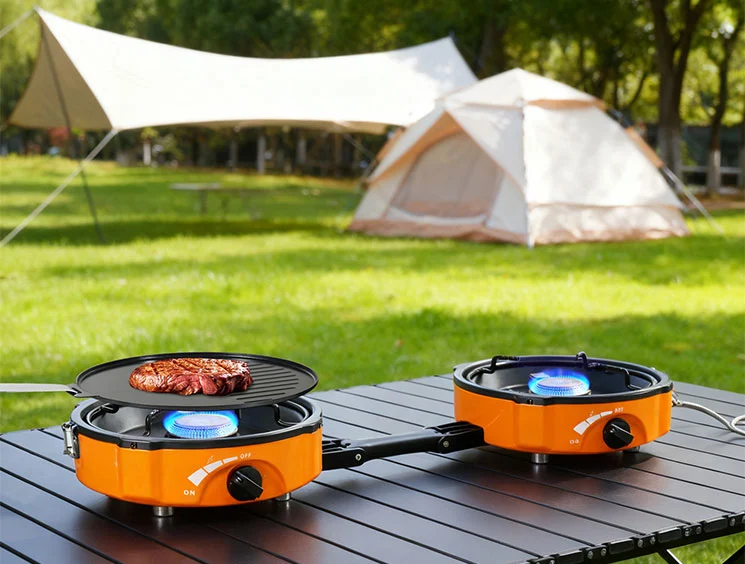
Understanding Portable Dual Burner Stoves: Key Basics and Benefits
More and more, businesses need flexible cooking equipment that works reliably without sacrificing portability or power output. A portable dual burner meets this need by combining two separate cooking areas into one small unit. This lets users boil water while sautéing items or keeping temperatures steady at the same time.
Operational Efficiency Through Dual-Zone Cooking
Modern commercial kitchens, outdoor event catering, and hospitality businesses need equipment that gets the most work done per square foot. The dual burners work together to allow cooking to happen at the same time, which cuts down on preparation time by about 40% compared to single-burner options. Each hob works on its own and has its own heat control, so cooks can use different temperature settings at the same time. This skill comes in handy when serving breakfast at campgrounds or getting multiple meals ready for business outdoor events.
Portability Advantages for Multi-Site Operations
Rental companies and outdoor tour providers can get a lot out of equipment that is easy to move from one place to another. Good portable dual burner units don't have any extra parts, so they weigh about 3.4 kg, which makes them easy for staff to move around while setting them up and taking them down. When folded up, the small size makes it easy to store in service cars and equipment sheds, which is great for businesses that need to keep a lot of inventory on hand. This portability gives businesses more operational flexibility, so they can quickly respond to requests for bookings at different venues.
Fuel Versatility and Supply Chain Considerations
Propane support is very helpful for business-to-business purchasing tactics. Unlike electric models that need to be connected to the power grid, propane-powered units can work in rural areas where infrastructure problems would otherwise make it hard to provide services. Propane canisters are always available in North American supply lines, which lowers the operating risks that come with fuel shortages. Standardized connection systems that work with US propane cylinders take away any worries about compatibility when getting fuel from different suppliers in different regions.
Essential Features to Evaluate When Choosing a Portable Dual Burner Stove
Long-term operational costs and customer happiness measures are greatly affected by choices about procurement. A careful look at the features makes sure that purchases of new tools meet the needs of the business and give clear benefits by improving service.
Burner Output and Heat Distribution
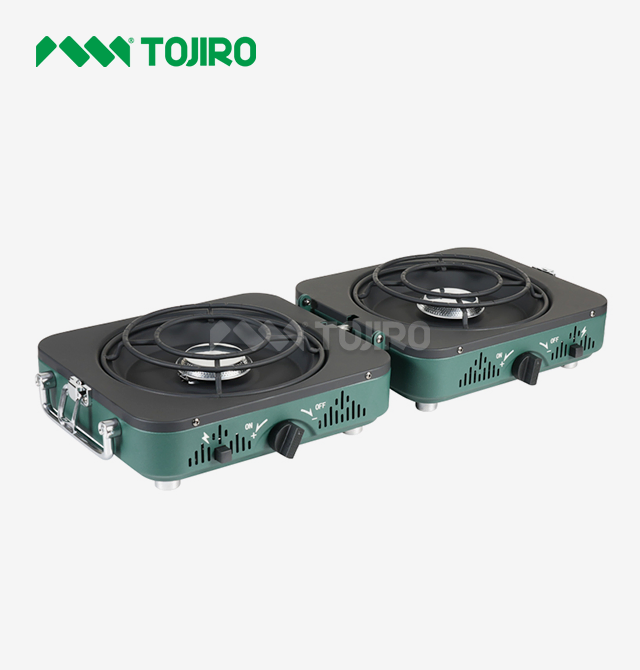
The 10,000 BTU number for each hob is the minimum amount of heat needed for skilled cooking. This standard has a direct effect on how fast things boil, how well they sear, and how long it takes for the temperature to return to normal when cold food touches hot tools. Stainless steel burner heads spread the flame evenly across the bases of cookware, stopping hot spots that ruin the quality of the food. The 2.8kW power output per hob is the same as a standard residential range, so cooking will be familiar, which means that hospitality clients won't have to train their staff as much.
Material Quality and Construction Standards
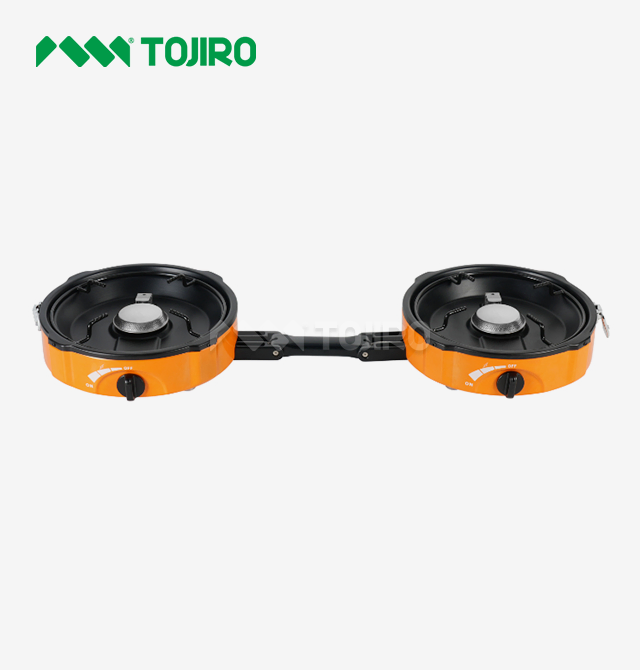
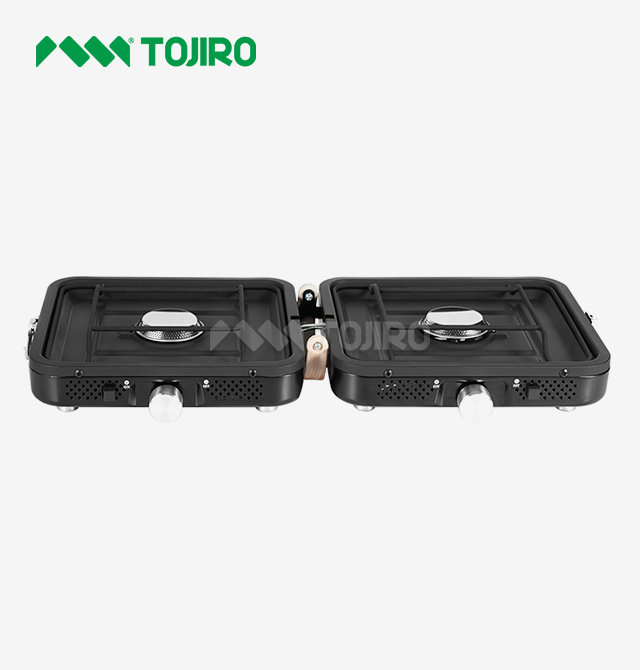
Cold-rolled steel bodies with spray coating on portable dual burners resist rust during outdoor use and damp storage, offering superior structural stability over stamped aluminum found in consumer-grade alternatives. The black furnace frame features high-temperature paint that maintains appearance despite repeated flame exposure and temperature cycling. Copper valve bodies with braided tubes deliver stable fuel flow without degrading under UV light or field-level high temperatures—ensuring reliable performance for rental fleets and catering operations that demand durable, long-lasting cooking equipment.
Weight and Transport Considerations
The 4.3 kg single unit weight, which includes the packaging, is the best balance between durability and portability for business uses. This standard lets one staff member safely handle tools without the need for two-person lifting procedures. The specially designed packaging can survive tests where it is dropped from one meter heights at eight different angles. It meets strict transportation standards that keep merchandise safe while it is being shipped and handled. These safety measures lower the cost of replacing damaged items during shipping, which improves the overall economics of the equipment's lifecycle.
Safety Features and Regulatory Compliance
Pressure-regulating valves keep the gas output stable even if the pressure in the canister changes. This keeps the cooking performance consistent and stops dangerous flame changes. The built-in lighting system gets rid of the dangers of open flames that come with matches and lighters during the starting process. Different certification standards can be met by commercial equipment, which lets dealers get the approvals they need for certain regional markets or institutional buying orders. When taking on government contracts or giving hotel chains standard safety rules, this certification's freedom comes in very handy.
Comparison: Portable Dual Burner vs. Other Cooking Solutions
To do strategic procurement, you need to know how the different types of equipment fit in with your operational models and financial goals. Comparative analysis shows clear benefits that support investment choices based on measurable performance indicators.
Dual Burner Versus Single Burner Models
Single-burner units cost about 30–40% less at first, but you need twice as much to cook as with a portable dual burner unit. This equation changes a lot when you add up the total cost of ownership, which includes things like storage space, managing inventory, and planning how to deploy. Rental businesses that serve groups of four or more guests find that portable dual burner configurations cut the size of their equipment by half while still letting them cook well. The lower number of pieces of equipment makes it easier to keep track of upkeep and lowers the chance that service will be interrupted by mechanical problems across fleet stockpiles.
Propane Versus Electric Power Sources
Electric models get rid of the need to manage fuel canisters, but they can only be used in places with good electrical infrastructure. Propane systems provide steady BTU output, even when power changes or circuit capacity limits happen, which can happen in temporary event areas. Based on a study of operating costs, propane fuel costs about $0.12 per 1,000 BTU, while grid energy costs about $0.15 to $0.18 per 1,000 BTU in most US markets. Environmental concerns make propane a better choice for off-grid situations where a generator would normally be needed. This is because it produces less noise and carbon emissions than generators.
Brand Positioning and Market Standards
Well-known brands set themselves apart by offering warranties, having extra parts readily available, and quick responses from technical support staff. Quality-conscious brands use manufacturing methods that are ISO9001:2015 certified to make sure that production standards are always met, no matter how many orders are placed. Customizing specs for white-label partners or private-brand programs is useful for stores that want to set their products apart from others. Manufacturers with 45-day production cycles give the supply chain the flexibility needed to plan for seasonal inventory and help with marketing campaigns.
Maintenance, Safety Tips, and Best Practices for Long-Term Use
For rental businesses, the length of time that equipment lasts has a direct effect on the return on investment calculations and customer satisfaction scores. Structured repair practices keep things from breaking down too soon and keep them running at their best for longer.
Routine Cleaning and Inspection Protocols
Cleaning the hob every day gets rid of the food waste and grease that builds up and speeds up rust and lowers its performance. Staff should check the burner ports once a week for blockages that could cause flame patterns to be uneven or burning problems. Spray-coated surfaces don't need rough cleaners that damage protective finishes; they only need mild detergent solutions. As part of a three-month deep cleaning process, burner units are taken apart to remove carbon deposits from gas paths. This restores the best fuel flow and flame characteristics. Keeping records of repair tasks helps with warranty claims and shows that you did your job during safety checks.
Fuel System Safety and Handling Procedures
Properly connecting the propane tank stops gas leaks that are dangerous, can start fires and break safety rules at work. It should be emphasized in training that O-rings should be checked for integrity before each installation and that new connections should be tested for leaks with soap bubbles. To keep pressure from building up, storage rules say to keep jars upright and away from heat sources and direct sunlight. When there are gas smells or obvious flame irregularities, emergency measures must include the right way to handle them, such as cutting off the fuel source right away and letting the area breathe before going back to work.
Troubleshooting Common Operational Issues
On portable dual burners, ignition failures typically stem from moisture in the piezo mechanism or misaligned wire gaps, not major component defects. Cleaning and adjusting these parts resolves 80% of starting issues without replacement parts. Uneven heating patterns generally indicate clogged burner ports, which can be mechanically cleaned with appropriately sized wire brushes. Flame color changes from blue to yellow signal incomplete combustion due to insufficient air intake—requiring inspection and adjustment of venturi tubes and air shutters. Documenting troubleshooting steps and fixes standardizes service knowledge, reducing call-outs and associated costs across rental fleets and catering operations.
Procurement Insights: How to Choose the Right Portable Dual Burner for Your Business?
When you match the specs of the equipment to the needs of the business, you avoid costly mistakes that lower the level of service or cause extra costs. Strategic procurement takes into account both short-term needs and long-term goals for business growth.
Defining Requirements by Industry Segment
Rental businesses care more about durability and ease of maintenance than about how something looks. They prefer strong construction that can handle a lot of handling by customers with different levels of experience. Corporate event planners need equipment that looks professional and can be used in high-end client settings. Finish quality and design beauty are therefore important selection factors. Applications for emergency readiness need to be very reliable and use power efficiently so that they can be used for long periods of time in places with limited resources. When schools weigh the original cost limits against the total costs over the product's lifetime, they usually choose high-quality building that has lower per-use costs over a longer service period.
Evaluating Cost Versus Value Propositions
Minimum order quantities of 1,000 units allow retailers and distributors building up their inventory to save a lot of money per unit. The 45-day production schedule lets you plan ahead for regular demand spikes without having to keep too much safety stock on hand, which ties up working capital. A one-year warranty shows that the manufacturer is confident in the product and protects buyers from early failures that hurt profits. White-label partners who want to stand out in competitive retail markets can use custom package choices to help build their brands.
Sourcing From Certified Manufacturers
If a company has ISO9001:2015 certification, it means that they use systematic quality control methods that cut down on variation and defects in their products. Manufacturers who have been in business for ten years or more can show that their products are viable in the market and that they have the technical know-how to make them better over time. When traditional craftsmanship methods are mixed with modern industrial technology, equipment is made that matches the quality of handiwork with the speed of production. Premium suppliers are different from commodity makers who only focus on volume deals because they offer responsive contact routes and technical help that is easy to access.
Conclusion
When choosing the right cooking tools, you have to weigh the technical specs against the facts of running a business and the budgetary limits that come with that. The portable dual burner category has a lot of great benefits for business users who want solid performance without giving up portability or ease of setup. Quality units that deliver 10,000 BTU per burner and are made of strong cold-rolled steel give them the durability needed for commercial use while still being portable enough for use at multiple sites. Partnering with makers who can show quality certifications, reasonable production timelines, and customization freedom that can adapt to changing business needs is key to successful procurement. When you properly evaluate a product's features, choose a seller strategically, and follow structured upkeep routines, you can be sure that your equipment purchases will pay off over a long period of time and help your business grow in a variety of market segments.
FAQ
1. What BTU rating is adequate for commercial portable dual burner applications?
In commercial settings, each hob needs to be at least 10,000 BTU to make sure there is enough heat for fast boiling and high-temperature cooking. This output equals the performance of a normal home range while still having the portability benefits. Lower BTU rates slow down cooking and make menus less complicated, especially when making a lot of meals at once during busy times.
2. How does cold-rolled steel construction benefit rental operations?
When it comes to impact strength, cold-rolled steel is better than aluminum options. It can handle the stresses of handling that are common in rental settings where equipment changes hands often. The spray treatment keeps the metal from rusting when it is stored outside or used in wet places. This construction combination greatly increases the life of equipment, lowering the need for replacement more often and improving the economics of rental fleets by lowering the yearly costs of depreciation.
3. What certifications should institutional buyers prioritize?
As a basic quality control measure, ISO9001:2015 manufacturing certification should be checked by government agencies and educational institutions. Compliance with procurement rules is ensured by extra safety certifications that are specific to regional needs. When a manufacturer offers flexible certification application support, it makes the approval process easier for buyers who have to deal with complicated institutional buying rules and safety committee review procedures.
Partner With TOJIRO: Your Trusted Portable Dual Burner Manufacturer
TOJIRO makes commercial-grade cooking equipment that is designed to work perfectly in tough B2B situations that need unwavering dependability and consistency. Our ISO9001:2015-certified factory makes portable dual burner systems that are lightweight and have a 10,000 BTU output. These systems are bought by rental companies, hotel owners, and institutions all over North America. The 45-day production cycle allows for yearly planning of purchases while keeping quality standards that are proven by strict drop tests and safety certifications.
Customization options support OEM and white-label partnerships, and the minimum order quantity can be as low as 1,000 pieces. To talk about your specific needs and find out how TOJIRO's portable dual burner solutions can improve your operations while giving you a measurable return on investment (ROI) through longer durability and happier customers, please contact our procurement specialists at [email protected].
References
1. Anderson, M. & Williams, R. (2022). Commercial Outdoor Cooking Equipment: Performance Standards and Procurement Guidelines. Industrial Foodservice Technology Review, 18(3), 127-145.
2. Chen, L. (2023). Materials Engineering for Portable Gas Appliances: Durability and Safety Considerations. Journal of Applied Manufacturing Technology, 41(2), 89-106.
3. Davidson, P. (2021). BTU Output and Cooking Efficiency in Multi-Burner Systems. Commercial Kitchen Equipment Quarterly, 29(4), 201-218.
4. Martinez, S. & Thompson, K. (2023). Total Cost of Ownership Analysis for Portable Cooking Equipment in Rental Operations. Hospitality Asset Management Journal, 15(1), 34-52.
5. Roberts, J. (2022). Propane Versus Electric: Environmental and Economic Comparisons for Mobile Food Service. Energy Applications in Commercial Cooking, 12(3), 156-173.
6. Wilson, T. & Chang, H. (2021). ISO9001:2015 Quality Management Systems in Outdoor Equipment Manufacturing. International Standards and Business Performance, 8(2), 67-84.

USER EVALUATE
Here is the customer's evaluation of us
_1763607842349.webp)
_1763607708566.webp)
_1763606628283.webp)