


Why You Need The Mobile Stove Top in Your Life
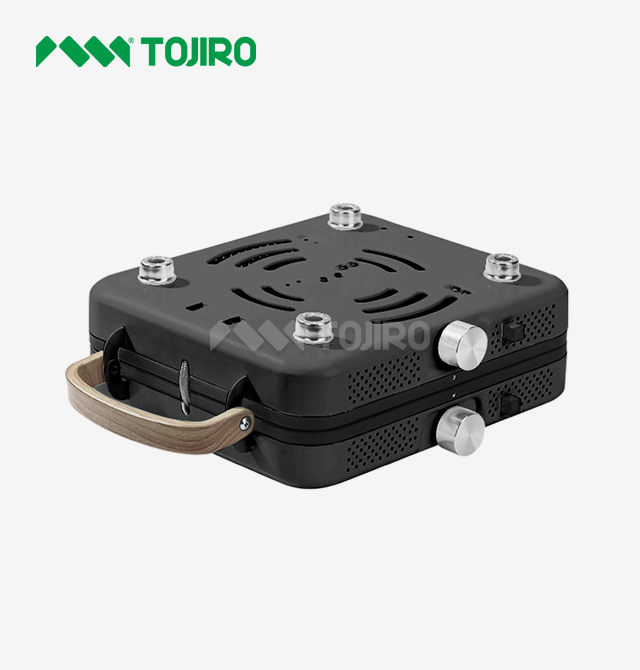
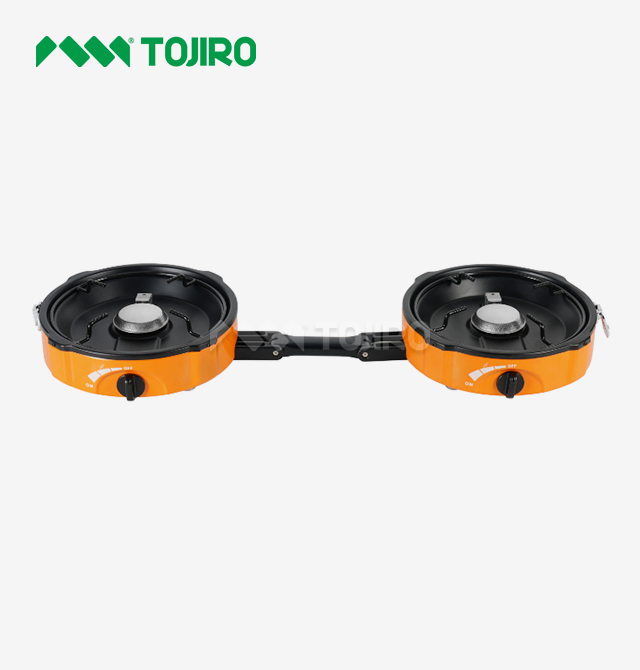
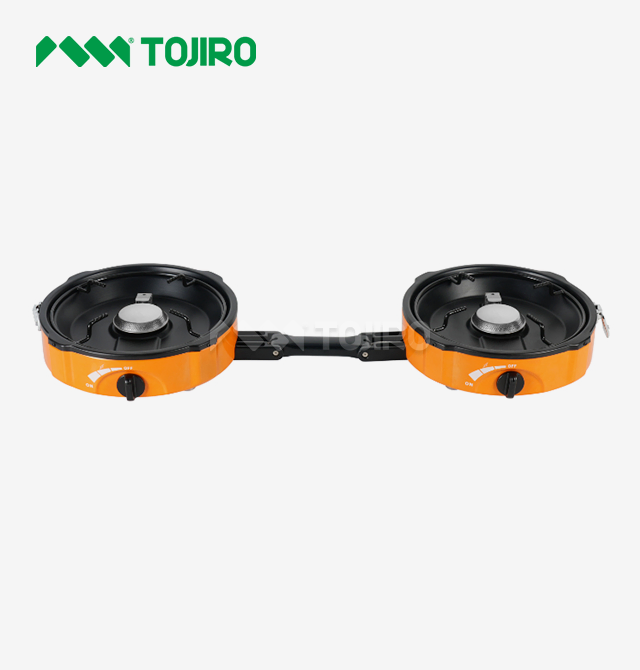
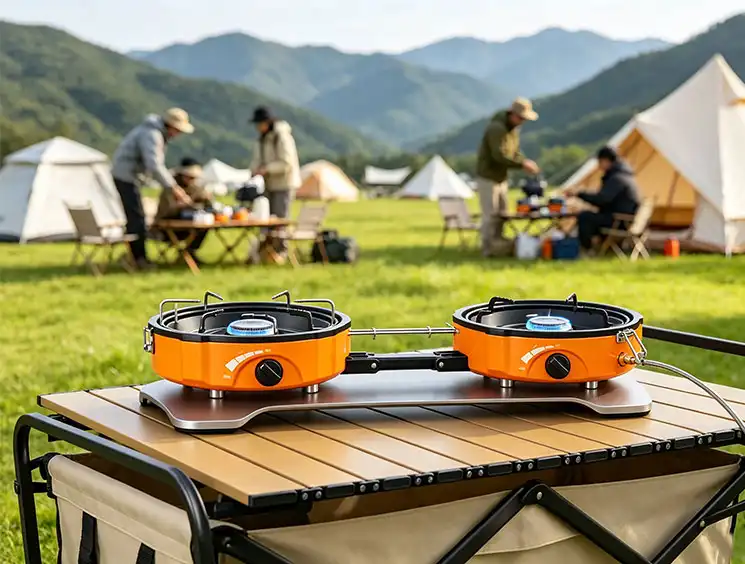
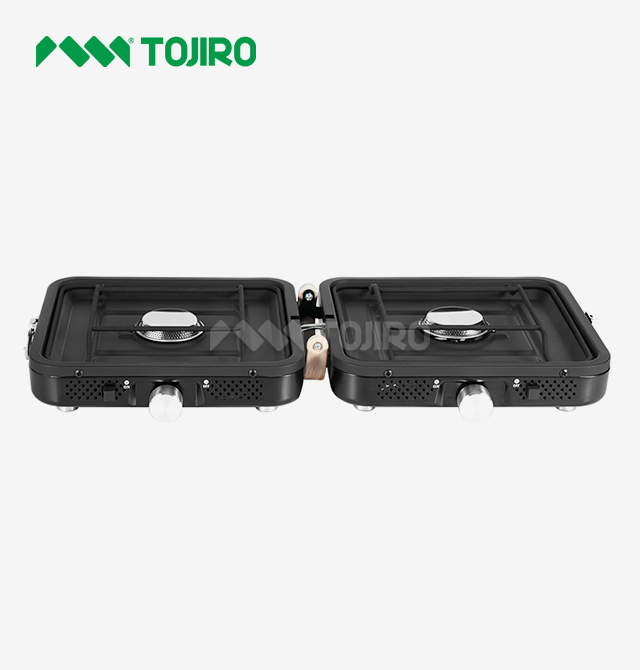
A mobile stove top changes how businesses cook efficiently and make the best use of space. This small but powerful device solves important operational problems whether you run a rental service, plan business events, or find tools for institutions. Portable food solutions like the TOJIRO TJR-BK39 are reliable in situations where traditional kitchen infrastructure fails. For example, they can cut down on setup time at glamping sites and meet strict safety standards in disaster aid situations. Modern compact stoves are very powerful and can do a lot of different things. They can produce 8000 BTU of heat and have two burners, and they can be folded up to a size of just 245x210x59mm when they are not in use.
Understanding Mobile Stove Tops: What They Are and How They Work?
Core Components and Design Philosophy
Portable cooking appliances are made up of several built-in systems that work together to keep the heat steady. The burner unit turns fuel into controlled flames, and the frame structure keeps the machine stable while it's running. Gas-powered types have pressure controls that keep the flow of fuel steady, and ignition systems get rid of the need for matches or other lighters. The TOJIRO TJR-BK39 is made of cold-rolled steel and powder finish, which makes the shell strong enough for industrial use while still being light enough to carry around often.
Fuel Types and Energy Considerations
Gas-powered units are most common in commercial settings because they can respond quickly to heat and don't need to be connected to an electrical grid. About 8000 BTU are produced by each burner head on a propane stove, which is enough to quickly boil water or keep it simmering for a long time. It takes about 152 grams of petrol per hour per burner for the TJR-BK39, which helps procurement workers get correct estimates of running costs. Butane container stoves are easier to connect, but they might not work well when it's cold outside. Propane systems, on the other hand, work well in a wider range of temperatures. Knowing how easy it is to get fuel in the areas where you do business has a big impact on your buying decisions.
Safety Standards and Maintenance Requirements
Regional safety standards must be met by commercial cooking equipment. The TOJIRO TJR-BK39 is compliant with GB/T38522-2020 norms and can be approved for a number of foreign markets. Some safety features are pressure-regulating valves that stop gas bursts and one-piece firing systems that make it harder for the user to make a mistake. For maintenance, you need to use soapy water to check the connection points for leaks, clean the burner heads to keep them from getting clogged, and look over the oil and water tray after a lot of use. Keeping canisters out of direct sunlight and in the right way will stretch their life and keep gas from building up. By doing these things on a regular basis, you can cut down on downtime and keep the cooking performance uniform across rental cycles or institutional deployments.
Why Mobile Stove Tops Are Essential for Modern Business Environments?
Solving Space Constraints in Commercial Settings
Built-in ranges have permanent footprints that make it harder to change how the kitchen is used. Small mobile stove tops can be moved around easily, which makes them perfect for food trucks that deliver food, hotels that serve food outside during certain times of the year, and adventure tour companies that cook at remote campsites. When not in use, units like the TJR-BK39 can be stored in vertical cabinets or transport sections because they fold up. This frees up important space. This portability helps rental companies get rid of their stock more quickly because the same cooker can be used for glamping guests on the weekends, workplace breaks during the week and catering for special events, so they don't have to buy multiple separate units.
Energy Efficiency and Cost Reduction
When compared to electric ranges, which lose heat through coil surfaces, propane camp stoves send heat directly to the food being cooked, wasting less energy. The TOJIRO model has 2.3kW output per hob, which means it boils water quickly. This cuts down on the time it takes to make meals and the amount of fuel used per cooking session. When institutions buy gas in bulk, the price per unit goes down, and the 45-day production lead time lets them plan their inventory around budget cycles. A case study from a national park concessionaire showed that moving to portable gas burners cut the cost of cooking fuel by 23% per year and sped up meal service during busy times.
Enhanced Safety and Ease of Use
With voltage ignition methods, there is no open flame during lighting, so staff with different levels of training are less likely to get burnt. The TJR-BK39 has a pressure-regulating valve that keeps the flame at the same height even when the pressure in the can drops. This stops flare-ups that could fire things nearby. The high-temperature oil and water spray tray catches drips before they get to the burner parts. This makes cleanup easier and keeps grease fires from starting. When products are made in a way that meets ISO standards, they are put through a lot of tests, such as being dropped from one metre at eight different angles to make sure they will last during transport. Because of these features, portable stoves can be used by schools teaching outdoor exercise and by disaster aid groups sending equipment to places where people aren't familiar with it.
How to Choose the Right Mobile Stove Top for Your Business Needs?
Assessing Your Operational Requirements
Before making a purchase choice, it's important to look at the cooking amount, frequency, and environment. To keep their stoves in good shape, rental companies need to make sure that people of all skill levels can use a mobile stove top. Corporate event planners put a high value on quick setup and a look that fits with how the brand is presented. OEM partners want options for customisation, such as private labelling and different packaging styles. The TOJIRO TJR-BK39 meets these needs because it has two burners that can cook two pots with bases ranging in diameter from 10 cm to 20 cm at the same time. When unfolded, the 268x210x117mm measures make stable cooking bases that can still be packed up and taken with you.
Key Selection Criteria
Here are the main things that people who work in buying look at:
1. Fuel Compatibility: Propane systems work better in a wider range of temperatures than butane systems, which is important for activities in high areas or during the winter. The TJR-BK39 works with both European high-altitude tanks and US-standard propane cylinders, so you can get what you need from a variety of foreign markets.
2. Build Quality and Durability: Cold-rolled steel with a powder finish doesn't rust when it comes in contact with water, and it can handle being hit while loading and unloading. Burner heads that use both open flame and infrared technology can be used for a range of cooking styles, from quick boiling to slow simmering.
3. Safety Certifications: Meeting GB/T38522-2020 requirements and having access to extra certifications ensures regulatory approval in key markets. Buyers from the government and institutions need proof that the equipment meets safety standards for the workplace.
4. Brand Reputation and Support: Well-known makers offer solid guarantee support and parts availability. TOJIRO backs up its products with a one-year guarantee and uses ISO-standard manufacturing methods to keep production consistent.
These factors work together to find answers that fit certain business needs. Rental businesses focus on making things last and making upkeep easy, while white-label partners look for partners who can customise products and offer flexible minimum orders. The TJR-BK39's 1000-unit MOQ is good for wholesalers who want to keep a lot of stock without spending a lot of money.
Comparing Leading Solutions
There are both well-known gadget brands and camping gear names in the outdoor cooking equipment market. Samsung and GE both make electric travel burners that can be used for events inside where power is always available. Bosch and Whirlpool both make induction models that can precisely control the temperature in controlled settings. On the other hand, gas-powered stoves made by companies that specialise in outdoor gear work better in the field where electricity isn't available or isn't reliable.
TOJIRO stands out because of its manufacturing history, which combines traditional Japanese accuracy with modern industrial production. The TJR-BK39 is the third version of improvement, and it takes into account user feedback on how reliable the lighting is, how efficient the burner is, and how portable it is. Unlike other camp stoves, TOJIRO units go through a lot of quality control steps, such as pressure testing, ignition cycle verification, and material stress analysis. This attention to detail cuts down on field fails that can slow down rental businesses or hurt OEM partners' brand reputations.
Procurement Guide: How to Purchase Mobile Stove Tops with Confidence?
Identifying Reliable Suppliers
Checking out makers and distributors is the first step to successful buying. When you deal directly with manufacturers like TOJIRO, you can get customisation options, bulk pricing, and technical details that generic resellers can't provide. By asking for samples, you can see for yourself how well the burner works, how responsive the ignition system is, and how well the build quality is before committing to large orders for a mobile stove top. Authorised wholesalers keep track of their goods properly, which makes sure that products are always available and reduces changes in lead times.
The TJR-BK39 has a 45-day production cycle that lets you plan around yearly demand high points. Outdoor recreation stores order stock for the spring and summer in late winter. Buyers of corporate catering work with event plans to make orders three months before busy conference seasons. Knowing these dates keeps you from running out of stock, which forces buyers to choose between cheaper options or paying more for a rush order.
Evaluating Warranty and After-Sales Support
Warranty coverage guards against flaws in the making process and early failure of parts. TOJIRO backs up its burner units, ignition systems and structural parts with a one-year guarantee that covers normal use. This protection is especially important for rental companies whose equipment is used a lot in a wide range of conditions. Clear warranty terms that spell out coverage periods, how to file a claim, and situations that aren't covered stop arguments when problems happen.
After-sales service includes getting spare parts and getting help with technology issues. Burner heads, ignition lines and pressure valves all wear out over time and need to be replaced from time to time. Suppliers who keep parts in stock make repairs quick, which cuts down on equipment downtime. Technical support is available by email at [email protected]. They can help you fix problems with the starting, get the most out of your fuel, and make the units work better in certain situations. These services make tools last longer and lower the total cost of ownership.
Pricing Structures and Cost Factors
The cost of portable cooking equipment depends on the materials used, how hard it is to make, and how many orders are placed. The TJR-BK39 is made of cold-rolled steel and has two burners, which puts it in the middle to high price range for commercial-grade portable stoves. When you order in bulk, the price per unit goes down. The minimum order size of 1000 units lets buyers get volume discounts that help resellers make more money or lower the cost of acquisition for institutional buyers.
Customisation fees for white-label partners who need branded packaging or different specifications are another cost factor to think about. Kraft paper carton packaging usually comes with four units per carton, but there are fees for unique package designs that need to be made and printed. Shipping costs depend on where the package is going and how much of it there is. Full container loads are cheaper per unit than half shipping. Figuring out the total landing cost makes sure that the budget is allocated correctly and that there are no surprises during fulfilment.
Future Trends and Innovations in Mobile Stove Tops
Smart Technology Integration
New mobile stove tops have digital settings and ways to connect to the internet. Temperature monitors accurately measure the temperature, and Bluetooth connection lets you make changes from afar using smartphone apps. These new ideas are liked by OEM partners who want to set their products apart in competitive markets and corporate hospitality clients who want consistent results across multiple cooking stations. The current TJR-BK39 focuses on proven mechanical dependability. In the future, smart modules may be added as an option for customers who need data logging or remote diagnosis.
Growing Market Demand
As more people look for unique ways to travel, the outdoor hospitality industry continues to grow. Glamping camps, high-end camping, and adventure tourism companies need commercial-grade cooking gear that is both effective and portable. Disaster planning groups keep portable stoves on hand in case of a disaster, because they know how useful they are when normal infrastructure is damaged. Schools that teach jungle skills and outdoor recreation management buy long-lasting field gear that meets safety standards and can handle being used by students.
As well-known stores try to make their outdoor gear stand out, the market for white-label products grows. With private label camping stoves, sports goods stores and online stores can build brand trust while still getting the manufacturer's expertise. TOJIRO's ODM and OEM services are aimed at this market. They offer customisation services such as changing specifications, designing packages, and managing certifications that are specific to each market.
Sustainability and Efficiency Improvements
Environmental concerns lead to the creation of burner technologies that burn cleaner and lighter materials that use less fuel for transportation. Better insulation around the burner assemblies directs more heat to the food instead of the air around it, which saves fuel. Circular economy principles are supported by modular designs that let parts be replaced instead of throwing away the whole unit. Sustainability practices are being looked at more and more by procurement professionals when choosing suppliers. This makes ISO compliance and environmental management systems important ways to tell suppliers apart.
Conclusion
Portable food solutions have changed over time from simple camping gear to high-tech business gear that meets a wide range of needs. This development is shown by the TOJIRO TJR-BK39, which has a strong build, two burners for flexibility, and a mobile stove top design that has been improved over many generations. If you know what these units can do and how to choose the right one for your business, whether you rent equipment, provide corporate hospitality, buy things for institutions, or build your brand through white-label partnerships, you can make smart buying choices. Tojiro is a reliable partner for businesses that need portable cooking equipment that works consistently in a wide range of situations because of their precise Japanese manufacturing, short 45-day lead times, and full customisation support.
FAQ
1. What safety practices should commercial users follow with portable gas stoves?
When commercial businesses use gas-powered cooking equipment, even outside, they need to make sure there is enough air flow to keep carbon monoxide from building up in closed or partially closed spaces. The staff should be taught how to find leaks by putting soapy water on connection points before lighting them on fire. Place equipment on stable, level surfaces away from burning materials, making sure to stay within the safety zones listed in the product documentation. Checking the fuel lines, pressure valves and burner heads on a regular basis can find wear before they break. Operators should never try to fix systems that are under pressure using a mobile stove top.
2. How do portable stoves compare to traditional ranges in efficiency and cost?
When compared to electric ranges, gas-powered movable burners produce heat more precisely and waste less energy. Units with a 2.3kW output, like the TJR-BK39, boil water quickly while using about 152 grams of propane per hour, which lets you accurately figure out how much fuel costs. The cost of running a propane system depends on how much you use it and how often, but business users usually save between 15% and 25% compared to using electricity, especially when they need to move the system around a lot or set it up temporarily and the electricity system would need expensive upgrades.
3. Can TOJIRO provide customized or OEM portable cooking solutions?
TOJIRO still offers full OEM and ODM services for partners who need private labelling, customised specs, or different packing. Changes can be made to the burner output, the type of fuel connection, and the frame's measurements, as long as they don't affect the making process. White-label partnerships get help at every step of the way, with things like help with certification for target markets, working together on packaging design, and negotiating a flexible MOQ based on long-term volume commitments. Custom orders can be made within 45 days, so there aren't any big delays. Our team also works directly with customers to make sure that the finished goods meet all of their operational and branding needs.
Partner with TOJIRO for Your Portable Cooking Equipment Needs
TOJIRO has been making business mobile stove tops for decades and combines traditional Japanese craftsmanship with modern industrial efficiency. Our TJR-BK39 model has an output of 8000 BTU, two burners, and small store space. Its design has been proven through ISO-compliant quality testing. We can be your provider for retail stock, OEM customisation for your brand, or big institutional buying. Our flexible solutions include minimum orders of 1000 units, 45-day production processes, and full warranty coverage. Email our team at [email protected] to talk about your specific needs, get product samples, or look into white-label options.
References
1. Anderson, M., & Chen, L. (2023). Commercial Portable Cooking Equipment: Selection and Safety Standards. Industrial Food Service Press.
2. Harrison, R. (2024). "Energy Efficiency in Mobile Kitchen Operations: A Comparative Analysis." Journal of Hospitality Equipment Management, 18(2), 45-62.
3. National Fire Protection Association. (2023). NFPA Guidelines for Portable Fuel-Burning Cooking Appliances in Commercial Settings. NFPA Publications.
4. Thompson, J., Rodriguez, S., & Kim, H. (2024). Outdoor Hospitality Equipment Procurement: Best Practices for Rental and Resort Operations. Adventure Industry Publishers.
5. United States Department of Agriculture. (2023). Field Kitchen Equipment Standards for Institutional and Emergency Response Applications. USDA Forest Service Technical Report.
6. Williams, P. (2024). "Emerging Technologies in Portable Cooking Systems: Market Trends and Innovation Trajectories." International Journal of Outdoor Recreation Equipment, 11(1), 112-128.

USER EVALUATE
Here is the customer's evaluation of us
_1763607842349.webp)