



How to safely use a twin burner butane stove indoors
When using a twin burner butane stove inside, you need to pay close attention to air flow, gas leak prevention and where you put it so that fire risks are kept to a minimum. These movable cooking solutions work well in commercial settings as long as workers follow the manufacturer's instructions, do pre-use safety checks, and keep enough airflow going while the units are in use. Businesses can use the efficiency of dual burner systems while keeping workers safe and following the rules for indoor gas appliances if they understand how fuel works and follow structured safety practices.
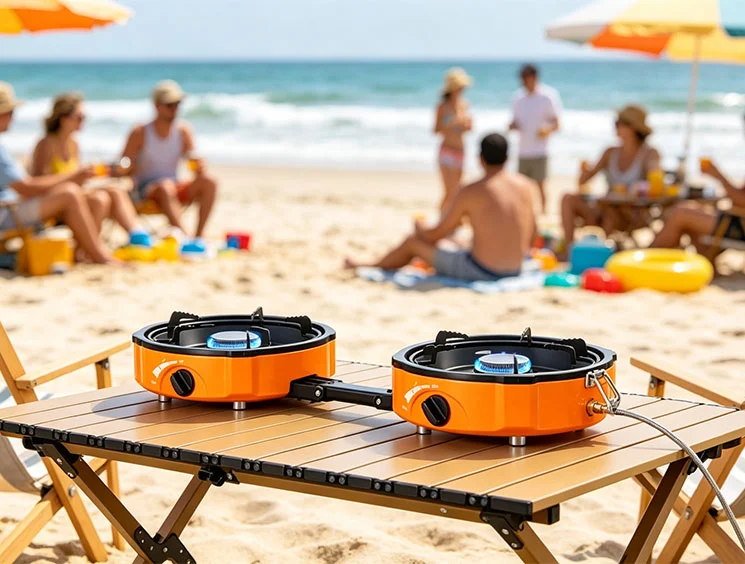
Understanding Twin Burner Butane Stoves and Indoor Safety Considerations
How Butane Stoves Operate in Commercial Settings?
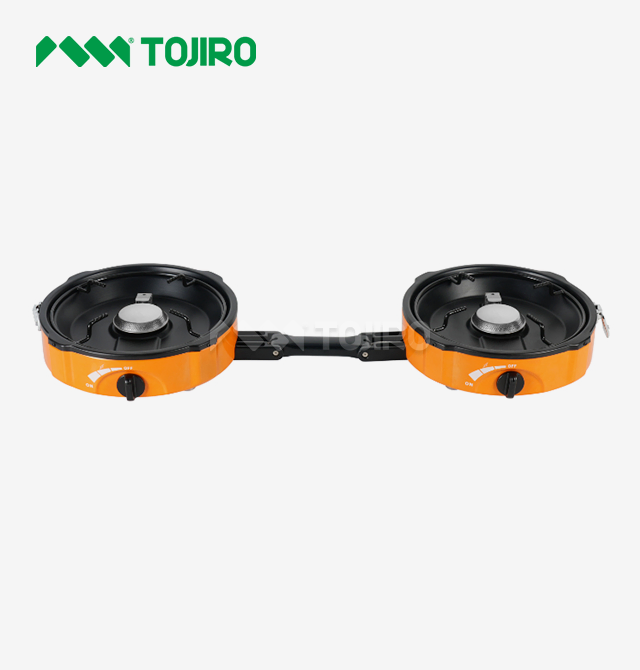
Twin burner butane stoves use butane fuel that is under pressure and kept in replaceable cylinders. Each hob puts out 2.3kW of power, which is the same as 8,000 BTU and is enough to cook several things at once. As the fuel comes out of the canister, it changes from a liquid to a gas. It then goes through pressure-regulating valves on its way to the burner heads. This controlled flow system lets workers change the intensity of the flame to suit the needs of the cooking.
Most commercial types come with both open flame and infrared burner options. Open flame burners are great for quickly heating up and cooking at high temperatures. Infrared burners, on the other hand, spread heat more evenly across the surfaces of cookware. Portable butane cooking equipment that can do both of these things is useful for a wide range of food preparation tasks in industrial kitchens, corporate event spaces, and temporary food service locations.
Primary Safety Concerns for Indoor Use
There are some risks that come with operating inside that aren't there when operating outside. Because butane gas is heavier than air, leaks tend to settle near the floor, where they can build up in places that don't get enough air flow. If fire sources are nearby, this quantity makes it possible for an explosion to happen. During burning, carbon monoxide is made, so there needs to be enough air and exhaust ventilation to keep the harmful buildup from happening.
There are several things that can cause a fire: burning materials being too close to active burners, placement that isn't stable enough to prevent tip-overs, and fuel canisters getting too hot from being used for too long. These issues must be dealt with by commercial buildings by strategically placing equipment, requiring enough space around cooking surfaces, and keeping an eye on everything at all times. Quality units are made of cold-rolled steel and have a powder finish that makes them resistant to heat and stable. This lowers some of the fire risks that come with lighter materials.
Ventilation Requirements and Air Quality Management
The most important safety condition for using an indoor butane stove is that it has enough air flow. Windows or motorised ventilation systems that can move air at least at the minimum rates required by local building codes should let natural air flow into commercial areas. Most guidelines say that 100 cubic feet per minute of fresh air should be available while cooking is going on.
If a building doesn't have enough natural air, it needs to put in exhaust fans that are placed to pull combustion leftovers away from areas that people are using. Since carbon monoxide is about the same density as air, carbon monoxide monitors should be put at a height where people can breathe, not at roof level. Gas leak monitors that are set up to pick up butane should be put near the floor, where fuel vapours tend to gather. Testing detection equipment on a regular basis makes sure that warning systems work when they're supposed to.
Best Practices for Safe Operation of Twin Burner Butane Stoves Indoors
Pre-Use Inspection Protocols
Before each operating session, staff should carefully check all of the tools. The first part of the visual check is the fuel canister. Make sure the protected cap is still on and that the canister doesn't have any dents, rust, or other damage. Damaged tanks must be taken out of service right away because they could lose air while they're being used.
The part of the stove where the canister connects to the hob needs to be carefully looked at. Gaskets and O-rings shouldn't crack, harden, or change shape. Putting a soapy solution on the connection points while the canister is in place but not lit shows leaks by making bubbles. If there are any signs of gas escaping, the equipment must be shut down right away and parts must be replaced before activities can resume.
Check the burner heads for blockages that make the flame patterns uneven. When food particles, dust, or corrosion get into the burner ports, they block the flow of gas, which can lead to dangerous flare-ups or incomplete combustion. A soft-bristle brush gets rid of dirt and dust without damaging carefully designed port openings. The tray for collecting oil and water should be clean and in the right place to catch any spills that happen while you cook.
Optimal Positioning and Stability Requirements
Placement choices have a big effect on working safety. A twin burner butane stove needs to be put down on flat, stable, heat-resistant surfaces that can hold enough weight. The low center of gravity in the base design keeps it from tipping over, but users must make sure the supporting surface stays level while it's being used. If you don't place your pan evenly, liquids will pool on one side, which increases the risk of spills and burns.
Clearance zones around busy stoves keep things close by from catching fire. Fire risks can be lowered by keeping at least 12 inches of space between walls, curtains, paper goods, and other flammable items. To keep things above stoves from getting damaged by heat, there should be more than 36 inches of vertical space between them. Radiant heat goes beyond the visible flame, so these spacing rules still apply even if the powder-coated housing is cool to the touch.
Heat Management and Continuous Operation Limits
When both flames are running at the same time, a lot of heat is produced. Keeping an eye on this heat production keeps things safe at work and keeps tools from breaking. The pressure-regulating valve makes sure that the gas supply is steady, but when it is used for a long time, the fuel evaporates and cools the cylinder. This drop in temperature can lower gas pressure, which can make the flame less stable and make cooking less effective.
By stopping constant operation every 90 minutes, canisters can settle and equipment can cool down between sessions. When cooking for a long time, switching between burners instead of leaving both on all the time helps keep the heat under control. Checking the colour of the flame gives you practical feedback—blue flames mean the fire is completely out, while yellow or orange flames mean there isn't enough oxygen or a blockage that needs instant attention.
The choice of cookware affects how safe the food is. The width of pots and pans should be between 10 cm and 20 cm so that they fit properly on a hob. When cookware is too big and sticks out past the edges of the burner, it makes the cooking unstable and stops the heat from circulating properly. The weight of the cookware and its materials should not be more than what the maker says it can be. For portable units, this is usually between 8 and 10 pounds per burner.
Comparing Twin Burner Butane Stoves with Other Stove Options for Indoor Use
Butane Versus Propane Fuel Systems
The type of fuel has a big impact on how well it works and whether it is suitable for indoor use. Because they work at lower pressures than propane tanks, butane canisters are safer to use for flexible indoor uses. Butane systems use canisters that are built with a lot of safety features, like pressure relief valves and construction that can handle being dropped from one metre at eight different angles during testing.
Propane systems produce more heat, which makes them better for professional cooking outside or making a lot of food at once. But propane's higher working pressure and bigger fuel tanks make it more dangerous in small areas. Propane also needs stronger air systems because it produces more waste when it burns. When purchasing managers look at different fuel options, they should compare the needs of applications with the capabilities of the safety infrastructure.
Different fuels work differently at different temperatures. Propane can work in temperatures below freezing, while butane stays at its best up to about 32°F. Temperatures inside are usually well within the range of temperatures that butane can work at, so differences in performance are less important in climate-controlled commercial spaces. The US standard lets propane cylinders work with other types of equipment. This gives buying teams more fuel options when they're looking for gear for a variety of working settings.
Electric Alternatives and Operational Cost Analysis
Electric cooking equipment gets rid of the risks that come with burning things, like gas leaks, carbon monoxide production, and open flames. Commercial induction or resistance heating systems let you precisely control the temperature without having to store fuel. However, limited electricity infrastructure often makes portable gas cooking more useful for short-term sets, outdoor events, or places that don't have enough power.
When you calculate operating costs, you can see big differences. In most markets, butane tanks cost more per hour of cooking than electricity, but the initial cost of the tools is still cheaper. Particularly when you take into account the cost of electrical installation, a camping twin burner butane stove from a reputable manufacturer costs less than a comparable electric portable hob. Because of the 45-day production wait time for bulk sales, procurement teams can get competitive prices by buying in bulk and getting discounts that are bigger than discounts for buying one unit.
Another important factor is portability. Electric units need to be close to power outlets and can't work when the power goes out. Dual-burner gas stoves can be used anywhere with enough air flow, which makes them very useful for disaster preparedness, operations at remote sites, and mobile food service. For businesses that value adaptability, this operational flexibility often justifies paying more for fuel.
Single Versus Dual Burner Capacity Considerations
In commercial food service, cooking capacity has a direct effect on how efficiently things run. In a twin burner butane stove, you can cook more than one dish at the same time, which cuts down on cooking time and speeds up the process. Companies that rent out adventures and go on camping trips value this feature the most because guests expect a variety of food choices at outdoor events and camping trips.
Single-burner models are cheaper at first, but they slow down the cooking of multiple courses. The staff has to carefully plan the order of their cooking tasks, which means that some foods often cool while others finish cooking. Quality dual burner systems are small—usually 12 x 10 inches when they're set up—so they take up very little room while cooking twice as much. The space-saving design doesn't take up any more room than larger single burner options when folded up for storage or travel.
For breakfast service, corporate and hotel clients often choose dual burner setups so that proteins, veggies and drinks can all be made at the same time. This makes guests happier. The small price increase over single burner choices is justified by the ability to keep service quality constant during times of high demand. When making decisions about what to buy, equipment capacity should be matched with expected usage patterns and service volume needs.
Procurement Guidelines: Choosing and Purchasing Twin Burner Butane Stoves
Evaluating Manufacturer Credentials and Product Quality
Certifications and production guidelines for the maker are the first steps in judging quality. Having equipment that meets the quality management requirements of ISO9001:2015 shows that you are committed to consistent manufacturing processes and quality control. TOJIRO Electric Appliances has a 10,000-square-meter factory in Zhongshan that meets these foreign standards and makes more than a million units a year for markets around the world.
Safety standards are different for each market. For units to be sold in Europe, they need to be marked with the CE mark, and for units to be sold in North America, they need to meet UL or CSA standards. Regional regulatory requirements are taken into account in certification forms, which make sure that equipment meets safety standards in each state before it is used. Managers of procurement should make sure that sellers can show proof that they follow the rules that apply to the places where they do business.
Twin burner butane stoves made of cold-rolled steel structure are stronger when compared to pressed sheet metal options. The powder coating finish doesn't rust when exposed to water or cleaning chemicals, so the finish will look good for a long time. These building features are especially useful for rental and experience businesses whose gear has to be moved around a lot and be used in a variety of situations.
Warranty Terms and After-Sales Support Structure
Standard one-year warranties cover manufacturing defects and parts failure during normal use. Bulk purchases may unlock extended warranty options for multi-site operations. Responsive technical support minimizes equipment downtime through rapid problem-solving. Suppliers offering replacement parts—O-rings, burner heads, spark components—extend equipment life and reduce long-term costs. When evaluating suppliers, prioritize those with comprehensive after-sales support and readily available spare parts inventory.
Strategic Sourcing and Volume Purchase Negotiations
Minimum order quantities—typically 1,000 units—suit large-scale retail, government, or OEM buyers. The 45-day production lead time requires advance planning for seasonal or project-specific demands. Volume pricing reduces per-unit costs; request tiered discount schedules based on quantity commitments. Buyers demonstrating understanding of manufacturing constraints and offering firm delivery dates gain stronger negotiating positions. White-label and OEM agreements enable brand building through customized packaging and spec modifications without production investment.
Ensuring Ongoing Safety and Compliance in Your Business Environment
Staff Training Programs and Competency Verification
Comprehensive training turns safety rules into practiced behaviors. Programs must cover system fundamentals, emergency response, and maintenance. Hands-on practice with supervision beats classroom-only learning. Documentation supports compliance and liability defense—maintain records of completion, competency verification, and regular refreshers. Assessment methods check knowledge retention. Emergency protocols need extra focus—staff should practice shutdown until automatic. Teach fire extinguisher placement, selection, use, and first aid for burns or gas exposure. Regular drills maintain readiness for unlikely but high-impact events.
Regulatory Compliance and Documentation Requirements
Local fire codes govern ventilation, fuel storage, and inspection frequency for indoor gas appliances. Commercial operations may require permits with plan reviews and installation inspections. Insurance carriers often impose additional requirements—consult agents early to understand coverage and avoid gaps. Maintain inspection records, maintenance logs, training certificates, and incident reports. Digital record-keeping enables audit retrieval and trend analysis. Systematic documentation demonstrates safety commitment and may influence liability if accidents occur.
Continuous Improvement Through Safety Audits
Scheduled safety audits by trained staff identify risks before accidents. Audit procedures evaluate equipment condition, operational practices, record accuracy, and staff competency. Third-party auditors provide objective assessments. Results drive action plans addressing deficiencies. Prioritize highest-risk problems for maximum safety improvement with limited budgets. Follow-up checks verify corrective effectiveness. Anonymous staff feedback systems surface issues management might miss. Non-punitive reporting fosters cultures prioritizing safety over production, reducing accidents and improving safety metrics.
Conclusion
Safe indoor use of a twin burner butane stove requires strict ventilation and safety compliance. Commercial operations can deploy dual-burner systems efficiently by understanding fuel characteristics, performing pre-use checks, positioning correctly, and managing heat output. Procurement decisions should consider manufacturer reliability, warranty support, and volume pricing to ensure quality within budget. Continuous staff training, regulatory adherence, and proactive safety inspections sustain smooth operations while minimizing risk. Prioritizing these factors positions businesses for long-term success with indoor gas cooking equipment.
FAQ
1. What ventilation is required when using portable gas stoves indoors?
When using an indoor butane stove, it needs a steady flow of fresh air that is at least 100 cubic feet per minute while it is cooking. This need can be met by natural airflow through windows or mechanical exhaust systems that achieve the same amount of air flow. Carbon monoxide and gas leak detectors add to the safety tracking by letting workers know about dangerous situations before dangerous levels build up.
2. Can I use fuels other than butane in these stoves?
Butane canister-compatible equipment should only use certain types of fuel unless the makers make it clear that it can work with other fuels. Standard units in the EU can usually fit high-altitude gas cylinders, while standard units in the US may be able to take propane cylinders with the right adapters. Using fuels that aren't suitable can damage equipment, cause safety systems to fail, and create dangerous working conditions that void guarantees and break safety rules.
3. What warning signs indicate my stove needs immediate service?
If you see a yellow or orange flame instead of blue, smell something other than fuel, have trouble keeping the flame steady, or see damage to parts, you should stop using the equipment right away and have a professional look it over before you start using it again. When the flames are turned off, hissing sounds could mean that there are gas leaks that need immediate attention. Most problems can be avoided by doing regular maintenance, but if you pay attention to warning signs right away, you can stop small problems from getting worse and causing dangerous failures.
Partner with TOJIRO for Certified Commercial Cooking Solutions
TOJIRO has been making products for 20 years and has ISO9001:2015-certified production methods, which help procurement professionals find trusted portable gas cooker suppliers. The twin burner butane stove line-up always works well and comes with full one-year warranties and helpful technical support. Competitive bulk price is available for orders starting at 1000 units, and customisation options are available to meet OEM needs and local legal standards.
When traditional Japanese handmade methods are combined with modern industrial technology, equipment that meets strict business needs is made. Before being sent out, every unit goes through a lot of tests to make sure it's ready to be used right away. With a 45-day production cycle, orders can be filled quickly and in line with project deadlines and seasonal demand patterns.
Get in touch with our purchasing team at [email protected] to talk about your unique needs. TOJIRO has the quality products, reliable delivery, and service commitment that your business needs, whether you work for a retail channel, a hotel business, or an institutional buyer.
References
1. National Fire Protection Association. (2021). NFPA 1192: Standard on Recreational Vehicles. Quincy, MA: NFPA Publications.
2. American Gas Association. (2020). Portable Fuel Gas Appliances: Safety Standards and Best Practices. Washington, DC: AGA Technical Services.
3. Occupational Safety and Health Administration. (2019). Indoor Air Quality in Commercial Kitchens: Guidance for Employers. U.S. Department of Labor.
4. International Organization for Standardization. (2018). ISO 9001:2015 Quality Management Systems: Requirements for Manufacturing Operations. Geneva: ISO Central Secretariat.
5. Consumer Product Safety Commission. (2022). Butane Appliance Safety: Guidelines for Commercial and Institutional Use. Bethesda, MD: CPSC Office of Compliance.
6. Industrial Safety and Hygiene News. (2023). Gas Detection and Ventilation Requirements for Indoor Commercial Cooking. Vol. 57, Issue 3, pp. 34-41.

USER EVALUATE
Here is the customer's evaluation of us
_1763619721954.webp) VIEW MOREoutdoor propane instant hot water heater
VIEW MOREoutdoor propane instant hot water heater_1763609661748.webp) VIEW MOREoutdoor camping heaters
VIEW MOREoutdoor camping heaters_1763619738116.webp) VIEW MORE12 volt water heater for rv
VIEW MORE12 volt water heater for rv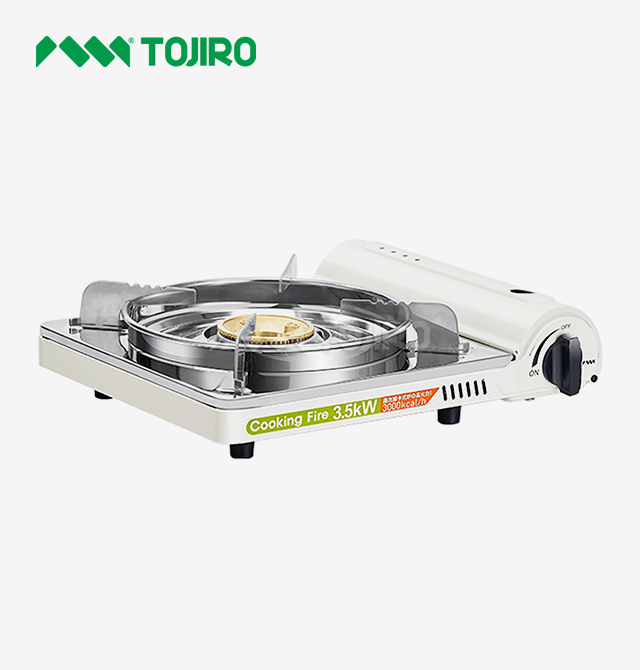 VIEW MOREOutdoor Butane Stove for Camping
_1763607842349.webp) VIEW MOREoutdoor standing propane heater
VIEW MOREoutdoor standing propane heater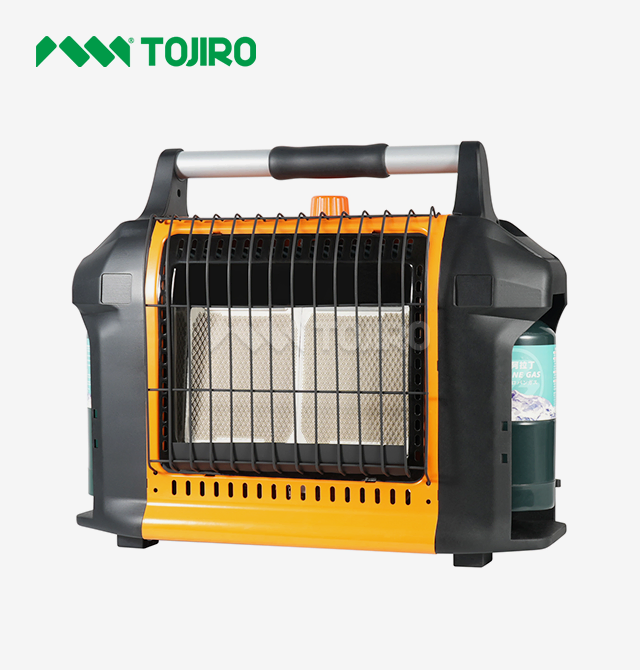 VIEW MOREhigh efficiency direct vent propane heater
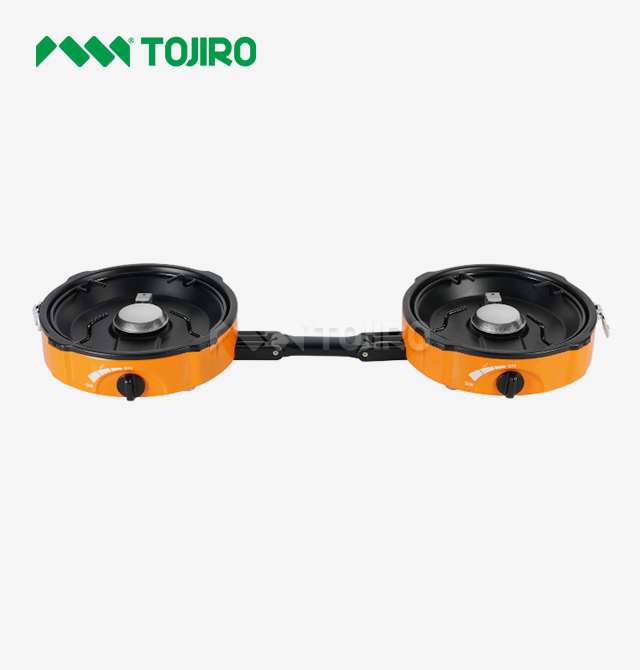 VIEW MOREinset cooking pan butane stove
 VIEW MOREtwo burner portable stove