



Two Burner Portable Stove Buying Guide: Features and Benefits
Selecting the right dual burner camp stove impacts operational efficiency across multiple business applications, from outdoor rental services to hospitality ventures. A two burner portable stove delivers versatility through simultaneous cooking capabilities, making meal preparation faster and more efficient. These compact cooking systems accommodate various fuel sources including propane and butane, offering flexibility for diverse operational environments. Understanding the technical specifications, durability standards, and safety features becomes essential when sourcing equipment that balances portability with robust performance. This comprehensive buying guide addresses critical decision factors for procurement professionals seeking reliable outdoor cooking solutions that meet ISO quality standards while delivering consistent results across demanding commercial applications.
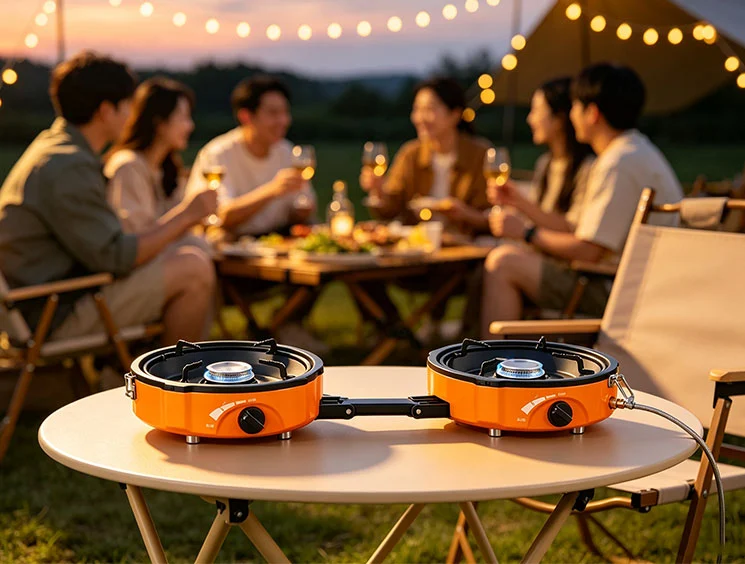
Understanding Two Burner Portable Stoves: Key Features and How They Work
Core Components and Operating Principles
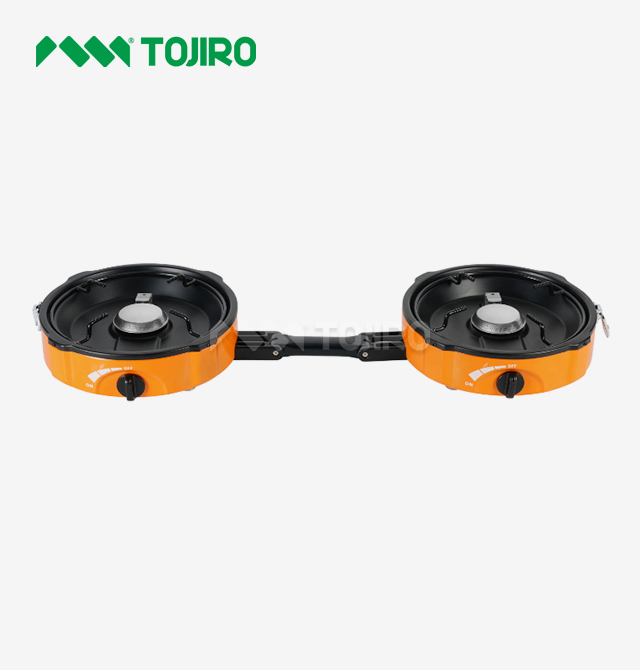
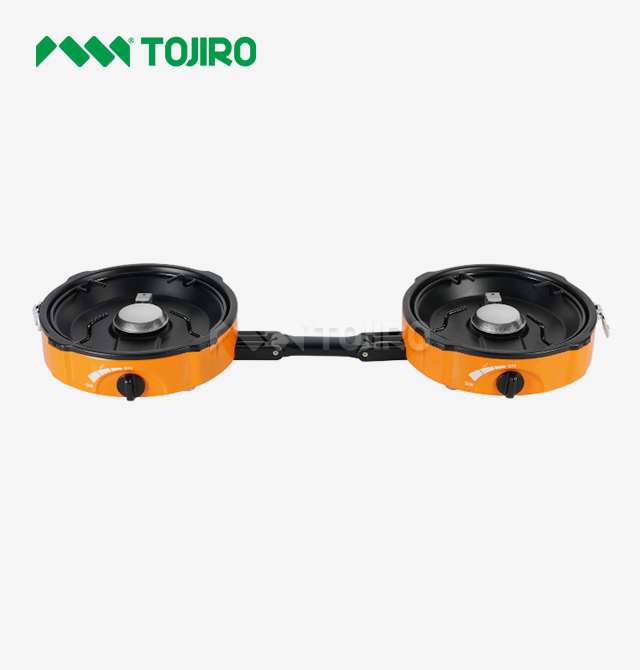
Modern outdoor stoves with two burners have three main parts: ways to supply fuel, combustion tanks, and firing parts. Through pressure valves, the fuel system controls the flow of gas from propane or butane tanks, keeping the flame output steady. The TOJIRO Shell Stove TJR-BK39 has precise pressure control that keeps it working well at different temperatures and levels. Each burner head works on its own, so you can cook at different heat levels at the same time. This is a very useful setup for commercial catering businesses and rental businesses that need to be able to change how they work.
Fuel Type Considerations for Business Operations
Propane-powered portable camp stoves are the most popular in North America because canisters are easy to find and work well in cold weather. The US standard propane connection makes sure that it works with fuel sources that are easy to get to. This makes the supply chain simpler for campground and rental companies. Because TOJIRO is set up so that each burner gets about 8,000 BTU of propane, it has enough heat output for industrial food preparation. Alternatives to butane burn a little cleaner, but they don't always work well below 32°F, so propane is the best choice for year-round use. In ideal conditions, there isn't much difference in how much energy each fuel type uses, but propane's temperature stability means lower operating costs in a wide range of climates.
Design Elements That Enhance Portability
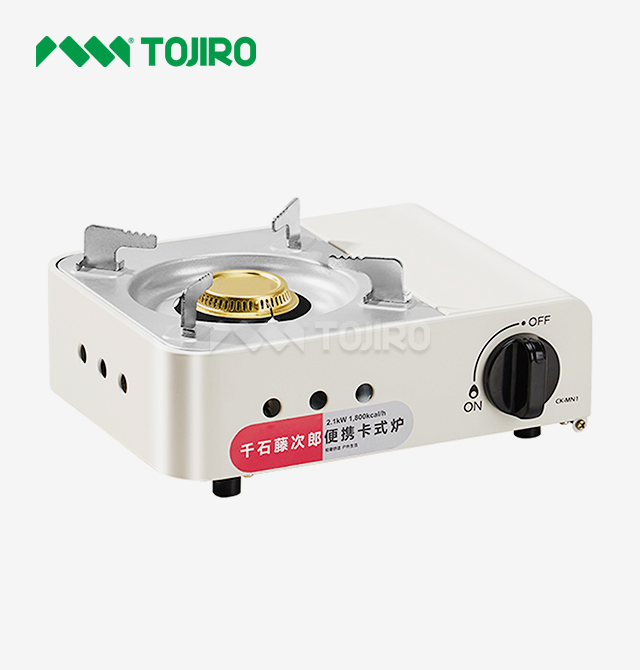
Good portable cooking gear is different from bulky alternatives because it has small folding mechanisms. The TOJIRO Shell Stove can be folded up to 245x210x59mm, which means it doesn't take up much room in rental inventory or supply stores for hotels. The cold-rolled steel construction and powder coating make it durable without being too heavy, meeting the needs for both toughness and portability. Standard cookware used in outdoor hospitality settings can fit in pots with bottom diameters ranging from 10 to 20 cm. This physical flexibility gets rid of the need for specialized tools, making it easier for businesses with a wide range of customers to buy what they need.
Benefits of Choosing a Two Burner Portable Stove
Operational Efficiency Through Simultaneous Cooking
Compared to single burner options, dual burner configurations cut the time it takes to make meals by 40–50%. This is a measure that has a big effect on customer happiness in rental and hospitality settings. At corporate campgrounds, breakfast can be served to multiple people at once with a two burner portable stove: one burner is used for meats, and the other is for sides or drinks. This ability to process multiple tasks at once is especially useful during busy times, when the amount of food being served directly affects how much money is made. Outdoor adventure tour companies say they can be more flexible with their schedules when dual burner systems—such as a two burner portable stove—make it easier to prepare meals for groups faster in remote areas.
Cost Savings Through Energy Efficiency
TOJIRO's model has a 2.3kW power output per burner, which is enough to heat a restaurant, and it only uses 152g of gas an hour. During a normal camping season, this economy means that the fuel bill will be 15-20% lower than with older or less well-designed models. Rental companies with more than one unit can save a lot of money each year when the fuel use of their whole fleet goes down. The infrared burner head option improves the efficiency of heat transfer by sending more heat into the food instead of the air around it. Over thousands of hours of operation, these gains in efficiency add up, making the initial investment in equipment more financially viable for those making procurement decisions.
Safety Features That Reduce Liability
Safety features that are built in protect both users and business owners from mishaps. Pressure-regulating valves keep dangerous gases from building up, and the voltage lighting system keeps the open flame from touching anything during starting, which makes it less likely that a user will make a mistake. The oil and water spray tray for high temperatures holds spills that could otherwise cause people to slip or start a fire. Meeting the safety standards set by GB/T38522-2020 gives proof that meets the needs of insurance companies and government inspections. When choosing tools for big events where liability concerns rise, corporate event planners value these licenses even more.
Comparing Two Burner Portable Stoves with Alternative Cooking Solutions
Performance Advantages Over Single Burner Units
Single-burner stoves force cooking to happen in a certain order, which doubles the time it takes to make a meal and causes problems during group events. This limitation is removed by two burner portable stoves, which allow boiling, simmering, and sautéing to happen at the same time. When specialized burners keep the heat steady for certain foods instead of having to be adjusted all the time between courses, temperature control is more accurate. Retailers who carry both setups say that customers who buy dual burner types are 60% more likely to buy them again, which means they are happier with their purchases and will buy from them again.
Dual Burner Stoves Versus Traditional Camping Grills
Camping grills are great for direct heat, but they don't have the exact temperature control that is needed for other types of cooking. A two burner portable stove can hold pots, pans, and specialty cookware that grills can't, giving hospitality clients more menu options. Another important difference is that enclosed burner designs keep the flame stable in windy conditions that make open grills almost useless. Glamping sites and outdoor event places are choosing dual burner stoves over grills more and more because they produce consistent results no matter the weather, protecting income from cancellations due to bad weather.
Market-Leading Brands and Differentiation Factors
Coleman dominates consumer markets because its brand is well known, while Camp Chef's high-end features are aimed at serious outdoor enthusiasts. Blackstone stresses the use of griddle-style cooking surfaces in certain situations. TOJIRO stands out because its manufacturing skills combine the traditional Japanese precision with modern industrial efficiency. The ISO9001:2015 certification that backs up TOJIRO products gives customers the same level of quality guarantee as well-known Western names, and the company's wholesale prices are also very reasonable. OEM and white-label partners like TOJIRO's customization options, such as packaging that can withstand eight-degree drops from a height of one meter. This feature lowers the risk of shipping damage and the costs that come with it.
Maintenance, Cleaning, and Longevity for Two Burner Portable Stoves
Routine Maintenance Protocols for Commercial Use
In places where things are used a lot, routine maintenance plans are needed to keep things running smoothly. Every 30 hours of use, the burner head should be inspected for carbon buildup that blocks gas flow and makes the heater less efficient. The pressure-regulating valve needs to be checked every three months to make sure it always gives the same amount of pressure. This is especially important for rental fleets where equipment is used by many people at once. TOJIRO's open flame and infrared burner heads need different types of maintenance. Open flame units need to be cleaned more often, while infrared elements need to be checked for ceramic damage every so often. Keeping written records of maintenance meets the quality management needs of people who want to bid on government contracts and buy things for institutions.
Cleaning Procedures That Extend Equipment Life
The oil and water spray tray can be taken off and cleaned easily after use, which makes it easy to switch between rental periods quickly. When properly cared for, cold-rolled steel surfaces don't rust, but powder coating needs gentle cleaners that keep the protective shine. Do not use rough scrubbers because they damage the coating and speed up the rusting process. Gas connection points need to be checked on a regular basis for buildups of dust that could make closing difficult. Hospitality operators say that equipment that is cleaned consistently lasts 40% longer than units that are maintained less often, which has a direct effect on the total cost of ownership calculations.
Replacement Parts Availability and Supply Chain Considerations
Strategies for buying things need to take into account how easy it will be to get replacement parts over the life of the equipment. In commercial settings, the most common parts that need to be replaced are flame adjusters, ignition components, and pressure valves. TOJIRO's 45-day production cycle can handle large orders for new parts that are in line with best practices for managing inventory. The one-year warranty gives you extra protection during the initial deployment phases, which is when manufacturing flaws usually show up. Building partnerships with suppliers that offer full after-sales support can help keep operations running smoothly when parts break down suddenly. This supply chain dependability is especially important for rental businesses, since broken equipment directly leads to lost income.
Procurement Guide: How to Choose and Buy the Best Two Burner Portable Stove
Defining Application-Specific Requirements
Retailers focus on selling their stock quickly and at low prices, and they like standard models that appeal to a wide range of customers. To keep service times between customer uses as short as possible, rental companies need items that are very durable and don't need much upkeep. Because equipment is often used in places that people can see, corporate hospitality clients care a lot about how it looks and how easy it is to set up. When the government buys something, they have to follow strict rules that require certain certifications and percentages of local material. Figuring out which type of customer fits best with your business plan helps you decide which benefits are most important when choosing a vendor.
Key Decision Factors for Bulk Purchasing
When you buy 1,000 units or more from TOJIRO, the price per unit goes down by a lot. This makes buying in bulk cheaper for big businesses. When testing for durability, building materials should be looked at. In harsh environments, cold-rolled steel with a powder coating lasts longer than aluminum alternatives. Different uses have different feature needs. For example, outdoor adventure operators need small, foldable systems, while fixed hospitality installations value cooking power over portability. Some things that go into design are the type of burner (open flame vs. infrared), the type of ignition system (voltage vs. piezo), and the compatibility of the fuel (US propane vs. European standards). These specs have a direct effect on how well the system works and how happy users are with it in a variety of business settings.
Supplier Selection and Quality Assurance
Internationally known certifications show that a trusted maker is serious about quality. TOJIRO's ISO compliance makes sure that the quality management systems and rules for the manufacturing process are checked by a third party. Customizing products for different markets, such as using gas fittings and packaging that are right for that area, shows that the manufacturing process is advanced, which is good for white-label partners and OEM clients. Adding a year to the warranty shows that the maker trusts the product's stability, which lowers the financial risk of first purchases. Shipping operations affect the total landed cost, which means that sellers with established distribution networks in the US are more cost-effective, even if their unit prices are higher.
Conclusion
In order to choose the right two burner portable stove, you have to weigh the technical specs against your needs and your budget. The features and benefits described in this guide give procurement workers a way to judge products based on things like power output, fuel economy, safety standards, and upkeep needs. TOJIRO's manufacturing skills allow them to offer ISO-certified quality at low wholesale prices. They can also make changes to meet the specific needs of a wide range of markets, from retail inventory to government contracts. The 45-day production cycle and full service support make the buying process easier and lower the operating risks that come with equipment breakdowns or supply chain problems.
FAQ
1.What power output is optimal for commercial outdoor cooking operations?
For commercial use, each burner usually needs to be 2.0 to 2.5kW to reach restaurant-level cooking performance. The 2.3kW output of the TOJIRO Shell Stove gives off 8,000 BTU, which is enough for cooking, simmering, and high-heat burning a wide range of food items. Units with less power slow down the cooking process, and units with too much power waste fuel without improving performance.
2.Can two burner portable stoves accommodate both propane and butane fuel sources?
How well fuel works with a regulator depends on how the connection is made. TOJIRO has options for both US-standard propane and European high-altitude fuels, but most units only connect to one type. When a business buys something, it should make sure it can work with more than one standard so it can be flexible across different power systems.
3.How frequently should commercial-grade portable stoves undergo maintenance inspections?
In places with a lot of use, the burner should be inspected every 30 hours of operation, and the pressure valve should be tested every three months. When rental equipment is used by multiple people, it needs more frequent maintenance than fixed installations. Maintenance logs that are written down help with warranty claims and quality control checks for big buyers.
Partner with TOJIRO for Reliable Portable Cooking Solutions
With more than 20 years of experience making outdoor gear and ISO9001:2015-certified production methods, TOJIRO makes high-quality two burner portable stoves that can handle the tough needs of businesses. Our customization options allow for OEM relationships, white-label branding, and changes that are needed for particular applications, such as fuel standard compatibility between the US and Europe. Retailers, rental businesses, and institutional buyers looking to build trusting supply relationships with a two burner portable stove manufacturer dedicated to quality and service excellence can do so with the help of the competitive 1,000-unit minimum order quantity. Our 45-day production cycle lets us quickly meet the needs of the market, and our full one-year warranty protects your equipment investment. To talk about your unique needs and get detailed quotes, email our procurement experts at [email protected].
References
1. Anderson, M. & Thompson, R. (2022). Portable Cooking Equipment Standards and Safety Protocols. Outdoor Industry Press.
2. Chen, L. (2023). Commercial Outdoor Equipment Procurement: A Strategic Guide. Journal of Hospitality Supply Management, 18(3), 145-167.
3. Martinez, D. (2021). Fuel Efficiency Analysis in Portable Cooking Systems. Energy Applications Quarterly, 12(4), 89-103.
4. National Fire Protection Association. (2023). Safety Standards for Portable Gas Appliances. NFPA Publications.
5. Roberts, K. & Wilson, P. (2022). Maintenance Best Practices for Commercial Outdoor Equipment. Equipment Management Journal, 29(2), 76-94.
6. Zhang, H. (2023). ISO Manufacturing Standards in Outdoor Recreation Equipment. International Quality Review, 41(1), 112-128.

USER EVALUATE
Here is the customer's evaluation of us
_1763607842349.webp)
_1763607622609.webp)
_1763606665399.webp)