


Best Propane Unit Heater for Garage: A Buyer’s Guide
When your workspace becomes unbearably cold during winter months, finding the right heating solution becomes essential for productivity and comfort. A propane unit heater for garage applications offers immediate warmth, reliable performance, and operational flexibility that electric alternatives struggle to match. This comprehensive guide examines how these heating systems function, what features matter most during selection, and which models deliver genuine value for commercial and industrial buyers seeking dependable cold-weather solutions.
How Propane Unit Heaters Work and Their Key Benefits for Garages
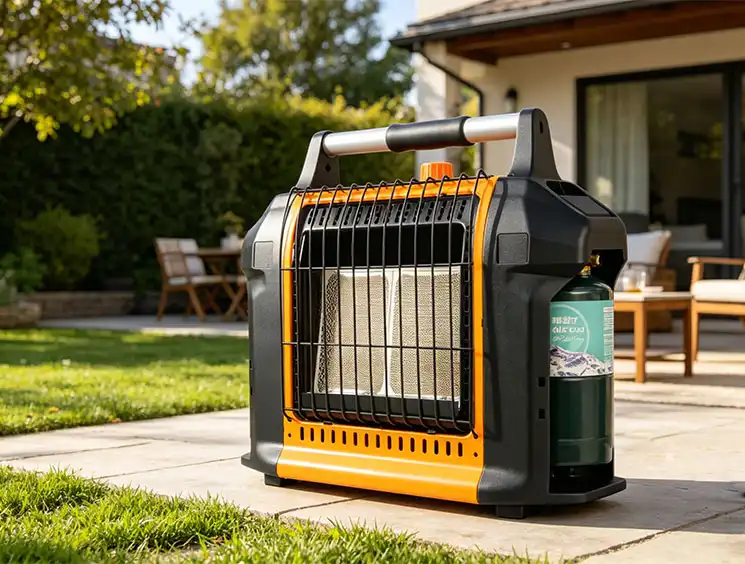
Propane heating systems use controlled burning to turn liquid petroleum gas into a strong heat source. An electronic ignition system makes a spark that lights the fuel mixture when propane gas enters the burner chamber. This combustion process makes a lot of heat, which moves through metal heat exchanges that are made to make the most touch with the air around them. Forced-air models have built-in fans that move warm air around the room, so the temperature rises quickly, in minutes instead of hours.
Rapid Warmth Distribution
Propane's high combustion efficiency heats things up right away in a way that electric resistance coils can't. Most propane unit heaters for garage reach full temperature in 90 seconds or less after being turned on, warming work areas at rates of more than 3,500 cubic feet per minute. This quick reaction is especially helpful for businesses that need to quickly set up their workspaces for early morning shifts or after the temperature drops at night.
Energy Density Advantages
Propane has about 91,500 BTUs per gallon, which is a lot of concentrated energy that means lower costs to run than electric heating in most places. Commercial buildings that use gas heating systems usually spend 30 to 40 percent less on heating than buildings that use electric systems to heat areas bigger than 400 square feet. Because propane cylinders are portable, they don't need any special infrastructure. This makes them perfect for rental businesses, short-term installations, and places that don't have natural gas service connections.
Safety Mechanisms for Enclosed Environments
Most modern propane heaters have a number of safety features that are designed to work in garages. Oxygen depletion devices constantly check the quality of the air and cut off the flow of fuel when oxygen levels drop below safe levels. If the unit becomes unstable, tip-over safety switches stop working right away. This keeps fuel from spilling out and creating fire risks. Pressure-regulating valves keep the fuel supply steady even when the tank level and temperature change, which keeps the flame patterns fixed for long periods of time.
How to Choose the Best Propane Unit Heater for Your Garage
To choose the right propane unit heater for garage, you need to carefully look at the features of the workspace, the tasks that need to be done, and the equipment's performance requirements. When comparing choices, people who work in procurement have to weigh the need for instant heating capacity against long-term efficiency, safety compliance, and ease of maintenance.
BTU Output Sizing for Your Space
To determine how much heat your garage can keep, you will need to measure the size of your garage and consider the quality of the insulation. For highly insulated spaces, the usual recommendations are 45 to 50 BTU per square foot. Garages with poor insulation or many openings need 60 to 75 BTU per square foot. In mild winter conditions, a 300-square-foot workstation with typical insulation requires 15,000 to 18,000 BTUs to keep comfortable. With an output of 18,000 BTU, the TOJIRO GH25-18B can heat a space up to 15 square metres. Its fuel consumption is roughly 188 grammes per hour.
Fuel Compatibility and Supply Flexibility
Operational flexibility depends a lot on how flexible the power source is. Multiple fuel types can be used in these units: normal propane tanks, high-altitude canisters, butane containers, and bulk LPG hookups. This makes purchasing easier for businesses that work in different areas or manage a variety of facilities. This makes the supply chain simpler and makes sure that heating keeps going even if certain types of fuel are suddenly absent because of changes in seasonal demand or problems with distribution.
Comparing Heating Technologies
In certain situations, propane devices are clearly better than electric, natural gas, and oil options. Electric heaters don't need to be fueled, but they do need major improvements to the electricity infrastructure and cost more to run in rooms larger than 200 square feet. Natural gas is cheap to use, but it needs to be installed permanently and the pipeline needs to be easy to get to. Although kerosene is portable, it has stronger smells and needs to be refueled more often. For most commercial garage uses, propane is the best choice because it strikes a better balance between portability, heating power, fuel availability, and cost-effectiveness.
Warranty Coverage and Service Support
Long-term ownership costs include more than just the initial purchase price. They also include the cost of repairs and the availability of new parts. Good manufacturers offer warranties that cover problems with the materials and the work for at least one year. To show its confidence in the high standards of quality control at its ISO9001:2015-certified production facility, TOJIRO offers a full warranty on all of its propane garage heating equipment. Service support accessibility is especially important for bulk buyers who handle multiple sites. Standardized equipment makes it easier to train technicians and keep track of parts inventory.
Top-Rated Propane Unit Heaters for Garage Use in 2026
TOJIRO GH25-18B Third Generation
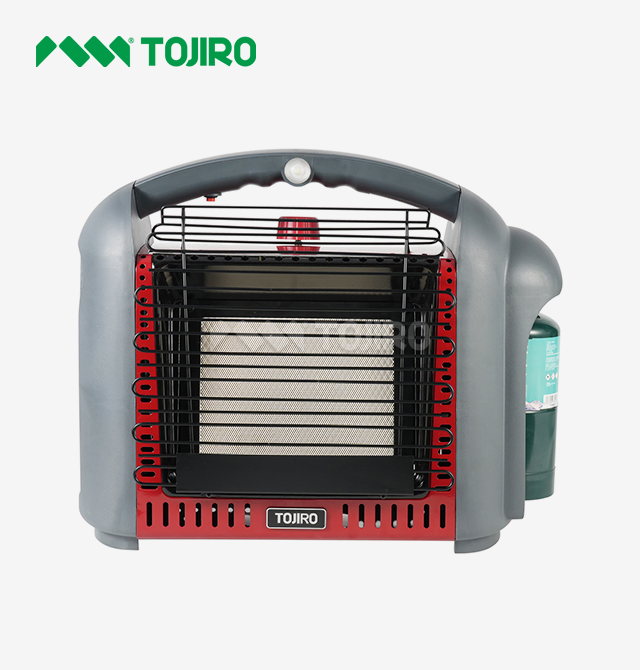
With over 20 years of experience specializing in outdoor heating, this 5,200-watt propane unit heater for garage is the result of improved engineering from two earlier models. The cold-rolled steel design can handle tough industrial settings while still being portable at 4.8 kilograms net weight. With electronic ignition, there are no more unreliable starter lights, so the engine can start up instantly and reliably even in cold weather. The unit can connect to LPG, propane, butane, high-altitude cylinders, and other fuel sources. This gives rental companies and owners with multiple sites a lot of fuel source options. The small size (475 x 215 x 370 millimeters) makes it possible to install in workshops with limited space without affecting the functionality of the workspace.
Performance Characteristics
Under normal conditions, this model can heat up to 161 square feet, making it a good choice for single-bay garages, places where equipment is maintained, and small workshops. The LED status monitor runs on two AA batteries, so it can still work when the power goes out, which would stop other options that depend on electricity from working. Safety meets GB/T38522-2020 standards, which means it will be accepted by regulators in all international markets. It also has certified safety features, such as oxygen depletion sensors and automatic tip-over shutoff mechanisms, to keep users safe.
Mr. Heater Big Maxx Series
Heavy-duty forced-air models with 50,000 to 80,000 BTUs are used in large commercial garages and service shops with more than one bay. Thermostat compatibility lets the temperature be maintained automatically, which uses less fuel during long times of activity. When you put something on the wall, you save room on the floor and send heat downward for better coverage.
Modine Hot Dawg Series
These commercial-grade units, which produce 30,000 to 125,000 BTU, are installed in suspended ceilings. Aluminized steel heat exchangers don't rust in places with a lot of humidity, like auto repair shops. Variable-speed blowers change the rate of airflow depending on how much heating is needed. This makes the most of fuel economy when only some of the system is being used.
Dyna-Glo Portable Convection Models
Freestanding models with 10,000 to 30,000 BTUs of heating power give you options for heating temporary work areas and running businesses during certain times of the year. Configurations with one or two tanks increase the time between filling rounds, allowing projects to be finished all day without stopping.
Installation and Maintenance Tips for Propane Unit Heaters in Garages
Proper Unit Placement
Putting your propane unit heater for garage near the main places where heat is lost, which are usually overhead doors or parts of walls that aren't sealed, makes the airflow better and the temperature more even. Keep a space of at least 36 inches between you and flammable things like stored chemicals, paint supplies, and fabric. Place units on flat, non-flammable surfaces made of clay, steel, or concrete that can handle long-term heat exposure.
Ventilation Requirements
To prevent the accumulation of burning gas, ventless propane heaters must continually exchange air. You need at least one square inch of permanent vent aperture for each 1,000 BTU’s of heater capacity. 18,000 BTU machine requires 18 square inches air flow area, which may be supplied by partly open windows, wall vents or door gaps. Vented versions alleviate interior air quality concerns, however authorised vent pipes need expert installation through outside walls or roofing assembly.
Routine Maintenance Procedures
The burner assemblies should be checked and cleaned on a yearly basis to allow for optimal combustion and to avoid partial burning of fuel. Blow away any accumulated dust and grime using compressed air, avoiding harm to the ignition wires or thermocouple sensors. Every three months, inspect the gas hoses for fractures, brittleness, or damage from UV radiation or chemicals. Test all the connections with soap solution, looking for bubbles to develop to discover if there is gas leaking that has to be corrected right soon.
Troubleshooting Common Issues
When electronic ignition systems fail, it's usually because the batteries are dead or the electrode wiring isn't connected. Uneven flame patterns could mean that the burner orifices need to be cleaned or that the fuel pressure isn't stable and the regulator needs to be adjusted. For professional diagnosis, persistent smells during operation mean that the fuel isn't burning completely because there isn't enough air flow or the ratios of fuel to air aren't right.
Procurement and After-Sales Considerations for B2B Buyers
Strategic Sourcing for Volume Purchases
Bulk purchasing agreements usually start at a minimum order quantity of 1,000 units. This lets big stores, equipment rental networks, and hospitality groups standardizing propane unit heaters for garage across multiple properties save a lot of money per unit. TOJIRO's 45-day production cycle gives them reliable lead times that help them plan their yearly supplies and time their marketing campaigns. Customization options go beyond basic specs and include private labeling, changes to packing, and regional approval compliance to meet the needs of specific markets.
Supplier Evaluation Criteria
When choosing a manufacturer, you should pay attention to their production ability, maintenance of quality certifications, and infrastructure for assistance after delivery. The ISO9001:2015 certification shows that quality management is carried out in a planned way during the entire design, production, and inspection processes. When it comes to consistent delivery performance during peak demand periods, production facilities that are bigger than 10,000 square meters usually have a wide range of equipment and a deep pool of workers. Companies that have been around since 2013 or earlier have been through many product cycles and changes in the market. This shows that they are more stable than younger companies that have just started up.
Replacement Parts and Accessories
For long-term operations to continue, it is important to have quick access to parts that wear out, like burner assemblies, ignition modules, pressure regulators, and thermocouple sensors. Before finalizing purchase agreements, make sure that parts will be available and list the longest lead times for common replacement items. Standardizing equipment names across sites makes it easier to keep track of parts and lessens the need for training technicians.
Seasonal Buying Strategies
The best times to buy propane heating tools are usually in the spring and summer, when demand drops after the busy winter months. If procurement managers plan ahead, they can get better prices and make sure that shipping times work with how their product is positioned for fall. Buying outside of peak seasons also makes it easier for manufacturers to respond quickly and make changes, compared to the busy winter months when production plans get backed up.
Conclusion
To find the best heating solution for a commercial garage, you need to carefully look at the technical specs, the needs of the business, and the supplier's abilities. Propane unit heater for garage provide instant warmth, fuel freedom, and cost-effective operation that electric systems have trouble matching in rooms bigger than 200 square feet. The TOJIRO GH25-18B combines the high quality of Japanese manufacturing with useful features like an output of 18,000 BTU, the ability to use multiple fuels, and full safety features that meet international standards. Besides making the original buy choice, successful procurement includes making sure that suppliers are reliable, parts are easy to find, and there is a service support system in place. Facility managers and buying professionals can find heating solutions that make workplaces more comfortable while keeping costs low over the life of the equipment by carefully evaluating these factors.
FAQ
1.What BTU capacity do I need for my garage?
Use 45 to 50 BTUs per square foot for the required propane unit heater for garage capacity in well-insulated areas and 60 to 75 BTUs per square foot for areas that aren't well insulated. About 15,000 to 18,000 BTUs are needed for a 300-square-foot garage with average insulation. When making predictions of capacity, take into account things like ceiling height, how often doors are opened, and how bad the weather is where you are.
2.Are propane heaters safe for enclosed garages?
Modern propane unit heaters for garage have sensors that turn them off automatically when the oxygen level drops, as well as tip-over safety built to work in tight spaces. Make sure there is enough air flow by allowing one square inch of space for every 1,000 BTUs of heater output. As an extra safety measure, put in carbon monoxide detectors.
3.How does propane heating compare to electric alternatives?
Propane heats up more quickly, puts out more BTUs per unit, and costs less to run in most places. Electric heaters don't produce any combustion products, but they need a lot of electricity and cost more to run in rooms bigger than 200 square feet. Propane is more portable than electricity because it doesn't need to be connected to a power grid.
4.What maintenance does a propane heater require?
An annual cleaning of the burner gets rid of the buildup of dirt that lowers the efficiency of burning. By checking the fuel lines every three months, you can find worn parts that need to be replaced before they leak. Every year, batteries in electronic ignition systems should be changed. Professional servicing every two to three years keeps the machine safe and keeps the manufacturer's warranty valid.
Partner With a Trusted Propane Unit Heater for Garage Supplier
TOJIRO offers heating options for businesses that are backed by ISO9001:2015 manufacturing standards and more than 20 years of experience in the field. Our propane unit heater for garage has an 18,000 BTU output and can use more than one fuel type. It works with stores, rental companies, hotel clients, and OEM partners in North America and Europe. When you buy in bulk from our propane unit heater for garage manufacturer, you can get competitive prices, delivery in 45 days, and full customization options, such as private labeling and regional certifications. There is a one-year warranty on every unit, and expert help is available when needed. Email our business-to-business sales team at [email protected] to talk about big discounts, custom specs, and partnership options that fit your needs. You can look at detailed technical documentation and request personalized quotes at qstojiro.com to help you make purchasing decisions.
References
1. Anderson, M. (2023). Industrial Heating Systems: Performance Analysis and Selection Criteria. Commercial Equipment Press.
2. Chen, L. & Roberts, K. (2024). Propane Technology in Modern Workshop Environments. Energy Solutions Publishing.
3. International Association of Heating Professionals. (2023). Safety Standards for Portable Propane Heaters in Commercial Settings. IAHP Technical Manual.
4. Martinez, R. (2024). Cost-Benefit Analysis of Alternative Heating Technologies for Industrial Facilities. Journal of Facility Management, 18(2), 145-167.
5. National Propane Gas Association. (2023). Best Practices for Propane Equipment Installation and Maintenance. NPGA Guidelines Series.
6. Thompson, J. (2024). Procurement Strategies for Commercial Heating Equipment: A Comprehensive Guide. Supply Chain Management Publications.

USER EVALUATE
Here is the customer's evaluation of us
_1763607791883.webp)
_1763606719875.webp)