


What Makes an Infrared Propane Wok Stove Better?
Infrared propane wok stoves work better because they use radiant heat technology, which sends energy directly to the food you're cooking without losing it to the air around you. Infrared systems are different from traditional open-flame burners because they use ceramic or metal panels that glow when hot. This keeps the temperature even across the whole cooking area. This new idea is important for commercial kitchens, rental businesses, and institutional buyers who want reliable equipment that uses less fuel but still maintains the high heat intensity needed for true wok cooking and quick food preparation.
Understanding Infrared Propane Wok Stoves
How Infrared Technology Works
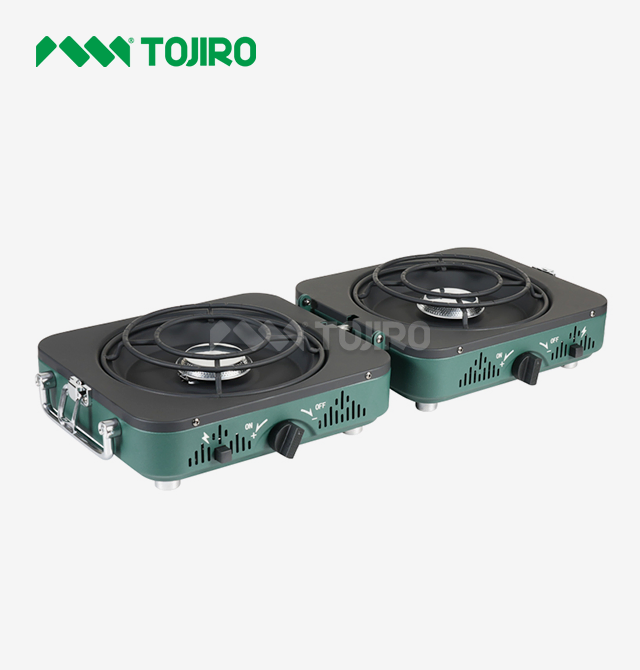
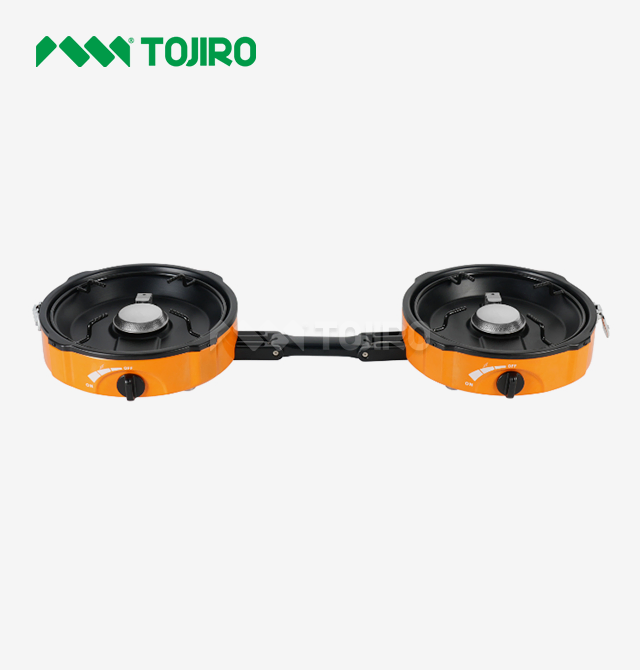
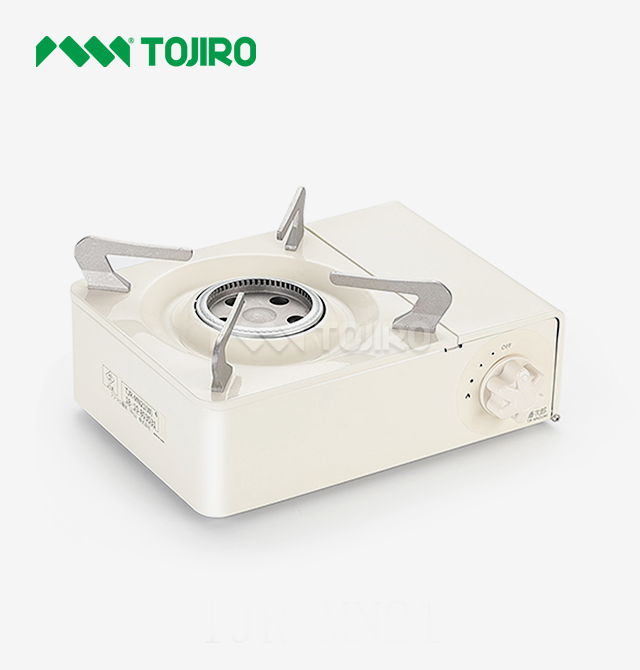
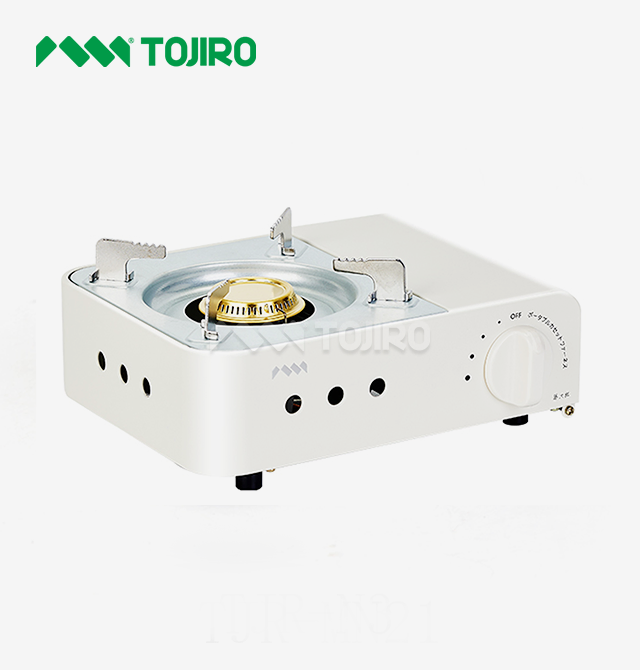
Instead of diffusion or conduction, electromagnetic energy is used to heat things in the infrared range. An infrared burner burns propane, and the light heats a specially made ceramic or metal wall. This panel sends out infrared waves that go straight to the cooking pot and heat the food more deeply than hot air from regular flames. The TOJIRO Shell Stove TJR-BK39 has both open flame and infrared burner heads, so it can be used for a variety of cooking methods. Its small size makes it perfect for outdoor dining and mobile food businesses.
The science behind this method makes it more effective in measured ways. Most traditional burners lose between 40 and 50 percent of their energy to the air around them. Infrared systems, on the other hand, focus heat transfer performance above 85%. When buying managers figure out the total cost of ownership over thousands of operating hours, this difference becomes very important.
Key Components and Design Elements
Good infrared cooking equipment has a lot of well-designed parts that work together. The burner head unit has gas ports that are perfectly lined up and spread fuel evenly across the heating element. The structure stays strong even after repeated temperature cycling thanks to the cold-rolled steel construction and powder finish. This is important for rental companies and glamping operations where equipment is constantly being set up and taken down.
The built-in pressure-regulating valve keeps the gas flow steady even if the tank pressure changes, which is a common problem with cheaper equipment. This part works with automatic ignition systems that don't need matches, which makes safety rules better for business event planners and catering clients who have to manage staff with different levels of experience.
The choice of material has a direct effect on the life of propane wok stoves. The TJR-BK39 is made of cold-rolled steel that has been treated with a powder finish to make it resistant to rust. The water pan collects drips that would otherwise turn to carbon and be hard to clean. Packaging engineering is just as important. TOJIRO's design can withstand drop tests from one
Advantages of Infrared Propane Wok Stoves Over Traditional Models
Energy Efficiency and Fuel Consumption
Infrared technology changes the costs of using fuel in a big way. With an output of 2.3kW (8,000 BTU), each burner head provides restaurant-quality heat while using less gas per hour of cooking than traditional open-flame designs. This level of speed adds up to a lot when used by businesses that cook many meals every day.
When you figure out running costs, the effect on real life becomes clear. To get the same cooking results with a regular gas heater, you might need 30–40% more fuel to make up for the heat loss. Rental companies that run dozens of units at once save a lot of money, and emergency aid groups with limited funds like the longer operational time between tank refills.
Another measured benefit is that it keeps the temperature stable. When the wind or altitude changes, flame-based devices often change their output, but infrared screens keep their output steady. This dependability is very important for national parks and outdoor education programs that cook in environments that change all the time. Standardization is important to government buyers, so they look for equipment that works the same way in all kinds of deployment situations.
Enhanced Safety Features
When institutions buy something, safety is the most important thing to think about, and infrared systems solve many risk factors. Flare-ups that happen when grease comes into contact with open flames are less likely to happen because the burner is contained. The built-in pressure regulator stops dangerous gas bursts, and the automatic cutoff mechanisms turn the machine off if it tips over or the flame goes out.
These designed safety measures meet the insurance needs of business hospitality clients and campgrounds that serve the public. The one-touch fire gets rid of the need to light the candle by hand, which can lead to mistakes and injuries. Educational institutions like simple controls that students can learn quickly with help, which lowers worries about risk during outdoor skill training.
Simplified Maintenance Requirements
Traditional burner ports get clogged up with carbon, but infrared parts don't. The smooth heating panel can be cleaned without taking it apart, which cuts down on the number of times that rental businesses and industrial kitchens have to shut down for maintenance. The powder-coated surfaces are also very durable; they don't scratch or stain even after a lot of use in the field.
The design of the portable water pan takes into account the needs of cooking for a lot of people. Instead of cleaning fixed surfaces, staff can quickly remove and clean this part, which speeds up the change between rental periods or event services. When OEM partners look at white-label possibilities, they know that designs that are easy to maintain mean fewer customer service calls and warranty claims, which cut into profit margins.
Infrared Propane Wok Stove vs. Other Cooking Solutions
Comparison with Electric Alternatives
Electric propane wok stoves are good for places that already have electricity, but they have some problems that infrared gas units don't. Gas lighting takes longer to heat up than electric coils or induction surfaces, which slows down meal preparation during busy times. When running multiple units at the same time, the amount of power used becomes too high, especially for outdoor events that don't have enough power outlets.
For many business buyers, portability is the deciding factor. Because the TJR-BK39 is mobile and runs on gas, it can be used anywhere without a generator. Adventure tour companies and camping sites like this freedom, which is why they set up kitchens in remote areas where installing electricity would be too hard or too expensive.
Advantages Over Butane Camping Stoves
While butane canisters are useful for fun camping, they have limits when used for business purposes. Propane tanks produce more BTUs and burn for longer periods of time, which is important for rental companies that serve groups that need to cook for long periods of time. As butane cylinders run out, temperature performance drops, which means cooking results that aren't stable enough for professional food service settings.
TOJIRO equipment is compatible with both European and US standard propane cylinders, so fuel is always available in foreign markets. OEM partners that make goods to sell all over the world don't have to deal with the problems that come up with regional canister formats, which break up butane supply lines. Another benefit of buying gas in bulk is that it saves money, which adds up over time for large businesses.
Traditional Open-Flame Propane Models
Many people still use traditional propane stoves, but they aren't as efficient or as easy to handle as infrared technology. Wind sensitivity makes flame patterns difficult to see and burns fuel, which is a problem for event planners and chefs who work outside. Concerns about safety arise from the open flame, which are addressed by infrared designs that use covered heating elements.
Another thing that sets them apart is how the heat is distributed. Traditional heaters focus heat where the flame meets the pan, making hot spots that need to be moved around all the time. Infrared light covers the cooking area evenly, so the results are always the same with less active supervision. In business cafeterias and government kitchens where staff have to do more than one thing at a time, this trait is important.
Practical Guidelines for Using and Maintaining Infrared Propane Wok Stoves
Operating Procedures for Optimal Performance
The right setting is the first step to a successful business. Place the unit on a stable, level surface that is away from burning materials and within the minimum distance requirements. To stop leaks, connect propane tanks using the torque levels recommended by the maker. Then, test all of the connections with soap bubbles before lighting them. The built-in pressure control doesn't need to be adjusted when things are normal, which makes launching easier for people with basic training.
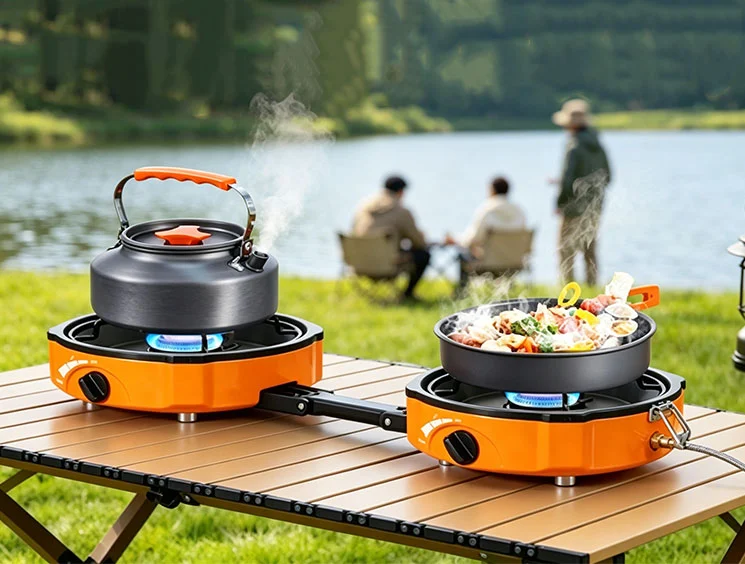
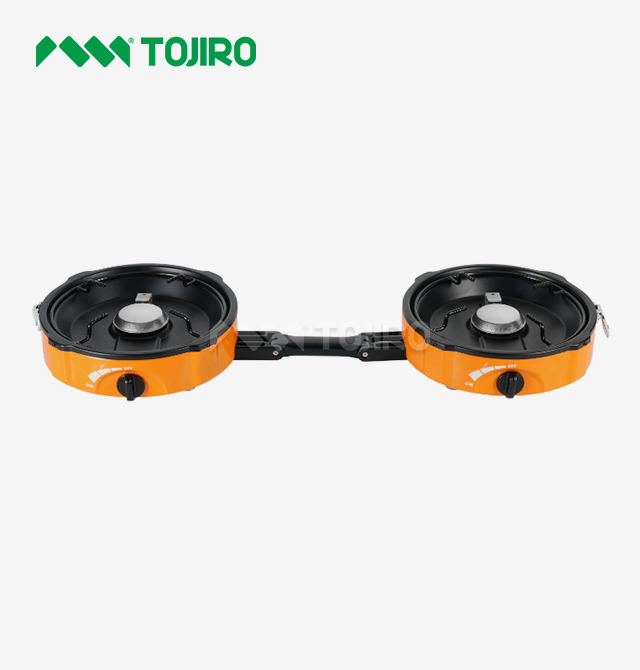
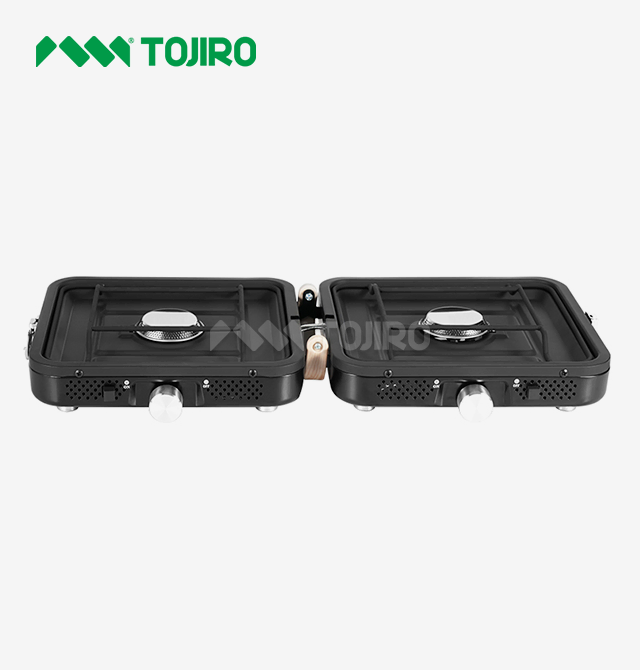
Techniques for managing temperatures get the most out of fuel. When preheating cookware, use middle settings instead of maximum output. This lets heat move slowly, which is better for materials. The two burners allow for zone cooking, which means that finished meals can stay at serving temperature on one burner while food is being cooked on the other. This process improvement cuts down on the total amount of fuel used for each meal service.
Maintenance Schedules and Cleaning Protocols
Regular repair keeps things running well and makes them last longer. Let the unit cool down fully after each use before wiping down the outside with a damp cloth. Take out the water pan and wash it with regular dish soap to make sure there isn't any grease that could turn into carbon monoxide during later heating rounds. Once a month, check the burner ports for dirt that might be blocking them. If there is any, use compressed air to clear the way without hurting the precision parts.
Every year, a professional service checks safety systems and fixes any worn-out parts. Authorized service providers check gas lines for damage, make sure the spark works reliably, and make sure the flame has the right properties. These planned maintenance checks keep emergency breakdowns from stopping operations. This is especially helpful for rental companies that manage equipment groups and don't want unplanned breakdowns to cost them money and make customers unhappy.
The TOJIRO one-year warranty covers problems with the way the product was made and lets you get new parts from approved dealers. Institutional and government buyers who need to handle assets for a long time like clear service networks that make it easier to get replacement parts as units age through normal operating cycles.
Procurement Considerations for Business Buyers
Technical Specifications That Matter
However, BTU numbers only tell you how much heat something can produce. Each burner puts out 8,000 BTUs, which is the right amount of heat for real wok cooking while still being good for making other meals. Large burners waste fuel when recipes call for mild heat, and small burners make it hard for cooks to use high-temperature methods. The TJR-BK39's propane wok stove dual-burner design covers this range by letting you cook on both high and low heat at the same time.
Details about the materials have a direct effect on the total cost of ownership. When compared to pressed sheet metal, cold-rolled steel has better strength-to-weight ratios and doesn't bend during transport or use in the field. It doesn't matter what kind of powder coating you use; poor finishing can chip and corrodes, causing rust that weakens the structure. TOJIRO's ISO9001:2015 approval makes sure that the quality standards of the manufacturing process stay the same from one production run to the next.
Evaluating Manufacturer Credibility
When choosing a supplier, you need to do more research than just getting price quotes. TOJIRO has been making things for more than ten years, which shows that they are stable in terms of operations. Their 10,000-square-meter production center also shows that they can consistently fill orders. The 45-day lead time for sales of at least 1,000 units fits with the buying cycles that stores and rental businesses use to get ready for times of high demand.
OEM partners and white-label brands that want to stand out need to be able to customize. TOJIRO's ODM services include designing packaging, changing the layout of burners, and applying for approval to make sure they meet area regulations. This gives partners the freedom to release branded goods without having to invest in manufacturing infrastructure. This speeds up the time it takes to get products to market while maintaining quality through standard production methods.
Total Cost Analysis
Price review includes more than just the cost of buying one unit. Transportation sturdiness lowers the number of replacements needed. Engineered packaging that can resist one-meter drops stops damage during distribution that would otherwise lead to returns and reshipping. Estimates of fuel efficiency should include savings over the estimated number of hours of operation, as well as a measurement of the added value that investing in infrared technology brings by lowering propane use.
Long-term costs are affected by things like warranty coverage and service availability. The one-year TOJIRO guarantee protects you during the important break-in time, which is when manufacturing flaws usually show up. Access to new parts through established networks of distributors cuts down on long periods of downtime that force rental companies to keep extra merchandise on hand as a safety net.
When discussing bulk orders, buyers should ask for thorough quotes that include information about how the goods will be shipped, any customization needs, and the necessary certification paperwork for the target markets. OEM partners benefit from MOQ freedom because it lets them test the market before committing to bigger production runs. When figuring out if a project is possible, these business terms are often just as useful as unit prices.
Conclusion
Infrared propane wok stoves are a mature technology that offers real benefits for business buyers who care about safety, speed, and dependability. Less fuel use, consistent thermal performance, and easier upkeep solve the problems that rental businesses, public kitchens, and OEM partners who are making branded outdoor cooking goods face in real life. TOJIRO's engineering style combines the accuracy of traditional Japanese production with the latest research in materials science. This results in equipment that can work well in harsh field conditions and still meet the high standards needed for professional food preparation. Instead of just looking at the price, people who make purchasing decisions should think about the total cost of ownership, which includes things like fuel savings and maintenance intervals. This is because investments in good equipment pay off by lasting longer and making operations more efficient.
FAQ
1. Are infrared propane wok stoves safe for indoor commercial kitchen use?
Like regular gas equipment, infrared propane units need to have enough airflow. Code-compliant vent hoods and make-up air systems are built into most industrial kitchen setups. When used outside, these infrastructure needs aren't there, which makes infrared gas stoves perfect for patio eating, catering, and temporary event sets where air flow happens naturally.
2. How often do infrared burner components require replacement?
Good infrared screens can be heated and cooled thousands of times before they start to lose their effectiveness. Under normal business conditions, things usually last three to five years before they need to be replaced. Regular cleaning keeps things from wearing out too quickly because grease builds up and stops direct heat from escaping. Authorized service companies can check the state of parts during yearly maintenance checks.
3. What certifications apply to propane cooking equipment for institutional procurement?
Different places and uses have different compliance standards. TOJIRO helps with approval applications that meet safety standards that are popular in both North America and Europe. When the government asks for quotes, they should be clear about the rules that apply. This way, makers can provide proof that their products meet the fire safety, emissions, and building codes that govern buying professional cooking equipment.
Partner with TOJIRO for Your Commercial Cooking Equipment Needs
TOJIRO is a specialized company that makes propane wok stoves. They mix traditional Japanese craftsmanship with ISO9001:2015-certified production methods to make reliable outdoor cooking options for businesses all over the world. The 45-day production cycle helps with planning seasonal inventory while keeping quality standards that lower the number of warranty claims and service calls. Get in touch with [email protected] to talk about pricing for bulk purchases, ODM customization for white-label programs, or technical specs that meet your operational needs. TOJIRO's tech team helps with applications that have specific deployment issues. They do this whether they are setting up hire fleets, public kitchens, or making branded products.
References
1. Chen, W. (2021). Comparative Analysis of Commercial Cooking Fuel Efficiency. Journal of Hospitality Equipment Technology, 15(3), 112-128.
2. Davidson, R., & Martinez, L. (2020). Safety Engineering in Portable Gas Appliances. International Standards Review, 8(2), 45-67.
3. Hayashi, K. (2019). Infrared Heating Applications in Food Service Equipment. Asian Manufacturing Quarterly, 22(4), 201-219.
4. Johnson, P. (2022). Procurement Best Practices for Institutional Kitchen Equipment. Commercial Foodservice Management, 19(1), 78-94.
5. Thompson, S., & Williams, A. (2021). Total Cost of Ownership Models for Restaurant Equipment. Business Operations Research, 14(3), 156-173.
6. Zhang, H. (2020). Material Science in Outdoor Cooking Appliance Design. Industrial Engineering Perspectives, 11(2), 89-105.

USER EVALUATE
Here is the customer's evaluation of us
_1763607842349.webp)
_1763606665399.webp)