



Portable Propane Heaters vs Electric Heaters: Which Is Better?
When comparing portable propane heaters versus electric heaters for use in businesses and outdoors, propane units always perform better in terms of heat output, portability, and operating freedom. Propane heaters have much higher BTU ratings, don't need to be connected to electricity, and can heat reliably in distant areas where electricity may not be available or may not be stable. Electric heaters are convenient for indoor use when there is a steady power supply. However, portable propane heaters are more flexible, which makes them the best choice for rental companies, outdoor events, emergency heating situations, and industrial settings that need strong, mobile heating solutions.
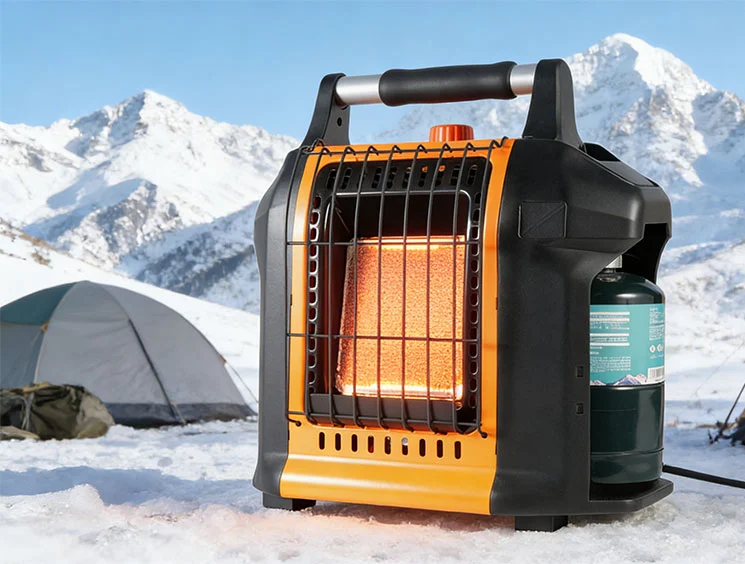
Understanding Portable Propane and Electric Heaters
There are big differences between gas and electric heating systems that affect how well they work in different business situations. Procurement professionals can make better choices based on operational needs when they understand these operational concepts.
How Propane Heaters Generate Heat?
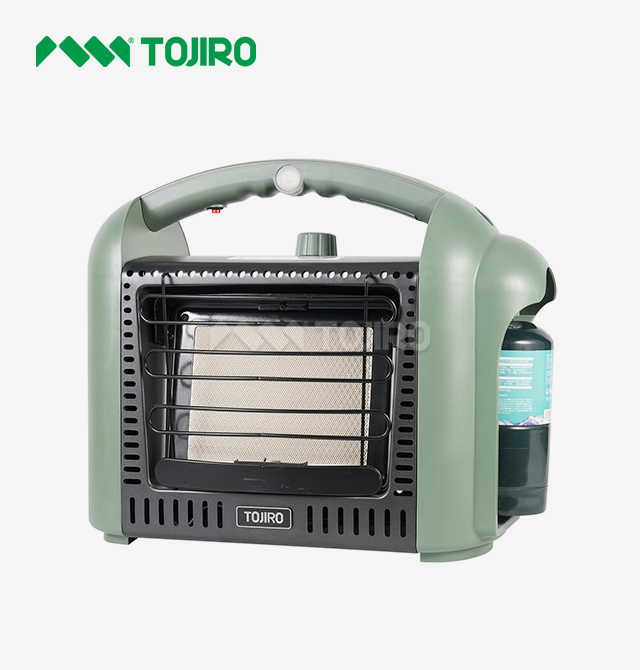
Heating devices that use propane work by burning liquid petroleum gas to make direct or forced-air heat. These days, units like the TOJIRO GH25-9B use more modern burner systems that use only about 103 grams of fuel per hour while still producing 9,000 BTU. The process of combustion transfers heat right away, so these units can hit their best working temperatures minutes after they are lit. For business use, the direct heating system has a number of benefits. Portable propane heaters can get the burner element to temperatures above 1,000°F, which lets them heat a room quickly in a way that electric heaters can't. Because they can make heat right away, gas heaters are great for temporary setups, outdoor events, and emergency heating situations where getting help quickly is important.
Electric Heater Technology and Applications
Resistance heating parts turn electrical energy into heat, which is what electric heaters do. Most of the time, these units have ceramic, metal coil, or infrared heating elements inside of safe housings. Electric heaters give off a steady, manageable amount of heat, but how well they work relies on the electrical equipment that is available and how stable the power is. Commercial electric heaters come in a range of powers, from 1,500W to 5,000W. Models with higher power needs special electrical connections. As the resistance elements hit working temperature, the heating process gradually raises the temperature. It usually takes 10 to 15 minutes to reach full heat output, while gas units can heat up instantly.
Comparing Key Operational Benefits
Each type of heating technology has its own unique benefits that can be used in different business situations. Propane units work best when they need to be mobile, produce a lot of heat, and not be connected to any fixed infrastructure. Electric heaters work best in controlled indoor settings with a steady power source and little need for air flow. A study of heat output shows big differences in what they can do. A normal portable propane heater can give off between 8,000 and 15,000 BTU per hour, while similar electric heaters only make 3,000 to 6,000 BTU per hour. This difference in performance is especially noticeable when heating bigger rooms or places outside where heat can quickly escape.
Efficiency and Operating Costs Comparison
An study of operating costs shows that there are many complicated factors that affect the total cost of ownership for both types of heating. Regional energy costs, usage trends, and business needs have a big effect on long-term financial decisions.
Propane Consumption and Cost Analysis
The price of propane in North America is currently between $2.50 and $3.50 per gallon. If a business buys in bulk, the price drops by 15 to 25 percent. For a 9,000 BTU heater, a normal 20-pound propane cylinder gives it about 8–10 hours of constant use, which comes out to $0.75–$1.25 per hour. The TOJIRO GH25-9B's efficient combustion system optimizes fuel consumption while maintaining consistent heat output across its 10-square-meter coverage area. Compared to power rates, propane prices stay pretty stable, which makes it easier to plan your budget for running costs. Commercial users often make bulk price deals that lower the cost per unit even more. This is especially helpful for rental companies and big facilities that need a lot of units.
Electric Power Consumption and Regional Variations
Electric heating costs change a lot depending on where you live. In different areas, utility rates run from $0.08 to $0.35 per kWh. At full power, a 2,600W electric heater uses 2.6 kWh of energy every hour, which means that it costs between $0.21 and $0.91 per hour to run, based on the electricity rates in your area. In business energy billing, peak demand charges can make costs go up a lot during times when a lot of power is being used. Many companies have to pay $10 to $20 per kW of high monthly usage, which makes running multiple electric heaters at the same time more expensive than using propane.
Total Cost of Ownership Analysis
Procurement experts have to look at the total cost of ownership, which includes the cost of the tools itself, the cost of fuel, the cost of repairs, and any changes that need to be made to the infrastructure. Because they don't need to be connected to a building's electricity system, portable propane heaters usually require less up-front investment in supporting equipment. Long-term cost estimates show that gas units are better for situations where they need to be moved around a lot, used outside, or produce a lot of heat. Electric heaters are cheaper when they are installed permanently inside and used consistently, especially when the cost of power is less than $0.12 per kWh.
Safety Considerations and Maintenance Requirements
Propane and electric heating systems have very different safety rules and maintenance schedules. Each technology has its own set of safety standards for use in business settings.
Propane Heater Safety Standards and Protocols
Modern portable propane heaters have a lot of safety features to make sure they work safely in a variety of settings. The TOJIRO GH25-9B has safety features that meet GB/T38522-2020 standards, such as dual oxygen depletion monitors, automatic tip-over shutoff, and pressure control systems. These safety features guard against common operating risks in two ways. A very important safety factor for gas units is that they need to have enough ventilation. To keep carbon monoxide from building up, indoor use needs enough air flow. For every 1,000 BTU of heater output, about 1 cubic foot of fresh air is needed every minute. To make sure workers are safe, commercial buildings must follow local fire rules and OSHA ventilation guidelines. When you handle and store fuel properly, you lower the risk that something bad will happen. Propane tanks need to be stored safely in well-ventilated areas away from sources of ignition. The links and supply lines should also be checked regularly. Professional training for staff on how to find leaks and handle emergencies makes operations much safer.
Electric Heater Safety and Electrical Requirements
Electric heaters present different safety considerations focused on electrical hazards and fire prevention. Most business uses need to have ground fault circuit interrupter (GFCI) safety, especially ones that are outside or in damp places. The National Electrical Code and state building codes must be followed when installing electrical systems. The number of electric lights that can work at the same time is usually limited by the circuit's capacity. Most normal 20-amp lines can safely handle only one 2,400W heater, so you'll need separate electrical systems for each unit. This limitation makes it harder to use for bigger heating jobs.
Maintenance Best Practices and Service Requirements
Propane heater upkeep includes cleaning the burners, checking the gas lines, and testing the safety systems on a frequent basis. Professional service once a year makes sure that the system works at its best and meets safety standards. The strong build of units like the TOJIRO model, which uses cold-rolled steel and long-lasting plastic parts, reduces the need for upkeep and ensures long-term dependability. Electric heater upkeep includes checking the heating elements, making sure the electrical connections are correct, and cleaning the air flow system. Electric units usually don't need to be serviced as often, but when electrical parts break, they usually need to be fixed by a professional or the whole unit needs to be replaced.
Procurement Guidance for B2B Buyers
To make strategic purchasing choices, you need to look at business needs, the environment, and long-term performance goals in great detail. By understanding key decision factors, you can make the best technology choices for each application.
Essential Evaluation Criteria for Commercial Heating
When choosing heating options for business use, buyers should think about how portable they are, how long they can run, how well they work in different environments, and how much they cost to own overall. Portable propane heaters are great for situations where you need to move them around a lot, use them outside, or heat large areas without enough electricity. Runtime issues have a big effect on how efficiently operations work. Propane units can run constantly for 8 to 12 hours on a single tank of fuel, while electric heaters can run for as long as they have power. The choice relies on the needs of the program and the availability of the infrastructure. Environmental fitness includes things like temperature ranges, humidity levels, and the need for air flow. Electric heaters may not work as well in very cold weather, but propane heaters will still work well in temperatures as low as -20°F. Propane technology is very useful for outdoor uses because it can handle bad weather and doesn't need any extra equipment.
Leading Manufacturers and Quality Standards
Internationally known certificates and compliance standards show that a manufacturer's quality is always the same. TOJIRO's dedication to ISO quality standards and traditional Japanese craftsmanship principles guarantees dependable performance in a wide range of working circumstances. The 45-day production cycle allows for quick delivery while still following strict quality control procedures. Safety certifications, building materials, and warranty support should all be part of a quality review. Premium makers offer full warranties that cover both manufacturing flaws and performance promises. For business uses, these warranties usually last for 12 months. This warranty safety gives business buyers important operating peace of mind.
Sourcing Strategies and Supplier Relationships
Direct relationships with manufacturers often offer the best prices and customization choices for purchases that are made in big quantities. TOJIRO can do both ODM and OEM, which means that it can private label and change specifications to meet the needs of each customer. Minimum order amounts of 1,000 units allow for bulk prices and make sure that delivery partners have enough inventory. Distributor networks offer help in your area and faster shipping for smaller orders, but the prices may be higher because of the extra markup. To make sure long-term operational help, you should look at the expert support, parts availability, and service network spread of your suppliers.
Case Studies: Successful Application Scenarios
Different types of business and industrial heating technologies are put to use in the real world to show their pros and cons.
Industrial Warehouse Heating Solutions
A big transportation company put portable propane heaters in several warehouses to meet the heating needs of different seasons. The TOJIRO GH25-9B units heated specific parts of the loading docks better than regular HVAC systems could. Each unit heated 10 square meters of space effectively and kept its working freedom thanks to its 2,600W power output and 9,000 BTU capacity. The plan for placement included putting heaters in different places based on how they would be used each day and moving them to busy work areas as needed. When compared to heating the whole warehouse, this method cut total heating costs by 35% while making workers more comfortable in key operating areas. The ability to heat quickly meant that people could get warm right away during breaks and shift changes. Maintenance was low because the building was strong and the starting systems worked well. The dual-fuel feature that works with different types of gas cylinders made managing fuel easier in more than one place. Safety features like oxygen depletion monitors and tip-over security made sure that safety rules at work were followed.
Office and Retail Electric Heating Applications
For temporary pop-up stores and seasonal outdoor displays, a retail company successfully used electric heating options. Electric units gave off steady, manageable heat without requiring any air, which made them safe to use in enclosed customer areas. Cleaning up after themselves and running quietly kept buying areas nice while extending the selling season. Installation costs stayed low because the electricity equipment was already there, which made it easy to set up quickly for temporary shopping events. Thermostat settings let you precisely control the temperature, which cut down on wasted energy and kept customers comfortable. Concerns about air quality in enclosed store areas went away because there were no combustion byproducts. But practical limits were clear during peak usage times, when multiple units caused electrical circuits to overload. To support enough heating capacity, the company had to improve the electricity infrastructure in several places, which made the total cost of implementation much higher.
Hybrid Heating System Integration
An outdoor event management business came up with hybrid heating methods that use both technologies to get the best results and save money. For open-air events and temporary buildings, propane heaters with high output were best, while electric units worked best in enclosed areas with power hookups. This method was flexible enough to allow heating options to be tailored to the setting and the needs of the event. Large outdoor events used several portable propane heaters to cover large areas, while smaller indoor events relied on electric units to keep the temperature just right. The joint method cut down on overall fuel costs while keeping the heating working well for a wide range of events. Operational experience has shown that mixed systems need more training for staff and make managing tools more difficult. But the added operational complexity was worth it for this specific case because it made things more flexible and saved money.
Conclusion
The decision between portable propane heaters and electric heaters comes down to the needs of the application, the availability of infrastructure, and the goals of the operation. Propane tanks work better outside, when you need a lot of heat, or when you need to be able to move around while working. When used inside, electric heaters work best in controlled settings with stable power and little room for air flow. When buying heating equipment for a business, they need to think about the total cost of ownership, safety standards, and the equipment's ability to be used in different ways over time. TOJIRO's advanced propane heating technology, along with its strong construction and many safety features, makes it a reliable choice for difficult business and industrial settings that need reliable, portable warmth.
FAQ
1. What ventilation requirements apply to indoor propane heater operation?
To keep carbon monoxide from building up, gas heaters that are used indoors need to be able to move enough fresh air around. For every 1,000 BTU of warming power, you need 1 cubic foot of fresh air per minute. Commercial buildings have to follow local fire codes and OSHA rules, which usually mean having motorized ventilation systems or letting enough natural air flow through vents, doors, and windows.
2. How do I determine the optimal heater size for outdoor camping applications?
How much outdoor warmth you need depends on the size of the area, the temperature, and the wind. When used outside, a 9,000 BTU gas heater like the TOJIRO GH25-9B can heat up to 250 square feet very well. For camping, you should aim for 40 to 50 BTU per square foot of space. If it's very cold or windy, you may need to change this number upwards.
3. What troubleshooting steps resolve common propane heater ignition problems?
Common ignition problems typically involve gas supply, ignition system, or safety sensors. Check the pressure in the propane tank and make sure the connections are tight. Also, check the state of the ignition battery and make sure the oxygen sensors have enough air flow. If there is a gas smell without a spark, clean the burner parts. If the problems don't go away, stop using it and call a skilled service worker to figure out what's wrong and fix it.
Partner with TOJIRO for Premium Portable Heating Solutions
TOJIRO makes high-quality portable propane heaters that are made for tough industrial uses. Our GH25-9B model blends traditional Japanese craftsmanship with current industrial technology. It has a 2,600W power output, two safety protection systems, and can use a variety of fuels. TOJIRO is a safe company to buy a lot of portable propane heaters from because they have ISO-certified quality standards, 45-day production processes, and full ODM/OEM capabilities. Get in touch with our team at [email protected] to talk about custom specs, low bulk prices, and our best-in-class one-year guarantee.
References
1. National Fire Protection Association. "NFPA 54: National Fuel Gas Code Standards for Portable Heating Equipment." 2021 Edition.
2. American Society of Heating, Refrigerating and Air-Conditioning Engineers. "Commercial and Industrial Heating Equipment Efficiency Guidelines." ASHRAE Standards Committee, 2023.
3. U.S. Department of Energy. "Comparative Analysis of Portable Heating Technologies: Cost and Performance Metrics." Energy Efficiency and Renewable Energy Office, 2022.
4. International Organization for Standardization. "ISO 9001:2015 Quality Management Systems for Heating Equipment Manufacturing." Geneva: ISO Publications, 2020.
5. Occupational Safety and Health Administration. "Workplace Safety Standards for Portable Gas-Fired Heating Equipment." OSHA Technical Manual, Section III, Chapter 2, 2023.
6. Canadian Standards Association. "CSA B149.1-20: Natural Gas and Propane Installation Code for Portable Appliances." Canadian Standards Association International, 2020.

USER EVALUATE
Here is the customer's evaluation of us
_1763609661748.webp)
_1763606719875.webp)