


Portable Propane Heaters for Patio, Camping, and RV Use
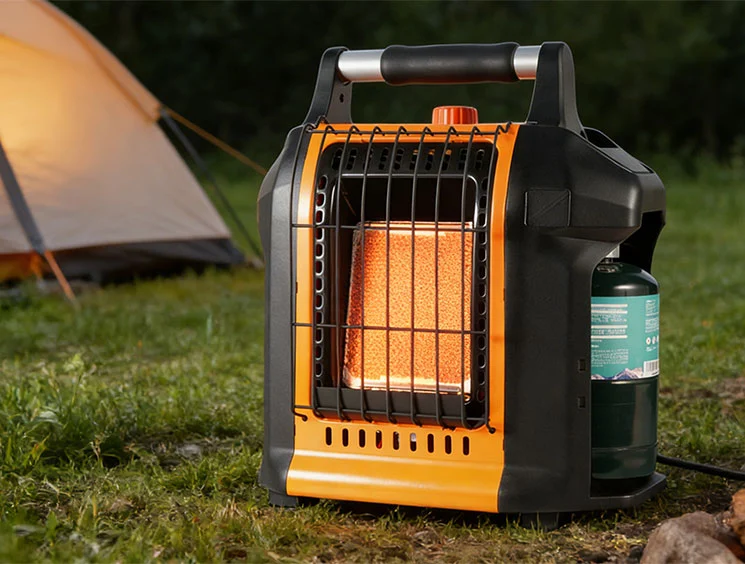
Portable propane heaters are an important way to heat outdoor areas like gardens, camping sites, and RVs. These flexible heating devices don't need to be connected to electricity, which makes them perfect for remote areas where regular heating systems can't work. Quality gas heating equipment is becoming more and more popular among business-to-business customers who need reliable thermal solutions for a wide range of operating needs.
How Portable Propane Heaters Work and Their Benefits?
Liquefied petroleum gas burns cleanly to make radiated heat in propane heating technology, which works through controlled burning. Propane gas moves from tanks that are under pressure through valves that are controlled. This keeps the flame output and temperature stable. This process heats up right away, without the waiting time that usually comes with electric cooking options.
Operational Mechanisms and Heat Generation
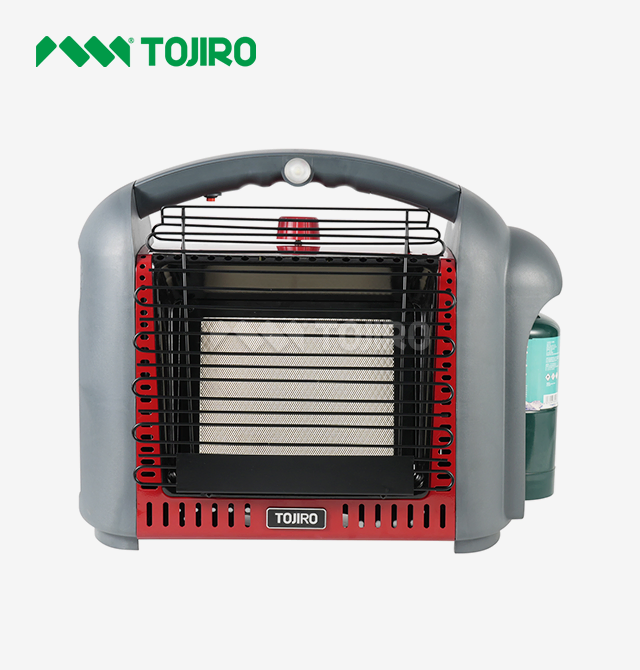
Radiant, convective, and catalytic systems are the three main ways that portable propane heaters heat the air. Radiant types send heat waves to specific areas, which makes them great for heating specific areas outside. Through movement, convective heaters warm the air around them, making enclosed or partially enclosed areas comfortable to be in. Catalytic systems heat without using flames, which saves air while keeping the temperature fixed. Modern gas heating equipment works well because the combustion chambers are designed in a way that makes the best use of the fuel. Quality units like the TOJIRO GH25-9B put out 9,000 BTUs while using only 103 grams of propane per hour, which means they use very little fuel and can run for long amounts of time.
Key Benefits for B2B Applications
Propane heating systems are ideal for businesses and rentals due to their numerous advantages. Businesses may utilize heating equipment wherever they need it without altering their structures since it's movable. This versatility helps event, space, and hospitality organizations adjust their plans as space demands alter. Another advantage of propane is its lower cost than electricity. Propane is cheaper than electricity and generates more heat per unit in most regions. These heaters don't need electricity, thus they operate normally during outages. This makes them crucial for remote work and emergency preparedness. Additionally, propane burns cleanly and creates little odors, helping many firms satisfy environmental criteria.
Choosing the Best Portable Propane Heater: A Decision Support Approach
To choose the right heating equipment, you need to carefully consider its working factors and the end-use requirements. For B2B buyers to get the best performance in the situations they want to use it for, they need to think about things like service area, fuel compatibility, safety features, and servicing needs.
Environmental Assessment and Sizing Requirements
To find the right heater size, you must first accurately measure the area and think about the surroundings. The TOJIRO GH25-9B, with its 2,600W power output and 9,000 BTU capacity, effectively heats approximately 10 square meters, making it suitable for small to medium-sized outdoor spaces or RV interiors. To keep temperatures within the ranges that are needed, larger places may need more than one unit or models with more space. Wind exposure, roof height, and insulation levels all have a big effect on how well heating works. Because open patios lose more heat than covered patios, they need higher BTU values to keep people as comfortable as covered patios. The small size and low fuel usage make it ideal for use in RVs because they don't take up much room and keep you warm for long periods of time.
Safety Features and Fuel Compatibility
Modern portable propane heaters include various safety measures to protect persons and property. Oxygen depletion sensors monitor air quality, pressure release valves prevent harmful gas builds up, and automated tip-over shutoffs halt gas flow if the units become unstable. Tilt protection and oxygen shortage mechanisms make the TOJIRO model safe to use in many situations. Fuel diversity increases flexibility, particularly for organizations with diverse clientele. Units that operate with propane tanks, high-altitude canisters, and butane fuel sources simplify logistics and decrease supplier dependence. Rental enterprises and outdoor entertainment providers who deal with consumers who prefer alternative fuels and circumstances where they are unavailable benefit from this compatibility.
Performance Metrics and Brand Evaluation
Key performance signs, such as ignition reliability, burn time economy, and temperature stability, must be looked at when evaluating heating equipment. Electronic starting systems are more reliable than hand lighting methods. They also make operations simpler and safer for users. In good models, the voltage starting system makes sure that the car starts every time, even when the weather is bad. Brand reputation and warranty coverage significantly impact long-term value propositions for B2B buyers. The fact that manufacturers offer full one-year warranties shows that they are confident in their goods and protects buyers from flaws and early fails. When ordering in bulk, the dependability of the supply chain is very important because shipping times and product consistency have a direct effect on how the business runs.
Best Practices for Safe Use and Maintenance of Portable Propane Heaters
Safe operation rules protect users and make sure that equipment lasts as long as possible and works reliably. Proper ventilation needs, placement rules, and regular upkeep methods are the building blocks of good heater management in all situations.
Ventilation and Placement Guidelines
Carbon monoxide builds up in tight areas and is very dangerous to your health if you don't have enough ventilation. For RV uses, fresh air needs to flow all the time. This is usually done by partly opening windows or installing dedicated ventilation systems. The three-foot clearance rule says that you must keep certain distances from flammable materials, furniture, and building parts to avoid fire risks. Placing it level on a stable surface keeps it from falling over and makes sure that the fuel flows properly so that it burns efficiently. Surfaces that aren't level can mess up interior safety systems and cause operational risks. It is important to check the ground's stability, especially when camping outside, where soft dirt or uneven ground could make the generator less stable.
Routine Maintenance Procedures
Maintaining equipment on a regular basis keeps it running at its best and extends its life. Cleaning the air entry stops dust and other particles from building up, which can lower the efficiency of burning and cause safety shutoffs. Inspections of fuel lines find leaks or wear patterns that could make the system less safe or less effective. Professional maintenance plans usually include full checks of all safety systems, combustion parts, and fuel lines once a year. Keeping records of maintenance tasks helps with guarantee claims and shows that safety rules are being followed for business uses. Proper storage methods, such as disconnecting the fuel and taking steps to protect against wetness, keep tools safe during the off-season.
Top Portable Propane Heater Models and Use Cases
On the market today, there are a lot of different heating options that can be used for different purposes. When you know what a model can do and how it should be used, you can make smart purchasing choices that meet both business goals and customer wants.
TOJIRO GH25-9B Third Generation Features
Next-generation portable propane heaters like the TOJIRO GH25-9B heat quickly. It warms chilly spaces in 5–10 minutes. Cold-rolled steel and plastic pieces make this third-generation model durable and lightweight (3.7 kg net weight). This kind works with many fuels, making it unique. It works with propane tanks, high-altitude canisters, butane, and liquefied petroleum gas using adapters. This gives enterprises with a diverse client base or variable fuel supply greater flexibility. If it satisfies GB/T38522-2020 criteria, the unit is safe and meets international standards. The built-in LED lighting system, powered by two AA batteries, making it simpler to operate in low light, such as while camping or on a porch at night. Electronic voltage ignition ensures dependable starting without any effort. This makes operations easier and safer for all skill levels.
Application-Specific Recommendations
Certain qualities are needed for the heater to perform well in various conditions. Campers like tiny, light versions since they are easy to transport and keep your tent or shelter warm. The TOJIRO machine is light enough for vehicle camping at 4.8 kg and simple to set up and relocate. Patio heating requires air-warming kinds for open or partly open settings. Higher BTU outputs compensate for heat loss to the air surrounding the unit, and solid base designs keep it safe in windy conditions. Multiple smaller heaters are preferable than one big one for business patios. Smaller heaters may better disperse heat and operate if the larger ones break down. RV heating works best with tiny designs to maximize space and keep beds and living rooms warm. Long excursions with limited petrol sources need careful fuel utilization. Quality models utilize 103 grams of gasoline per hour, so they last longer without fuel tank changes.
Procurement Channels and Tips for Bulk Buyers and Distributors
To successfully buy in bulk, you need to build smart relationships with your suppliers, follow quality assurance processes, and plan your logistics so that you can always get the products you need at the best price. Knowing what a company can do and how the market works helps you make good buying choices when you need a lot of something.
Supplier Evaluation and Relationship Management
Because manufacturers cut out intermediaries and guarantee product authenticity and warranty support, bulk customers frequently get the greatest deal from direct contacts. TOJIRO requires 1,000 pieces and 45 days to produce. This gives distributors and major purchasers confidence in supply planning. This manufacturing schedule allows plenty of time for seasonal demand and marketing modifications. Customization helps private label items stand out. ODM and OEM services let companies set their own product specifications utilizing existing manufacturing technology. Brand identity and cost savings are achieved by customizing packaging for large orders. International quality standards like ISO compliance provide product consistency and regulator approval worldwide.
Quality Assurance and Logistics Considerations
Bulk purchases need careful quality control to ensure product consistency. Random sampling, pre-shipment inspections, and performance testing discover product issues before they reach consumers. When you purchase a lot of products, warranty coverage is vital since flaws may affect customer satisfaction and repair costs. Logistics planning involves shipping logistics, shipping dates, and storing plenty of products. Container shipping is cheaper for overseas orders, while local providers may have more transit options for lesser quantities. Best order timing depend on seasonal demand. To satisfy client demand during outdoor heating season, supplies must be put in advance. Strategic partnerships with reliable suppliers provide long-term competitive advantages including cheaper costs, quicker manufacturing, and new product collaboration. When supply chain issues or demand spikes make buying problematic, these linkages are beneficial.
Conclusion
Portable propane heaters are very important for many business-to-business uses, such as event planning and hospitality, as well as rental services and emergency preparation. Because they are portable, use little fuel, and work reliably, these devices are a must-have for businesses that need flexible heating options. High-quality models like the TOJIRO GH25-9B show how modern tech can offer better performance while still meeting safety standards and being easy to use. To keep customers happy and the business making money, good buying strategies focus on building relationships with suppliers, making sure quality, and finding ways to save money over the long term.
FAQ
1. Can portable propane heaters be used safely indoors in RVs?
Yes, safe portable propane heaters made for indoor use can work safely in RVs as long as they have enough air flow. Units must have automatic shutdown and sensors that turn them off when air levels drop. Carbon monoxide doesn't build up when fresh air is constantly moving through the system. This is usually done by partly opening windows or installing RV ventilation systems.
2. What size propane heater do I need for camping applications?
The right size camping stove relies on the size of your tent or shelter and the weather. A 9,000 BTU machine like the TOJIRO GH25-9B can heat up an area of about 10 square meters, which makes it good for big tents or camping shelters. Smaller rooms need relatively less heating power, but in extreme cold, you may need higher BTU ratings.
3. How do propane heaters compare to electric alternatives for outdoor use?
For outdoor use, propane heating has a number of benefits over electric systems. Operating in remote areas is possible because it doesn't need to be connected to an electricity grid, and the higher heat output per unit of energy makes it more effective at warming. The price of fuel stays lower than the price of electricity, and propane devices work consistently when the power goes out.
Partner with TOJIRO for Premium Portable Propane Heating Solutions
TOJIRO delivers exceptional heating solutions that combine traditional Japanese craftsmanship with modern industrial technology, ensuring superior performance and reliability for your business needs. Our GH25-9B third-generation model exemplifies innovation in portable propane heaters, featuring rapid heating technology, comprehensive safety systems, and multi-fuel compatibility that sets industry standards. As a trusted portable propane heaters manufacturer, we provide comprehensive ODM/OEM services, competitive bulk pricing, and one-year warranty coverage to support your business success. Our 45-day production cycle and 1,000-unit minimum orders enable predictable inventory planning while our ISO-compliant quality standards ensure consistent performance across all shipments. Contact us at [email protected] to explore our complete product portfolio and discover how our heating solutions can enhance your customer satisfaction and operational efficiency.
References
1. "Safety Standards for Portable Gas Appliances in Commercial Applications," American National Standards Institute, 2023.
2. Johnson, Michael R. "Fuel Efficiency Analysis of Portable Heating Systems for Outdoor Recreation," Journal of Outdoor Equipment Technology, Vol. 15, 2024.
3. "Market Analysis: Global Portable Heating Equipment Demand Trends," Industrial Heating Solutions Quarterly, Spring 2024.
4. Thompson, Sarah L. "Risk Management in Hospitality: Portable Heating Safety Protocols," Hospitality Safety Management Review, Issue 8, 2023.
5. "Energy Consumption Patterns in Recreational Vehicle Heating Systems," RV Industry Association Technical Report, 2024.
6. Martinez, Carlos A. "Supply Chain Optimization for Seasonal Heating Equipment Distribution," Business Logistics Today, December 2023.

USER EVALUATE
Here is the customer's evaluation of us
_1763607940917.webp)
_1763607791883.webp)