



Mobile Stove Top Buying Guide for Outdoor and RV Kitchens
Choosing the right mobile stove top can make or break your cooking experience when you're camping or cooking outside. It is important to know the differences between portable cooking tools whether you are setting up a rental fleet, stocking a store, or creating a unique outdoor kitchen. This complete guide talks about the most important things that procurement workers, distributors, and business buyers who want reliable, high-performance cooking options for a wide range of outdoor uses should know.
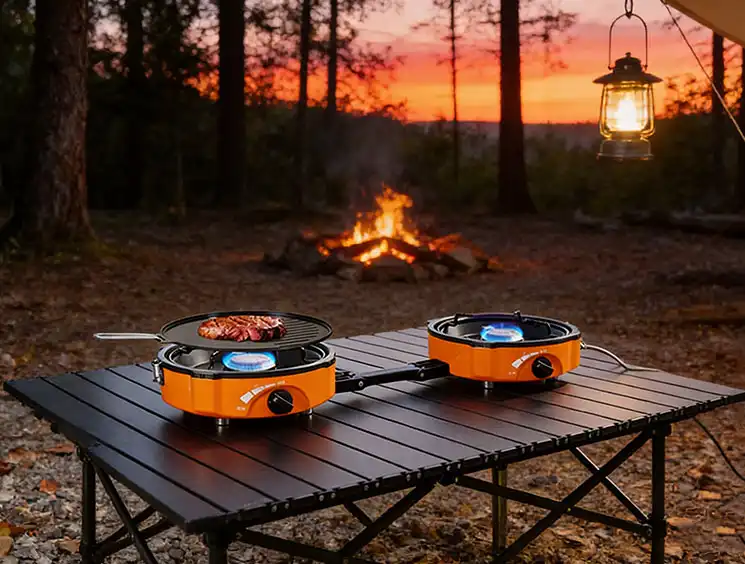
Understanding Mobile Stove Tops: Key Features and Benefits
Mobile stove tops are the next step in outdoor cooking technology. They combine old-fashioned artistry with modern engineering ideas. These small, multifunctional cooking tools are made to work in outdoor and RV kitchens, where limited room and the need to be mobile call for creative solutions. The best thing about compact cooking gear is that it can be used with a variety of fuels and in a variety of situations. Gas-powered units, especially those that use propane or high-altitude gas tanks, rule the market because they can start right away and keep putting out heat. Electric and induction models are used in certain situations where there is an electrical system that allows them to work. They provide accurate temperature control and safety benefits in small areas.
Portability and Space Optimization
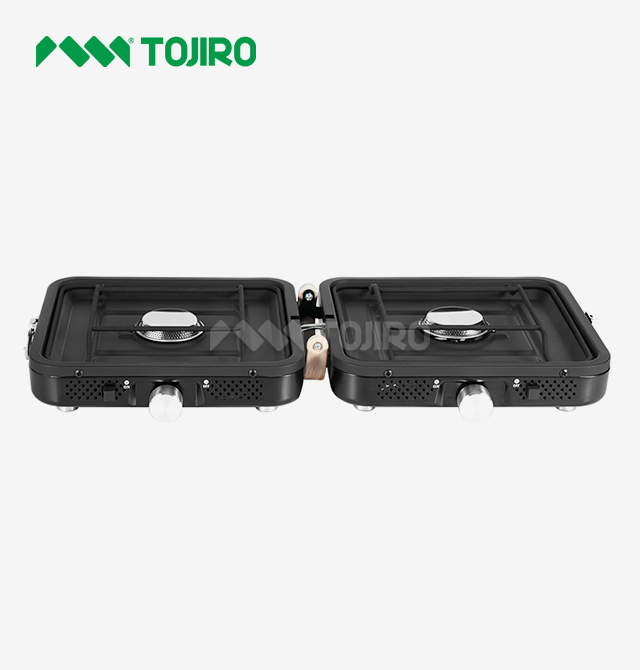
One of the best things about movable stoves is that they can turn any outdoor area into a useful kitchen. Unlike traditional built-in equipment, these units can be moved right away, giving you more choices for how to arrange your kitchen and how to store things during the winter. This flexibility is very helpful for rental companies that need to manage tools in multiple places and for hospitality businesses that need to change to changing venue needs. Designs that save space solve the problem of not having enough room in RVs and outdoor stoves, where every square inch is important. Modern units like the TOJIRO TJR-BK39 show this concept in action; when folded, they measure only 245×210×59mm, but when they're opened up, they can fit multiple cooking dishes at once. This small size makes it easy to store without reducing the cooking ability.
Energy Efficiency and Operational Cost Benefits
Long-term running costs are greatly affected by energy economy, especially for companies that manage big fleets of equipment. Modern compact stoves can produce a lot of heat (BTU) while still using very little fuel. For example, the TJR-BK39 can produce 8000 BTU while using only 152g per hour. This economy means that fuel costs are lower and cooking sessions last longer between refilling. Mobile units are better than standard stoves in a number of important ways. Their easier construction means that expensive changes to the infrastructure don't have to be made, and their lower energy use directly affects running costs. Their low upkeep needs and easy fixing make them even more appealing to businesses that want to keep costs low and operations reliable.
How to Choose the Right Mobile Stove Top for Your Business Needs?
Before you can choose the right mobile stove top, you need to carefully consider your unique buying situation and operating needs. There are a lot of factors that business owners have to consider in order to find solutions that meet the needs of end users, stay within budget, and work well.
Critical Selection Parameters
Size concerns go beyond the actual measurements and include things like the amount of room needed for cooking and working. While multi-burner setups give you more cooking options, they also take up more space and use more fuel. Single-burner units are the most portable but can't cook more than one thing at a time, so they're best for simple uses or backup situations. Fuel compatibility is an important decision point that affects the freedom of operations in the long run. Propane-powered units are easy to find and work consistently across a wide range of temperatures. High-altitude gas tanks are more convenient in some situations. Both European and US standards can be used with the TOJIRO TJR-BK39, making it fully compatible for foreign purchasing situations. The amount of heat that is needed depends a lot on the purpose. For fast cooking and making a lot of food at once, commercial catering needs high BTU ratings. On the other hand, leisure RV use values fuel economy and gentle heating. Knowing these standards keeps you from over-specifying, which can lead to higher costs, and makes sure that the product works well enough for its intended use.
Durability and Quality of Construction
The focus of a build quality review is on the materials used, the building methods, and the building's ability to withstand the elements. The TJR-BK39 is made of cold-rolled steel and has a powder covering that makes it very resistant to rust and impacts, which are important for outdoor uses. This way of building doesn't break down when it's handled many times, when the temperature changes, or when it gets wet. Total cost of ownership is directly affected by how easy it is to maintain, especially for rental businesses that have to deal with a lot of equipment changing hands. Units with removable parts, easy-to-reach cleaning areas, and standard replacement parts make maintenance easier and lower the cost of work. Oil and water storage trays that can handle high temperatures make cleanup easier and keep interior parts from getting dirty.
Supplier Evaluation and Brand Comparison
Looking at a supplier's reputation and how well they can make things gives you important information about the possibility for a long-term relationship. Manufacturers that have been around for a while and have ISO approval standards show that they are committed to quality control and stability. This method is shown by TOJIRO, which combines traditional Japanese craftsmanship with modern industrial technology to make goods that meet worldwide standards while keeping prices low. Warranty coverage and after-sales help have a big effect on how well a buying goes, especially when more than 1000 units are bought in bulk. Comprehensive guarantee programs protect the value of an investment and show that the maker trusts the dependability of the product. Technical support makes sure that working problems are fixed quickly, which cuts down on downtime and customer complaints.
Mobile Stove Top Performance and Safety: Best Practices
Following safety rules and care steps designed for outdoor and RV settings is very important for getting the most out of mobile stove top equipment. These practices make sure that operations are reliable, that equipment lasts longer, and that users are safe.
Installation and Setup Procedures
The first step in a proper installation is choosing a site with level, stable surfaces that are away from burning materials and with enough air flow. Wind protection methods, like built-in shields or smart placement, keep the flame's characteristics constant and the fuel's efficiency high. The pressure-regulating valve system in units like the TJR-BK39 keeps the gas flow fixed even if the pressure in the canister changes or the temperature changes in the room. Ventilation is very important in tight RV areas because combustion byproducts can build up quickly. Having enough air flow keeps cooking areas warm and stops carbon monoxide from building up. Professional fitting standards say that certain distances and air flow rates should be used based on the burner's output and the enclosure's volume.
Fuel Handling and Storage Protocols
The right way to handle fuel reduces safety risks and ensures peak efficiency. When connecting gas canisters, it's important to pay close attention to how the threads work together and how to find leaks. Putting soapy water on connection points shows any possible leaks by making bubbles, which is an instant visible proof of a secure installation. When thinking about storage, you need to think about both working canisters and spare fuel sources. Temperature-controlled areas keep fuel quality high for long periods of time by stopping pressure from building up in sealed tanks. Rotation methods make sure that older stock gets used first, which stops fuel degradation and the efficiency problems that come with it.
Maintenance and Component Replacement
Schedules for routine repair keep performance characteristics and find possible problems before they affect operations. When you clean it regularly, you get rid of the grease and food particles that can clog burner ports or make the fire less reliable. Modern units have parts that can be taken off and cleaned easily, even without special tools or technical know-how. Using original manufacturer parts to change a part keeps safety standards and efficiency standards in place. Generic alternatives might be cheaper, but they often don't work as well and don't cover warranties. By building ties with authorized service places, you can be sure that you can get genuine parts and expert help when you need it.
Latest Trends and Innovations in Mobile Stove Tops
The market for portable cooking equipment is still changing very quickly. This is because of worries about the environment, new technologies, and shifting customer tastes. Understanding these trends gives buyers who are looking for future-proof ways to buy things a competitive edge regarding the mobile stove top market.
Sustainability and Environmental Considerations
Environmental awareness affects buying choices more and more across all market groups. Low-emission fuel methods and better combustion efficiency help the environment while keeping heating performance the same. To handle these issues, manufacturers are working on bio-compatible fuels and ways to integrate green energy. When choosing materials, they should be easy to recycle and have a low impact on the earth over the whole lifetime of the product. Advanced covering technologies make equipment last longer while requiring less upkeep, creating less trash, and requiring less replacements. These changes are in line with the company's goals for sustainability and will actually help operations.
Technology Integration and Smart Features
Smart control systems are a big step forward in technology for compact cooking. Digital temperature monitoring, automatic starting systems, and tracking of fuel use give cooks more control than ever before. Modern units like the TJR-BK39 don't use traditional piezo methods because they have a voltage lighting system instead. This makes the units more reliable and easier to use. Multi-burner setups with separate control systems let you cook at different temperatures at the same time, which greatly increases the number of food options you can make. Combining infrared and open flame burners gives you more cooking options while keeping the size small. These new ideas are made for professional uses that need results like those in a restaurant when they're outside.
Material Science and Weight Reduction
The goal of developing ultra-lightweight materials is to keep the structure strong while lowering the total weight. Advanced metals and hybrid materials can save a lot of weight without lowering safety or reliability standards. These changes are especially helpful for mobile apps where tool choices are limited by weight limits. Optimizing heat spread through better stove design and reflector systems makes cooking more even while using less fuel. These improvements in efficiency mean longer running times and lower fuel costs, which is especially important for business uses that use a lot of fuel.
Practical Buying Guide: Where and How to Purchase Mobile Stove Tops?
B2B procurement pros have to deal with complicated buying environments that require them to carefully consider suppliers, price systems, and logistics for a mobile stove top. To be successful, you need to know about the different platforms you can use and find a balance between cost, quality, and service needs.
Direct Manufacturer Relationships
Setting up direct ties with makers like TOJIRO has many benefits for people who buy a lot of products. Direct interaction opens the door to customization options, better price talks, and early access to new product developments. Because of the low minimum order size (usually 1000 units), this method works well for large wholesalers and OEM partners. To make sure that inventory needs and seasonal demand changes don't get in the way of manufacturing lead times like TOJIRO's 45-day production cycle, careful planning is needed. On the other hand, this straight method usually offers the best prices and the most customization options for unique uses.
Distributor Networks and Regional Partners
Regional wholesalers are better for buyers who need to get goods right away or who are buying in smaller amounts. These partners keep local inventory, offer technical help in local languages, and provide faster delivery choices for needs that need to be met right away. However, prices usually include distributor margins that could change the general costs of the project. To judge a distributor's skills, you need to look at their inventory numbers, technical knowledge, and ability to provide help after the sale. Established wholesalers with good ties with manufacturers can often give useful market information and application advice that makes buying more successful.
Pricing Evaluation and Value Assessment
Different suppliers' prices represent different levels of service, quality of production, and business methods. A full analysis looks at the total cost of ownership, which includes the price paid, the terms of the guarantee, the upkeep needed, and the product's expected lifespan. When practical costs are taken into account, the lowest starting price is rarely the best deal. Volume pricing systems offer big discounts on each unit to people who make bigger promises. Figuring out where the price breaks in different levels helps you place the best orders while matching the costs of keeping inventory with the saves from buying things. Bulk buying choices for buyers who spend more than the minimum amount open up more value-adding opportunities.
Logistics and Delivery Considerations
Logistics needs for business-to-business transactions are very different from those for individual purchases. For consolidated shipments, planned delivery dates, and just-in-time inventory management to work, suppliers need to be able to do more than just ship goods. By checking out logistics skills, you can avoid delays and make sure that the new activities run smoothly with the old ones. When you buy something internationally, you have to deal with customs processes, paperwork needs, and problems of following the rules. Suppliers with a lot of experience can help you through these steps and make sure you get the right license and follow the rules in your area.
Conclusion
There are a lot of things to think about when choosing the best mobile stove top for outdoor and RV kitchens. These include performance needs, safety concerns, and long-term operating costs. Units from today, like the TOJIRO TJR-BK39, show how traditional workmanship can work with modern technology to give business buyers a great deal. Because they can be made in 45 days, can be customized in many ways, and meet foreign standards, these kinds of solutions are very appealing to procurement workers who have to handle a lot of different needs. To be successful in this market, you need to work with respected providers who know what B2B customers want and can help you throughout the lifecycle of the product.
FAQ
1. What fuel types work best for RV kitchen applications?
Propane is still the most flexible fuel for RV cooking because it is easy to find and works the same way at all temperatures. High-altitude gas tanks are convenient for camping, while liquid propane systems can run for longer periods of time for full-time RV life. The TOJIRO TJR-BK39 can handle both European and US standard jars, which makes it useful in a variety of places and situations.
2. How do I ensure safety compliance for outdoor commercial applications?
To be safe, you have to follow your local fire codes, air rules, and standards for equipment approval. Look for goods that meet well-known safety standards, such as GB/T38522-2020, and make sure they are installed correctly with enough space between them. A full safety program must include regular safety checks, the right way to handle fuel, and training for staff on how to shut down in an emergency.
3. What factors affect the long-term cost-effectiveness of different stove types?
The initial purchase price, fuel usage rates, upkeep needs, and projected lifespan should all be part of a long-term cost analysis. In open settings, gas-powered units usually have lower running costs and are more reliable than electric products. The TJR-BK39's 152g/hour usage rate makes running costs predictable, and the sturdy construction means that upkeep costs will be low over the equipment's useful life.
Partner with TOJIRO for Premium Mobile Stove Top Solutions
TOJIRO delivered exceptional mobile stove top manufacturing expertise combining traditional Japanese craftsmanship with modern industrial capabilities. Our comprehensive product line, including the innovative TJR-BK39 model, meets diverse B2B requirements from rental operations to OEM partnerships. With ISO-compliant quality standards, 45-day production cycles, and flexible minimum orders starting at 1000 units, we provide reliable supply chain solutions for mobile stove top suppliers nationwide. Contact our team at [email protected] to discover how our one-year warranty program and customization capabilities can enhance your outdoor kitchen offerings.
References
1. Johnson, R. M. (2023). "Commercial Outdoor Cooking Equipment: Market Analysis and Performance Standards." Industrial Kitchen Technology Quarterly, 15(3), 45-62.
2. Thompson, A. L., & Martinez, C. D. (2022). "Safety Protocols for Portable Gas Appliances in Commercial Applications." Journal of Hospitality Equipment Management, 28(4), 112-128.
3. Chen, W. K. (2023). "Fuel Efficiency Optimization in Mobile Cooking Systems." International Review of Outdoor Equipment Engineering, 41(2), 78-95.
4. Rodriguez, P. J. (2022). "B2B Procurement Strategies for Portable Kitchen Equipment." Supply Chain Management in Hospitality, 19(1), 33-49.
5. Anderson, K. M., & Liu, S. H. (2023). "Environmental Impact Assessment of Portable Cooking Technologies." Sustainable Equipment Design Journal, 12(2), 156-173.
6. Williams, D. R. (2022). "Quality Standards and Certification Requirements for Commercial Portable Stoves." Equipment Safety and Standards Review, 35(4), 201-218.

USER EVALUATE
Here is the customer's evaluation of us
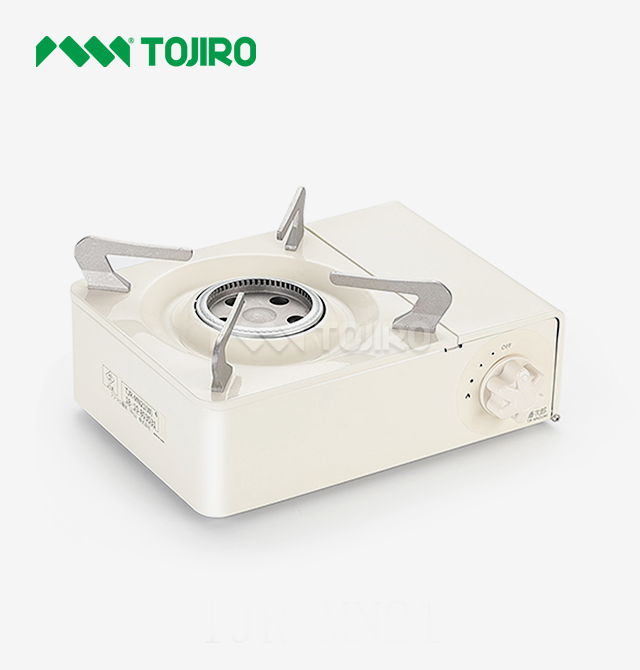 VIEW MOREburner butane camping stove
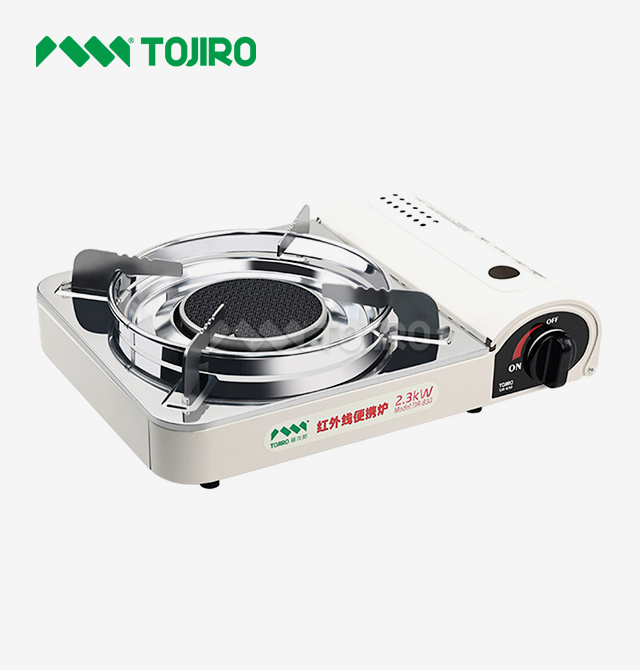 VIEW MOREsmall butane grill
 VIEW MOREportable propane wok burner
_1763607842349.webp) VIEW MOREoutdoor standing propane heater
VIEW MOREoutdoor standing propane heater_1763607881538.webp) VIEW MOREpropane heater for mobile home
VIEW MOREpropane heater for mobile home_1763607791883.webp) VIEW MOREadjustable height propane patio heater
VIEW MOREadjustable height propane patio heater_1763606665399.webp) VIEW MOREpropane heaters for homes vented
VIEW MOREpropane heaters for homes vented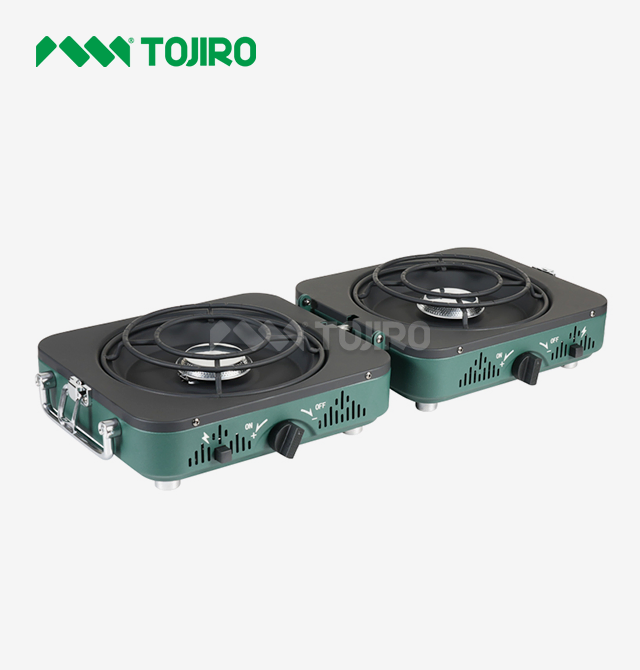 VIEW MORE2 burner portable butane stove