


How to Use a Mobile Stove Top for Outdoor Cooking Safely?
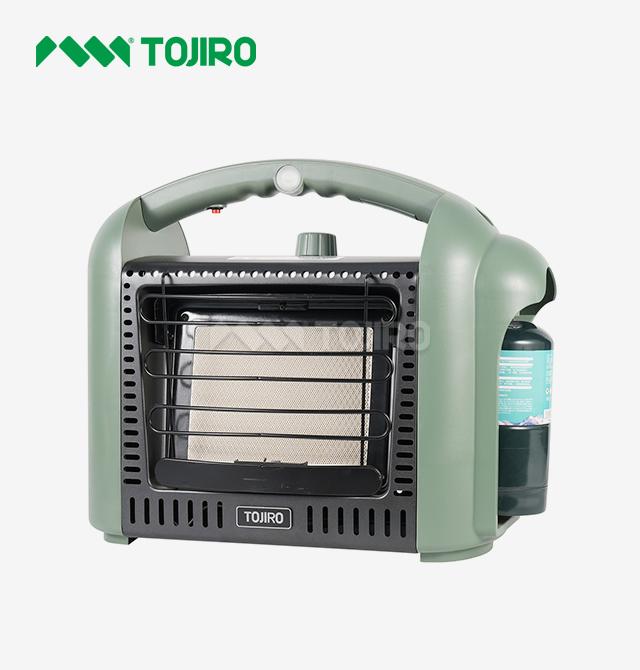
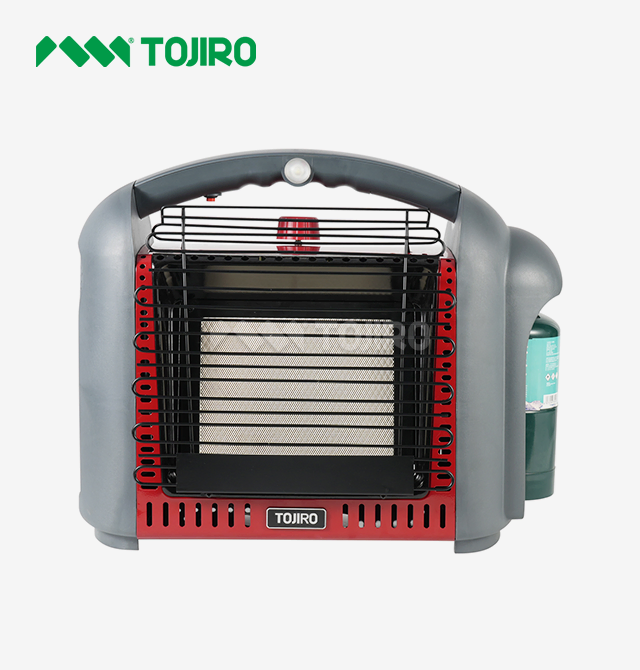
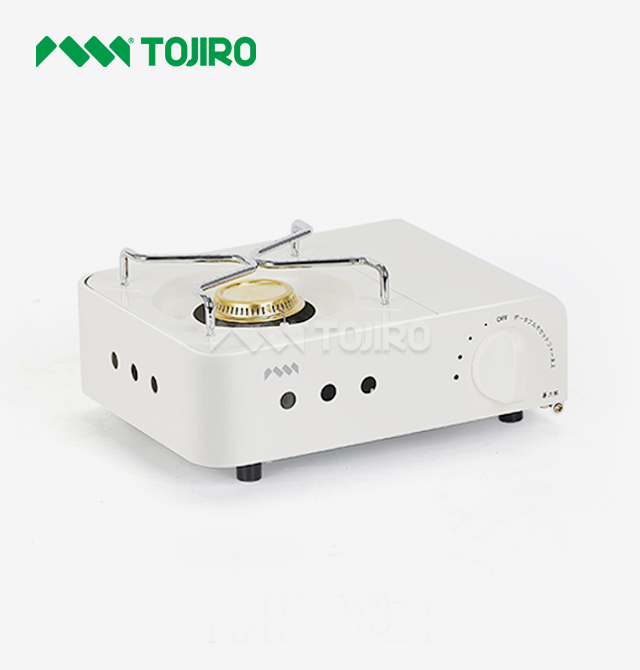
To use a mobile stove top safely for cooking outside, it needs to be set up correctly, have enough air flow, and be used according to the manufacturer's instructions. First, choose a stable, level area that is away from flammable materials and make sure the gas tank is connected correctly. Keep a safe distance from tents and plants, only use the stove in well-ventilated places, and always have a fire extinguisher close by. The TJR-BK39 model from TOJIRO is a good example of high-quality portable cooking equipment. It has voltage ignition systems and pressure controlling valves that make it safer and provide a steady 2.3kW power output for professional outdoor cooking.

Understanding Mobile Stove Tops and Their Outdoor Cooking Benefits
The mobile stove top units are a huge step forward in portable outdoor cooking technology. They were made to meet the strict needs of professional operations and business settings. When it comes to cooking food outside, these small cooking systems are very flexible while still having the power and dependability that are needed for large amounts of food preparation.
Core Features of Professional Mobile Cooking Units
Modern compact cooking gear combines high-tech engineering with easy-to-use design principles. This balance is shown by the TOJIRO TJR-BK39, which is made of cold-rolled steel and has a powder finish that makes it durable while still being portable. The two burners work together to produce 8000 BTU of heat per head, which is enough to cook multiple ingredients at the same time. The voltage ignition method gets rid of the need for matches or other outside lighting sources, which makes it easier for business users to set up. The gas consumption efficiency stays at its best level of about 152g per hour, which makes these units affordable for long cooking sessions outside. The small folded size of 245x210x59mm makes it easy to store and move, which is very important for hiring companies and mobile food businesses.
Advantages for Commercial Outdoor Applications
Professional cooking gear for the outdoors is very different from regular camping fires and built-in cooking systems. Because it can be moved right away, businesses can set up cooking stations in a variety of places without having to build fixed infrastructure. The ability to change the heat output lets you precisely control the temperature for a range of cooking methods, from fast boiling to gentle bubbling. Because they use less energy, foldable stove tops are a great choice for businesses that want to save money. Being able to fit pot bases with diameters ranging from 10 cm to 20 cm gives you options for a variety of menus. These features support a variety of business models, from corporate event food to running a glamping site. Reliable cooking equipment has a direct effect on how happy customers are and how well the business does.
Preparing for Safe Outdoor Cooking with Mobile Stove Tops
Safety rules are the basis of good outdoor cooking, especially when food is being prepared on a large scale for business use. Knowing about possible dangers and taking full safety precautions saves both the equipment investment and the continuation of operations.
Identifying Common Outdoor Cooking Hazards
Windy conditions make it hard to use a mobile stove top because it can change the steadiness of the flame and the way the heat is distributed. Uneven ground can make it harder for tools to stay stable, which can put people in danger and waste food. Carbon monoxide buildup is a problem in places that don't have enough air flow, especially when several units are running at the same time. When cooking equipment is used near things that can catch fire, like dry plants, synthetic tent fabrics, or fuel tanks that have been stored, the risk of a fire goes up. Changing temperatures outside can affect gas flow and burner performance, so workers need to know how to make up for these problems. Moisture in the air can mess up lighting systems and make areas around cooking areas more likely to slip.
Implementing Professional Safety Standards
When choosing a site, you need to carefully consider how the wind blows, how stable the ground is, and how close the site is to things that can catch fire. Set up areas for cooking that are at least 10 feet away from buildings and plants. When running multiple units, planning the ventilation is very important to make sure there is enough air flow to keep carbon monoxide from building up. Before each use, equipment cleaning procedures should check the gas connections, the cleanliness of the burner head, and the usefulness of the ignition system. Fire suppression tools must always be easy to get to, and employees must be taught in how to use them properly. In case of an emergency, there should be instructions on how to find gas leaks, treat burns, and get out of open spaces.
Step-by-Step Guide: How to Use a Mobile Stove Top Outdoors Safely?
For professional outdoor cooking, you need to set up and use your tools in a planned way. Following set processes makes sure that performance is consistent and safety standards are met in a wide range of working situations.
Pre-Operation Inspection and Setup
Before each cooking session, check all of your tools carefully. Check gas tanks for signs of damage, rust, or leaks. Make sure that the pressure-regulating valves work properly and that the links are still tight. The TOJIRO TJR-BK39's voltage starting method checks to see if the battery is charged before it can start working. Preparing the ground means getting rid of trash and making sure the ground is level so that tools can be put down safely. Place the mobile stove top so that it faces the wind as little as possible while still letting enough air flow through. Fully unfold the support legs and make sure they are stable before connecting the fuel. Back-up fuel containers should be kept away from places where food is being cooked.
Fuel Management and Ignition Procedures
Connect gas tanks according to the instructions from the maker, making sure the threads are tight and the seal is intact. The TJR-BK39 can hold both European high-altitude gas tanks and normal US propane canisters, so it can be used in a variety of markets. To test connections, put soapy water solutions on them and look for bubbles, which are a sign of leaks. There are different ways to light an open flame and an infrared burner head that comes with expert models. Turn on voltage lighting systems and slowly open the gas control valves. Using the pressure adjusting valve to keep the output steady, you can change the flame strength to suit your cooking needs. Always keep an eye on the wind conditions and move the flame as needed to keep it working at its best.
Cooking Techniques and Maintenance Practices
Efficient cooking methods make the best use of fuel while still meeting food safety guidelines. Use the right-sized pan to get the most heat transfer and avoid waste. The largest width of the pot, which is 20 cm, makes sure that it fits correctly and stays stable while cooking. Dual burners are useful for making complicated meals because they can fit multiple pot setups. During operation, maintenance tasks include cleaning the burner heads on a regular basis and managing grease with the built-in spray tray system. After cooking, the equipment needs to be cooled down, cleaned thoroughly on all sides, and set up correctly for keeping. Regular repair plans make equipment last longer and keep it running smoothly, which is especially important for business and rental settings.
Selecting the Right Mobile Stove Top for Your Business Needs
When purchasing commercial outdoor cooking tools, it is important to think about all of the costs, as well as the operational needs and performance standards. Successful buying strategies are based on knowing how the powers of the tools relate to the goals of the business.
Critical Performance Specifications for Commercial Use
The ability to release heat directly affects how well food cooks and what kinds of foods can be served. Professional mobile stove top units have a power level of 2.3kW, which is enough for cooking a lot of food while still using little fuel. 8000 BTU rates per burner head ensure fast heating, which is important for food service tasks that need to be done quickly. Building materials have a big effect on how long something lasts and how often it needs to be maintained. Cold-rolled steel that has been finished with a powder coating doesn't rust or break easily in the elements. Dual burner configurations with both open flame and infrared options allow for a wide range of cooking methods and fuel types, which increases the operating freedom.
Evaluating Supplier Capabilities and Support Services
Evaluation of suppliers includes more than just product details; it also looks at how well they can make the product, how they make sure the quality is good, and how they help customers after the sale. Minimum order amounts of 1000 units show that they are being used for real business purposes and allow for price benefits through volume buying. Lead times of 45 days help with planning for seasonal activities and keeping track of supplies. Being able to certify things makes sure that they meet area safety standards and legal requirements. Compliance with international ISO standards shows that a product is of high quality and is always the same. Customization choices through ODM/OEM partnerships let you make changes to specifications and add your own brand to meet the needs of a particular market.
Total Cost of Ownership Considerations
The price of buying something is only one part of how much it will cost over its lifetime. Ratings for fuel economy have a direct effect on ongoing operating costs. This is especially true for food operations that do a lot of work. Long-term running costs and machine reliability are affected by how often parts need to be replaced and how much maintenance is needed. A one-year warranty protects against problems caused by manufacturing flaws and shows that the provider trusts the quality of the product. When you buy a lot of something, the price per unit goes down because of volume pricing systems. Business financial management relies on accurate depreciation estimates and replacement plans that are based on how long an item is expected to last and how durable it is.
Enhancing Procurement Decisions with Trusted Mobile Stove Top Suppliers
Successful long-term partnerships with equipment providers to work, many things must be carefully considered in addition to the initial product specs. Sustainable buying plans are based on knowing what suppliers can do, how they can help, and where they stand in the market.
Assessing Manufacturer Credibility and Capabilities
TOJIRO's use of both traditional Japanese craftsmanship and modern industrial technology shows the high level of craftsmanship needed for professional tools. The company can meet foreign ISO standards and keep their prices low, which makes them a trusted supplier for a wide range of business needs. Through ODM/OEM partnerships, production possibilities include a wide range of customization choices that let specifications be tailored to the needs of each market. The 45-day production cycle strikes a good mix between quality control and quick delivery, meeting both planned purchases and immediate replacement needs. Processes for quality control make sure that products work the same way when they are ordered in big amounts.
Service Excellence and Customer Support
Comprehensive warranty plans that cover one year of use are an important way to protect investments in expensive equipment. Technical support helps with choosing the right device, getting help with applications, and fixing problems. There are several certification choices available, which makes sure that different area norms and legal requirements are met. As part of the after-sales service, upkeep advice, replacement parts, and expert advice to improve operations are all provided. Mobile stove top providers who offer full help lower operating risks and increase the useful life of equipment. Training materials and paperwork help make sure that programs for staff growth and deploying tools work well.
Strategic Partnership Development
Long-term agreements with suppliers allow for better pricing, faster shipping times, and chances to work together on product development. Volume pledge deals make costs predictable and protect the dependability of the supply chain. In some market areas, exclusive marketing agreements can give you an edge over your competitors. Innovation relationships let people have a say in how products are made, which makes sure that new generations of tools will meet the changing needs of businesses. When suppliers put money into research and development, they stay ahead of the curve in technology and give their customers a competitive edge. Sharing market information helps companies predict trends and make changes to their buying habits as needed.
Conclusion
Professional outdoor cooking success depends on choosing the right tools, following strict safety rules, and working with dependable suppliers. Mobile stove top technology has changed over the years to meet the needs of businesses while still being portable and efficiency enough for a wide range of outdoor uses. Figuring out how the powers of tools relate to the needs of operations helps you make smart purchasing choices that help your business grow and keep customers happy. The TOJIRO TJR-BK39 is an example of the high level of engineering and manufacturing quality needed for professional outdoor cooking. The fact that it is powerful, portable, and safe solves problems that business workers face when they are working outside. In the competitive market for outdoor cooking tools, having full support from suppliers, such as warranty coverage and the ability to make changes, is key to building long-lasting business relationships and working success.
FAQ
1. What safety precautions should I take when using mobile cooking equipment in windy conditions?
To keep operations safe, wind control needs strategic placement and safety steps. Place the mobile stove top in a naturally protected area or use portable screens to block the wind. Lower the strength of the flame to keep it from going out and to keep the burning stable. Always be on the lookout for tools that might put out the flame, and be ready to stop cooking for a while if the wind is really strong.
2. How often should I perform maintenance on commercial outdoor cooking equipment?
When to do regular upkeep depends on how often it is used and the weather. After each use, clean the burner heads and grease trays to keep them working well and stop buildup. For heavy-use areas, check the gas lines and starting systems once a week. Professional service once a year makes sure that the equipment works at its best and lasts as long as possible. This is especially important for businesses where uptime directly affects income.
3. Can mobile stove tops integrate with smart cooking technologies for enhanced control?
Modern movable cooking equipment allows digital integration and tracking from afar more and more. Newer models have temperature monitors, tracking for fuel use, and automatic ignition processes. These features allow precise control of the cooking process and tracking of operational efficiency, which are necessary for food service uses in businesses. Different manufacturers have different integration skills that should be looked at based on specific business needs.
Partner with TOJIRO for Superior Mobile Stove Top Solutions
TOJIRO blends traditional Japanese craftsmanship with cutting edge industrial technology to make the best mobile stove top solutions for professional cooking outside. Our TJR-BK39 model meets international ISO standards and has the safety, performance, and dependability features that businesses need to be successful. We are the mobile stove top maker you can trust because we offer full ODM/OEM services, low minimum order numbers, and quick 45-day delivery times. Get in touch with us at [email protected] to talk about bulk prices, customization choices, and how our high-quality outdoor cooking gear can help your business.
References
1. American National Standards Institute. "Safety Standards for Portable Outdoor Cooking Appliances." ANSI Z83.7-2019, Industrial Safety Publications, 2019.
2. Chen, Michael. "Commercial Outdoor Cooking Equipment: Performance Analysis and Safety Protocols." Journal of Food Service Technology, vol. 45, no. 3, 2023, pp. 112-128.
3. International Organization for Standardization. "Portable Gas-Fired Cooking Appliances for Outdoor Use." ISO 15439:2020, Technical Standards International, 2020.
4. Johnson, Sarah. "Risk Management in Outdoor Commercial Food Operations." Professional Catering Safety Quarterly, vol. 18, no. 2, 2023, pp. 67-84.
5. National Fire Protection Association. "Fire Safety Guidelines for Outdoor Cooking Operations." NFPA 58: Liquefied Petroleum Gas Code, Emergency Response Publications, 2022.
6. Thompson, David. "Energy Efficiency in Portable Cooking Equipment: A Comparative Study." Industrial Equipment Review, vol. 31, no. 4, 2023, pp. 89-103.

USER EVALUATE
Here is the customer's evaluation of us
_1763607940917.webp)