



Portable Double-Burner Stove: Cook Two Meals at Once
A portable dual burner changes the way commercial cooking is done by letting multiple meals be cooked at the same time. This saves money on labour and boosts kitchen output. Dual-burner technology solves the important problem of limited cooking capacity in mobile or temporary kitchens, whether you are in charge of a catering business, a rental equipment service, or workplace dining facilities. Modern two-burner camping stoves work like professional stoves, putting out 10,000 BTU per burner. This makes them essential for managing outdoor events, glamping sites and emergency response operations. When you can cook two meals at the same time, you can serve your customers faster and run your business more efficiently.

Understanding Portable Dual Burners: Features and Benefits
The long-term usefulness of a good portable dual burner in business settings depends on how well it is engineered. Knowing about building materials, fuel compatibility, and lighting systems helps procurement managers make smart choices that meet business needs and stay within budget.
Construction Materials That Matter
Professional two-burner stoves use cold-rolled steel with powder coating for rust resistance and structural strength. Stainless steel burner heads ensure even heat and withstand thermal cycling. Copper valves and braided tubes enable precise fuel control, stabilizing flame output across environments. This material balance delivers durability and portability, with most units weighing ~3.4 kg. High-temperature paint protects the black furnace frame from heat damage, extending equipment life—critical for rental businesses facing constant handling and setup.
Ignition Systems and Fuel Options
Modern dual-burner stoves feature built-in piezoelectric ignition, eliminating external fire sources—essential for commercial speed and reliability. Each 2.8kW hob delivers 10,000 BTU, supporting quick boiling to gentle simmering. Fuel flexibility allows European units to fit high-altitude tanks and US models to connect to propane cylinders, serving diverse customers without separate inventory. Pressure-regulating valves maintain steady gas flow despite tank pressure changes, ensuring consistent cooking performance throughout the fuel cycle.
Business-Critical Operational Benefits
Simultaneous cooking is the key advantage—caterers can prepare mains while warming sides, glamping sites offer home-style meals without single-burner delays, and event planners serve hot food quickly in kitchenless venues. Space-efficient dual burners allow multiple units in compact areas, enabling scalable capacity for events. Built-in safety features—flame guards, stable bases, and secure fuel connections—protect operations. Buyers should verify suppliers provide safety documentation and training, and ensure compliance with local fuel-handling and ventilation regulations.
How to Choose the Best Portable Dual Burner for Your Business Needs?
For different types of businesses, the tools needs to have different qualities. A food truck needs to be able to cook as much as possible in as little room as possible, while a business event planner cares more about how quickly and beautifully the event is set up. The best return on investment comes from matching product specs to operational circumstances.
Evaluating Fuel Type Performance
For portable dual burner uses, propane is still the most popular fuel choice because it is easy to get, always works well, and burns cleanly. Propane camping stoves are easy to light in cold weather, keep the output pressure steady, and don't leave behind much waste that could shorten the life of the equipment. Butane alternatives have a slightly higher energy density, but they don't work as well below freezing, which means they can't be used all year.
Electric and induction versions don't need to transport fuel, but they do need reliable power sources, so they can only be used in places with good electrical infrastructure. For the most operating freedom, procurement managers who work with rural areas or emergency situations usually ask for units that run on gas.
Material Durability and Construction Quality
Cold-rolled steel with protective coatings withstands repeated transport, resists corrosion from spills, and maintains shape under heat. Stainless steel hob parts prevent warping that degrades performance. Packaging engineering affects total ownership cost—units passing 1-metre drop tests from eight angles endure shipping and handling, reducing replacements and service delays. This durability protects customer relationships by minimizing equipment downtime.
Essential Features and Transport Considerations
Adjustable flame control matches heat to cooking tasks, from low simmer to high sear. Independent burner settings enable diverse cooking methods simultaneously. Compatibility with standard cookware (bottom width 10–20 cm) lowers entry barriers for new users. Weight and size impact shipping costs and ease of operation—~4.3 kg including packaging balances portability with build quality. Compact storage improves warehouse efficiency and simplifies planning for rental businesses managing large inventories.
Price, Value, and Supplier Credibility
Bulk purchases (≥1,000 units) secure manufacturer-direct pricing, providing retail or rental rate advantages. Lead times of ~45 days reflect committed manufacturing rather than drop-shipping, ensuring quality. One-year warranties adequately cover commercial use—longer terms may signal quality concerns. ISO9001:2015 certification indicates orderly quality management. OEM/white-label options allow branding without production investment. Align minimum order quantities and customization choices with your market entry strategy and growth forecasts.
Maintaining and Troubleshooting Your Portable Dual Burner
How to take care of and fix your portable dual burner. Following regular repair procedures will make equipment last longer and keep it working well. Commercial owners should set up regular cleaning and inspection plans to keep small problems from getting worse and becoming expensive fixes or safety risks.
Structured Maintenance Regimen
Cleaning after each use keeps grease from building up, which hurts performance and poses a fire risk. Take off the burner caps and clean all the surfaces with the right cleaners. Be careful not to use rough materials that can damage the protection coats. Check the fuel lines for damage or wear, and replace the coiled tubing as soon as it starts to fray or harden.
Maintenance should be done once a month, and it should include a thorough check of the burner position, valve operation, and lighting systems. Check how reliable the auto-ignition is and clean the ignition electrodes to make sure that the sparks always come out the same way. Make sure the flame patterns stay the same and are blue. This means that the fuel and air are completely burnt.
Seasonal maintenance for equipment that is going to be stored includes a thorough cleaning, purging of the fuel system, and covering to keep dust from building up. To keep units from rusting, keep them in dry places, especially if they will be used in seaside or high-humidity areas.
Common Issues and Resolution Steps
In electronic systems, ignition failures are usually caused by electrodes that aren't lined up right, water getting in, or batteries that are running low. Before deciding that a part needs to be replaced, make sure that the electrodes are in the right place and that the contact areas are clean. Flame patterns that don't stay the same often mean that the burner port is blocked by food or rust. Using the right tools, take off the burner caps and clean out the ports without damaging the precision-machined parts.
Uneven gas flow could be caused by worn valves or a broken control. Use the right tools to check the pressure output, and replace any broken parts with OEM parts that still meet safety standards. Rental businesses should make sure they have enough extra parts on hand so that equipment isn't down for too long when it needs to be fixed.
OEM Replacement Parts and Accessories
Getting genuine replacement parts from the original manufacturers protects your warranty, makes sure the parts work with your system, and meets safety standards. Generic alternatives may seem like a good way to save money, but they often don't work as well or are safer than the original. Setting up agreements with manufacturers to supply parts during the initial negotiations for buying something makes future maintenance tasks easier.
Accessories that make things work better include windscreens that work better when it's windy, special carrying cases for rental businesses, and adapter fits for using other fuel sources. When you talk to sellers about accessory options during the buying phase, you can often find value-added services that set one offer apart from another.
Maximizing Efficiency and Safety in Operation
Best practices for operations make the best use of fuel, guarantee regular food results, and keep working conditions safe. When these practices are made part of regular training programs, they have long-lasting benefits like lower running costs and a better safety culture.
Practical Cooking Techniques
Putting dishes in the middle of the hob heads makes heat movement more efficient and cuts down on fuel use. Using lids as much as possible keeps heat and wetness in, which speeds up cooking times and saves energy. Matching the output of the hob to the amount of food that needs to be cooked saves fuel; jobs that only need to simmer do not need a full flame strength.
Using the right preheating techniques for the way you're cooking will improve results and save time. Let the burners reach the desired temperature before putting the food on them. This way, the food will start cooking right away instead of slowly heating up. Change the brightness of the flame based on how the food is reacting, not on what you think the right amount of heat should be.
Planning to cook at the same time makes the most of having two burners. Plan the time so that both burners work together to finish the meal. This way, one burner won't be idle while the other does jobs in order. This operational discipline directly leads to more efficient work and happier customers because they can get service faster.
Cost-Saving Measures Through Energy Analytics
By keeping an eye on how much fuel is being used, you can find ways to make things more efficient. Compare how much is used to how many meals are made to get a standard of data. Then, make changes to how things are done and see how much money is saved. When made consistently across multiple units, small changes to the way things are done often lead to big savings every year.
Proper maintenance has a direct effect on how much fuel you use. Clean stoves with ports that aren't blocked allow for full combustion and the release of maximum heat. Regular maintenance plans that keep the performance from dropping protect the fuel efficiency that makes buying high-end equipment worth it.
Safety Best Practices and Staff Training
Complete training programs should cover how to handle fuel, how to start an engine, and what to do in an emergency. The staff needs to know about the right ventilation needs and the carbon monoxide risks that come with using combustion appliances. Safety drills help people remember what to do in an emergency and show where training programs are lacking.
Setting clear rules for inspecting tools before each use makes people responsible and stops broken units from being used. Visual inspection reviews should include checks for fuel lines, burner state, the ability of the ignition system to work, and the security of the base. Giving employees the power to take out of service any equipment that seems unsafe stops accidents and shows that the company cares about safety.
Being ready for an emergency means having easy access to fire control tools, clear instructions on how to evacuate, and first aid supplies. Reviewing safety rules on a regular basis keeps procedures up to date and keeps staff members alert, since they may get used to using the same equipment.
Conclusion
To choose the best portable dual burner, you need to carefully look at the technical specs, the supplier's skills, and the way the burner will be used. The best buying choices weigh the original cost against the total value of ownership. They know that long-term benefits from better building, quick supplier support, and extensive guarantees are greater than small price increases. Partnering with manufacturers who understand business-to-business needs will give you access to quality products, customisation services, and technical know-how that will help your business grow, whether you run a rental equipment service, run a corporate hospitality facility, or sell to outdoor recreation markets. The two-burner setup solves some of the biggest problems that come up in mobile cooking businesses. It increases efficiency and returns on investment by lowering labour costs, speeding up service times, and making customers happier.
FAQ
1. Can portable dual burners be safely used indoors?
Is it safe to use portable dual burners inside? For indoor use, there needs to be enough air flow to keep carbon monoxide from building up from burning things. Propane and butane types need to swap air for fresh air because they make byproducts of combustion. Before putting combustion equipment in tight areas, businesses should check their local fire codes and safety rules. Electric and induction versions don't have to worry about combustion, but they could overload electrical lines if the equipment isn't strong enough.
2. What lifespan can commercial users expect from quality units?
How long should commercial users expect good units to last? In business settings, proper maintenance usually extends the life of tools to five years or more. How often something is used, its environment, and how well it is maintained all have a big effect on how long it lasts. Units that are moved around a lot wear out faster than those that are in semi-permanent setups. Setting up regular maintenance plans and getting OEM replacement parts will help you get the most out of your machine purchases.
3. How do I select appropriate fuel types for my operation?
How do I choose the right types of fuel for my business? Propane works better in cold weather and is easy to find, which makes it perfect for a wide range of operational settings. Butane has a slightly higher energy density, but it stops working when it gets below freezing. When figuring out how much fuel you need, you should think about your working area, your storage space, and the details of your supply chain. Suppliers with experience in your market can give you good advice based on what people in your area want and how the system works.
Partner With TOJIRO for Professional-Grade Portable Dual Burner Solutions
Tojiro makes high-quality products in 10,000-square-meter production buildings that are ISO9001:2015 approved. Our portable dual burner systems are made with the dependability and performance your operations need by combining Japanese precise craftsmanship with current industrial technology. We provide full OEM and ODM services, and our minimum order quantity starts at 1,000 units, so we can work with businesses at all stages of growth.
Our 45-day production cycle guarantees quick delivery that helps you plan your inventory, and our one-year warranty shows that we trust the durability of our products. Our engineering team works with you to come up with solutions that set your business apart in the market, whether you need custom branding, special certifications, or technical changes. Get in touch with our B2B buying experts at [email protected] to talk about your needs with a reliable portable dual burner maker who knows how to use their products in business settings.
References
1. Anderson, M. & Chen, L. (2023). "Commercial Outdoor Cooking Equipment: Performance Standards and Procurement Guidelines." Journal of Foodservice Equipment & Technology, 15(3), 112-128.
2. International Organization for Standardization. (2022). "Quality Management Systems for Portable Cooking Appliance Manufacturing." ISO Technical Report 9001-2022.
3. Roberts, J. (2024). "Fuel Efficiency and Safety Protocols in Commercial Portable Cooking Systems." Hospitality Equipment Review, 41(2), 67-83.
4. National Fire Protection Association. (2023). "NFPA Guidelines for Portable Fuel-Burning Cooking Appliances in Commercial Settings." NFPA Standard 58-2023.
5. Thompson, R., et al. (2023). "Total Cost of Ownership Analysis for Commercial Kitchen Equipment Procurement." Business Equipment Quarterly, 28(4), 201-219.
6. Wilson, K. & Martinez, S. (2024). "Dual-Burner Technology in Outdoor Hospitality: Performance Metrics and Market Trends." Commercial Catering Technology Journal, 19(1), 45-62.

USER EVALUATE
Here is the customer's evaluation of us
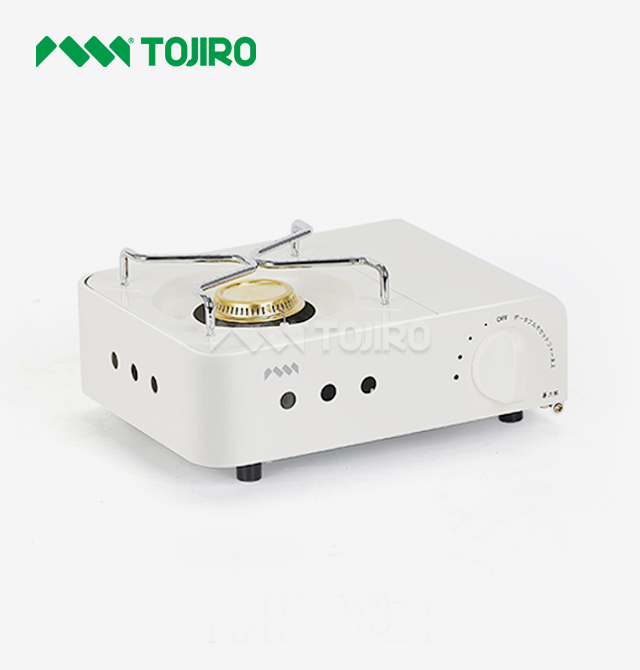 VIEW MOREbutane burner camping
_1763607842349.webp) VIEW MOREoutdoor standing propane heater
VIEW MOREoutdoor standing propane heater_1763607881538.webp) VIEW MOREpropane heater for mobile home
VIEW MOREpropane heater for mobile home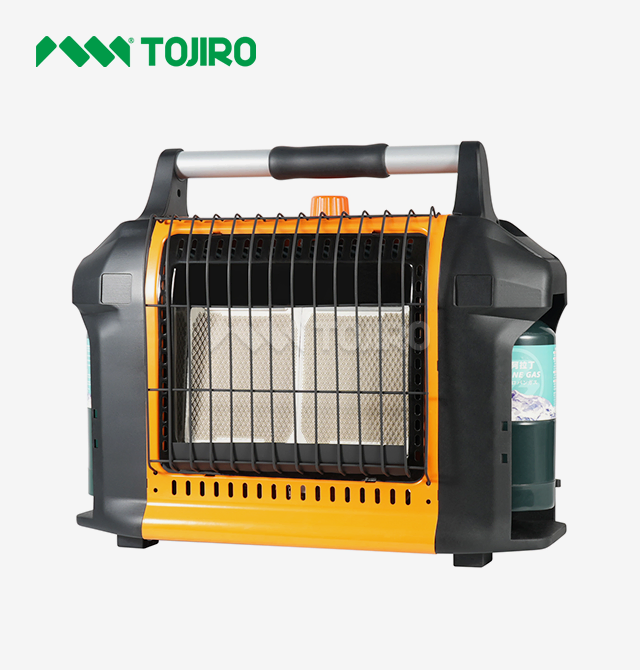 VIEW MOREhigh efficiency direct vent propane heater
_1763607672511.webp) VIEW MOREpropane standing patio heater
VIEW MOREpropane standing patio heater_1763607708566.webp) VIEW MOREcatalytic gas heater indoor
VIEW MOREcatalytic gas heater indoor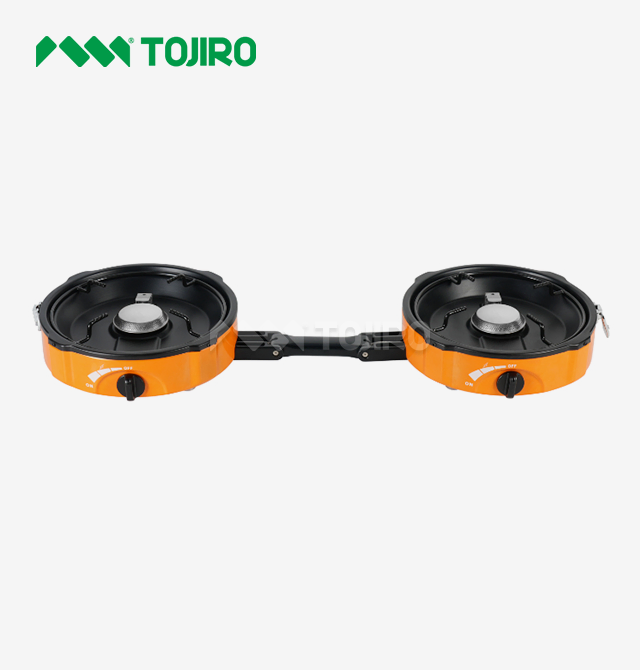 VIEW MOREbest double camping stove
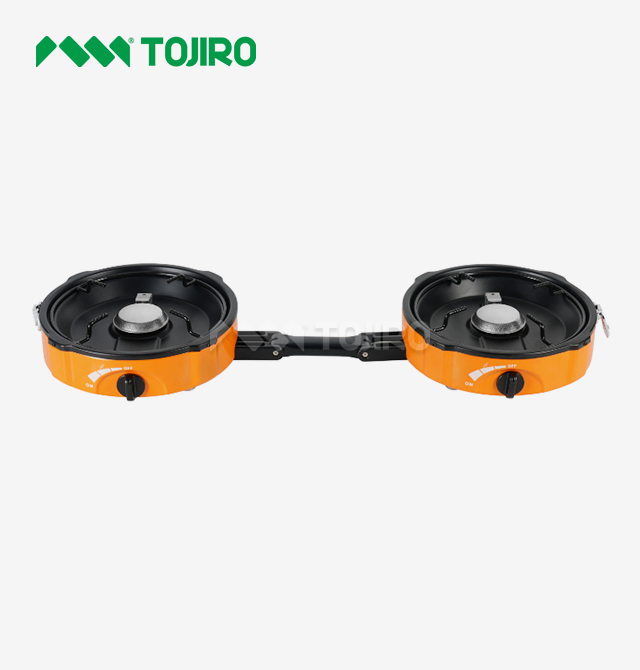 VIEW MOREbest portable stove top