


Guide to the Portable Butane Gas Stove: Your Outdoor Cooking Companion
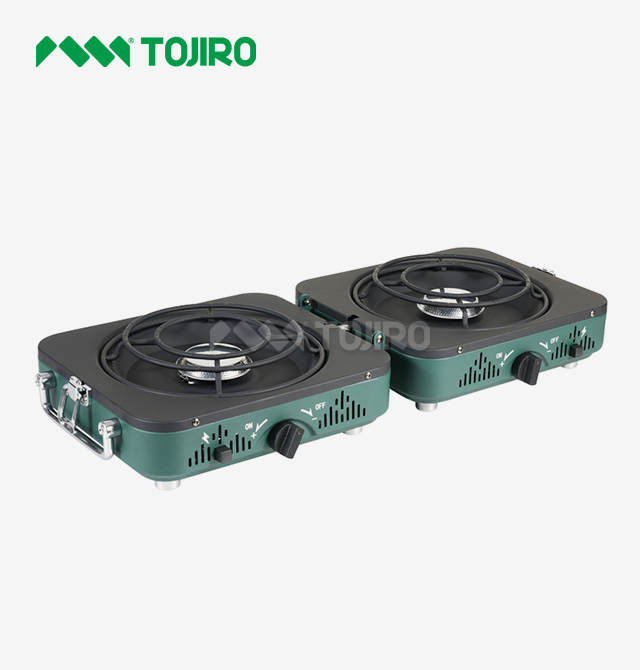
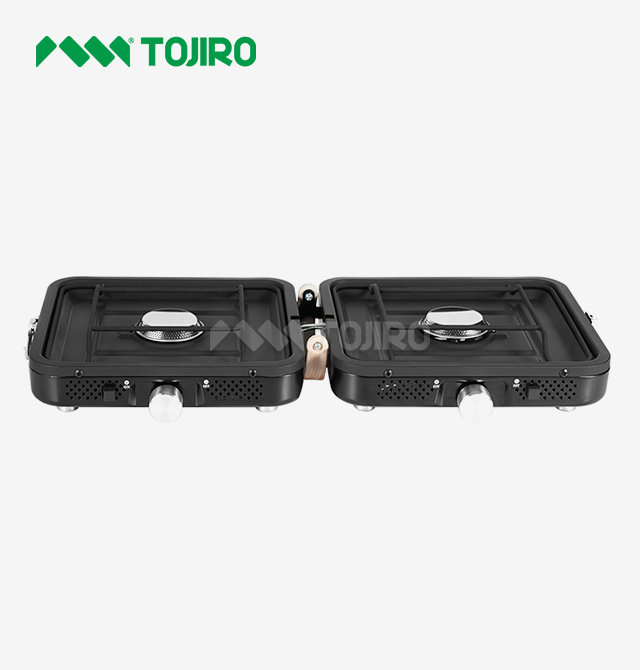
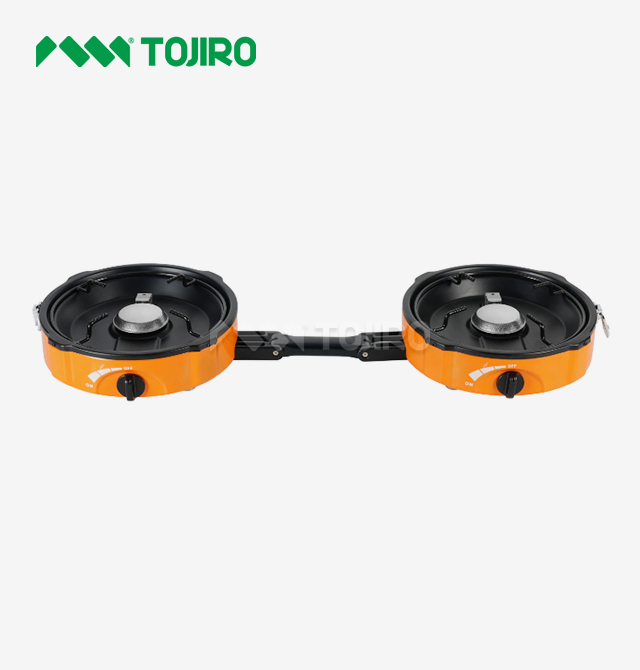
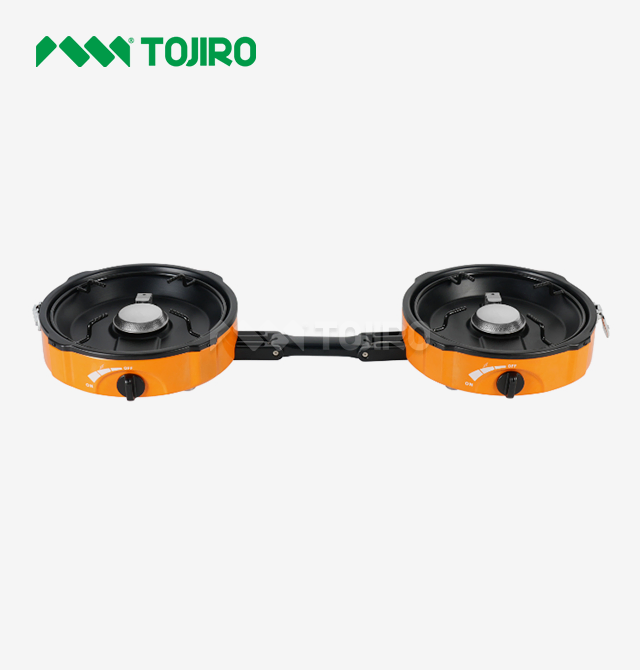
Businesses that need reliable outdoor cooking gear often choose the twin-burner butane stove as a useful option that strikes a good mix between performance and portability. This small cooking system makes food that tastes like it came from a restaurant, even when you're camping, renting out your home, or serving guests. With two 2.3kW burners that put out 8,000 BTU each, these stoves can handle multiple cooking tasks at once while still having a small enough size to be portable and store.
Combining open flame and infrared burner technology on a twin burner butane stove offers more cooking versatility than single-burner alternatives. This makes it essential for businesses serving both corporate clients and outdoor enthusiasts.
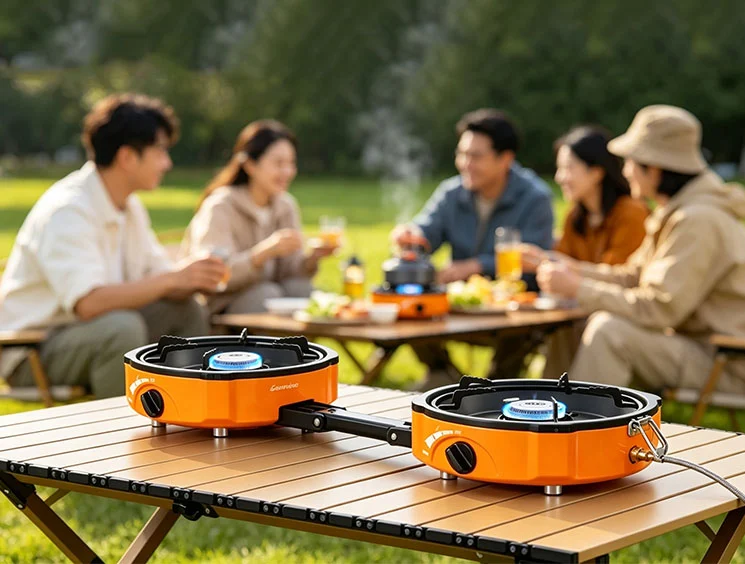
Understanding Twin Burner Butane Stoves: Features and Functionality
Core Components and Operating Principles
Modern portable gas stoves use butane cylinders that are pressurised and have valves that control the pressure. These valves turn fuel into vapour. The combustion system turns this fuel into heat that is evenly distributed across both burners at the same time. The base is made of cold-rolled steel that has been coated with powder, which makes it strong and resistant to rust in the climate. Because each burner has its own control panel, the two burners can be set to different temperatures for different types of cooking. This design works especially well for rental businesses and glamping sites where guests expect equipment to be easy to use without a lot of instructions.
Premium types are different from simple ones because they come with an infrared burner. This technology spreads heat more evenly than open flames, so there are fewer hot spots that can hurt cookware or cause food to burn. Procurement managers know that this feature makes rental customers happier because it helps users cook better, no matter how much experience they have.
Portability Advantages for Commercial Applications
When businesses move tools to different places, weight is a very important factor. When they are empty, good dual burner stoves usually weigh less than 3 kilograms, which makes them easier to move in service vehicles or storage facilities. The folding design makes it easier to store because it requires fewer dimensions. This lets stores store more items in the same amount of space. This efficiency in using room has a direct effect on the costs of running e-commerce sites with large product catalogues.
This feature of being portable is especially useful for companies that rent out camping gear. Without special handling tools, staff can easily check, clean and replace units in between customer reservations. The small size also lowers the cost of shipping for wholesalers who run regional fulfilment networks across the US market.
Fuel Efficiency and Environmental Considerations
Butane combustion creates fewer emissions than burning liquid fuels. This is in line with environmental goals that schools and government agencies are putting more emphasis on when they buy things. Because they burn everything, these stoves put out less carbon monoxide, which makes them safer to use in partially enclosed spaces like pavilions or event tents. When planning activities in nature areas, corporate clients who are holding outdoor team-building events like this safety margin.
Standardising fuel canisters makes handling easier for workers who are in charge of multiple units. European high-altitude gas cylinders and US-standard propane canisters can still be used with models that are properly set up. This gives international distributors options when it comes to getting inventory. This flexibility makes it easier to keep up with different product lines for different markets.
Safety and Maintenance: Ensuring Reliable Performance
Critical Safety Features for Commercial Environments
Pressure regulation systems keep the gas flow steady no matter how low the canister is, which stops the flame from changing in dangerous ways while the system is running. The low center of gravity design keeps things from tipping over when the weights of the cooking tools move around while the food is being prepared. These engineering issues are very important for hotel clients who have guests with different levels of cooking skills. The stable base design can hold pots with sizes between 10 and 20 centimetres, giving you a lot of options without sacrificing stability.
Commercial-grade twin burner butane stoves differ from consumer models through wind-resistant design. Built-in flame guards protect burners from cross-breezes that could extinguish flames or cause uneven heating. Outdoor adventure tour companies rely on this dependability when conducting cooking demonstrations in open areas where weather conditions change rapidly.
Maintenance Protocols for Extended Lifespan
Cleaning equipment regularly has a direct effect on how long it lasts and how well it works every time. The oil and water collection tray that can be taken off makes cleaning up after use easier, so rental companies can quickly get the units ready for the next hire. Food acids and wetness can't eat away at stainless steel hob parts, so new parts aren't needed as often over the life of the product. When procurement managers figure out the total cost of ownership, they know that these design features lower long-term operating costs.
Troubleshooting Common Operational Issues
Pressure valve testing and fuel line inspections should be part of every three months' check plans to find wear before it causes problems. The powder-coated exterior keeps its look even after being cleaned many times, which protects the asset value for companies that sell used inventory later. By giving retail partners maintenance advice, distributor networks can cut down on warranty claims and improve the brand's reputation.
Problems with ignition are usually caused by too much moisture in the spark mechanism or low pressure in the canister. Before assuming a part is broken, operators should double-check that the canister is properly installed and that the spark gap is lined up. Uneven flame patterns are often caused by food particles blocking the burner ports, which can be easily fixed by cleaning the ports. Giving customers clear troubleshooting guides lowers the number of help calls stores get and gives customers the power to fix small problems on their own.
Rental companies should set up procedures for return inspections that find these common issues before units are put back into stock. This proactive method keeps the quality of service high and stops bad customer experiences that hurt the business's image.
Comparing Twin Burner Butane Stoves with Alternatives: Making Informed Procurement Decisions
Butane versus Propane Fuel Systems
Compared to propane tanks, butane bottles are easier to move around because they are smaller and lighter. The self-contained canister design gets rid of the need for different fuel lines that can leak or join improperly. Retailers who carry both types of fuel usually see faster inventory turnover with butane models because customers think they are easier to use for casual outdoor activities. But propane systems work better in very cold weather, where butane vaporisation is less reliable below freezing points.
When choosing their inventory mix, procurement teams that serve markets with a lot of winter camping should keep this limitation in mind. The US market shows regional tastes. Customers in the south are okay with butane-only setups, while customers in the north want propane compatibility. OEM partners can reach both groups by providing dual-fuel valve systems with adapter parts that can work with either type of tank.
Single Burner versus Twin Burner Configurations
The best number of burners for a given application depends on its capacity needs. Single burner models are fine for one person or minimalist backpackers who want to cut down on weight. Twin-burner butane stove systems are designed for group camping, corporate events and commercial food service situations where cooking multiple complex meals at the same time is necessary. The difference in incremental cost between setups is still not very big, but the difference in usefulness is big in business settings.
Operators of campgrounds that give out cooking tools say that dual burner units get more rent and are used more often. Customers see more value when equipment makes it easy to make meals quickly without having to go through time-consuming steps of cooking one at a time. This change in the market supports higher prices that help renting businesses make more money.
Electric Alternatives and Infrastructure Dependencies
Electric heating systems get rid of the need to worry about transporting fuel, but they need stable power lines that aren't always available outside. Electricity lines aren't available in national parks or remote campsites, so butane stoves are the only sensible way to cook. In the same way, disaster aid groups depend on fuel-powered tools when they need to respond to situations when power goes out. Portable gas stoves are great because they don't need to be hooked up to any infrastructure. This is a big plus for government buying requirements.
When battery packs or generators are taken into account, which are needed to run electric cooking tools in places that aren't connected to the power grid, weight comparisons favour butane systems. Electric options aren't good for mobile use because the whole system is too heavy and complicated, even though they're useful in developed campgrounds.
Procurement Guide: Where and How to Buy Twin Burner Butane Stoves?
Evaluating Manufacturer Credentials and Certifications
When a company has ISO 9001:2015 certification for its twin burner butane stove production, it means quality control processes meet international standards. TOJIRO Electric Appliances operates a 10,000-square-meter factory in Zhongshan, producing over one million units annually for export to North America, Japan, Korea, and Europe. This production scale ensures consistent supply chain reliability for distributors managing seasonal demand fluctuations.
Businesses that serve customers in more than one area need certifications that can be changed easily. When manufacturers offer adaptation services for different safety standards, it's easier for them to stay in line when they grow their distribution areas. Getting CE, UL, and CSA certifications from a single source makes the buying process easier than getting them from several regional makers.
Minimum Order Quantities and Lead Time Considerations
White-label partners and big stores usually agree on MOQ levels around 1,000 units. This lets custom marking happen without having to commit to too much inventory. The normal 45-day production cycle works with seasonal buying trends so that businesses can get ready for camping season. Orders should be placed by procurement managers by the middle of winter to make sure that there is enough product in the spring, when customer demand rises.
At certain quantity levels, volume price models become available. As order sizes rise, per-unit costs fall. Distributors who combine orders from multiple retail partners can get these price breaks while still taking care of their own relationships with each customer. This strategy of collecting prices makes businesses more competitive in markets where price pressure hurts their profit margins.
Warranty Terms and Post-Purchase Support
A standard one-year guarantee protects business investments against problems with the way the product was made and gives customers a good idea of how long the product should last. In order for a warranty to be fully comprehensive, it should cover both structural parts and functional parts like ignition systems and pressure valves. Clear warranty claim methods help retailers because they make it easier for customers to get help when problems happen during the coverage time.
When negotiating with a supplier, you should pay close attention to their return policies. When seasonal inventory can be returned on flexible terms, it lowers the risk for speciality outdoor shops whose demand patterns are hard to predict. This level of freedom is especially useful for e-commerce sites that have to manage large catalogues of products from many categories.
Expert Tips and Best Practices for Using Twin Burner Butane Stoves
Optimizing Heat Distribution and Fuel Economy
Matching the width of the pan to the size of the hob maximises heat transfer and reduces fuel use. Pots and pans should fully cover the hob heads and not hang over too far, which would block airflow. Using lids while cooking cuts down on heat loss and speeds up the process, which directly improves fuel economy. These simple tricks can help tour operators on multi-day trips extend their fuel supplies, making it easier to restock in remote areas.
Flame adjustment practices significantly impact fuel efficiency on a twin burner butane stove. Operating burners at full output wastes fuel once water reaches boiling temperature or when simmering dishes require lower heat. Training staff on proper flame management techniques reduces operational costs—businesses renting equipment with fuel allowances can lower their operating costs by teaching their staff the right way to handle flames.
Selecting Appropriate Cookware and Accessories
When compared to pans with rounded or uneven bases, flat-bottomed items make better heat transfer because they make more touch with burner surfaces. Heavy-gauge aluminium or stainless steel construction evenly distributes heat and can handle being handled outside. Hospitality clients who are setting up glamping sites should buy long-lasting cookware sets that won't break easily if inexperienced users use too much heat or thermal shock.
Windscreen additions improve performance in open areas. The versions that can be folded up add very little weight and greatly improve fuel economy when it's windy. Rental businesses can add these extras as upgrades to more expensive packages, which will bring in extra money and make the customers' experiences better.
Environmental Impact and Sustainability Considerations
When butane is completely burnt, it mostly releases water vapour and carbon dioxide. This means that it doesn't produce the fine particles and chemical residues that come from burning liquid fuels. This clean combustion profile fits with the Leave No Trace principles that help people enjoy the outdoors safely. Educational institutions that teach outdoor skills like it when equipment choices support environmental responsibility without sacrificing functionality.
Many places have programs for recycling containers, but the ones that are available depend on where you live. As part of efforts to be more environmentally friendly, procurement managers should look into the local recycling facilities and let customers know about the different ways they can get rid of waste. This openness builds trust with environmentally conscious consumers, who have a bigger say in what people buy.
Conclusion
Businesses that serve people who like to be outside can improve their operational efficiency, customer happiness, and long-term profits by carefully choosing the outdoor cooking tools they use. There are two burners on a portable stove, which gives it the performance options needed in a business setting while still being movable enough to use outside. Professional-grade equipment is different from market options because it is made with better materials, has better safety features, and is easier to maintain. TOJIRO combines traditional Japanese craftsmanship with modern production technology to make reliable twin burner butane stove systems that handle tough commercial use across diverse settings. Instead of focusing solely on initial purchase price, evaluate operating costs, safety features, and total ownership costs when making decisions. Flexible MOQ and 45-day production cycles accommodate both large distributors and specialty outdoor retailers.
FAQ
1. What fuel type provides the best performance for outdoor cooking applications?
Butane works very well in the mild temperature ranges that are common during the main camping seasons. As the fuel vaporises efficiently above 32°F, the flame output stays the same until the standard canister is empty. Propane connections let you work in a wider temperature range in the winter, when butane doesn't work as well. The best temperature for butane to work is when it is used in industrial settings.
2. How does dual burner capacity improve cooking efficiency?
When you cook on more than one hob at the same time, you don't have to wait for each step of the process to finish. Users can keep a pot on low heat while grilling proteins or boil water while sautéing vegetables. This ability to process multiple tasks at once cuts the time it takes to make a meal by 40 to 60 percent compared to single-burner options. This has a direct effect on customer happiness in rental and hotel settings.
3. What maintenance schedule ensures optimal equipment longevity?
Cleaning after use stops residue from building up, which damages parts over time. Inspections done once a month during busy times find wear patterns before they cause problems. Professional service once a year checks the stability of the pressure system and its internal parts. Rental businesses can get 5-7 years of use out of their equipment by following regular maintenance procedures. This makes the most of the money they spend on equipment.
Partner with TOJIRO for Your Twin Burner Butane Stove Supply Needs
TOJIRO Electric Appliances makes high-quality outdoor cooking equipment that has been honed over 20 years of production. Our capabilities as a twin burner butane stove supplier allow us to work with OEM partners, rental businesses, hotels, and retailers all over North America. The full customisation services make products fit the needs of each brand while keeping the quality standards that earned the company ISO 9001:2015 certification. Volume pricing systems and minimum order quantities of 1,000 units can be used by a wide range of businesses, from small outdoor shops to large national sports goods stores.
The 45-day production cycle matches the trends of seasonal demand, so you can be sure that your customers can get what they need when they plan outdoor activities. Our one-year guarantee shows that we trust the quality of our making and protects your business investment. Email our purchasing team at [email protected] to talk about your unique needs and find out how our outdoor cooking options can help your business.
References
1. American Camping Association. (2023). Outdoor Recreation Equipment Standards and Safety Guidelines. Martinsville, IN: ACA Publications.
2. Chen, L., & Morrison, K. (2024). Portable Fuel Systems: Comparative Analysis of Butane and Propane Technologies. Journal of Outdoor Equipment Engineering, 18(3), 142-158.
3. International Organization for Standardization. (2022). ISO 9001:2015 Quality Management Systems: Implementation in Manufacturing Contexts. Geneva: ISO Press.
4. National Park Service. (2023). Commercial Equipment Procurement Guidelines for Outdoor Recreation Facilities. Washington, DC: Department of Interior Publications.
5. Thompson, R. (2024). The Complete Guide to Outdoor Cooking Equipment: Selection, Maintenance, and Safety. Boulder, CO: Mountain Press Publishing.
6. United States Consumer Product Safety Commission. (2023). Portable Cooking Appliance Safety Standards and Certification Requirements. Bethesda, MD: CPSC Technical Reports Division.

USER EVALUATE
Here is the customer's evaluation of us
_1763619738116.webp)
_1763619688277.webp)