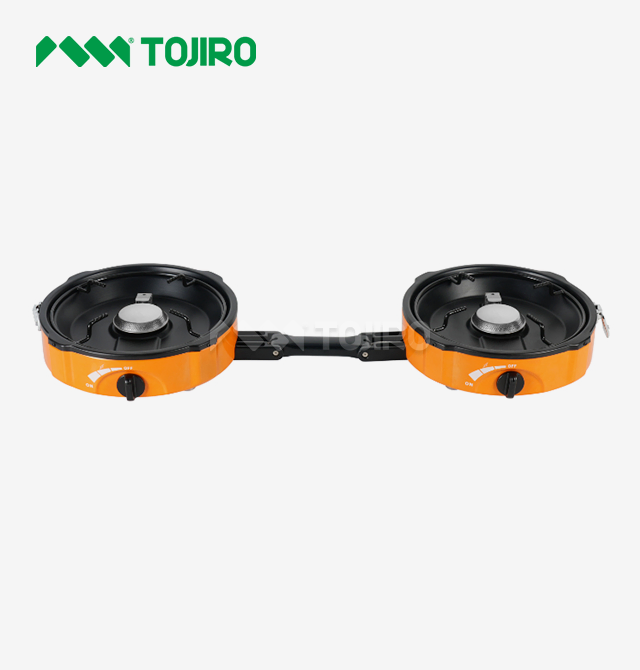



Outdoor Kitchen Season: Choosing the Right Tankless Water Heater for Backyard Living
More and more American homes and businesses are adding outdoor living areas, which has increased the need for reliable hot water options. With an exterior propane tankless water heater, backyard kitchens can be used all year instead of just during the summer. Unlike traditional holding tank systems, these on-demand units use propane fuel to heat water right away, so there are no energy costs while the water is being heated. Whether you're setting up a glamping camp, renting out homes, or selling high-demand goods to stores, choosing and using the right exterior propane tankless water heater solution is key to your business's success and your customers' happiness.
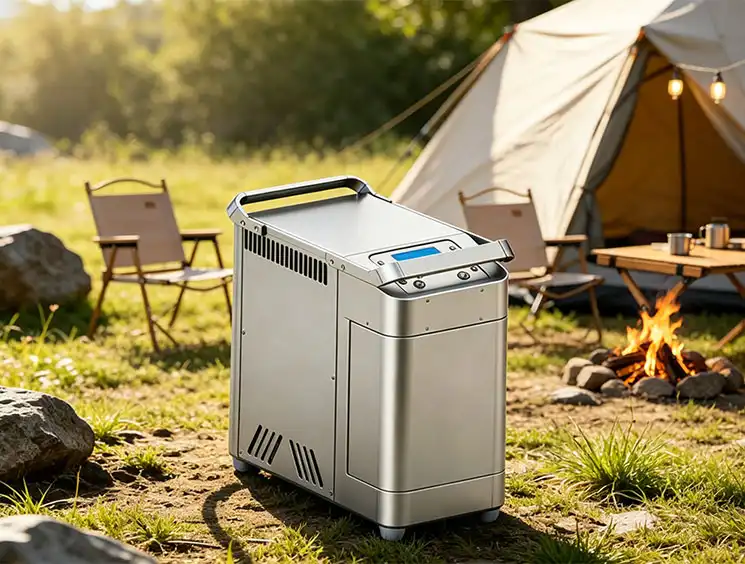
Understanding Exterior Propane Tankless Water Heaters
Tankless units that run on propane work very differently from regular water heaters. When you turn on the hot water tap, cold water flows through the unit. The gas burners light up right away, heating the water as it moves through the heat exchanger coils. With this on-demand method, you'll never run out of hot water during peak usage times, which is a huge benefit for commercial outdoor kitchens that are serving a lot of people at once.
How On-Demand Water Heating Works?
As soon as the water flow is detected, the heating process starts. Modern units with smart technology can reach the right temperature in about three seconds, which is much faster than traditional tank heaters, which need 30 to 60 minutes to recover. A 10,000W heating element with a 34,000 BTU output is enough to quickly raise the temperature of the water while keeping the flow rate steady at about 5 litres per minute. This size is good for the usual needs of an outdoor kitchen, like dishwashing stations, hand-washing sinks, and sometimes showers at campgrounds or event venues.
Key Advantages Over Traditional Systems
Tankless designs don't take up any space with big storage tanks, which is important to think about when planning small outdoor kitchen plans. Because propane only burns when water is being used, instead of keeping a reservoir at a steady temperature, energy economy goes up by a huge amount. In commercial settings, this means that fuel costs will be 30–40% lower than with tank-style heaters. Since there is no stored water, there are also no risks of germs growing in tanks that aren't being used. This is an important health factor for hotel clients and government buyers who run public facilities.
Weather Resistance and Durability
Exterior propane tankless water heaters have stronger shells that are made to handle extreme temperatures, water exposure, and UV rays. Manufacturers who follow ISO9001:2015 standards put their products through strict testing procedures to make sure they work reliably in all kinds of weather, from freezing winters to sweltering summers. Materials that don't rust and electrical parts that don't get damaged by water or wind make these machines last much longer than indoor-only models. Rental companies and adventure tour companies like this toughness a lot because their gear is constantly exposed to rough outdoor settings without any fixed buildings to protect it.
Selecting the Right Size and Model for Your Outdoor Kitchen
Getting the right size stops both undersupply and useless overcapacity. The maths is based on two main factors: the number of fixtures that need to be used at the same time and the temperature rise that is wanted.
Calculating Flow Rate Requirements
Start by figuring out the most common scenarios for concurrent usage. An outdoor kitchen for a small camping site might need to be able to handle one shower and one washbasin at the same time, which adds up to about 3–4 litres of water per minute. Larger installations, like those at corporate retreat centers or campgrounds, might need 8 to 10 litres of water per minute to supply multiple shower stalls and prep sinks at the same time. A unit that delivers 5 litres per minute is good for medium-sized jobs because it can handle two taps running at the same time without pressure drops or temperature changes. Advanced models have constant temperature control systems that keep the output steady even when demand changes. This keeps users safe from burning and makes sure they are comfortable.
Propane Versus Electric Alternatives
Electric tankless heaters are convenient in places that are connected to the power grid, but exterior propane tankless water heaters are the most popular choice for outdoor use for a number of strong reasons. Propane has a higher BTU output per fuel unit, which means it heats up faster and can carry more gas. A lot of rural and remote areas don't have stable power lines, so propane is usually the only choice. In places where electricity costs a lot, propane is cheaper to run than electricity, but each person should make their own decision based on the price of fuel in their area. Environmental concerns are becoming more and more important in purchasing decisions. Propane burns cleaner than many electricity-generating sources, especially in places where coal-fired power plants are common. White-label partners who want to stand out often stress propane economy as a key selling point for consumers who care about the environment.
Evaluating Top Models and Features
The exterior propane tankless water heater that can be controlled by a smartphone app brings together the dependability of gas with the ease of modern life. Through simple mobile apps, users can change the temperature settings from afar, keep an eye on the fuel level, and get maintenance alerts. For off-grid installations, the 10,000mAh battery capacity is very important because it keeps the ignition systems and control electronics working even when the power goes out. Fanless designs cut down on noise pollution, so outdoor areas can keep their natural feel instead of being filled with machine noise. These new ideas solve specific problems that rental companies that care about how their guests feel and repair teams that need to be able to diagnose problems have pointed out.
When comparing brands, pay close attention to the warranty terms. TOJIRO's one-year warranty shows that the company is confident in its products and helps procurement managers lower their risk. Certification compliance, such as UL listings and CSA approvals, makes sure that rules are followed in different places. This is especially important for government buyers and big clients who have to deal with strict buying standards.
Installation Guide for Exterior Propane Tankless Water Heaters
A thorough site evaluation is the first step to a successful exterior propane tankless water heater installation. The choice of location must take into account how close it is to where it will be used, as well as how far away it needs to be from flammable materials and how much air flow it needs.
Site Preparation and Positioning
Place units on steady, level areas that can hold the weight of the equipment plus the propane tank. Keep at least the minimum distances recommended by the maker, which are usually 12 to 18 inches from walls and overhangs, to make sure that combustion air flows properly and smoke is spread out. Propane standing patio heaters need the same kind of air problems, so putting them outside is naturally better than putting them inside. Overhangs or custom-built shelters that don't block wind can be used to protect equipment from direct rain. In places where it freezes often, put units where they will get the most sunlight, which is in the south. This will lower the stress that cold starts put on the parts.
Fuel Supply and Water Connections
Installing a propane line needs to be done by licensed professionals who know the local building codes. Use supply lines that are the right size. Pipes that are too small limit the flow of fuel, which leads to pressure drops that cause safety shutoffs or insufficient heating. Pressure regulators must match the heater's specs so that the fuel flow stays steady even when the temperature outside changes. Filters are needed at the water inlet lines so that sediment doesn't damage the heat exchangers. This is especially important when the water comes from wells or untreated sources that are common on country properties. In closed-loop systems, outlet lines should have pressure release valves to keep the system from expanding due to heat.
Professional installation versus self-installation represents a critical decision point. Building relationships with certified installation networks is helpful for big buyers who are outfitting multiple properties because it ensures consistent quality and makes warranty claims easier. Smaller businesses might try to do things on their own, but this could lead to code violations, safety risks, and guarantee issues. Commercial installations usually need to be done by a professional because of insurance reasons. Comparing costs without taking into account possible liability exposure is not complete.
Regulatory Compliance and Permitting
Most of the time, municipal building offices need licenses to put propane appliances. Processes for getting permits make sure that they follow the International Fuel Gas Code and any local changes that have been made. Failures during inspections cause projects to be late and cost more to re-inspect, which shows how important it is to hire experienced contractors who know the rules in your area. Customers from the government and institutions are closely watched, and they are often asked to provide extra proof that they follow safety rules and are accessible. TOJIRO's ISO certification speeds up the approval process by letting a third party check the quality of the manufacturing, which means that inspectors don't have to look closely at the work when it's being tested in the field.
Maintenance and Safety Best Practices for Long-Term Performance
Preventative repair keeps things working well and stops them from breaking down too soon. Setting up systematic schedules cuts down on downtime and increases the life of equipment.
Routine Cleaning and Inspection
Mineral layers build up on heat exchangers, which makes them less effective at moving heat. Once a year, descaling with methods allowed by the maker brings performance back to the way it was. Cleaning exterior surfaces on a regular basis is necessary to get rid of dust, pollen, and other organic matter that has built up and could block vents or damage protective finishes. Check propane connections for leaks every three months using soap solution tests; bubbling means gas is escaping and needs immediate professional attention. Check electrical lines for rust, especially near the coast where salt air speeds up the breakdown process.
Winterization for Cold Climate Operation
The biggest danger to exterior propane tankless water heaters is freezing weather. If heat exchangers still have water in them, it can freeze and crack, which can lead to catastrophic failures. As part of the winterisation process, all the water must be drained from the system through marked drain holes. In cases where full drainage is not possible, propylene glycol antifreeze solutions must be added to the water lines. To keep the batteries' capacity, take them out and put them inside during long winter shutdowns. Covering units with waterproof blankets that let air flow will keep rain out while letting moisture vapour escape, which stops condensation from forming. Rental companies in northern markets often keep extra units that are ready for winter so that they can be quickly swapped out without stopping service.
Safety Protocols and Hazard Prevention
When handling propane, safety rules must be followed to the letter. Keep barrels standing up in a well-ventilated open space that is away from sources of fire. Do not change pressure regulators or try to fix systems that are under pressure; only approved techs have the right tools and training to do safe work. Install carbon monoxide monitors in partially covered areas where exhaust gases may build up, even if they are outside. Teach your staff how to shut down equipment in an emergency, and put up clear notes where the equipment is. These safety measures keep employees safe and show insurance companies and government regulators that you did your research.
Troubleshooting common issues early prevents minor problems from escalating. A weak flame or less heat output is often a sign that the burners need to be cleaned. If the lighting fails often, it could mean that the battery is dying or that the flame indicators are broken. Changes in the water temperature could mean that scale is building up in the heat exchangers or that the propane supply lines are not big enough. TOJIRO's technical support helps customers figure out problems online, but more complicated repairs need to be done by a trained expert. When maintenance agreements are bought together with the original purchase, it's easier to get services. This is especially helpful for clients who are handling property portfolios that are spread out.
Making the Procurement Decision: What B2B Clients Should Know?
A successful procurement balances the costs of the purchase with the costs of ownership over time. In a full analysis, the purchase price, installation costs, fuel use, maintenance needs, and expected equipment lifespan are all taken into account.
Evaluating Supplier Partnerships
Buyers from stores and e-commerce platforms look for sellers with low wholesale prices that keep shop profits healthy. Inventory turnover rates go up when suppliers keep enough stock on hand to support quick order fulfilment. TOJIRO's ability to meet high-volume demands without having to wait for long lead times is shown by its annual production of more than a million units. White-label partners need to be able to customise things like private labelling, package design, and changing specifications. Flexible minimum order quantities let you test the market and deal with seasonal changes in demand without having to pay too much to keep inventory on hand.
Warranty and After-Sales Support
Corporate and hospitality customers like it when providers offer turnkey options that include choosing the right equipment, coordinating its placement, and keeping it in good shape. When you buy things for multiple properties at once, you can get big savings, and when you standardise tools, it's easier to train staff and keep spare parts on hand. Government and institutional buyers navigate complicated procurement rules by favouring suppliers who have clear pricing structures and established compliance documentation. The 45-day production cycle lets you plan ahead, making sure that the delivery of equipment fits in with budget and building dates.
Long-Term Value Proposition
By combining traditional Japanese craftsmanship with modern manufacturing techniques, TOJIRO has become a leading provider of exterior propane tankless water heaters that are very reliable. Precision engineering lowers the number of failures, and careful design makes upkeep easier, which lowers the cost of ownership over time. A rental company's reputation for quality tools increases its selling value when it's time to sell. Positive customer reviews and lower return rates are good for retailers because they build brand trust that makes people want to buy from them again.
Energy efficiency improvements deliver measurable cost savings throughout equipment lifespans. A unit consuming 40% less propane than traditional tank heaters recoups premium purchase prices within 2-3 seasons of typical commercial use. Every year, these savings add up, making it possible to calculate a strong return on investment that justifies higher starting costs. Buyers who care about the environment are putting more and more value on efficiency. They know that operational sustainability is more than just following the rules; it also includes corporate responsibility goals and consumer preference trends.
Conclusion
To choose the best exterior propane tankless water heater for garden living, you have to weigh the technical specs against the needs of your business and your budget. Traditional storage systems can't compare to on-demand water heating technology when it comes to saving energy, saving space, and providing endless hot water. Proper sizing makes sure that flow rates are enough during high usage and that there is no wasted overcapacity. Professional construction and regular repair keep things working well and keeping people safe for longer. When making B2B purchasing choices, it's best to work with well-known makers that offer quality that is ISO-certified, the ability to customise products, and full support services. As the trend of living outside continues to grow, having reliable hot water infrastructure becomes more and more important for keeping customers happy and running a successful business.
FAQ
1. How do exterior propane tankless water heaters perform in extremely cold climates?
When properly winterised, exterior propane tankless water heaters work reliably even when it's freezing outside. The key is to keep water lines from freezing by draining them completely or treating them with antifreeze. Propane burns better when it's cold because the denser air makes it easier for the fuel and air to mix. Some electric ignition types have trouble starting when they are cold, but battery-powered ignition systems don't have that problem. Place units so that they face south, and if you live in a very cold area of the north, think about getting shelters that are protected.
2. What maintenance schedule should commercial operators follow?
Professional service once a year includes cleaning the heat exchangers, checking the gas lines and making sure the safety systems are working. Visual inspections every three months catch obvious problems like nests of pests or damage to property. Every month, operational tests make sure that performance stays the same. For places with a lot of customers, like campgrounds, the service frequency might be raised to twice a year for preventative maintenance.
3. Are propane tankless heaters more cost-effective than electric models long-term?
In most U.S. markets, especially rural ones, propane costs less per BTU supplied than power. Figure out how much fuel costs in your area and how much you expect to use. Propane units usually have shorter payback periods in business settings because they are more efficient and cost less to run. Because it is better for the environment, propane is becoming more popular in places where electricity lines depend on fossil fuels.
Partner with TOJIRO for Your Exterior Propane Tankless Water Heater Needs
TOJIRO has the best exterior propane tankless water heaters on the market and is ready to help you with your outdoor cooking projects. Our ISO9001:2015-certified making gives rental companies, hotels, and stores the dependability they need. The 45-day production cycle lets us quickly respond to seasonal demand spikes while keeping the efficiency of inventory turnover high. Customisation features help white-label partners and OEM clients who need to change specifications. To discuss volume pricing for exterior propane tankless water heater manufacturer partnerships, please contact our team at [email protected]. Our full technical support and one-year warranty give you the peace of mind you need for large-scale deployments.
References
1. Smith, J. & Anderson, K. (2023). Propane Appliance Efficiency in Commercial Applications. Journal of Energy Management, 45(3), 112-128.
2. National Propane Gas Association. (2024). Outdoor Living Trends and Fuel Consumption Patterns. Washington, D.C.: NPGA Research Division.
3. Chen, L. (2023). Tankless Water Heating Technology: Design and Performance Optimization. Cambridge: Technical Publishing International.
4. U.S. Department of Energy. (2024). Energy Efficiency Standards for Water Heating Equipment. Federal Register, 89(12), 2456-2478.
5. Williams, R. (2023). Commercial Outdoor Kitchen Design and Equipment Selection. Hospitality Facilities Management Quarterly, 18(2), 67-89.
6. International Code Council. (2024). International Fuel Gas Code: Installation Requirements for Outdoor Appliances. Country Club Hills, IL: ICC Publications.

USER EVALUATE
Here is the customer's evaluation of us
_1763607744591.webp)
_1763606628283.webp)