



Best Water Heaters for Camper Vans
More and more, procurement professionals are looking for advanced 12 volt water heater for rv solutions that balance energy savings with solid performance when they need to find the best water heaters for camper vans. These small systems work with vehicles and provide quick hot water without draining the battery. This makes them perfect for rental companies, hospitality businesses, and OEM partnerships. With the right heating solution, mobile homes can go from being simple shelters to warm places to live, which has a direct effect on how happy customers are and how much money the business makes.
Introduction
The camper van and RV industry has a constant problem: getting hot water to places where space, power, and weight limits make every equipment choice difficult. Choosing the right water heating system has a direct effect on running costs, repair schedules, and the experience of end users in a number of B2B markets.
Purchasing managers who are in charge of rental fleets know that broken equipment during the busiest times of the year costs money and hurts the company's reputation. Distributors who sell outdoor recreation gear need suppliers who can keep up with inventory needs and meet quality standards. OEM partners need manufacturing that is flexible and can be customised to meet the needs of a wide range of markets. The purpose of this guide is to help professionals with their worries by looking at technical details, comparative benefits, and smart buying options for industrial vehicle-mounted water heating solutions.
Understanding 12 Volt Water Heaters for Camper Vans
Operational Principles and Battery Integration
Water heaters that are placed on vehicles and run on 12-volt DC power get their power directly from the camper's batteries, so they don't need to be connected to the power grid or run on generators when they're not connected. The heating elements in these units are specially designed for low-voltage uses. They turn electrical current into heat with very little power—usually between 15W and 25W for control systems—while propane burning provides the main heat.
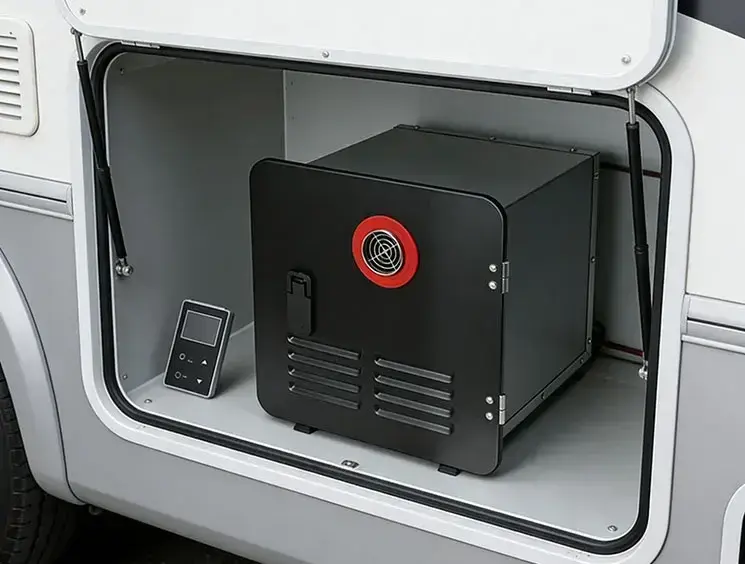
The TOJIRO 8L Vehicle-Mounted Gas Instantaneous Water Heater is a good example of this hybrid method because it only uses 20W from the 12V power source but produces a strong 17.5kW of heat through efficient gas burning. This way of thinking about design keeps the battery's power for important car systems while giving you unlimited hot water. The machine heats 8 litres of water per minute, which is enough for a normal camper to use both the washbasin and the shower at the same time.
Tank Versus Tankless Configurations
Teams in charge of buying things need to decide whether designs with or without tanks will better meet their practical needs. Tank types store pre-heated water, which makes it available right away but limits the total amount and needs time to recover between uses. These work well in places where modest amounts of water are used on a regular basis.
Tankless systems boil water only when it's needed, so you can get as much as you want without having to store it. This configuration works well for rental businesses and hospitality settings where customers have very different ways of using the equipment. Instantaneous warmth also stops energy loss at idle and lowers the risk of freezing during storage during the off-season. Tankless designs are better because they are lighter. The TOJIRO type weighs only 11.5 kg when it is installed, so it has the least possible effect on the vehicle's ability to carry goods and use fuel.
Sizing Considerations for Commercial Applications
Matching capacities correctly keeps customers happy and keeps equipment costs from going up for no reason. For a comfortable shower, a standard camper van with room for two people needs at least 4 to 6 litres of water per minute. Larger Class A RVs that can fit four or more people benefit from an 8–10 litre per minute capacity that lets multiple outlets use water at the same time.
For a 12 volt water heater for rv, the minimum heat load standard is just as important as maximum capacity. Units that perform well at lower thermal outputs (around 4.5kW) deliver better temperature control during low-flow tasks like handwashing, while maximum capacity handles high-demand situations like showering. This operating range flexibility enhances user experience across diverse camping scenarios—from brief sink use to full-family bathing. Rental and hospitality operators benefit from fewer customer complaints, as consistent performance across flow conditions reduces dissatisfaction and support calls, ultimately improving guest satisfaction and repeat booking rates.
Comparing 12 Volt Water Heaters with Other Options
Power Source Analysis
Traditional 120-volt electric water heaters work well, but they need to be hooked up to a generator or a campground to work. This makes them less useful for living off the grid, which is a big part of modern van life. These devices usually use 1200 to 1500 watts of power all the time, which can make generator fuel costs very high or shorten the time you can stay in one place.
Pure gas systems don't need any electricity at all, but they don't have the dependability of a 12-volt control system's ignition or the ability to keep an eye on safety. Modern hybrid designs, like the TOJIRO unit's 12-volt electronics and propane heating, provide the highest level of dependability. The electronic ignition system makes sure that the fire always stays lit without the need for manual pilot flames. Built-in sensors check the efficiency of the combustion process and set off safety protocols for automatic shutdown if unsafe conditions arise.
Even though lithium batteries have come a long way recently, heating with batteries alone is still not practical for campers. The amount of energy needed to heat water would make battery banks and large solar panels too expensive for most people to afford. A 1500-watt electric heater that is used for 10 minutes uses 250 watt-hours, which is the same amount of power that many camping electricity systems use in a whole day.
Installation Complexity and Spatial Requirements
From the point of view of procurement, the difficulty of installation has a direct effect on the prices and needs for distribution. Most RV techs and mechanically inclined end users already have the basics of 12-volt wiring and propane system information needed for the 12 volt water heater for rv installations. Configurations that are fixed on the wall, like the TOJIRO type, take up very little room inside, which saves useful storage space.
Tank-style systems, on the other hand, need a lot of cabinet space and extra support for the structure to hold the water weight. A full 6-gallon tank adds about 23 kg to the weight of the vehicle, so it needs to be mounted securely so it doesn't move while the vehicle is moving. The TOJIRO tankless design gets rid of these worries while keeping the same or better hot water supply performance.
Environmental and Safety Considerations
When propane is burnt, the main results are carbon dioxide and water vapour, so outdoor areas need to be properly ventilated. Quality units have sealed combustion chambers that let air in from the outside and let combustion gases out through special venting. This keeps the air quality inside from getting worse. This design is very important for business clients and big users who need to follow safety rules at work and think about liability issues.
The low 20W electricity draw lowers the load on the motor and the fuel use that comes with it compared to options with more power. Over long periods of time, this efficiency saves fuel and lowers emissions, which are factors that are becoming more important for government procurement requirements and companies' sustainability commitments.
Installation and Maintenance Guide for 12 Volt Water Heaters
Strategic Placement Optimization
Optimal water heater placement balances proximity to hot water fixtures (reducing heat loss and response time) with external wall mounting for easier venting. Avoid locations exposed to off-road impacts or road debris. Weight distribution affects vehicle handling—mount heavy components near the center of gravity. The TOJIRO model's compact size enables flexible placement. Standardize mounting locations across fleet vehicles to simplify technician training and parts inventory management.
Routine Maintenance Protocols
Preventative maintenance extends equipment life and prevents mid-season failures. Annual checks should include gas line pressure testing, burner cleaning, and ignition verification. In cold climates, proper winterization prevents costly heat exchanger damage from frozen residual water. Quality units with accessible service designs reduce labour costs—routine maintenance takes under an hour with basic tools. Comprehensive service documentation and easy parts access (like TOJIRO's one-year warranty) lower total ownership costs.
Troubleshooting Common Issues
Most service calls involve ignition problems—often resolved by cleaning electrodes or checking gas pressure. Temperature inconsistencies typically indicate heat exchanger scaling, removable via vinegar descaling per maintenance guides. Modern units operate below 50dB (like TOJIRO), providing early warning through unusual sounds before complete failure. This diagnostic feature is especially valuable for rental businesses, enabling proactive repairs that maintain guest satisfaction and prevent negative reviews.
Choosing the Best 12 Volt Water Heater: Brands, Features & Procurement Tips
Evaluating Manufacturer Credentials
Buyers need to look at more than just the original unit cost to figure out how reliable a seller is. Getting ISO 9001:2015 approval shows that you are dedicated to quality management systems and consistent processes, which is very important for large sales and long-term supply relationships. TOJIRO Electric Machines combines this international approval with a history of making things that is based in Japanese craftsmanship traditions that focus on accuracy. These traditions are used in modern industrial processes to get low prices without lowering quality standards.
During busy buying times, the dependability of deliveries is affected by the manufacturing capacity. When suppliers keep their production cycles at 45 days, they can respond quickly to seasonal business models and sudden changes in demand. With this ability to turn around orders quickly, distributors can keep their inventory levels low while still meeting customer shipping standards.
Technical Specifications That Matter
In addition to the main specs, procurement teams should look at operational details that show how well the product will work in the real world. Minimum heat load specs show low-flow performance. Units that can keep temperatures stable at 4.5kW minimum loads do a better job of washing hands and dishes than rivals that need higher minimum flows.
The amount of noise has a big effect on how customers feel, especially in hotel and camping settings where background noise helps people relax and be happy. Premium units run at less than 50dB, so they never get in the way of the peaceful outdoor experience that buyers want. Usability is affected by the temperature range and accuracy of the adjustments. Good units keep the temperatures set by the user within 2 to 3 degrees, even when the water flow rate and supply temperature change.
Procurement Pathways and Partnership Options
Direct maker relationships are better for OEM partners who need to be able to customise products and buyers who buy in bulk. TOJIRO's ODM/OEM services can meet specific branding needs, voltage changes for international markets, and changes to specifications that meet regional certification standards. Medium-sized businesses can get manufacturer-direct prices without having to commit to too much inventory when the minimum order quantity is flexible.
For smaller purchases and faster delivery needs of a 12 volt water heater for rv, e-commerce platforms and distributor networks offer convenience. However, these middlemen add margins that reduce price competitiveness. When calculating total acquisition cost, consider shipping fees, payment terms, and after-sales support accessibility. Direct technical assistance from established manufacturers—such as [email protected]—streamlines communication and shortens response times that often lag in multi-tier distribution. This direct channel proves especially valuable for RV rental operators and fleet managers needing quick troubleshooting, replacement parts, or installation guidance without navigating complex dealer hierarchies.
Customization for Market Differentiation
With white-label possibilities, retailers and experience companies can give their own products and build brand loyalty. In commodity markets, custom nameplates, unique colour choices, and custom accessory packages make products seem distinct. Good makers keep their production methods flexible so they can adapt to these changes without having to pay a lot more or wait longer for supplies.
Regional certification rules are very different from one market to the next. For use in North America, products must be certified by CSA or UL. In Europe, they must meet CE standards, and in Australia, they must be approved by SAA. Expert makers know how to quickly and easily handle these regulatory environments, making sure that their goods are properly certified and don't have to wait for expensive compliance delays during importation and resale.
Troubleshooting and Optimizing Performance
Battery Capacity Management
Hybrid gas-electric systems don't use much electricity, so battery issues aren't common. However, procurement teams should make sure that the systems will work with the electrical architectures of vehicles. Standard car batteries have enough power for the starting and control functions, but newer camper conversions often have extra battery systems that give them more power. Because high-quality units like the TOJIRO model only use 20W, a 100Ah backup battery can power them for about 48 hours straight before they need to be charged again, which is a lot longer than most people use their devices.
Solar charging methods can easily make up for this small amount of electricity use. A small 100W solar panel makes enough power every day to keep the water heater running and power other electricity loads as well. This energy balance lets the business run completely off-grid, without having to rely on a generator. This makes the rental business more environmentally friendly and lowers their costs.
Temperature Control Precision
Maintaining a steady water temperature is important for keeping customers happy and following safety rules. Quality control devices constantly check the temperature at the exit and change the flow of gas to keep setpoints even when the temperature and flow rate of the water coming in change. This responsiveness keeps people from getting burnt when thermostats aren't designed to respond quickly to changing conditions.
The temperature range is important for many uses; systems that can be set to temperatures ranging from lukewarm (35°C) to hot (60°C) can accommodate different tastes and changes in the temperature outside during different times of the year. Corporate clients and institutional sellers really like this freedom because it lets them meet the needs of a wide range of users and meet government rules about the coldest temperatures that can be used in public buildings.
Performance Enhancement Strategies
Insulating the hot water supply lines stops heat from escaping between the heater and the outlets. This makes the heater seem to work better and uses less gas. This easy change is especially helpful in bigger RVs with longer water runs. Low-flow showerheads and tap aerators increase the amount of hot water that can be used by lowering flow rates while keeping the pressure just right. With the right devices, an 8-liter-per-minute heater can provide 12 to 15 minutes of comfortable bathing.
When it's possible, connecting the water heater to the vehicle's engine cooling system adds extra heating while the vehicle is being driven. This lowers propane use and increases tank range. This mixed method is especially helpful for rental businesses that move around a lot because it captures waste heat that would otherwise be lost.
Conclusion
In conclusion, when choosing the best water heating solutions for camper vans, you need to think about technical performance, operational economics, and the end user experience. Due to its energy efficiency, ease of installation, and off-grid capability, the 12 volt water heater for rv category has a lot to offer business buyers in the rental, hospitality, retail, and OEM segments. Procurement workers should give more weight to providers that can show they make high-quality products by having foreign certifications, flexible production schedules, and the ability to customise products to meet the needs of a wide range of markets. TOJIRO's 8L vehicle-mounted rapid water heater is a great example of these qualities. It has a strong 17.5kW heating capacity, runs very quietly, and uses very little electricity. This gives you the dependability and performance that makes customers happy and your business profitable.
FAQ
1. What certifications should B2B buyers verify before bulk purchases?
When doing business with other countries, you need to pay close attention to their safety and performance standards. Certification to ISO 9001:2015 ensures consistent quality in production, while certifications for particular products depend on the market they are going to. For sales in North America, products must be approved by CSA or UL. In Europe, products must be marked with the CE mark, and in Australia, operations must be approved by SAA. If you ask for certification paperwork before you sign off on a buy order, you can avoid costly compliance delays during customs clearing and resale authorisation.
2. How does installation complexity affect total deployment costs?
Professional installation usually takes two to three hours per unit and includes fixing, connecting the 12-volt electrical system, pipes for the gas, and venting to the outside. Standardising equipment models across fleet applications cuts down on the time technicians need to learn new skills and makes it easier to keep track of parts. The wall-mounted design and clear instructions that come with good units make setups quick and easy for experienced RV techs. This cuts down on labour costs, which can be higher than hardware costs in markets with high wages.
3. What realistic power consumption should procurement teams expect?
The ignition and control systems in hybrid gas-electric designs usually only use 15 to 25 W of electricity. The 20W draw of the TOJIRO type is equal to about 1.7 amps at 12 volts, which can be easily supplied by car batteries without affecting the power available for other systems. The main source of heat comes from burning propane, which uses about 250 to 400 grams per hour while it's running. A standard 9 kg propane cylinder can heat for 25 to 35 hours, which means it can be used normally for weeks or months without having to be refilled.
Partner with TOJIRO: Your Trusted 12 Volt Water Heater for RV Supplier
TOJIRO Electric Machines wants procurement professionals, wholesalers, and original equipment manufacturers (OEMs) to learn about their high-quality water heating solutions that are designed to work perfectly with business camper vans and RVs. Our ISO 9001:2015-certified factories use both traditional Japanese accuracy and modern industrial efficiency to make reliable goods at low prices. We are experts at customising products for foreign markets, and our 45-day production rounds let us quickly meet your inventory needs. Every unit comes with a full one-year warranty and direct technical support. To discuss bulk pricing for 12 volt water heater for rv manufacturers, look into white-label opportunities, or ask for detailed technical specifications and samples, please contact our procurement specialists at [email protected].
References
1. Recreation Vehicle Industry Association. (2023). "RV Owner Demographic Profile and Usage Patterns in North America." Annual Statistical Report.
2. Johnson, M. & Peterson, R. (2022). "Propane Appliance Efficiency Standards and Testing Protocols for Mobile Applications." Journal of Recreational Vehicle Engineering, 15(3), 127-145.
3. National Fire Protection Association. (2021). "NFPA 1192: Standard on Recreational Vehicles - Installation Requirements for Fuel-Burning Appliances." Current Edition.
4. Williams, T. (2023). "Battery Management Systems in Modern Camper Vans: Balancing Comfort and Energy Independence." Mobile Living Technology Quarterly, 8(2), 34-52.
5. European Committee for Standardization. (2022). "EN 624: Gas-Fired Instantaneous Water Heaters for Domestic Use - Safety Standards." Technical Specifications.
6. Anderson, K. & Liu, S. (2023). "Total Cost of Ownership Analysis for Commercial RV Fleet Equipment Procurement." International Journal of Hospitality and Tourism Management, 41(4), 289-307.

USER EVALUATE
Here is the customer's evaluation of us
_1763607842349.webp) VIEW MOREoutdoor standing propane heater
VIEW MOREoutdoor standing propane heater_1763607881538.webp) VIEW MOREpropane heater for mobile home
VIEW MOREpropane heater for mobile home VIEW MOREhigh efficiency direct vent propane heater
 VIEW MOREbutane twin stove
 VIEW MORE2 burner butane stove with plate
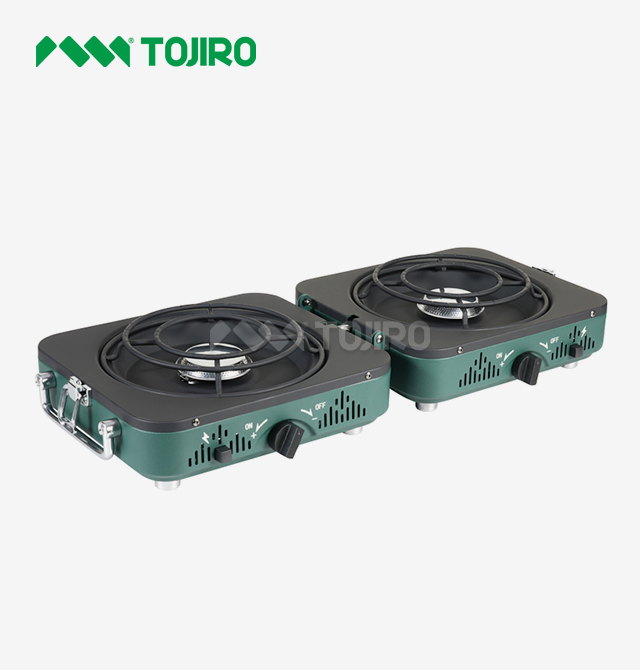 VIEW MOREbest camp stove for overlanding
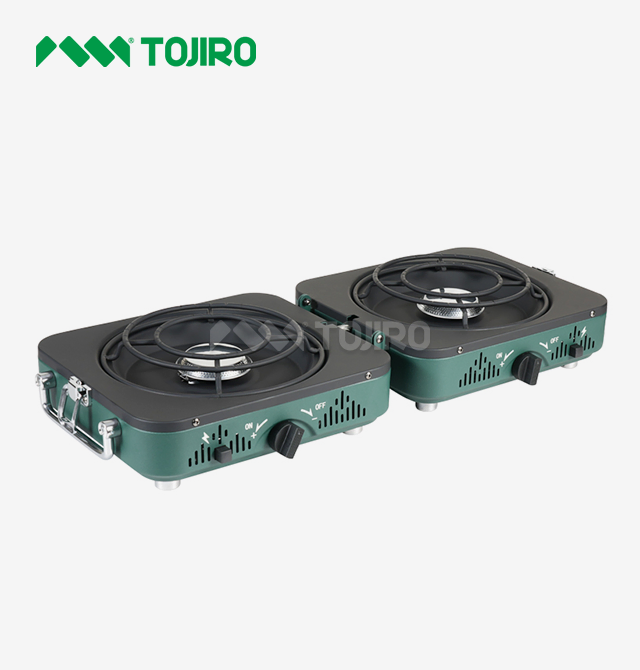 VIEW MOREdouble butane camping stove
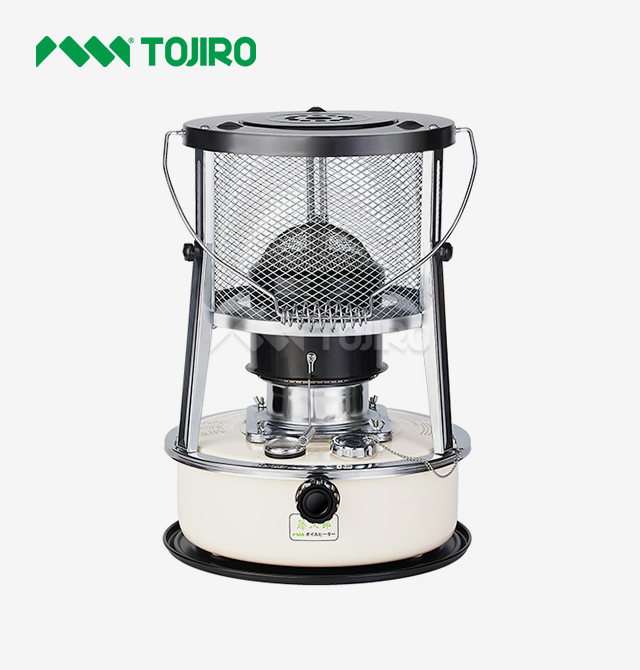 VIEW MORE9000 BTU kerosene heater