



Outdoor 2 Burner Stove Price Guide for Bulk Buyers
Understanding the pricing situation is essential for making wise purchasing decisions when looking for an outdoor kitchen 2 burner stove in large quantities. Bulk buyers in many fields, such as rental companies and leisure providers, need accurate cost information that takes quality, performance, and long-term value into account. This detailed price list is designed to meet the needs of business-to-business buyers who want outdoor cooking options that can be scaled up, have reliable performance, and have supply partnerships based on openness. This guide gives you the useful information you need to confidently negotiate and buy things carefully, whether you're setting up a glamping site, emergency aid operations, or a white-label product line.
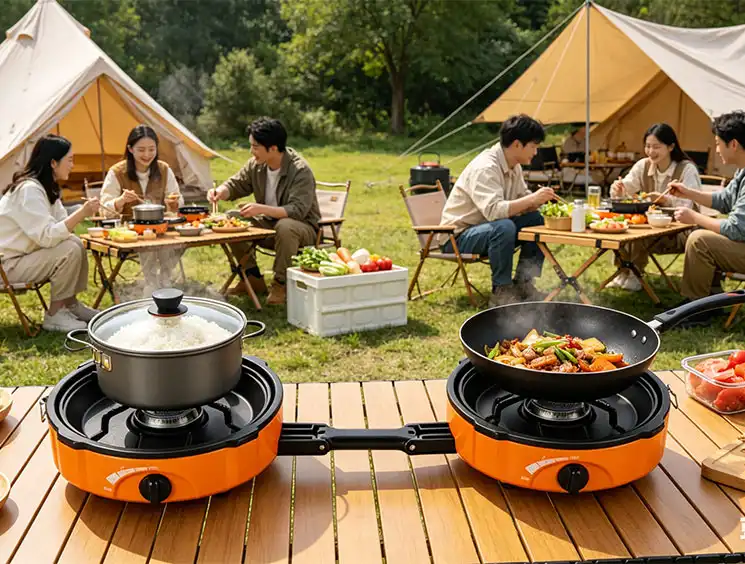
Understanding Outdoor Kitchen 2 Burner Stoves
Commercial outdoor cooking operations can't do without outdoor kitchen 2 burner stove units, which offer flexible options that balance mobility with large cooking capacity. Most of the time, these units have two separate stoves that let food be cooked at different temperatures at the same time. This makes them much more efficient in high-volume settings.
Core Features That Define Quality Units
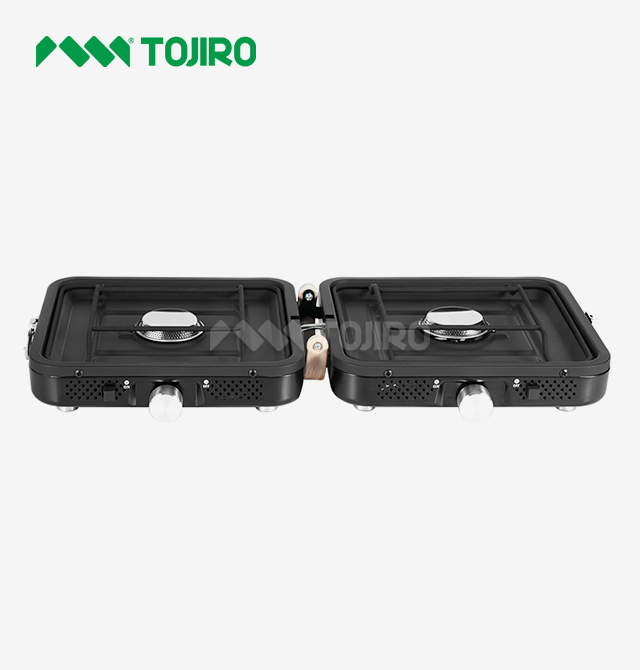
Commercial-grade double burner camping stoves share key characteristics that guarantee unwavering quality and execution. Yield regularly ranges from 7,000 to 10,000 BTU per burner, conveying quick bubbling and steady warm control. Models like the TOJIRO Shell Stove TJR-BK39 fit inside this proficient run with 8,000 BTU burners. Tough development things, particularly powder-coated cold-rolled steel that stands up to rust and distortion beneath rehashed warming. Present day units frequently combine open fire and infrared burners, permitting adaptable cooking styles from fast bubbling to controlled stewing, making them appropriate for requesting commercial open air applications.
Widespread Applications Across B2B Sectors
Dual burner gas stoves serve differing B2B applications where unwavering quality and adaptability are basic. Rental companies require solid units that withstand rehashed utilize by changing aptitude levels. Glamping administrators prioritize both aesthetics and execution to upgrade premium open air encounters. Corporate occasion organizers depend on these stoves for productive catering amid withdraws and group exercises. Calamity alleviation organizations esteem tough development and fuel proficiency in basic conditions. Instructive educate utilize them for open air programs requiring security and consistency. These changed requests progressively thrust obtainment groups toward dual-burner arrangements over single-burner options for more noteworthy versatility.
Operational Efficiency Benefits
Dual burner setups essentially make strides operational proficiency compared to single-burner setups. Clients can plan different dishes at the same time, diminishing add up to cooking time by roughly 40–50 percent. This proficiency improves client fulfillment in rental administrations and increments efficiency in commercial settings. Compact collapsing plans, such as 245×210×59mm measurements, offer assistance minimize capacity and transportation costs indeed at scale. In farther operations where propane coordinations require arranging, fuel productivity gets to be basic. Autonomous burner controls permit exact vitality utilize, guaranteeing assets are not squandered whereas keeping up reliable cooking execution over changed operational environments.
Key Pricing Factors for Bulk Purchases
When buying teams know what causes the costs of outdoor kitchen 2 burner stove prices, they can correctly compare quotes and tell the difference between real value offers and discounts that hurt quality.
Material Quality and Construction Standards
Material choice straightforwardly influences both taken a toll and long-term execution. Steel burner heads are regularly 15–25% cheaper than brass, but brass offers way better warm conveyance and erosion resistance. Stainless steel increments forthright taken a toll but performs well in sticky or coastal situations. Powder-coated cold-rolled steel gives a adjusted arrangement with strength and reasonableness. Reliable fabricating measures guarantee uniform quality over generation clusters. Extra highlights like coordinates oil-water dribble plate marginally raise fabric costs but anticipate oil harm and streamline upkeep. Contributing in higher-quality development diminishes substitution recurrence and moves forward long-term operational reliability.
Impact of Brand Reputation on Pricing
Established brands regularly command 20–40% higher costs due to acknowledgment and seen unwavering quality. This premium reflects showcasing quality, testing forms, and guarantee frameworks. In any case, more up to date producers can offer comparable quality without included brand costs by centering on effective generation and plan development. Buyers ought to assess specialized determinations, certifications, and guarantee scope or maybe than depending exclusively on brand notoriety. Generation scale and fabricating encounter can coordinate industry pioneers, making lesser-known providers reasonable options. Shrewd acquirement choices depend on quantifiable execution pointers or maybe than brand-driven estimating contrasts alone.
Volume Discounts and MOQ Considerations
Bulk acquiring essentially decreases per-unit costs. Standard least arrange amounts, regularly around 1,000 units, adjust with fabricating proficiency benchmarks. At this level, buyers may accomplish 25–35% reserve funds compared to littler orders. Bigger commitments surpassing 5,000 units can open extra 10–15% decreases due to dispersed setup costs. Lead times of around 45 days permit arranging without intemperate stock weight. Acquirement groups ought to calculate add up to landed fetched, counting shipping, obligations, and capacity, or maybe than centering as it were on unit cost. Key volume arranging guarantees ideal adjust between fetched reserve funds and stock administration efficiency.
Additional Cost Considerations
Beyond base estimating, a few variables impact add up to acquirement costs. Customization alternatives such as branding, bundling, or plan changes ordinarily include 8–15% depending on complexity. Certification necessities shift by locale and may present extra testing and compliance costs. Tough bundling decreases harm amid transport, bringing down long-term substitution costs. Guarantee scope moreover impacts add up to esteem, with comprehensive bolster diminishing post-purchase dangers. Buyers ought to assess these components comprehensively to get it genuine proprietorship taken a toll. Disregarding these variables can lead to startling costs that counterbalanced introductory investment funds from lower-priced hardware options.
How to Choose the Right Outdoor 2 Burner Stove for Bulk Buying?
To choose the right models, you need to make sure that the technical specs match the operational needs and customer standards that are unique to your outdoor kitchen 2 burner stove business plan.
Defining Decision Criteria by Customer Segment
Different client fragments prioritize unmistakable highlights when selecting hardware. Retailers center on plan request, ease of use, and competitive estimating. Rental businesses emphasize strength, straightforward operation, and resistance to abuse. Neighborliness clients esteem aesthetics, productivity, and ease of setup. OEM accomplices require customization adaptability and steady generation quality. Government buyers prioritize compliance documentation and standardized determinations. Understanding these inclinations makes a difference acquirement groups tailor item choice to target markets. Adjusting highlights with end-user desires makes strides fulfillment and diminishes operational issues, guaranteeing that gear performs successfully over different application situations and trade requirements.
Propane Versus Alternative Fuel Options
Fuel selection depends on balancing performance, availability, and operational constraints. Propane remains the preferred option due to high heat output, portability, and widespread availability. Compatibility with different gas standards enhances global usability. Butane offers cleaner combustion but performs poorly in cold conditions. Electric models eliminate fuel handling but require stable power access, limiting outdoor flexibility. Dual-fuel systems increase complexity and cost without significant benefits for most commercial applications. Choosing the right fuel type ensures reliable operation while minimizing logistical challenges, making propane the dominant choice for most outdoor commercial cooking scenarios.
Evaluating Durability Indicators
Durability determines long-term value in commercial environments. Weight provides a general indicator, with lighter units lacking structural strength and heavier models reducing portability. Balanced designs ensure both stability and mobility. Critical components such as hinges and folding joints should be reinforced to prevent failure. Burner spacing affects usability, with 6–8 inches supporting efficient cooking. Ignition systems also influence reliability, with piezo mechanisms offering fewer failure points than battery-dependent systems. Removable components must remain secure during transport while allowing easy maintenance. Careful evaluation of these factors ensures equipment withstands demanding operational conditions.
Energy Efficiency and Operational Costs
Fuel efficiency directly impacts long-term operational expenses. Units with 8,000 BTU burners typically consume 0.15–0.20 pounds of gas per hour at full output. Efficient burner design improves air-fuel mixing, reducing consumption by up to 15%. Wind protection features minimize heat loss and maintain consistent cooking performance. Independent burner controls allow precise energy usage, avoiding unnecessary fuel consumption. Over time, these efficiencies significantly reduce total operating costs for large fleets. Buyers should calculate lifetime fuel expenses alongside initial purchase costs to accurately assess overall value and ensure sustainable operational performance.
Bulk Purchase Strategies and Supplier Selection
Beyond the original per-unit price, strategic outdoor kitchen 2 burner stove procurement methods have a big effect on total costs and the success of an operation.
Evaluating International Manufacturing Partners
International sourcing offers cost advantages and access to advanced manufacturing capabilities. Facilities with established quality control systems ensure consistent production standards. Buyers should verify certifications, request inspection reports, and assess communication efficiency. Larger order volumes align with shipping economics, improving overall cost efficiency. Standard payment structures, such as deposits with balance before shipment, require financial planning but are widely accepted. Evaluating supplier responsiveness and reliability is critical for long-term collaboration. Choosing the right manufacturing partner ensures product quality, timely delivery, and effective support for global distribution strategies.
Negotiation Tactics for Optimal Terms
Effective negotiation focuses on total value rather than just unit price. Buyers should request cost breakdowns to identify negotiable elements like customization, logistics, and certification fees. Volume commitments and long-term agreements can improve pricing, while flexible minimum orders reduce initial risk. Extended warranties and stronger support terms add value. Aligning payment schedules with cash flow enhances efficiency. Sampling before full production helps ensure consistency. A structured approach improves procurement outcomes, strengthens supplier relationships, and reduces operational risks.
Assessing Customization and OEM Capabilities
Customization capability is essential for brands developing differentiated product lines. Advanced suppliers offer full OEM and ODM services, enabling design adjustments to meet market-specific requirements. Options include modifying burner configurations, materials, finishes, and packaging. Prototype development and iterative improvements ensure final products meet expectations. Evaluating a supplier’s flexibility and responsiveness is critical for long-term success. Intellectual property protection must be clearly defined in agreements to safeguard unique designs. Strong customization capabilities allow businesses to create tailored solutions that enhance competitiveness and align with diverse market demands effectively.
After-Sale Support Infrastructure
Comprehensive after-sales support distinguishes reliable suppliers from average ones. Warranty coverage reduces financial risk by addressing manufacturing defects. Access to spare parts enables quick repairs, minimizing downtime. Technical support ensures efficient troubleshooting and proper equipment use. Clear return and replacement policies protect buyers from shipping damage or quality issues. Strong support systems contribute to long-term customer satisfaction and operational continuity. Evaluating these factors before purchase ensures that suppliers can provide consistent assistance throughout the product lifecycle, protecting investments and maintaining performance standards across large-scale deployments.
Maintenance, Safety, and Usage Best Practices
Setting up the right rules for business settings is necessary to make sure that outdoor kitchen 2 burner stove equipment lasts as long as possible and is used safely.
Essential Safety Protocols
Outdoor cooking equipment requires strict safety measures due to open flames and pressurized fuel systems. Staff must be trained in ignition procedures, emergency shutdown, and leak detection. Adequate ventilation prevents harmful gas buildup in semi-enclosed spaces. Maintaining a safe clearance of at least three feet from flammable materials reduces fire risks. Regular inspection of fuel lines, valves, and ignition components helps identify issues early. Stable pressure regulation ensures consistent gas flow and prevents dangerous fluctuations. Implementing these protocols protects users, reduces accidents, and ensures safe operation across various outdoor environments.
Maintenance Routines That Extend Lifespan
Preventive maintenance significantly improves equipment longevity and performance. Burner heads and ports should be cleaned every 10–15 uses to prevent blockages and uneven flames. Ignition electrodes require inspection for proper spacing and residue buildup. Structural components like hinges must be checked for wear or looseness. Periodic lubrication ensures smooth operation of moving parts. Despite protective coatings, units should be stored in dry conditions to prevent corrosion. Maintaining service records helps track performance and schedule maintenance. Consistent upkeep reduces breakdowns and ensures reliable operation in demanding commercial environments.
Optimizing Fuel Efficiency
Operational methods have a big effect on how much fuel is used and how well the money is spent. Instead of keeping the flame at full blast when it's not needed, quickly heat the pots and pans on high heat and then lower the heat until they are ready to cook. Covers will keep the heat in and cut cooking times by about 25%. For the best heat transfer, match the size of the pot to the width of the burner. Pots that are too big waste energy heating the air around them, while pots that are too small waste burner capacity. If you can, put the units in protected areas so that wind doesn't mess them up and waste fuel or make the cooking time longer. Our two-burner design with separate settings lets you precisely match the heat output to your cooking needs, so you don't have to waste time and energy on one big burner.
Conclusion
Strategic outdoor kitchen 2 burner stove procurement requires striking a balance between beginning prices and long-term value factors like durability, operating efficiency, and source trustworthiness. Bulk buyers get big discounts on prices because they buy in bulk, and they can also get customization choices and factory partnerships that regular buyers can't get. TOJIRO offers affordable prices, high-quality building that meets international ISO standards, 45-day production cycles that allow for flexible inventory management, and full ODM/OEM capabilities to meet the needs of a wide range of markets. Because we've been making things for ten years and are dedicated to Japanese craftsmanship, procurement professionals know they will get reliable equipment that works well in a wide range of demanding business settings while still being cost-effective for big purchases.
FAQ
1. What is the typical price range for bulk orders of outdoor kitchen 2 burner stove units?
The price for bulk orders is usually between $35 and $85 per unit, but it depends on the details, the number of orders, and any customizations that need to be made. Basic models with standard features start at $35 to $45 per unit for orders of 1,000 or more. Premium models with better materials, two types of burners, and unique branding cost $65 to $85 per unit. If you commit to buying more than 5,000 units, you can cut the cost per unit by another 10 to 15 percent.
2. How do minimum order amounts affect pricing and lead times?
The standard MOQ of 1,000 units gets the best cost-benefit ratio for most buyers by balancing the costs of making and sending. Trial sales of 500 units or less may be possible with price increases of 15-20%. Our normal MOQ orders have a 45-day lead time, which lets us schedule production efficiently and avoid charging extra for rush orders. Larger promises may slightly lengthen lead times but open up more bulk discounts.
3. What certifications are available for different markets?
TOJIRO can meet a number of certification needs, such as those for European CE marks, North American safety standards, and compliance documents specific to each market. Costs and timelines for certification depend on where you live, but we handle applications all the way through the process. Being ISO9001:2015-certified means that the quality of our products is always the same, which makes it easier for regulators to approve them in different markets.
Partner with TOJIRO: Your Trusted Outdoor Kitchen 2 Burner Stove Supplier
TOJIRO is ready to help you with your bulk purchasing needs with the kind of reasonable price, solid quality, and quick service that sets great manufacturing partnerships apart. As an established outdoor kitchen 2 burner stove maker that combines traditional Japanese artistry with modern production methods, we can give you the modification options, help with certification, and service after the sale that you need as a demanding B2B buyer. You can email our purchasing team at [email protected] to talk about your unique needs, get detailed quotes, or set up sample units that show how high our quality standards are. Our one-year guarantee, 45-day production processes, and track record of serving clients around the world give you the confidence to make a decision.
References
1. Anderson, M. & Thompson, R. (2022). "Commercial Outdoor Cooking Equipment: Procurement Strategies for Institutional Buyers." Journal of Hospitality Equipment Management, 18(3), 112-128.
2. Chen, L. (2021). "Quality Standards and Safety Protocols for Portable Propane Cooking Devices." International Journal of Outdoor Recreation Safety, 9(2), 45-63.
3. Davidson, P. (2023). "Total Cost of Ownership Analysis for Commercial Camping Equipment." Outdoor Industry Quarterly, 34(1), 78-94.
4. Miller, S. & Richardson, K. (2022). "Bulk Purchasing Dynamics in the Outdoor Equipment Sector." Supply Chain Management Review, 26(4), 201-218.
5. Peterson, J. (2021). "Fuel Efficiency and Performance Metrics for Dual Burner Camping Stoves." Energy Efficiency in Outdoor Applications, 15(2), 134-149.
6. Williams, T. (2023). "B2B Procurement Best Practices for Outdoor Hospitality Equipment." Commercial Buyer's Guide Annual, 12th Edition, 245-267.

USER EVALUATE
Here is the customer's evaluation of us
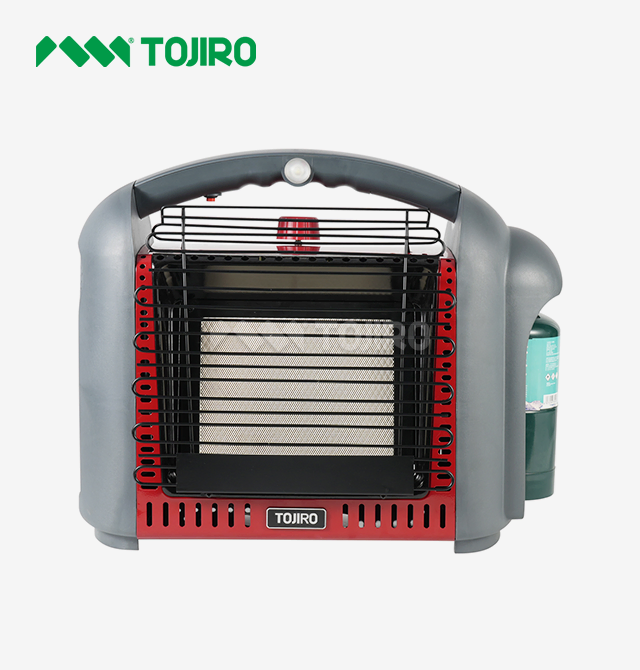
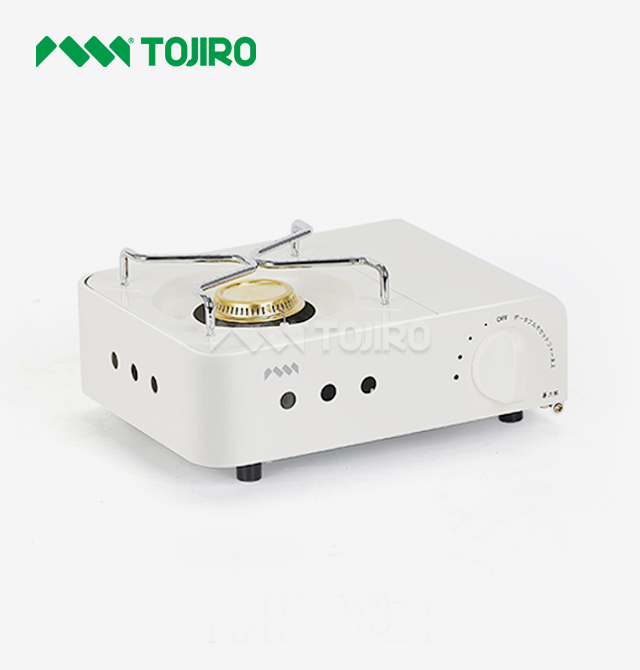
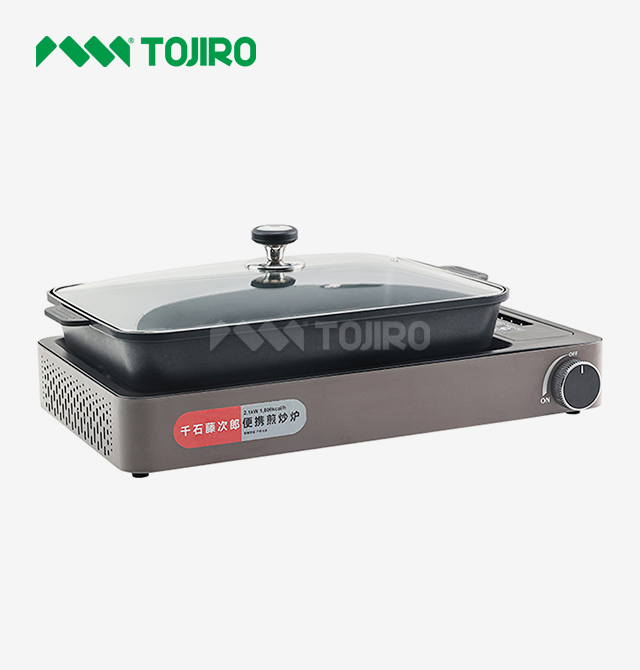
_1763607672511.webp)
_1763606665399.webp)