



Benefits of Inset Butane Stoves in Modern Outdoor Kitchens
Modern outdoor kitchens need cooking equipment that works as well as professional-grade appliances and is easy to use. An inset cooking pan butane stove is a complete cooking system that includes a space-saving design and reliable fuel management. These small units use carefully designed burner systems to burn butane fuel, which lets you control the flame in a variety of ways that are useful in the kitchen. Unlike traditional burners that stand alone, inset models fit perfectly into custom cabinets and outdoor cooking areas. This gives them a clean look that works well in hotels, rental businesses, and schools. These systems are becoming more popular because they are portable, produce enough power, and are easy to maintain, all of which are important for large-scale outdoor food service businesses.
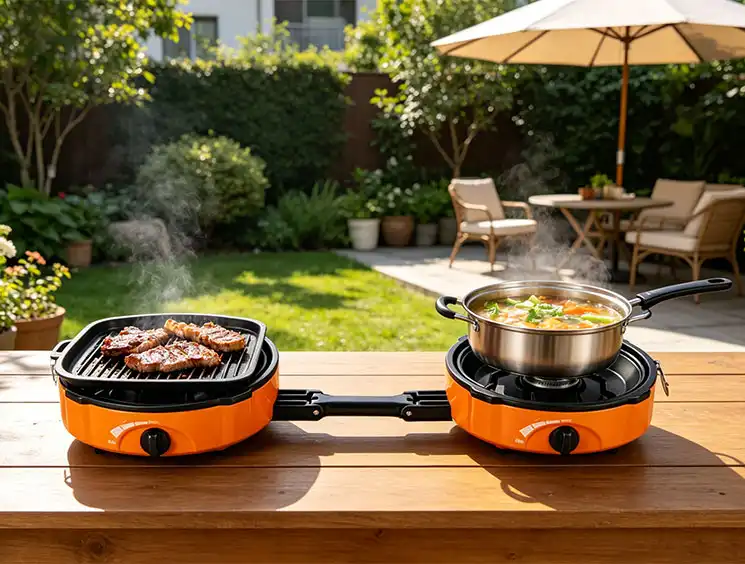
Understanding Inset Butane Stoves and Their Role in Outdoor Kitchens
Core Components of Butane Cooking Systems
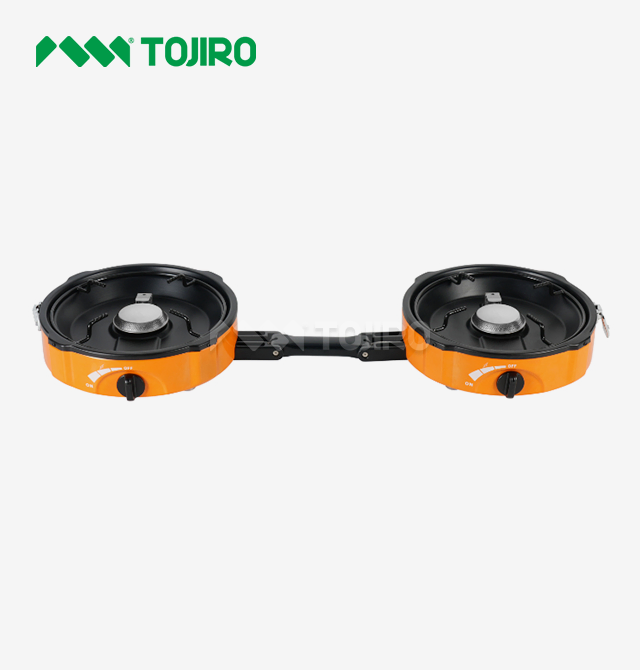
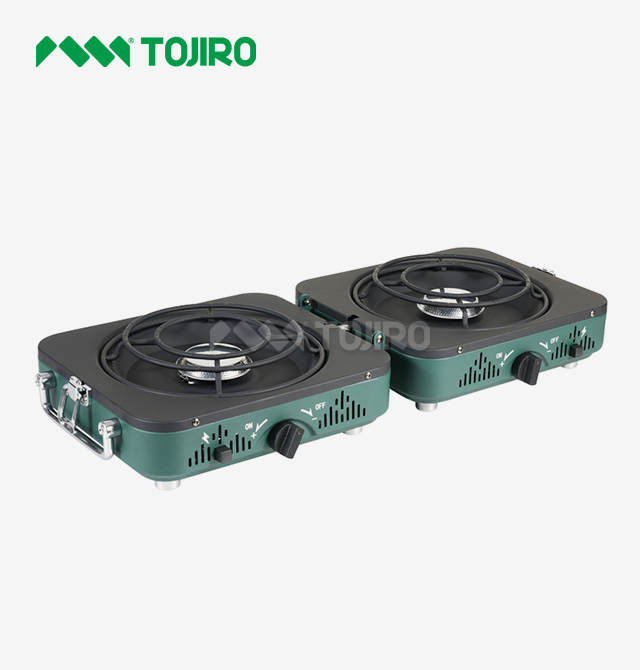
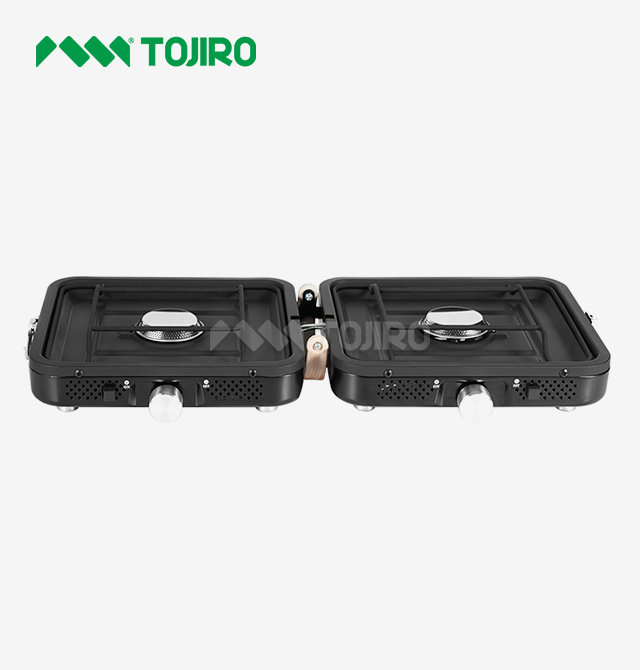
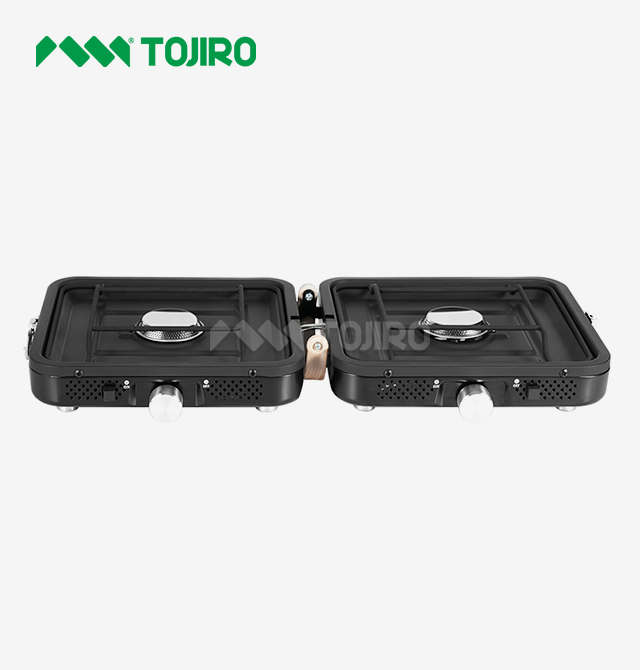
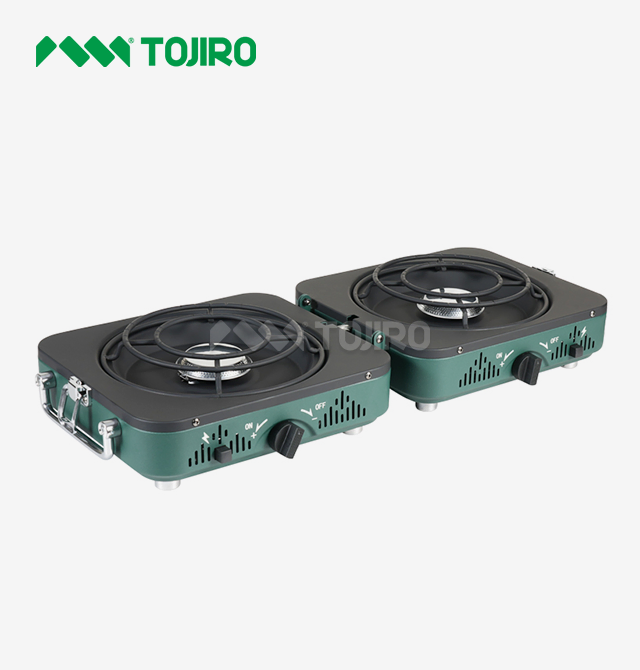
There are three main parts to every butane cooking system that all work together to provide steady temperature performance. The burner head, ignition system, and gas control valves are all inside the stove box. Cookware that works with butane runs from stainless steel pans to cast iron skillets. Each reacts differently to the straight flame patterns that butane combustion creates. Automatic shut-off monitors and overpressure protection systems are safety features that keep gas from leaking when the tank is changed or the temperature changes. When purchasing managers look at these units, they need to know how the materials used—like cold-rolled steel construction with powder coating—affect how long they last under heavy industrial use. The TOJIRO TJR-BK39 is a good example of this way of building. It has two burner heads, each rated at 2.3kW, which give it an output of 8,000 BTUs, which is good for high-volume cooking settings, while still being small (245×210×59mm).
Operational Advantages Over Traditional Cooking Equipment
Butane fuel burns quickly through piezo or electronic ignition systems, so there are no wait times for electric heating elements to warm up. The fuel mixture, which is usually 70–80% butane mixed with propane, burns cleanly and leaves little waste, so there is less downtime between deep cleaning rounds. This clean combustion profile is especially helpful for hire companies and glamping owners who need tools that can be used right away without needing a lot of maintenance. The pressure-controlled gas flow keeps the flame's features the same no matter how full the canister is. This makes sure that cooking temperatures stay stable during service times. In a matter of seconds, operators can change the flame strength from low simmer to high sear. This gives chefs the thermal freedom they need to prepare complicated menus in distant areas where electricity isn't always available or reliable.
Top Benefits of Using Inset Butane Stoves in Outdoor Kitchen Setups
Portability and Flexible Installation Options
Modern inset cooking pan butane stoves are small, which makes them useful for places that don't have a lot of room, like food trucks and seasonal events. When fuel canisters are taken into account, a properly designed inset cooking pan butane stove weighs a lot less than similar propane systems. This makes moving between event sites easier for business event planners and adventure tour companies. Because there are no fixed gas line needs, installation is flexible. Units can be moved around in outdoor kitchen layouts without having to make any special plumbing changes. This flexibility is helpful for hotels that offer camping experiences during certain times of the year, since it lets cooking layouts change based on changes in the number of guests. The sturdy packing of the TOJIRO model can survive drops from one meter heights and eight different angles. This meets the high standards of longevity needed by rental businesses whose equipment is often loaded, moved, and set up in a variety of outdoor settings.
Precise Flame Control and Energy Efficiency
Adjustable flame control allows operators to match heat output to specific cooking tasks, improving efficiency and reducing fuel waste at lower settings. Dual systems combining open flame and infrared burners create dedicated zones for boiling, searing, simmering, and warming. This versatility reduces the need for multiple cooking tools, simplifying procurement for institutions such as parks and schools. Butane fuel offers 10–12% higher efficiency than propane, reducing cylinder changes during extended use. Improved energy efficiency lowers operating costs and minimizes service interruptions in commercial environments.
Durability Through Commercial-Grade Construction
Material selection is critical for long-term durability in demanding environments. Cold-rolled steel resists thermal deformation, while powder coating protects against corrosion from moisture and cleaning agents. Integrated oil and water pan designs simplify cleaning and support compliance with hygiene standards. Manufacturing aligned with ISO9001:2015 ensures consistent quality across production batches. TOJIRO maintains certification and supports OEM customization. Burner components designed for over 1,000 ignition cycles enhance reliability, reducing maintenance frequency and replacement costs for rental and hospitality operations.
Environmental Sustainability and Regulatory Compliance
Butane combustion produces fewer emissions than propane or charcoal, supporting sustainability goals for institutional buyers. Its clean-burning properties reduce particulate output, helping operators meet strict air quality regulations in sensitive environments such as national parks. Recycling programs for fuel canisters improve waste management. Modern inset butane stove designs incorporate safety features like flame failure protection and pressure release systems. Dual compliance with European and U.S. standards enables global deployment without modification, simplifying procurement for international hospitality and event operations.
Procurement Insights: Selecting the Best Inset Butane Stove and Compatible Cooking Pans
Key Evaluation Criteria for Commercial Applications
Effective procurement starts with defining operational requirements. Fuel efficiency impacts long-term costs, while flexible flame control enhances cooking versatility. Safety certifications ensure regulatory compliance and reduce liability risks. Warranty coverage protects capital investment by minimizing downtime from defects. Comprehensive service support further strengthens reliability. TOJIRO offers a one-year warranty backed by ISO-certified production and responsive technical assistance, addressing common concerns among procurement managers evaluating new suppliers for commercial kitchen equipment.
Customization Options for OEM and White-Label Partners
OEM and ODM capabilities enable brands to offer customized products without investing in manufacturing infrastructure. Options include branding, color finishes, ignition systems, and burner performance adjustments. TOJIRO’s MOQ of 1,000 units and 45-day lead time balance scalability with inventory control. Engineering support ensures compatibility with regional fuel standards, including European and U.S. systems. Flexible certification options facilitate market entry. These capabilities are particularly valuable for e-commerce brands seeking differentiated private-label products in competitive markets.
Comparing Material Options and Cookware Compatibility
Material selection affects both performance and cost. Stainless steel offers superior corrosion resistance but increases manufacturing expense. Cold-rolled steel with protective coatings provides comparable durability at lower cost, ideal for high-volume rental operations. Cookware compatibility is also critical; cast iron requires higher heat capacity, while lightweight metals respond faster. Dual-burner systems with open flame and infrared heating accommodate diverse cookware. Procurement planning should align stove specifications with existing cookware to avoid unnecessary replacement costs.
Installation and Maintenance Best Practices for Inset Butane Stoves
Strategic Placement and Ventilation Requirements
Proper placement of an inset cooking pan butane stove begins with ensuring adequate airflow and safe clearance from flammable materials. Outdoor kitchens must maintain sufficient distance from overhead structures to prevent heat accumulation. While open-air setups rely on natural ventilation, semi-enclosed spaces such as resort or campground kitchens may require mechanical exhaust systems. Precise cutout dimensions are essential for cabinet integration, with manufacturer templates ensuring proper fit and structural support. The compact inset design simplifies retrofitting existing kitchens, reducing installation costs, though compliance with local building and fuel appliance codes remains essential.
Routine Maintenance Protocols for Extended Equipment Life
Regular maintenance prevents residue buildup that affects performance and safety. Burner ports should be inspected and cleaned every 40–50 hours to maintain consistent flame patterns and fuel efficiency. Removable grease trays simplify cleaning without disassembly. Ignition systems should be checked weekly during peak usage to avoid service disruptions. Annual replacement of fuel connection gaskets prevents leaks and safety risks. The simple design of inset butane stoves allows frontline staff to perform routine maintenance without specialized technicians, reducing operational costs and improving equipment reliability.
Troubleshooting Common Operational Issues
Inconsistent flames typically indicate clogged burner ports or low fuel pressure. Butane performance is temperature-sensitive, with vaporization declining near 0.5°C, leading to weak or extinguished flames in cold conditions. Propane-blended fuels can maintain functionality in subfreezing environments. Ignition failures often result from moisture affecting piezo systems, which can be resolved by thorough drying. The mechanical simplicity of inset butane stoves enables quick field repairs, minimizing downtime compared to complex electric systems requiring specialized tools and components.
Future Trends and Innovations in Butane Stove Technology for Outdoor Kitchens
Smart Integration and Remote Monitoring Capabilities
Emerging IoT-enabled systems allow remote monitoring of fuel levels, burner temperatures, and usage hours. Centralized dashboards support preventive maintenance planning and efficient fuel management across distributed operations. Integrated sensors enable precise digital temperature control comparable to electric systems. Remote ignition features allow preheating before service, improving workflow efficiency. Although currently higher in cost, these technologies are becoming more accessible as sensor production scales, offering advantages for glamping operators and facilities adopting automated infrastructure solutions.
Enhanced Fuel Efficiency and Environmental Performance
Advancements in burner design for an inset cooking pan butane stove improve air-fuel mixing, increasing combustion efficiency and reducing fuel consumption. Emerging catalytic technologies further lower emissions while maintaining heat output. These improvements align with stricter environmental regulations and corporate sustainability goals. Bio-based butane alternatives derived from renewable sources offer potential for carbon-neutral cooking solutions. Such innovations support environmentally sensitive operations, including national parks and educational programs, while positioning businesses to meet evolving regulatory and market demands.
Customization Through Modular Design Approaches
With modular design, users can set up cooking systems that meet their specific needs instead of having to settle for one-size-fits-all options. With interchangeable burner heads, chefs can switch between open flame and infrared settings based on what the menu calls for. This makes the most of the equipment for a wide range of cooking tasks. Stackable fuel management systems allow for longer working periods without having to change canisters in the middle of a service. This is especially helpful for food businesses and event sites that handle a lot of people. These modular methods help OEM partners make specialized products for niche markets; the ability to swap out parts makes SKUs simpler while letting you make more products that look like they belong to different groups. Because modular designs are flexible, they can be used over and over again as operational needs change. This keeps capital investments from becoming useless when business models change or when they add new service categories.
Conclusion
Modern outdoor kitchens use butane cooking technology, which shows that operating speed, environmental responsibility, and cost management are all working together in a smart way. An inset cooking pan butane stove is portable, has temperature control, and is long-lasting, all of which are important for a wide range of business-to-business uses. For example, rental businesses need equipment that can handle being dropped, hospitality venues want equipment that looks good, and OEM partners want manufacturing solutions that can be tailored to their needs. Because butane fuel combustion has technical benefits and new products are always being made, these systems are the best options for sourcing professionals who are looking at investments in outdoor cooking infrastructure. In order to make decisions that combine short-term operational needs with long-term strategy goals, it is important to understand the technical specs, maintenance needs, and new capabilities.
FAQ
1. Can cast iron cookware be used safely with inset butane stoves?
When the right methods for controlling the heat are used, cast iron pans work great on butane burners. Good burners, like the 2.3kW grade in TOJIRO models, put out a lot of heat, which is enough to heat cast iron to the right temperature for cooking. To avoid thermal shock, start with medium flame settings. Once the pan is hot, move the settings up. Butane's flexible flame control works well with cast iron's better heat retention, so the exact temperature can be kept up for long cooking sessions. Make sure the pans are level on the stove grate so that heat moves more efficiently and there aren't any hot spots that cause cooking to go unevenly with inset cooking pan butane stove.
2. How do butane models compare to propane stoves for commercial outdoor kitchens?
Inset cooking pan butane stove burn cleaner and leave behind less residue than gas stoves, which means they need less upkeep, which is a big plus for businesses that do a lot of work. The small size of the box makes it easier to store and move, which is especially helpful for food businesses that are on the go and don't have a lot of space for movement. When the temperature is reasonable, inset cooking pan butane stove is 10–12% more fuel efficient, which means that the cost of running the kitchen for an hour is less. In places that are very cold, where butane vaporization isn't guaranteed below freezing temperatures, propane still works better. Which fuel to use depends on the conditions of your business and whether the equipment stays in one place or needs to be moved around a lot.
3. What warranty coverage should procurement managers expect from butane stove manufacturers?
Comprehensive insurance plans usually cover manufacturing flaws for one year after the purchase. This includes problems with the burner unit, the ignition system, and the structure that are caused by material flaws. Quality makers, like TOJIRO, make their customer service easy to reach during the warranty period. This makes it possible to quickly get new parts, which cuts down on working downtime. The warranty terms should make it clear that they don't cover regular wear and tear parts like seals and ignition elements that need to be replaced from time to time no matter how well they were made. When choosing a provider, you should look at how quick the maker is and how readily available parts are. Warranty paperwork doesn't mean much if replacement parts take too long to arrive from companies that make inset cooking pan butane stove, which slows down business operations.
Partner with TOJIRO: Leading Inset Cooking Pan Butane Stove Manufacturer
TOJIRO blends the precision of traditional Japanese craftsmanship with the power of modern industrial production to make outdoor cooking solutions that meet the high standards of businesses around the world. During the 45-day manufacturing cycle, our ISO9001:2015-certified production center keeps a close eye on quality to make sure that even large orders get the same level of service. The TJR-BK39 inset cooking pan butane stove is a great example of our building philosophy. It is made of strong cold-rolled steel, has two burners that can give 2.3kW each, and is packaged in a way that can withstand the stresses of global shipping. We help OEM and white-label partners by giving them a range of customization choices, allowing them to place minimum orders of 1,000 units, and providing quick technical support during product development. Our one-year guarantee and full after-sales support protect your investment in equipment, and our knowledge of how to handle both European and American safety certifications makes it easier to sell products in more than one market. Discover how our inset cooking pan butane stove solutions can improve your outdoor kitchen operations. Email us at [email protected] to get detailed specifications and bulk pricing information, or talk to one of our procurement specialists about your specific operational needs.
References
1. Anderson, M. & Thompson, R. (2022). Fuel Efficiency in Portable Cooking Systems: Comparative Analysis of Butane and Propane Performance. Journal of Outdoor Equipment Engineering, 18(3), 145-162.
2. Chen, L. (2023). Commercial Kitchen Equipment Standards for Outdoor Hospitality Operations. International Association of Food Service Equipment Manufacturers Technical Report.
3. Davidson, K. (2021). Environmental Impact Assessment of Portable Fuel Sources in Recreational Cooking Applications. Environmental Technology & Innovation, 24, 337-351.
4. Miller, P. & Rodriguez, S. (2023). Safety Engineering in Butane Combustion Systems: Regulatory Compliance Across International Markets. Fire Safety Journal, 129, 103-118.
5. Nakamura, H. (2022). Material Science Applications in Portable Outdoor Cooking Equipment. Materials Performance and Characterization, 11(2), 234-249.
6. Wilson, T. (2023). Procurement Strategies for Outdoor Recreation Equipment: B2B Market Analysis. Journal of Hospitality Purchasing & Supply Management, 15(1), 67-84.

USER EVALUATE
Here is the customer's evaluation of us
_1763619738116.webp)
_1763606648921.webp)