



OEM Guide: Outdoor Kitchen 2 Burner Stove Customization
When you're looking to expand your product line with an outdoor kitchen 2-burner stove, customization becomes the gateway to differentiation in competitive markets. OEM partnerships allow outdoor kitchen equipment integrators and high-end camping suppliers to design stoves that align with specific brand positioning, regulatory requirements, and consumer expectations. Custom dual-burner cooking systems combine Japanese craftsmanship traditions with modern engineering capabilities, creating portable cooking solutions that meet rigorous performance standards while reflecting unique brand identities. Understanding the customization process—from material selection and BTU configuration to certification compliance and packaging design—empowers procurement managers to make informed decisions that enhance product portfolios and strengthen market presence.
Understanding Outdoor Kitchen 2 Burner Stoves: Types and Key Features
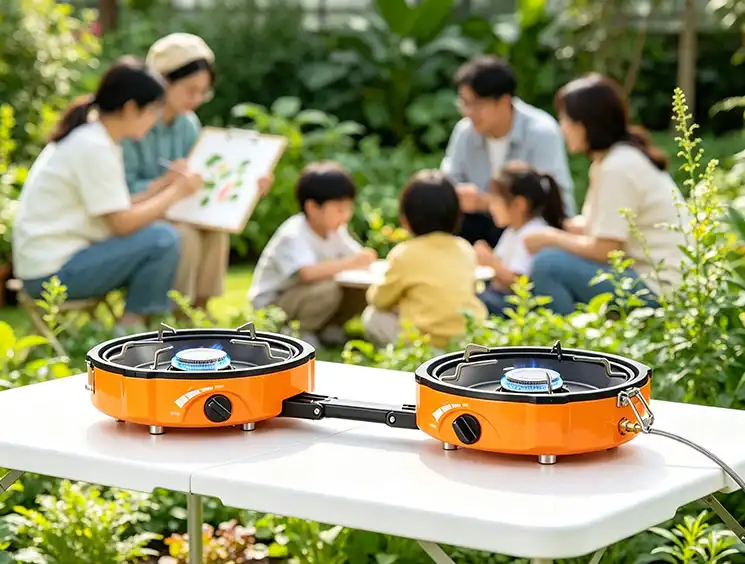
The landscape of outdoor kitchen 2-burner stoves has changed a lot, and now B2B buyers can choose from a wide range of configurations that are best for different uses. Portable folding models are useful for glamping sites and outfitters for RVs, while built-in models are good for outdoor kitchen installations that need permanent fixtures. Another important difference is that different fuels work with different engines. Propane is still the most popular choice because it burns cleanly and is easy to find, but natural gas and butane are also options for some markets.
Burner Configuration and Power Output
Metrics for performance have a direct effect on how happy end users are. With 2.3kW of power, each burner produces about 8000 BTU, which is enough heat for multiple cooking tasks at once without affecting the accuracy of the temperature. This two-burner setup lets users quickly boil water on one side while slowly cooking sauces on the other, which is useful for outdoor cooking where people need to do more than one thing at once. The combination of open flame and infrared burner heads makes it flexible, which makes it appealing to both casual campers and serious outdoor cooks.
Material Construction and Durability Standards
Cold-rolled steel burner bodies that have been coated with powder don't rust and keep their shape even when the temperature changes. Burner heads made of stainless steel don't warp after being heated many times, and copper valve parts make sure that gas flow is properly controlled. These material choices are based on best practices in the industry for making sure that tools will work consistently outside, where dirt, moisture, and physical damage can affect lower-quality options. Manufacturers who use packaging that can withstand drop tests from one meter at eight angles show they care about protecting their products throughout the entire supply chain.
Safety Mechanisms and Regulatory Compliance
Pressure-regulating valves stop dangerous changes in gas flow that can happen when the temperature or pressure changes. Integrated oil and water drip pans catch spills before they start fires, which makes cooking sessions longer and safer. Safety certifications, such as CE for European markets and CSA or UL for North American distribution, set the minimum standards that purchasing managers look for when they are evaluating potential suppliers. Auto-ignition systems get rid of the dangers of open flames, which makes them safer to use, especially when it's windy outside.
Customization Needs in Outdoor Kitchen 2 Burner Stoves — Matching Client Requirements
B2B customization takes into account the different needs and priorities that different stakeholders have when making decisions about procurement. Purchasing managers look at the total cost of ownership, which includes things like warranty coverage, the availability of replacement parts, and pricing structures based on volume. Engineering teams carefully look at technical details like how much gas is used, how reliable the lighting is across a range of temperatures, and how well it works with other products in the same environment. Distributors look at how the supply chain protects their market reputation and how it can help build brand equity.
Core Customizable Elements
The placement and spacing of the burners can be changed to fit different sizes of cookware. In normal setups, there is 12 inches of space between each heat source. By changing the power output, makers can make cheaper models with smaller BTU ratings or more expensive models that go beyond what is required. Powder coating is only one type of surface finish. Custom color matching is another option that helps keep your brand's personality across all of your products. Panel designs can include logos, control labels in more than one language, and visual elements that let customers know what the brand stands for.
Advanced Feature Integration
Smart temperature sensors built into valve systems keep the heat output constant, even when the fuel pressure or the temperature outside changes. Better windshield designs keep fires out of open areas without adding too much weight. Portable outdoor kitchen 2-burner stove models with legs that can be folded up and raised or lowered can be used in more situations when the ground isn't level. Modular connection points let you add extras like side tables or hooks for cooking tools that make things easier for the user.
Application-Specific Optimization
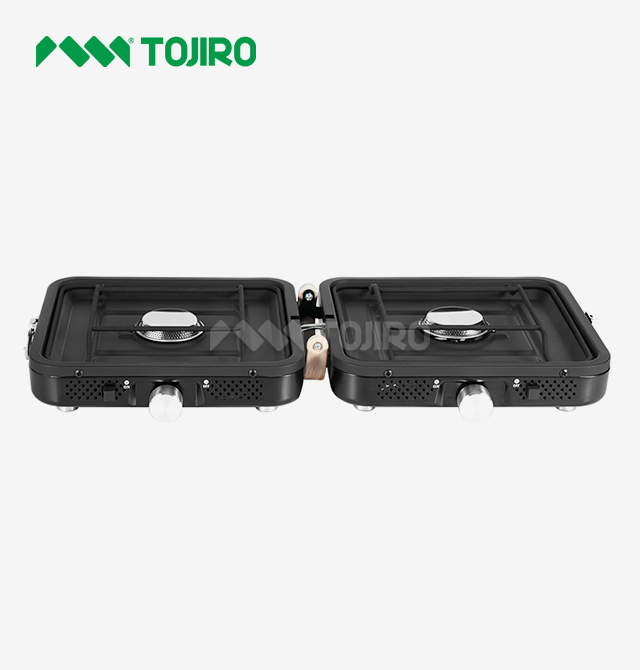
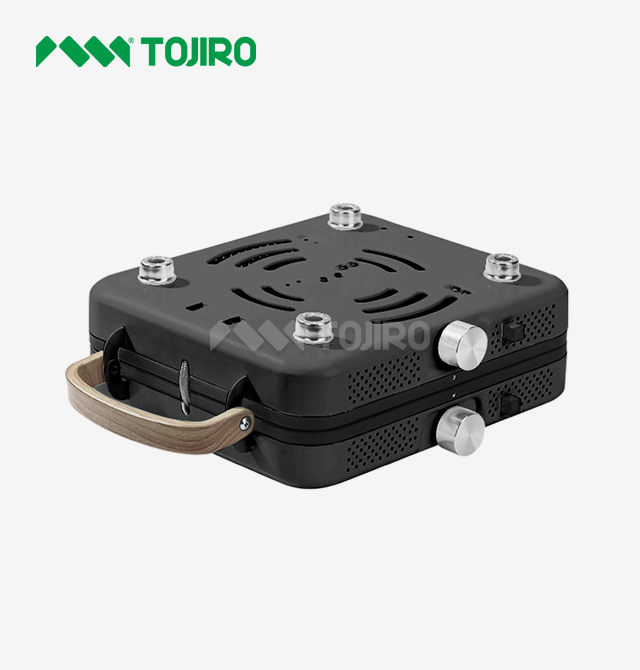
Portable camping setups aim for small folded sizes—245x210x59mm when collapsed, expanding to 268x210x117mm when fully expanded—so they are easy to move and store. For commercial glamping sites to work, they need longer duty cycles and easier access for maintenance staff. In order to be ready for emergencies, markets value fuel efficiency and the ability to use more than one fuel, which increases operational flexibility during supply disruptions. Customization that takes into account unique usage habits and performance standards is good for every application situation.
OEM Customization Process for Outdoor Kitchen 2 Burner Stoves
From the first question to the arrival of the finished product, there is a structured road that balances the client's vision with the facts of manufacturing. TOJIRO's method combines Japanese accuracy with quick teamwork, making sure that outdoor kitchen 2-burner stove solutions meet high standards while still being able to make money.
Initial Consultation and Requirements Definition
A thorough needs assessment is the first step to successful customization. The design parameters are set by technical requirements such as BTU needs, fuel compatibility, and size limits. Certification paths are set by the rules that apply to the target markets. For example, products sold in Europe need to be CE-marked, products sold in Canada need to be CSA-approved, and products sold in the US need to be UL-listed. Tooling investments and production schedules are affected by expected volume and delivery times. Standard minimum order sizes of 1000 units combine the costs of customization with the efficiency of production.
Design Development and Prototyping
Engineering teams take requirements and turn them into detailed specifications that include how to choose materials, find parts, and put the whole thing together. Computer-aided design (CAD) programs make three-dimensional models that customers look over before the prototype is made. Physical samples are put through a lot of tests, such as making sure they can ignite at different temperatures, mapping out where the heat is coming from, and making sure the structure is solid. The 45-day production cycle allows for small changes based on customer feedback, which makes sure that the finished goods meet the original requirements and meet the needs of the market.
Quality Assurance and Certification
The production processes at TOJIRO's 10,000-square-meter factory are controlled by ISO9001:2015 quality management systems. Inspections of incoming materials make sure that source parts meet requirements. Monitoring while the goods are being made finds mistakes before they affect the finished goods. Final testing makes sure that each outdoor kitchen 2-burner stove meets performance standards for things like how well it lights, how consistently it produces heat, and how well its safety system works. Independent evaluations by third-party certification groups give legal approvals that are needed to get into the market.
After-Sales Support Framework
A one-year warranty shows that the manufacturer trusts the buyer and protects their investment. Making replacement parts available ensures that products last longer, which makes customers happy and lowers the cost of warranty claims. English-language technical documentation makes installation, operation, and maintenance easier in markets around the world. Responding to customer service, which you can reach by email at [email protected], takes care of issues that come up after delivery, builds partnerships that encourage return business and referrals.
Market Comparison: OEM vs Off-the-Shelf Outdoor Kitchen 2 Burner Stoves
When making procurement decisions, people often compare customized solutions to alternatives that are easily accessible. When buyers understand tradeoffs, they can make choices that are in line with their strategy goals and working limits. Off-the-shelf models from well-known names can be shipped right away and don't have to wait for customization. Standard specs are good for buyers who want designs that have been tried and tested and are already popular on the market. However, this ease of use comes with less room for difference. OEM partnerships let outdoor kitchen integrators create unique designs that rivals can't copy. This gives them a competitive edge in the market, which allows them to charge higher prices and keeps customers loyal to the brand.
Immediate Availability Versus Tailored Solutions
Off-the-shelf models from well-known names can be shipped right away and don't have to wait for customization. Standard specs are good for buyers who want designs that have been tried and tested and are already popular on the market. However, this ease of use comes with less room for difference. OEM partnerships let outdoor kitchen integrators create unique designs that rivals can't copy. This gives them a competitive edge in the market, which allows them to charge higher prices and keeps customers loyal to the brand.
Technical Specification Flexibility
Standardized products limit buyers to the burner spacing, BTU output, and control mechanisms chosen by the manufacturer. Custom development of an outdoor kitchen 2-burner stove lets you precisely meet the needs of your target customers, whether you're looking to make the stove better for ultralight backpacking or strong commercial glamping installations. You can choose materials that focus on certain qualities, like resistance to corrosion for coastal areas, better insulation for cold weather use, or lighter weight for applications that need to be portable.
Brand Equity and Market Positioning
With private label agreements, sellers become extensions of the brands of their clients. Custom packing, logo placement, and color choices help customers recognize a brand across all of its products. Integrators of outdoor kitchen equipment that want to get into high-end markets will find that the Japanese craftsmanship history of TOJIRO products adds credibility to brand stories. This kind of differentiation is hard to achieve when you're reselling common goods that are available through a lot of different channels.
Economic Considerations
Minimum order quantities make customization harder to get into because orders below 1000 units require a lot of money and the ability to manage inventory well. When you buy something off the shelf, you don't have to pay for any tools, and you can place orders in small amounts to match changes in demand. However, margin structures encourage tailoring for well-known brands with steady sales numbers. This is because cutting out middlemen markups and making the brand stand out allow for higher retail prices that boost profits, even though they require an initial investment.
Best Practices for Installation, Operation, and Maintenance of Customized Outdoor Kitchen 2 Burner Stoves
When implemented correctly, equipment works better and lasts longer, and safety rules are followed throughout its entire operational lifecycle. The site you choose should have enough airflow to keep carbon monoxide from building up, especially for semi-enclosed outdoor kitchens. Before the first use, you need to make sure that the links between fuel lines are properly sealed by checking for leaks with a soapy water solution. Following the manufacturer's instructions, clearance lengths from flammable objects must be at least 12 inches. Stability on the surface keeps things from falling over, and level mounting bases are necessary for the safe use of compact outdoor kitchen 2-burner stove units.
Installation Guidelines and Safety Protocols
The site you choose should have enough airflow to keep carbon monoxide from building up, especially for semi-enclosed outdoor kitchens. Before the first use, you need to make sure that the links between fuel lines are properly sealed by checking for leaks with a soapy water solution. Following the manufacturer's instructions, clearance lengths from flammable objects must be at least 12 inches. Stability on the surface keeps things from falling over, and level mounting bases are necessary for the safe use of compact outdoor kitchen 2-burner stove units.
Operational Best Practices
Choosing fuel that meets regional standards, like European high-altitude canisters or US propane cylinders, makes sure that the fuel burns properly and keeps equipment from breaking. Adjusting the heat slowly keeps the burner's parts from getting too hot. Using the benefits of both configurations, operating two burners at the same time makes cooking more efficient while a meal is being prepared. Using built-in screens or extra barriers to block the wind keeps the flame stable and the fuel burning efficiently, even when the weather is bad.
Maintenance Procedures and Longevity Optimization
Regular cleaning keeps grease from building up, which can start fires and make burners less effective. Using removable drip pans makes this process easier; all that's needed to keep them clean is a quick wipe-down every so often. By looking at the burner head, you can find blockages caused by food or bugs that change the way the flames work. Lubricating the valve system as directed by the maker keeps it running smoothly and stops gas leaks. Powder-coated surfaces and electronic ignition parts are kept safe from damage by storing them seasonally in dry places.
Warranty Utilization and Repair Resources
Knowing the terms of a warranty helps you get the most out of its coverage when problems arise. Keeping records of the times of purchases and license numbers makes filing a claim easier. Authorized service providers know how to repair parts and diagnose systems in a way that makes devices last longer than the warranty period. When procurement managers build relationships with makers of outdoor kitchen 2 burner stoves, they gain access to technical support resources that cut down on downtime and maintenance costs across all product launches.
Conclusion
Customization turns outdoor kitchen 2-burner stoves from common items into valuable brand assets. OEM partnerships let camping equipment makers and equipment integrators come up with their own designs that meet the needs of the target market and government rules. When Japanese craftsmanship is combined with modern manufacturing techniques, reliable dual-burner systems are made that can be used for everything from portable camping to commercial glamping installations. The 45-day production cycle, the minimum order size of 1000 units, and the full certification support make customization projects possible. In competitive markets where differentiation drives buying choices, premium placement is justified by material quality, safety features, and performance standards.
FAQ
1. What fuel types are compatible with custom outdoor cooking stoves?
Customized outdoor kitchen 2-burner stoves can work with both high-altitude gas tanks that are made to European standards and propane bottles that are made to US standards. Parts of the fuel system, like regulators and fittings, can be changed to work with the fuel infrastructure in different areas. This makes sure that the fuel burns properly and safely in all international markets.
2. What lead times should I expect for OEM orders?
Usually, it takes 45 days from the time an order is confirmed until it is delivered. This schedule includes validating the final design, getting the parts, putting the whole thing together, testing for quality, and making the paperwork for approval. Requests for complex customizations that require new tools or a lot of technical work may cause delays, so it's best to get involved early for holiday product launches.
3. Can these stoves integrate with existing outdoor kitchen systems?
Modular designs facilitate integration with cabinetry, countertops, and accessory systems. Dimensional specifications and mounting configurations accommodate standard outdoor kitchen layouts. Unique installation needs are met by custom brackets and adapter plates, which make sure that they fit perfectly into complete outdoor cooking solutions.
Partner with TOJIRO for Custom Outdoor Kitchen 2 Burner Stove Solutions
TOJIRO wants outdoor kitchen equipment integrators and camping gear providers to look into ways they can customize their products to make their lines better. As an experienced company that makes outdoor kitchen 2-burner stoves, we mix ISO9001:2015-certified production with traditional Japanese craftsmanship to make reliable two-burner systems that are made to fit the needs of your brand. Our ODM and OEM services take care of all of your technical needs, from choosing the right materials and burner configuration to making sure you meet certification requirements and designing the packaging. We make customization easier while keeping quality standards that satisfy picky B2B buyers. Our 45-day production cycles, one-year warranty coverage, and helpful English-language support make it possible. Get in touch with our team at [email protected] to talk about your needs, look at different sample choices, and come up with cooking solutions that will set your brand apart in the outdoor market.
References
1. Anderson, M. (2022). Outdoor Kitchen Design and Equipment Integration. Commercial Hospitality Press.
2. Chen, L. & Nakamura, T. (2021). Materials Engineering for Portable Cooking Appliances. Journal of Industrial Manufacturing, 45(3), 127-149.
3. European Committee for Standardization. (2023). EN 521: Specifications for Dedicated Liquefied Petroleum Gas Appliances. Brussels: CEN Publications.
4. Harrison, D. (2023). The Glamping Industry Report: Market Trends and Equipment Requirements. Outdoor Recreation Analytics.
5. Kim, S. (2022). Quality Management Systems in Consumer Appliance Manufacturing. International Journal of Production Standards, 18(2), 89-106.
6. Wilson, P. & Martinez, R. (2023). OEM Strategies for Outdoor Equipment Markets. B2B Manufacturing Quarterly, 31(4), 203-218.

USER EVALUATE
Here is the customer's evaluation of us
_1763609661748.webp)
_1763606665399.webp)